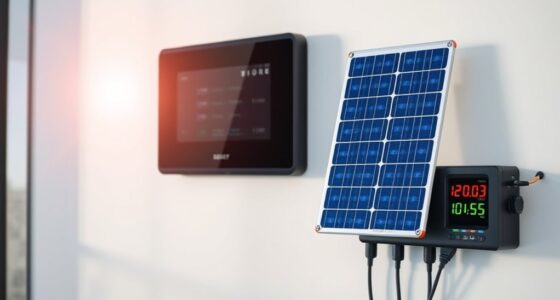
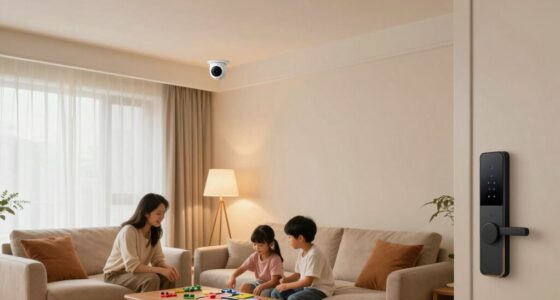
To add security logic without turning your home into a lab, focus on simple, clear rules that trigger responses only when genuinely needed. Start with vulnerable areas and use devices you can easily troubleshoot. Regularly update and test your system, ensuring it responds properly. Keep instructions straightforward so everyone knows what to do during alerts. Balancing smart security measures with ease of use keeps your home safe without complexity—continue to explore how to refine your setup effectively.
Key Takeaways
- Use simple, proven automation rules to respond to threats without overcomplicating the system.
- Regularly test and update device settings to maintain security without excessive experimentation.
- Prioritize user-friendly devices with clear instructions and reliable support to minimize troubleshooting.
- Incorporate security logic gradually, focusing on vulnerable areas first to avoid system overload.
- Balance automation with manual oversight to keep the system manageable and effective.
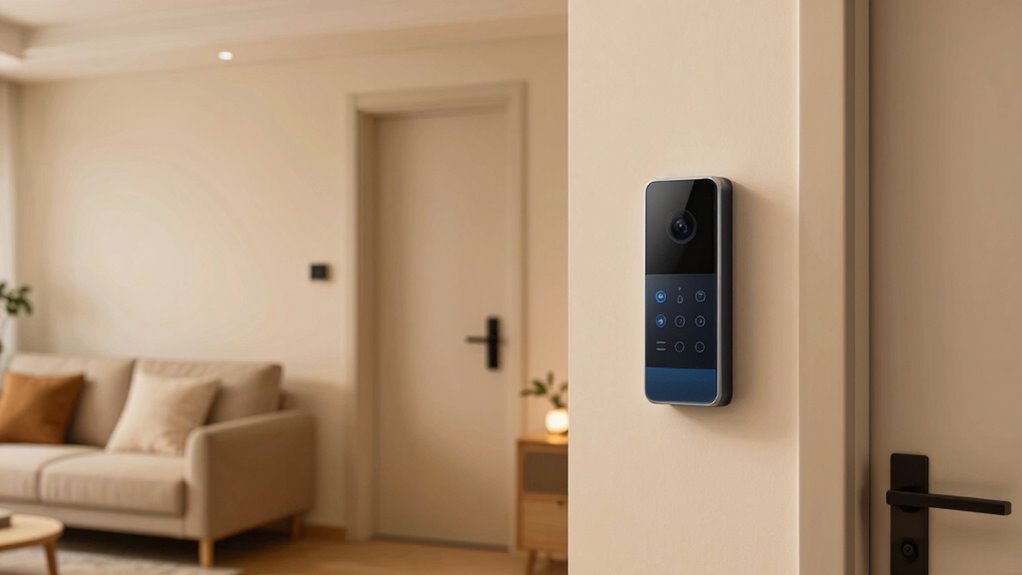
Equally important is developing a solid emergency response plan. It’s not enough to have smart devices; you need to know what to do when they trigger a warning. Think about your specific risks—whether it’s a break-in, fire, or medical emergency—and plan accordingly. Keep emergency contacts handy and guarantee everyone in your household knows how to respond quickly. For instance, if your smart security camera detects motion at odd hours, you should have a protocol to verify the threat and contact authorities if necessary. Practice these responses regularly so they become second nature, reducing panic during actual emergencies. Incorporating security logic ensures your system responds appropriately and efficiently in critical moments. To keep things manageable, start small and gradually expand your security system. Focus on areas most vulnerable, like entry points and main living spaces, before adding additional sensors or cameras. This approach prevents the system from becoming overly complicated or difficult to troubleshoot. When selecting devices, prioritize those with clear instructions and reliable customer support. This way, you can troubleshoot issues without turning your home into a testing ground. Remember, the goal is to enhance security without creating unnecessary stress or confusion. Additionally, understanding home security technology can help you make more informed choices about your system components. Being aware of potential vulnerabilities can also guide you in security device placement and configuration. Regularly reviewing air quality measures, such as ventilation and purification, can further enhance your home’s safety and comfort. Staying informed about emerging threats can help you adapt your security measures proactively. Finally, maintain your system by regularly updating software and reviewing your emergency response plan. Technology evolves, and so do potential threats, so staying current guarantees your security remains effective. Test your devices periodically to confirm they’re working correctly, and adjust your plan as needed based on changing circumstances or new insights. When you combine smart device integration with a well-thought-out emergency response plan, you create a security system that’s both effective and easy to use. You won’t need a lab—just a clear strategy and the right tools to make your home safer and give you peace of mind.
smart home security camera with motion detection
As an affiliate, we earn on qualifying purchases.
As an affiliate, we earn on qualifying purchases.
Frequently Asked Questions
How Do I Choose the Right Security System for My Home?
To choose the right security system, consider your home’s specific needs and how home automation can enhance protection. Look for systems that offer customizable features and easy integration with your existing devices. Address privacy concerns by selecting reputable brands that prioritize data security and transparent policies. Guarantee the system is user-friendly, reliable, and adaptable to future upgrades. This way, you stay protected without sacrificing convenience or privacy.
Can Security Logic Be Integrated With Existing Smart Home Devices?
Yes, security logic can be integrated with your existing smart home devices. You just need to guarantee proper automation integration and device compatibility. Check if your security system supports popular smart home platforms like Alexa, Google Home, or Apple HomeKit. Once confirmed, you can create seamless automation routines, such as arming your system when you leave or turning on cameras when motion is detected, making your home smarter and safer.
What Are the Common Mistakes to Avoid When Adding Security Logic?
You should avoid common mistakes like overcomplicating your system, which can lead to false alarms. Nearly 90% of false alarms are caused by user error or poor setup. Be mindful of privacy concerns; make sure your security logic doesn’t compromise personal data. Test your system thoroughly to prevent false alarms and protect privacy. Keep configurations simple and transparent to maintain trust and effectiveness in your home security.
How Much Does Professional Security System Installation Typically Cost?
Professional security system installation generally costs between $300 and $1,200, but this varies based on the size of your home and the complexity of the setup. When considering cost estimation, remember pricing factors like equipment quality, monitoring services, and installation labor. You can save money by choosing a basic system or bundling services, but investing in professional installation guarantees your system works reliably and offers the best protection.
What Legal Considerations Should I Be Aware of When Monitoring Security?
Think of monitoring your security like walking a tightrope—you want safety without falling into legal trouble. You must address privacy concerns by informing guests and avoiding unauthorized surveillance, especially of neighbors. Guarantee legal compliance by understanding local laws on recording and data storage. For example, some regions require visible signage or consent for recordings. Staying informed helps protect your privacy and keeps your security efforts legally sound.
easy-to-use home security alarm system
As an affiliate, we earn on qualifying purchases.
As an affiliate, we earn on qualifying purchases.
Conclusion
By blending basic barriers with clever cues, you can confidently create a safer space without turning your home into a high-tech haven. Focus on simple security strategies that suit your style, and stay vigilant to vulnerabilities. Remember, small steps, smart solutions, and steady security setups strengthen your sanctuary without sacrificing comfort. With a little awareness and a touch of ingenuity, you’ll keep your home safe, secure, and serene—so settle in, stay sharp, and safeguard smartly.
wireless security sensors for entry points
As an affiliate, we earn on qualifying purchases.
As an affiliate, we earn on qualifying purchases.
home security device troubleshooting support
As an affiliate, we earn on qualifying purchases.
As an affiliate, we earn on qualifying purchases.