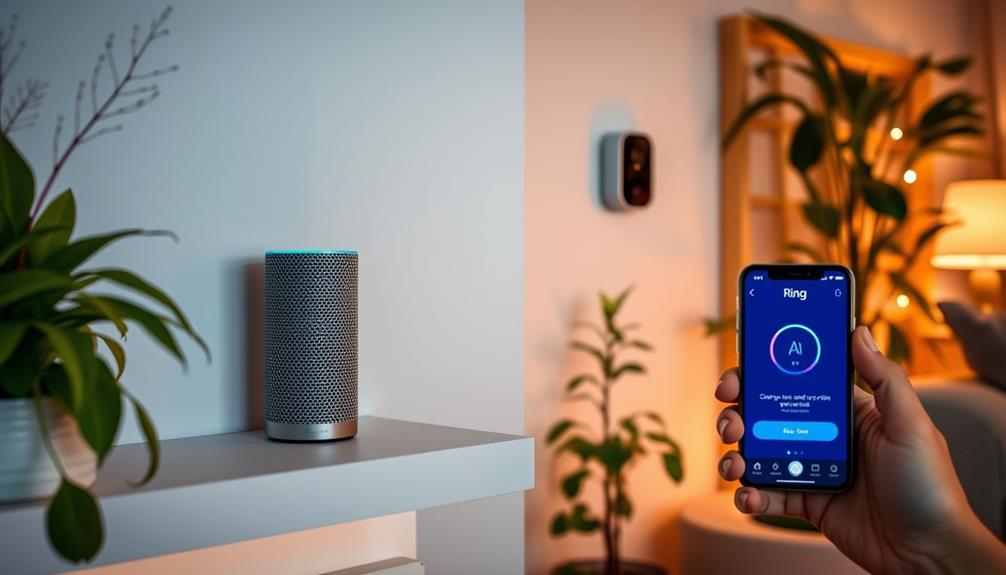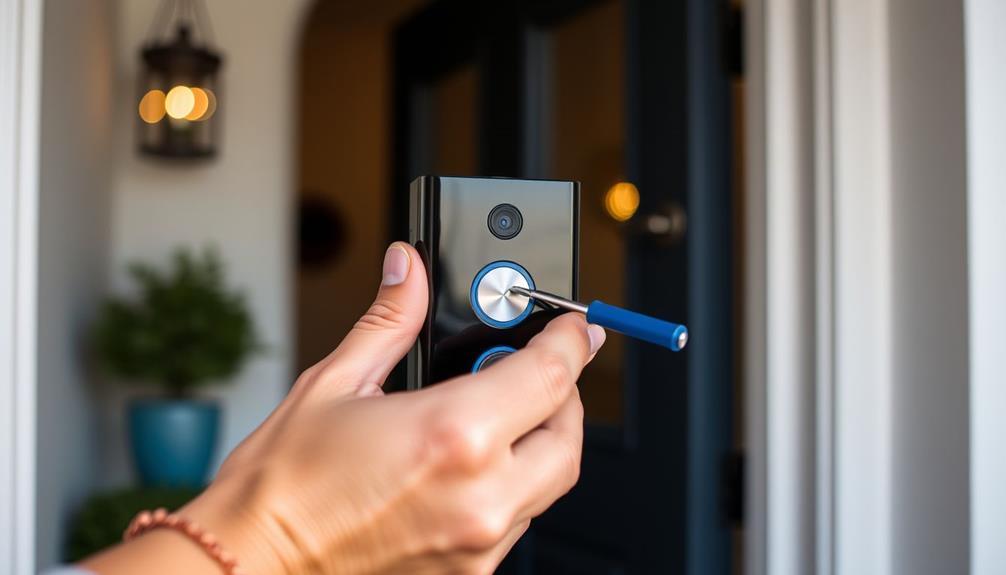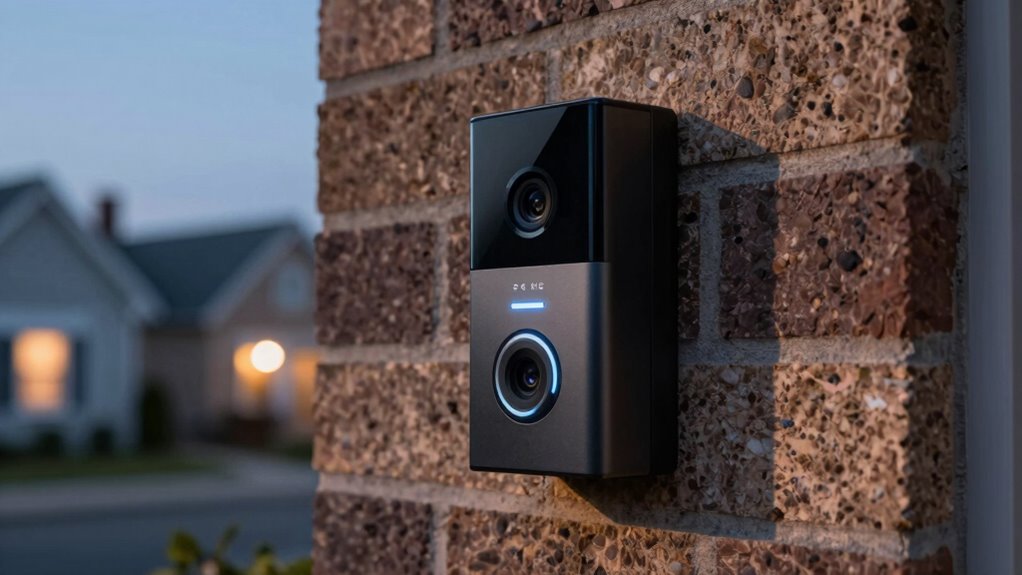

If your Ring notifications arrive late, it’s likely due to Wi-Fi issues, hardware problems, or improper device placement. Weak signals, network congestion, or interference can delay alerts, while outdated firmware or app settings may also interfere. Ensuring your device is correctly installed, optimizing your Wi-Fi connection, updating firmware, and adjusting notification preferences can help speed things up. Keep going to find out how to troubleshoot these common causes and get prompt alerts again.
Key Takeaways
- Check device hardware for signs of failure and perform maintenance like restarting and firmware updates.
- Improve Wi-Fi signal strength by reducing interference, optimizing placement, and testing network connectivity.
- Review and adjust app notification settings, permissions, and enable automatic updates for optimal performance.
- Position devices properly, avoiding obstructions and environmental interference to ensure faster detection and alert delivery.
- Ensure stable internet connection, update firmware and apps regularly, and address hardware issues promptly to prevent delays.
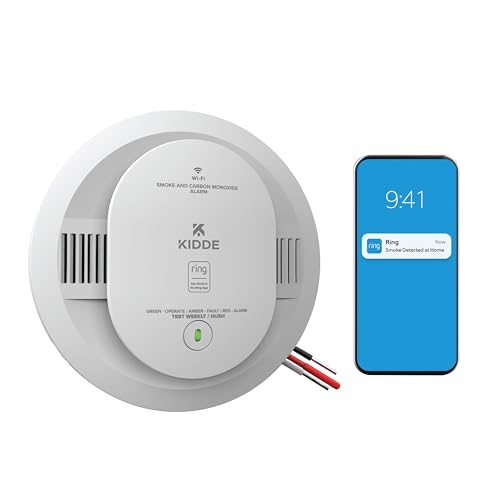
Kidde Smart Smoke and Carbon Monoxide Detector, Ring App Enabled for Real-Time Notifications, Hardwired Alarm, AA Backup Battery
Double the Detection: Alerts you to both smoke and carbon monoxide (CO)
As an affiliate, we earn on qualifying purchases.
Why Are My Ring Notifications Late or Missing?
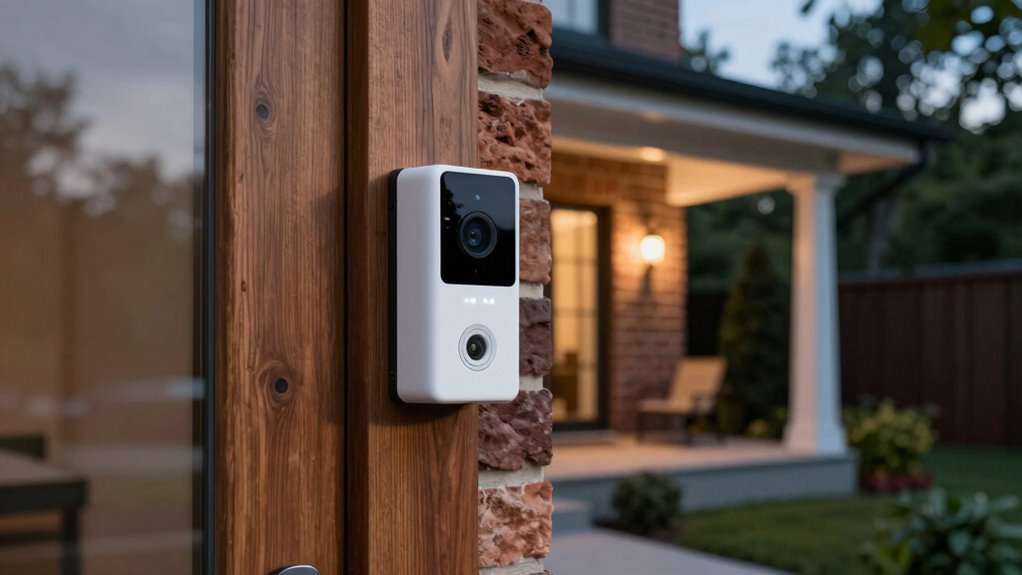
If your Ring notifications are arriving late or not at all, several common issues could be to blame. One key factor is how your device integrates with your smart home system, which can sometimes cause delays if not configured correctly. Also, check your user notification preferences; if they’re turned off or set to a less frequent alert mode, you might miss important updates. Confirm your app settings are optimized for immediate alerts, and verify that your device’s notification permissions are enabled. Poor integration between your Ring device and other smart home components can cause delays, so reviewing and adjusting these settings often resolves the problem. Keeping these preferences updated helps ensure you receive timely alerts without unnecessary interruptions. Additionally, understanding the thermal behavior of your device can help identify if overheating or connectivity issues are contributing to notification delays. Regularly monitoring your device’s battery health can also prevent unexpected downtime that might affect notifications. Recognizing how European cloud servers are designed for reliability can provide insights into optimizing your device’s performance. Furthermore, ensuring your network’s bandwidth capacity is sufficient can significantly reduce delay issues and improve notification speed. To further enhance responsiveness, consider reviewing your device’s firmware updates, which often include performance improvements that can mitigate notification lag.

Ring Alarm 8-Piece Kit (newest model), Home or business security system with optional 24/7 professional monitoring
A great fit for 1-2 bedroom homes, this kit includes one base station, one keypad, four contact sensors,...
As an affiliate, we earn on qualifying purchases.
How Poor Wi-Fi and Network Issues Slow Down Alerts
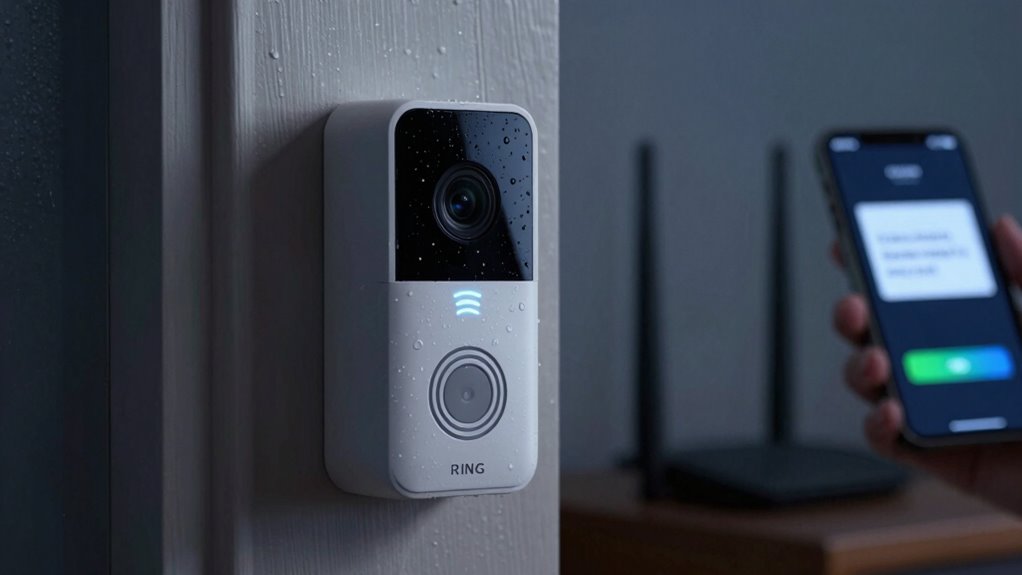
Poor Wi-Fi and network issues are common culprits behind delayed Ring notifications. Wi-Fi interference from neighboring networks or electronic devices can disrupt your connection, causing alerts to lag or not arrive at all. Low signal strength weakens the connection between your Ring device and your router, leading to slower data transmission. When the network is congested or unstable, notifications take longer to process and deliver. You might notice that your alerts arrive late or sporadically, especially if your Wi-Fi signal is weak or fluctuating. To fix this, ensure your router is placed in a central location, free from interference, and that your device has a strong, stable connection. Improving signal strength and reducing interference help ensure faster, more reliable Ring notifications. Additionally, understanding the importance of connection stability can help you identify and resolve issues more effectively. Regularly updating your device firmware and router settings can also prevent network congestion, ensuring smoother data flow. Maintaining a clear and consistent network environment is key to preventing delays in notification delivery. Incorporating tools like TDS meters to monitor water quality can also be part of a comprehensive approach to optimizing your network setup and avoiding connectivity issues.

Ring Alarm 14-Piece Kit (newest model), Wireless smart home or business security system, expandable, easy setup, Mobile App Control, 24/7 Professional Monitoring, Alexa Compatible
A great fit for 2-4 bedroom homes, this Alarm Kit includes one Base Station, two Keypads, eight Contact...
As an affiliate, we earn on qualifying purchases.
Setting Your Ring App and Notification Preferences Correctly
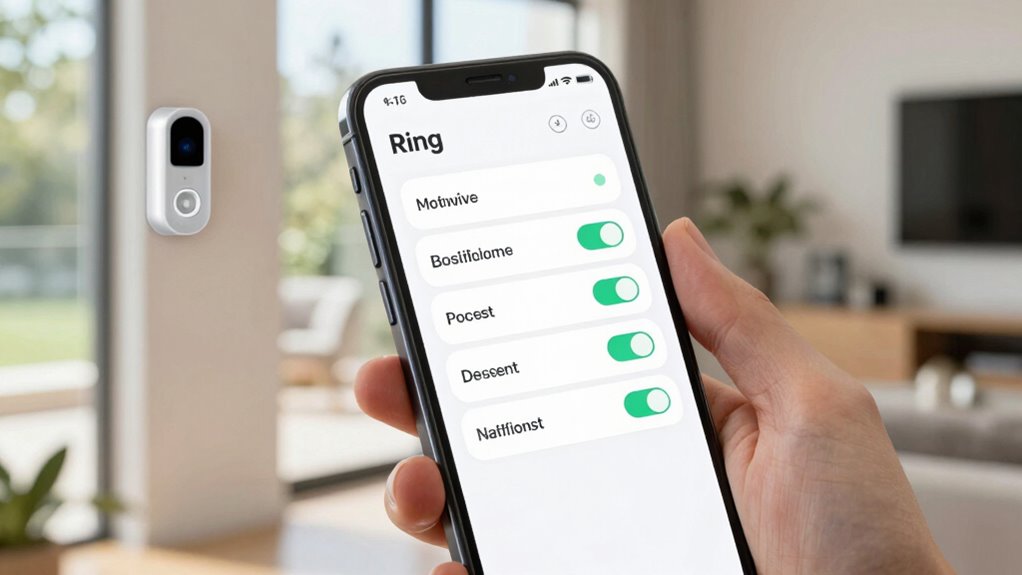
To make certain you receive timely Ring notifications, it’s essential to set your app and notification preferences correctly. Start by reviewing your notification scheduling to ensure alerts are enabled during the times you need them most. Check your device’s settings to allow app permissions for notifications—without these, you won’t get alerts at all. Inside the Ring app, customize your notification preferences to prioritize alerts for motion, doorbells, or other events, and ensure they’re turned on. Also, enable notifications for the specific devices you want updates from. Keep your app updated to benefit from the latest features and fixes. Properly configuring notification scheduling and app permissions helps you stay informed without delays or missed alerts. Understanding how notifications work can help you troubleshoot issues more effectively, especially when considering notification delays, which may be caused by improper settings or permissions. Additionally, being aware of how device compatibility affects notification delivery can help prevent unforeseen delays.

tolviviov Home Alarm System(2nd Gen), 12 Pieces Smart Home Alarm Security System DIY No Monthly Fee, Phone Alert, Alarm Siren, Door/Window Sensors, Remotes, Work with Alexa, for House Apartment Office
✅Ideal Alpha Alarm System for Home - With the help of smart ecosystem, you can add extra door...
As an affiliate, we earn on qualifying purchases.
How to Check and Fix Hardware or Software Glitches
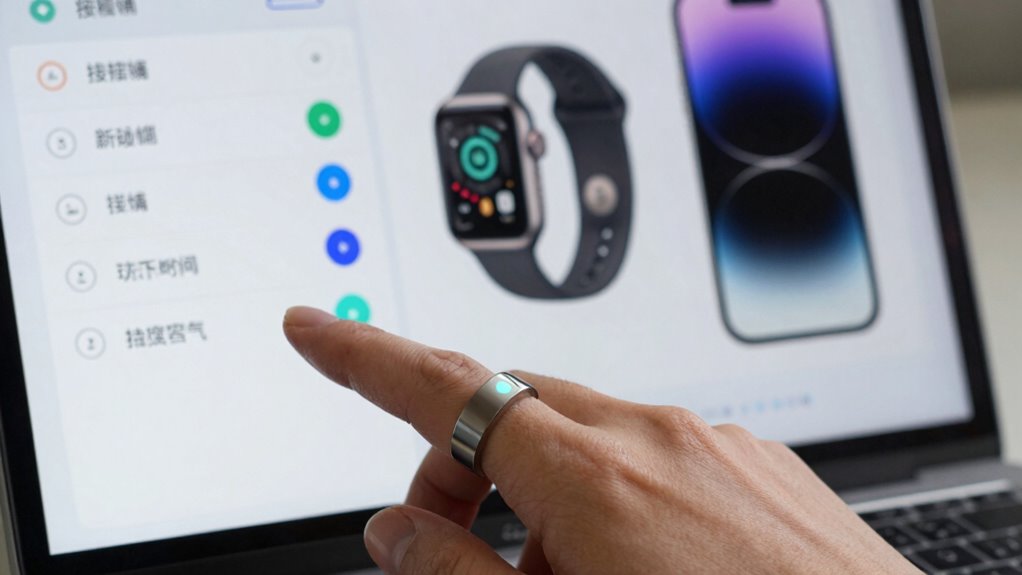
Hardware or software glitches can cause delays in receiving Ring notifications, so it’s important to identify and address these issues promptly. Start by performing hardware troubleshooting—check that your device is powered on, connected to Wi-Fi, and has no physical damage. Restart your Ring device and your Wi-Fi router to resolve minor glitches. Next, ensure your device’s software is up to date; install any available software updates from the app store or device settings. Outdated firmware can cause communication problems, leading to notification delays. If issues persist, reconfigure your device’s settings or reset it to factory defaults. Regularly updating your device’s software and verifying hardware connections help prevent glitches that disrupt timely notifications. Additionally, understanding sound propagation can help you optimize device placement for better connectivity and performance. Proper placement and minimizing obstructions can significantly improve Wi-Fi signal strength, which is crucial for prompt notifications. To further enhance reliability, consider checking your network’s bandwidth capacity, as insufficient bandwidth can also contribute to notification delays. You may also want to explore interference sources around your device that could disrupt signal quality. Being aware of smart home network security can further protect your device from potential disruptions or breaches.
Proper Installation and Placement of Your Ring Device

To guarantee you get timely notifications, proper placement of your Ring device is essential. Position it where it has a clear line of sight to activity and avoid obstructions. Use correct mounting techniques to keep it stable and aimed for maximum coverage. Additionally, consider integrating your device with Free Floating systems to enhance its detection capabilities. Ensuring your device is correctly sized and installed can prevent false alarms and missed alerts, ultimately improving its reliability. Proper device placement also reduces the chance of signal interference, leading to more consistent notifications. Selecting the right dog bed size can also support your device’s optimal placement and performance. Being mindful of signal interference sources, such as thick walls or electronic devices, can help maintain consistent notifications.
Optimal Device Placement
Proper placement of your Ring device is essential for guaranteeing timely notifications. Position it where it can clearly detect motion and accurately calibrate sensors, which helps minimize delays caused by sensor calibration issues. Make sure your device is close enough to its power source to avoid interruptions, especially if it relies on a wired power supply. Avoid placing it where obstructions or extreme environmental factors may interfere with signal strength or sensor performance. Keep the device at an ideal height and angle for the best field of view and motion detection. Proper placement ensures your device communicates effectively with your Wi-Fi, reducing lag and late notifications. Regularly check for any placement issues that could hinder sensor calibration or signal strength to keep notifications prompt. Additionally, proper device placement can help optimize field‑of‑view and detection accuracy, improving overall notification reliability. Considering the environmental conditions around your device can also help prevent interference and ensure consistent performance. Ensuring proper placement also involves monitoring signal quality, which can directly impact the timeliness of your alerts.
Proper Mounting Techniques
Mounting your Ring device correctly is key to guaranteeing it detects motion accurately and sends notifications without delay. Start by considering the mounting height—ideally, 48 inches from the ground—to cover the most activity area. When installing a doorbell, ensure the doorbell wiring is secure and properly connected to avoid power issues that can delay alerts. Use a sturdy mount to keep the device steady, preventing false triggers or missed motion events. Position the camera or sensor at an angle that captures the walkway or entryway without obstructions like bushes or overhangs. Proper mounting not only improves detection accuracy but also speeds up notification delivery, so you get timely alerts when someone approaches or rings the doorbell.
How to Test and Improve Your Wi-Fi Connection
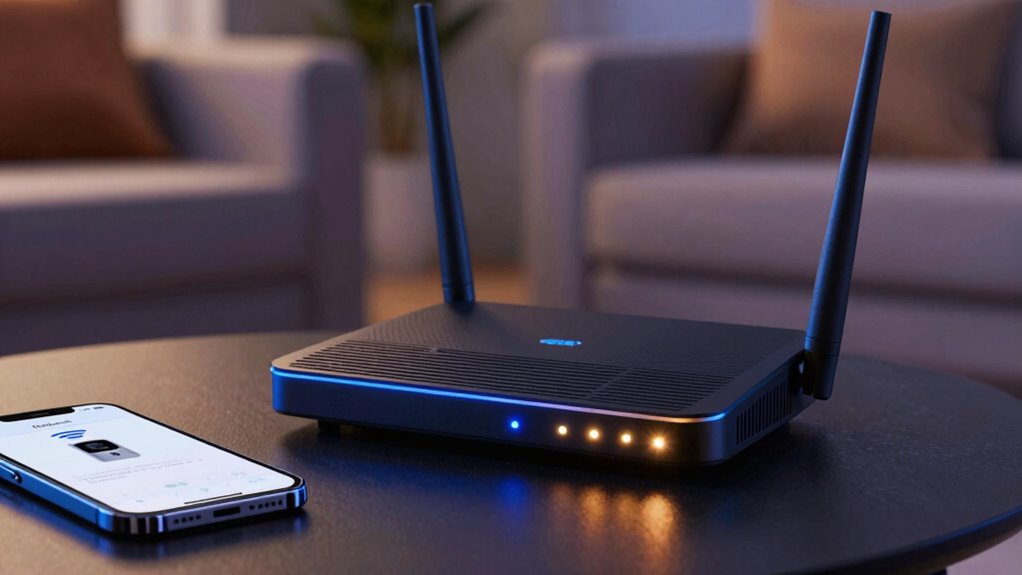
A strong Wi-Fi connection is vital for timely Ring notifications, so testing and improving your network can make a big difference. Begin by checking your signal strength near your Ring device using your router’s app or a Wi-Fi analyzer. Look for wireless interference from nearby devices like cordless phones or microwaves, which can disrupt your signal. To improve performance, reduce interference sources and consider relocating your router to a more central spot. Managing bandwidth is also essential; avoid heavy internet usage during critical times, and prioritize your Ring device if your router supports bandwidth management. Running speed tests on your network helps identify if your connection is fast enough. Improving these aspects ensures your notifications arrive promptly, keeping your home secure.
Updating Your Ring Firmware and Smartphone App

Keeping your Ring device and smartphone app up to date is essential for ideal performance. Regular firmware updates ensure your device operates smoothly, fixing bugs and enhancing features. Similarly, updating the app guarantees proper app synchronization, which is crucial for timely notifications. To stay current, routinely check for firmware updates through the Ring app or device settings. Also, keep your smartphone app updated via your device’s app store. Consider these key points:
Regular updates for your Ring device and app ensure smooth operation and timely notifications.
- Enable automatic updates for seamless firmware and app updates
- Restart your device after installing updates to finalize changes
- Verify firmware version after updates to confirm successful installation
- Ensure your smartphone’s operating system is current for compatibility
- Regularly check for app updates to maintain optimal synchronization
Staying on top of updates minimizes delays in notification delivery.
Step-by-Step Fixes for Late or Missing Ring Notifications

To fix late or missing Ring notifications, start by checking your notification settings to guarantee alerts are enabled. Next, optimize your device connectivity to prevent delays, making sure your phone and Wi-Fi are stable. Finally, update the Ring app to the latest version for smooth performance and reliable alerts.
Check Notification Settings
Are your Ring notifications arriving late or not at all? First, check your app’s notification settings. Make certain notification sounds are enabled so you get audible alerts, and verify that app permissions are granted for both notifications and background activity. You might also need to review your device’s Do Not Disturb mode, as it can block alerts. Additionally, confirm that you haven’t muted notifications within the Ring app. Here are key steps to consider:
- Enable notification sounds in your device settings
- Grant app permissions for notifications and background activity
- Disable Do Not Disturb mode temporarily
- Ensure notifications are turned on in the Ring app
- Check for any system updates that could affect notifications
Properly configuring these settings helps ensure you receive timely Ring alerts.
Optimize Device Connectivity
Unstable or weak device connectivity can cause your Ring notifications to arrive late or not at all. Start by checking your device pairing to verify your Ring device is properly connected to your Wi-Fi network. Re-pair the device if needed, following the setup instructions. Signal interference from other electronics, thick walls, or crowded Wi-Fi channels can weaken the connection. To fix this, move your router closer to your Ring device or eliminate sources of interference, like cordless phones or microwaves. Also, switch your Wi-Fi to a less congested channel if possible. A strong, stable connection between your device and Wi-Fi minimizes delays and missed notifications, ensuring you stay informed when it matters most.
Update Ring App
Ensuring your Ring app is up to date is a key step in fixing delayed or missing notifications. App updates often include bug fixes, security patches, and improvements for smart home integration, which can enhance notification delivery. To update, check your device’s app store for the latest version of Ring. Keeping the app current helps maintain peak performance, especially when managing battery health and device connectivity. Outdated apps may not sync properly, causing delays. Additionally, updated apps optimize notification settings and improve overall responsiveness. Regular updates ensure compatibility with your operating system and other smart home devices, reducing lag. Remember, a well-maintained app supports efficient battery management and seamless integration, minimizing notification delays.
- Enable automatic updates for hassle-free maintenance
- Restart your device after updating
- Verify app permissions for notifications
- Clear cache or reinstall if issues persist
- Keep firmware updated for better device sync
When to Contact Support or Consider Upgrading Your Equipment
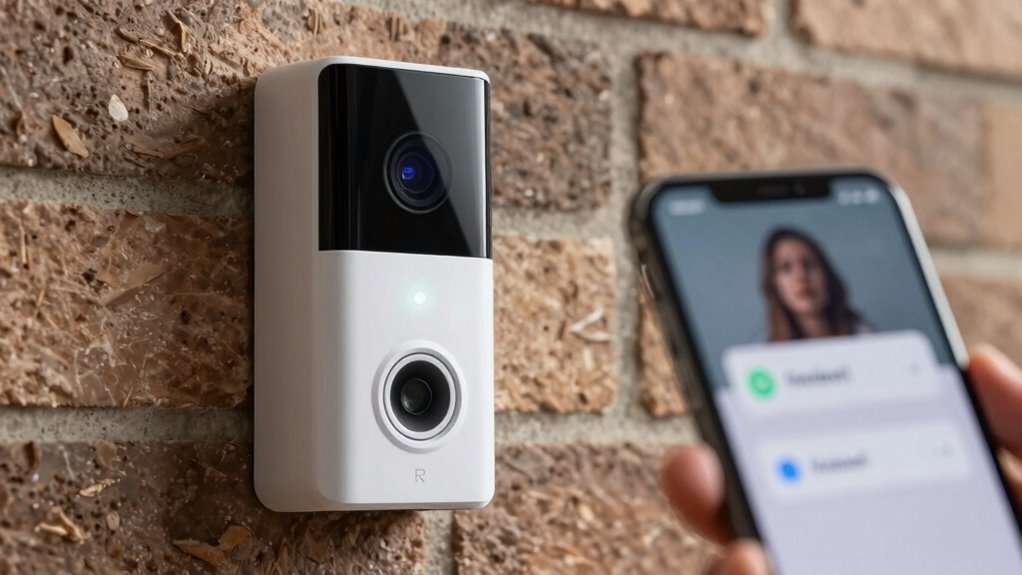
Sometimes, despite troubleshooting on your end, Ring notifications still arrive late or not at all. If you’ve tried updating your app and optimizing your Wi-Fi, it’s time to think about contacting technical support or evaluating your equipment. If your subscription hasn’t been upgraded recently, it might limit notifications or features. Upgrading your plan could improve performance. When issues persist, support teams can diagnose network or hardware problems.
| When to Contact Support | Consider Upgrading Equipment | Subscription Upgrades Needed |
|---|---|---|
| Notifications are consistently delayed | Your devices are outdated | Limited features on current plan |
| Troubleshooting fails | Wi-Fi signal is weak | Need more storage or features |
| Persistent connectivity issues | Hardware shows signs of failure | To access premium features |
Frequently Asked Questions
Can I Customize Notification Sounds for Ring Alerts?
Yes, you can customize notification sounds for your Ring alerts. You simply need to go into the Ring app and select your device, then tap on notification settings. From there, you can choose or upload a custom notification sound if available, or select from the default options. This sound customization allows you to personalize your alerts, making sure you notice important notifications right away.
Do Ring Notifications Work With All Smartphone Models?
Yes, Ring notifications work with most smartphone models, but device compatibility and notification synchronization can vary. You should check your phone’s operating system and update it if needed, ensuring your device supports the latest Ring app version. Keep notifications enabled and permissions granted. If notifications still don’t arrive, verify device compatibility and troubleshoot synchronization settings. Staying updated guarantees you get timely alerts, no matter your device.
How Does Battery Life Affect Notification Delivery?
Your battery life impacts notification delivery because low power can delay alerts. When your device uses battery optimization or power saving modes, it may restrict background activity, causing notifications to arrive late. To fix this, disable battery optimization for the Ring app or adjust power saving settings. Keeping your device charged and avoiding aggressive power saving helps guarantee timely notifications, so you stay updated without delays.
Are There Differences in Notification Delays Between Ring Models?
Yes, notification delays can differ between Ring models due to notification frequency and device compatibility. Some models may process alerts faster, especially newer ones designed for maximum performance. If your device isn’t fully compatible or has limited notification settings, delays might occur. To minimize this, make sure your Ring model supports your notification preferences and keep your app and device firmware updated for the best performance.
What Privacy Settings Influence Notification Performance?
Imagine your notifications as a messenger racing through a bustling city. Your privacy permissions and network restrictions act as traffic signals and roadblocks, slowing or halting the delivery. To guarantee timely alerts, grant the necessary privacy permissions in your Ring app, allowing smooth data flow. Also, check your network restrictions, like firewalls or bandwidth limits, which can create digital gridlock, delaying your notifications and keeping you out of the loop.
Conclusion
By troubleshooting your Wi-Fi, double-checking app settings, and keeping your device updated, you’ll guarantee your Ring notifications arrive on time—no more waiting like waiting for King Arthur’s round table to be set. If issues persist, don’t hesitate to contact support or upgrade your equipment. Staying proactive helps you stay connected and secure, turning your modern castle into a fortress with timely alerts that never arrive late.