
To reduce false motion from trees, flags, and headlights, stabilize your camera with tripods or gimbals and use faster shutter speeds to freeze movement. Adjust camera settings to minimize flicker and motion blur, and position barriers or choose calm conditions when possible. During post-processing, apply stabilization, noise reduction, and frame averaging to correct artifacts. Continue exploring techniques and equipment tips to keep your footage steady and accurate.
Key Takeaways
- Use faster shutter speeds and proper camera settings to freeze motion and reduce flickering caused by headlights and waving flags.
- Position physical barriers or windbreaks to minimize tree and flag movement in the scene.
- Employ vibration dampers and stabilized mounts to prevent camera shake from environmental vibrations.
- Adjust post-processing techniques like motion stabilization and noise reduction to correct false motion artifacts.
- Conduct regular equipment calibration and choose outdoor-appropriate stabilization gear to minimize environmental false motion signals.
camera stabilization gimbal
As an affiliate, we earn on qualifying purchases.
As an affiliate, we earn on qualifying purchases.
Why Do Trees, Flags, and Headlights Cause False Motion?

Trees, flags, and headlights often cause false motion because of the way your eyes and brain process stationary objects against moving backgrounds. When you see a tree sway gently in the breeze, your brain interprets the movement as actual motion, even though the tree isn’t moving relative to you. Similarly, a flag fluttering vigorously can create the illusion of motion, especially when your eyes track its movement against a stationary pole. Headlights, especially when flickering or shimmering, can produce a similar effect, making it seem like objects are shifting or vibrating. These illusions happen because your visual system is highly sensitive to movement cues in the environment. Your brain tries to interpret these signals, sometimes perceiving motion where there is none, leading to false motion sensations.
tripod for outdoor photography
As an affiliate, we earn on qualifying purchases.
As an affiliate, we earn on qualifying purchases.
How Do Lighting and Weather Make False Motion Worse?

Bright lights can make false motion more noticeable, confusing your perception of real movement. Rain and fog reduce visibility, making it harder to distinguish signals from false triggers. Together, these conditions worsen false motion, increasing your risk of misjudging situations. Additionally, contrast ratio plays a significant role in how well your projector displays dark scenes, which can influence how clearly you perceive moving objects under varying lighting conditions. Proper lighting conditions can help mitigate some of these issues by reducing glare and enhancing contrast perception. Recognizing how visual perception is affected by environmental factors, such as lighting and weather, can further improve your ability to identify true motion accurately. Understanding environmental influences is essential for developing more effective ways to reduce false motion in real-world scenarios.
Brightness Amplifies False Motion
When lighting conditions are poor or weather is stormy, false motion becomes much harder to distinguish from real movement. Brightness amplifies this confusion by intensifying lighting effects that create shadow illusions. Sudden flashes of lightning or uneven streetlights can cast shifting shadows, making static objects seem to move. High contrast between illuminated areas and dark patches tricks your eyes, leading you to perceive motion where there is none. These lighting effects distort your perception, especially when combined with flickering lights or reflections, heightening false motion. As a result, your brain struggles to differentiate between actual movement and visual illusions caused by fluctuating brightness, making it more challenging to stay alert and respond accurately. Recognizing visual illusions caused by lighting can help improve your perception and response in such conditions. Being aware of lighting effects can also help you interpret your environment more accurately in challenging conditions, especially when ambient brightness fluctuates unpredictably. Additionally, understanding the role of peripheral vision can aid in detecting true motion versus illusions, as our peripheral sight responds differently to movement cues.
Rain and Fog Obscure Signals
Rain and fog further complicate the challenge of distinguishing real motion from false signals. When visibility drops, tree shadows can shift unpredictably, mimicking flag motion or headlights. These shifting shadows create illusions that can trick your eyes into perceiving movement where there is none. Additionally, visual distortion caused by weather conditions can distort the appearance of signals, making it even harder to interpret them correctly. Fog diffuses light, reducing contrast and making signals less clear, which amplifies false signals. Drivers may mistake the flickering of distant lights or the sway of tree shadows for actual motion, leading to confusion and potential hazards. Weather-induced visual distortions can be further exacerbated by adverse weather conditions, making accurate perception more difficult. To stay safe, stay alert for these weather-induced visual distortions. Recognizing that visual distortions caused by weather can be caused by weather conditions helps drivers better interpret their surroundings during adverse weather. Maintaining a cautious distance and avoiding overreacting to fleeting visual cues in poor weather conditions is essential for safety.
camera vibration dampers
As an affiliate, we earn on qualifying purchases.
As an affiliate, we earn on qualifying purchases.
How to Reduce Tree and Flag Movement in Photos and Videos
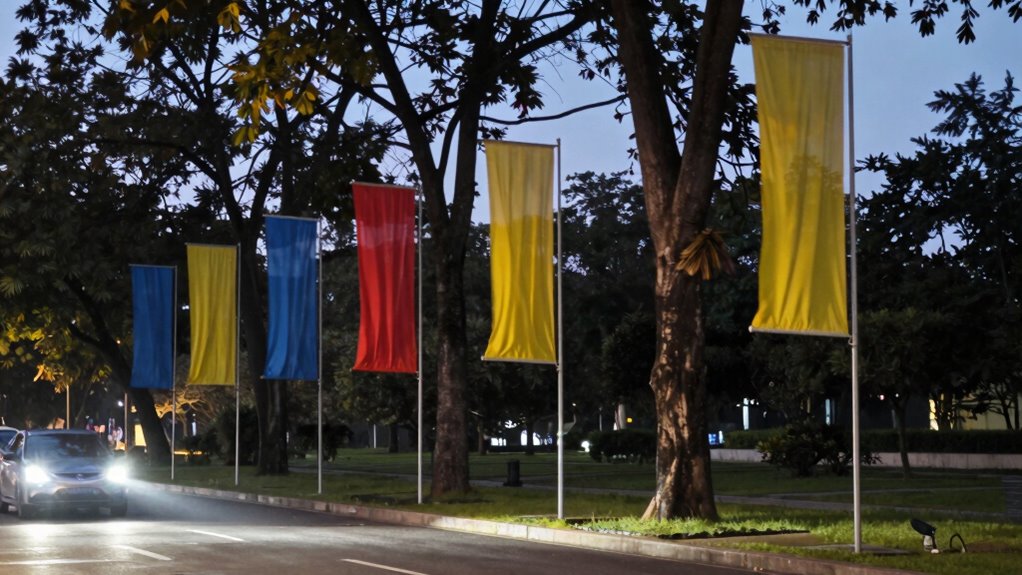
To reduce tree and flag movement in your photos and videos, start by using faster shutter speeds to freeze motion. You can also set up wind barriers or wait for calmer conditions to minimize sway. After shooting, applying post-processing techniques can further smooth out any remaining motion artifacts. Additionally, choosing the right time of day when wind activity is minimal can help achieve more stable results. Outdoor kitchen and pizza oven projects often require patience and planning, just like capturing steady footage in windy conditions.
Use Faster Shutter Speeds
Using faster shutter speeds is one of the most effective ways to reduce motion blur caused by moving trees, flags, or other objects in your photos and videos. Adjusting your exposure settings to increase shutter speed captures quick movements sharply, minimizing false motion. When you set a faster shutter speed, such as 1/1000 second or higher, moving elements appear crisp instead of blurry. To achieve this, consider:
- Increasing your shutter speed to freeze motion effectively.
- Using a wider aperture to allow more light in if needed.
- Ensuring good lighting conditions or adding artificial light to maintain proper exposure.
Incorporate Wind Barriers
Incorporating wind barriers can considerably reduce unwanted movement of trees and flags in your photos and videos. By placing wind barriers, such as large panels, fences, or natural windbreaks like shrubs and buildings, you create a shield that minimizes airflow. This tree shielding helps stabilize branches and leaves, preventing them from swaying excessively. Wind barriers are especially effective in open areas where wind speeds are high. Positioning these barriers strategically allows you to control the direction and strength of the wind hitting your subject. Remember, even small wind barriers can make a significant difference. Using practical, room-by-room solutions can help you implement these barriers efficiently in your outdoor setup. Incorporating them into your setup not only reduces false motion but also results in cleaner, more professional-looking shots with minimal distraction from moving foliage or flags.
Apply Post-Processing Techniques
Post-processing techniques can substantially improve the quality of your photos and videos by reducing the appearance of false motion caused by moving trees, flags, or lights. To minimize tree motion and flag flutter, you can use software tools to stabilize footage, remove distracting movements, or smooth out rapid shifts. Incorporating power tools and heavy-duty equipment into your setup can also help facilitate quick and effective editing workflows, making post-processing more efficient.
Here are three effective methods:
- Apply motion stabilization filters to reduce tree motion and flag flutter.
- Use frame averaging or blending to create a smoother appearance, minimizing false motion effects.
- Utilize masking and selective editing to target specific areas with unwanted movement, preserving other details.
motion stabilization software
As an affiliate, we earn on qualifying purchases.
As an affiliate, we earn on qualifying purchases.
How to Adjust Camera Settings to Minimize Headlight Flicker and Motion Blur

To reduce headlight flicker and motion blur, adjusting your camera settings is essential. First, verify your lens calibration is accurate; proper calibration prevents focus inconsistencies that can worsen flicker effects. Next, set your ISO to a lower value to minimize noise and flickering caused by high sensitivity. Using a faster shutter speed helps freeze motion and reduces blur from moving headlights or objects. Additionally, choose a narrower aperture to keep more of the scene in focus and prevent light variations from impacting your shot. Keep in mind that adjusting these settings together improves overall image stability and clarity. Experiment with small changes to find the best balance, ensuring your photos are sharp and free from distracting flicker or motion artifacts.
Tips for Stabilizing Your Camera and Vehicle to Prevent False Motion

Stabilizing your camera and vehicle is essential for reducing false motion in your shots. Proper camera stabilization ensures that moving objects like trees, flags, or headlights don’t create illusions of motion. Vehicle mounting can markedly enhance stability during transit. Here are three tips:
- Use a high-quality tripod or gimbal for camera stabilization, ensuring minimal shake even on bumpy roads. Selecting equipment with thermal behavior considerations can help maintain consistent performance in varying outdoor conditions. Additionally, choosing stabilization gear that accounts for vibration damping can further improve shot quality. Being aware of natural landscape features can also help you anticipate and adapt to dynamic outdoor environments.
- Opt for a sturdy vehicle mounting system that secures your camera firmly to prevent vibrations and unwanted movement.
- Keep your vehicle well-maintained, checking for loose parts or suspension issues that could introduce additional motion. Additionally, understanding essential oils for respiratory health can help you stay relaxed and focused during your filming sessions.
How to Fix False Motion Artifacts in Post-Processing

When false motion artifacts appear in your footage, you can often reduce or eliminate them through targeted post-processing techniques. Start by analyzing the affected areas, especially where tree movement or weather effects cause false signals. Use motion stabilization tools to smooth out jitter, and apply masking to focus corrections on problematic sections. Adjust the frame rate or use optical flow interpolation to reduce flickering caused by weather effects. Consider applying noise reduction to minimize visual distractions. Additionally, understanding the content of your footage can help you choose the most effective correction methods. For example, applying adaptive lighting techniques can help mitigate issues caused by changing light conditions. Here’s a quick guide:
| Technique | When to Use | Effectiveness |
|---|---|---|
| Motion stabilization | Tree movement | High |
| Masking | Specific areas | Medium |
| Frame rate adjustment | Weather effects | High |
| Optical flow | Flickering | High |
| Noise reduction | Visual distractions | Medium |
This helps you clean up false motion without compromising overall footage quality.
What Equipment Helps Prevent False Motion Distortions?
Choosing the right equipment can considerably reduce false motion artifacts before they even appear in your footage. Proper sensor calibration ensures your camera captures accurate motion data, reducing distortions caused by misaligned sensors. Proper sensor calibration is especially important for micromobility riders who often encounter varying environmental conditions. Ensuring your camera’s sensor alignment can prevent many false signals caused by environmental factors. Vibration dampers absorb unwanted vibrations from the environment, preventing shaky footage that can mimic false motion. Additionally, using stabilized mounts or gimbals keeps your camera steady during movement, further minimizing false signals.
Practical Driving Tips to Reduce Headlight Flicker and Distractions
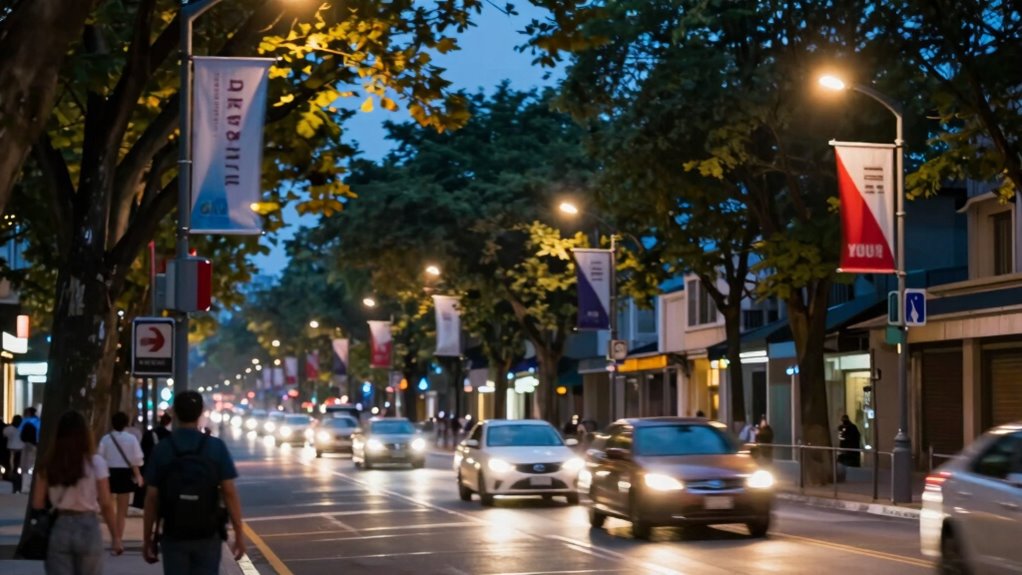
Headlight flicker and distractions can considerably impair your ability to drive safely at night. To reduce these issues, stay focused on your road and avoid fixating on moving objects like tree sway or flag flutter. Keep your windshield clean to minimize glare and reflections that can exaggerate false motions. Adjust your speed so you’re less affected by sudden movements outside, and use your peripheral vision to stay aware of your surroundings without fixating on specific distractions. If a flickering headlight or passing object causes confusion, slow down or momentarily look away to reset your focus. Maintaining a calm, steady driving pace helps your eyes adapt and reduces the impact of false motion from external sources.
How Can Software and Apps Detect and Correct False Motion in Your Footage?

Software and apps use advanced algorithms to detect and correct false motion in your footage by analyzing visual patterns frame by frame. They rely on precise sensor calibration to guarantee the data aligns correctly, minimizing errors caused by environmental factors. Through algorithm optimization, these tools identify inconsistencies like flickering trees or flashing headlights. Here’s how they work:
- They analyze pixel movement to distinguish between true motion and false signals.
- They adjust for sensor calibration issues that can cause jitter or wobble.
- They apply correction algorithms to smooth out unwanted movements, resulting in steady footage.
Frequently Asked Questions
Can False Motion Be Completely Eliminated in All Shooting Conditions?
False motion can’t be completely eliminated in all shooting conditions, but you can minimize it. By ensuring proper sensor calibration, your camera accurately detects motion. Adjust your shutter speed appropriately; faster speeds reduce false motion caused by moving trees, flags, or headlights. While some situations might still produce minor artifacts, careful calibration and shutter adjustments substantially improve image clarity, making false motion less noticeable and enhancing overall shot quality.
Are There Specific Camera Lenses Better Suited for Reducing False Motion?
You’ll find that telephoto lenses are the superheroes for reducing false motion, while wide-angle lenses can sometimes exaggerate it. Telephoto lenses narrow your view, making movement from trees, flags, or headlights less noticeable, almost like magic. Wide-angle lenses, on the other hand, capture more of the scene but can amplify false motion. So, for minimizing false motion, go for telephoto lenses—they’re your best bet to keep your shots steady and clear.
How Do Different Vehicle Speeds Impact False Motion Issues?
As your vehicle speed increases, false motion becomes more prominent because rapid movement amplifies the camera’s sensitivity to changing scenery. At higher speeds, you’ll notice more false motion from stationary objects like trees or signs, making it harder to distinguish real movement. To combat this, consider adjusting your camera settings or using stabilization features, which help minimize false motion caused by increased vehicle speed and maintain clearer, more accurate footage.
What Are the Best Maintenance Practices for Camera Equipment to Avoid False Motion?
Ever wonder how to keep your camera from falsely detecting motion? You should regularly perform sensor calibration to guarantee accurate readings and keep your camera aligned. Additionally, lens cleaning is essential—dust, smudges, or dirt can cause false motion signals. By maintaining your equipment properly, you prevent unnecessary alerts and improve overall performance. Consistent calibration and clean lenses are your best defenses against false motion caused by environmental factors.
Is There a Recommended Workflow for Editing False Motion Artifacts Efficiently?
You should develop a streamlined editing workflow focused on motion correction to efficiently address false motion artifacts. Start by identifying affected frames, then apply targeted adjustments using software tools like Warp Stabilizer or Mocha. Save your settings as presets for future use, and review the corrected footage to make certain of consistency. This approach minimizes manual effort, speeds up the process, and ensures your final video is free from distracting false motion caused by trees, flags, or headlights.
Conclusion
Just like the steady hand of a master painter avoids smudges, you can minimize false motion with the right techniques. By understanding how trees, flags, and headlights play tricks on your footage, you become the director of your own visual story. With patience and the right tools, you’ll create images that stand tall and true—free from the chaos of false motion. Remember, even in a wild forest or busy street, clarity is your greatest masterpiece.