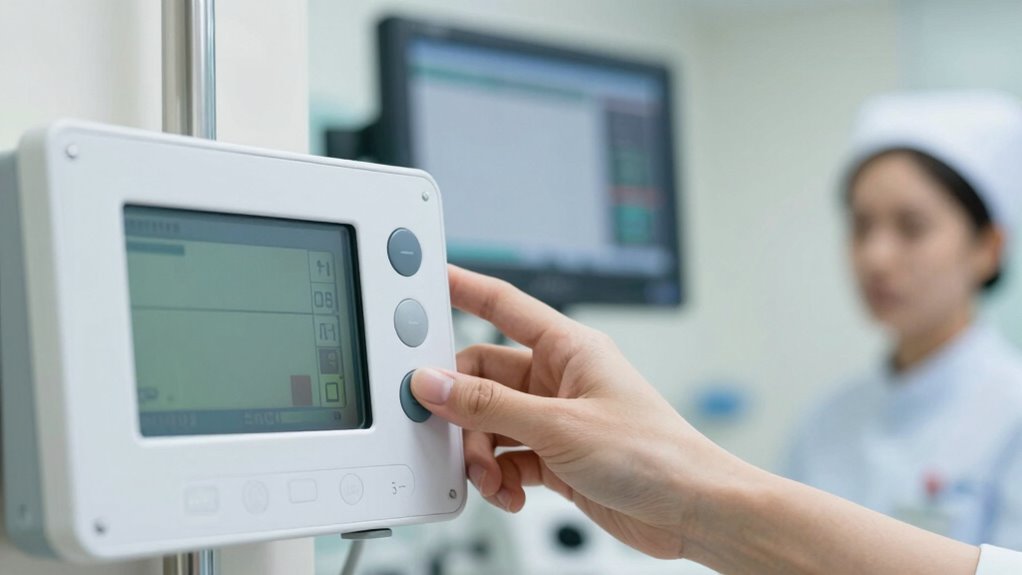

To reduce alarm fatigue without missing real threats, prioritize alarms by distinguishing critical alerts from less urgent ones and set appropriate thresholds based on patient needs. Regular staff training on alarm significance and response protocols helps guarantee you react appropriately. Optimize device settings and use smarter alarm systems to filter unnecessary alerts. Routine reviews and scenario-based training reinforce best practices. Keep your focus on balancing safety with efficiency—continue exploring ways to enhance your alarm management effectively.

Get privacy and security gear delivered free — and shop member deals
- Fast, free delivery on millions of items
- Access to Prime Big Deal Days deals on October 6–7
- Prime Video, Amazon Music and more included
Key Takeaways
- Implement alarm prioritization to distinguish critical alerts from non-urgent notifications effectively.
- Regularly train staff on alarm significance, response protocols, and customization options.
- Utilize smarter device settings and filtering systems to reduce false alarms while maintaining sensitivity.
- Establish routine review and adjustment of alarm parameters based on patient status and guidelines.
- Conduct scenario-based simulations to improve response confidence and prevent missed critical alarms.
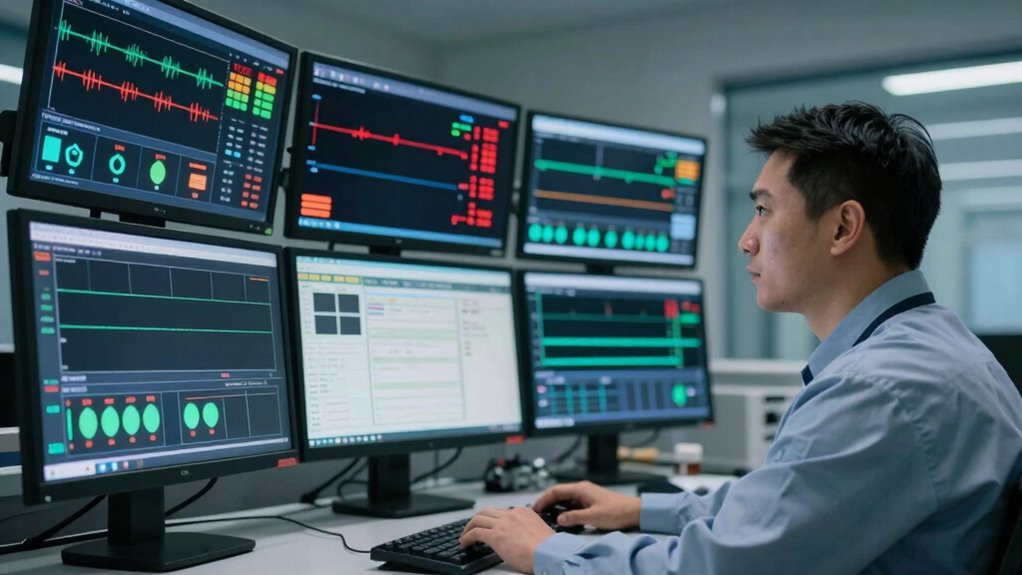
Alarm fatigue is a growing concern in healthcare settings, where constant alerts can overwhelm staff and lead to missed or delayed responses. To combat this, effective alarm prioritization becomes essential. You should develop a system that clearly distinguishes critical alarms from less urgent ones. This involves setting thresholds for alerts based on patient condition and device type, ensuring that only alarms indicating genuine emergencies sound loudly and immediately, while less urgent notifications are quieter or grouped together. When alarms are properly prioritized, you can focus your attention on the most pressing issues without distraction from minor alerts that don’t require immediate action. Implementing alarm management strategies that promote awareness of environmental factors can also help reduce unnecessary alarms and associated fatigue.
Staff training plays a fundamental role in reducing alarm fatigue. You should regularly educate healthcare personnel on the importance of alarm management, how to interpret different alarm sounds, and the appropriate responses for each. Training helps staff recognize which alarms are critical and which can be addressed later, reducing unnecessary responses to non-urgent alerts. It also emphasizes the importance of customizing alarm settings for individual patients when possible, so only relevant alarms trigger at appropriate thresholds. Knowledgeable staff are less likely to become desensitized to alarms or to ignore them altogether, which is essential for patient safety. Additionally, incorporating alert customization into staff education ensures alarms are tailored to individual patient needs, minimizing false or non-essential alerts. Regular review and adjustment of alarm parameters based on clinical guidelines also help maintain alarm effectiveness and reduce fatigue. Incorporating device-specific thresholds can further enhance alarm accuracy and relevance, especially when considering technology integration for smarter alarm filtering.
Incorporating alarm prioritization into your daily routine requires a structured approach. Start by reviewing alarm settings on medical devices periodically, adjusting them based on patient status and clinical guidelines. Implement protocols that define response times for different alarm categories, so your team understands which alerts demand immediate action and which can wait. Encouraging open communication among staff about alarm management fosters a culture where everyone is aware of the importance of appropriate responses. In addition, leveraging technology solutions, like smart alarm systems that filter or consolidate alerts, can support your efforts by reducing the total number of alarms staff need to address.
Your training should also include simulations that mimic real-life scenarios involving alarm management. These exercises help staff develop quick, confident responses to critical alarms while learning to ignore or silence non-urgent notifications. Regular refreshers keep everyone sharp and reinforce best practices. By combining well-structured alarm prioritization protocols with extensive staff training, you create a safer environment where true emergencies receive prompt attention, and staff are less likely to experience alarm fatigue. This balanced approach ensures you don’t miss real threats while minimizing the risk of burnout caused by overwhelming, non-essential alerts.
alarm management system for healthcare
As an affiliate, we earn on qualifying purchases.
As an affiliate, we earn on qualifying purchases.
Frequently Asked Questions
How Can Staff Better Understand Alarm Significance?
You can improve alarm interpretation by providing ongoing staff communication and training focused on alarm significance. Encourage team members to discuss alarm patterns and share insights regularly, which helps develop a deeper understanding of which alarms require urgent action. Implement clear protocols for alarm response, and use visual aids or tools to support alarm interpretation. This way, your staff stays alert to real threats while avoiding unnecessary alarm fatigue.
What Types of Alarms Are Most Commonly False?
You’ll find that most false alarms stem from improper alarm calibration and common false alarm sources like equipment malfunctions or user errors. Regularly checking and calibrating alarms helps prevent unnecessary alerts, while identifying false alarm sources allows you to address specific issues. By focusing on these areas, you reduce false alarm frequency, making genuine threats more noticeable without overwhelming staff with non-essential alerts.
How Does Alarm Prioritization Improve Response Times?
Think of alarm prioritization as a traffic light system, guiding your response to the most critical issues first. By establishing an alarm hierarchy, you can quickly identify high-priority alarms, ensuring you respond promptly to genuine threats. This approach improves response efficiency, preventing you from wasting time on less urgent alarms and helping you focus on what’s most important. Ultimately, it helps you act faster and more effectively in critical situations.
Are There Specific Training Programs for Alarm Management?
Yes, there are specific training programs for alarm management designed to enhance your alarm training and management strategies. These programs teach you how to recognize, respond to, and prioritize alarms effectively, reducing false alarms and alarm fatigue. By participating in these targeted trainings, you gain practical skills to improve response times, guarantee critical alarms aren’t missed, and maintain a safe, efficient environment.
How Often Should Alarm Systems Be Reviewed and Updated?
You should review and update your alarm systems regularly—at least quarterly—to guarantee peak performance. Don’t overlook alarm system calibration during these reviews, as it’s essential for accuracy. Conduct alarm system audits to identify false alarms and areas needing improvement. Regular updates help prevent alarm fatigue, making sure genuine threats trigger alerts without overwhelming your team. Consistent maintenance and reassessment keep alarm systems reliable and aligned with evolving safety standards.
hospital alarm prioritization device
As an affiliate, we earn on qualifying purchases.
As an affiliate, we earn on qualifying purchases.
Conclusion
By staying alert, by setting clear priorities, and by fostering open communication, you can reduce alarm fatigue without missing real threats. Focus on what truly matters, trust your systems, and keep your team engaged. When you balance vigilance with discernment, you create a safer environment for everyone. Remember, managing alarm fatigue isn’t about silence — it’s about smarter awareness, better response, and a safer, more confident you.
smart alarm system for medical devices
As an affiliate, we earn on qualifying purchases.
As an affiliate, we earn on qualifying purchases.
As an affiliate, we earn on qualifying purchases.
Halloween Picks
halloween
As an affiliate, we earn on qualifying purchases.