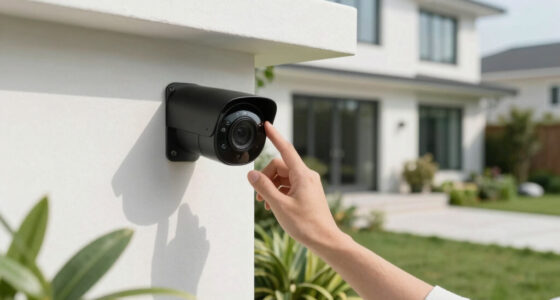
Perimeter protection focuses on stopping threats before they enter your facility, using physical barriers like fences and gates, along with detection systems like sensors and CCTV. Interior protection kicks in once someone is inside, relying on surveillance, alarms, and access controls to detect and respond to unauthorized activity. Both work together to provide a layered security approach, making your space safer. To understand how these protections complement each other, keep exploring the details.

Get privacy and security gear delivered free — and shop member deals
- Fast, free delivery on millions of items
- Access to Prime Big Deal Days deals on October 6–7
- Prime Video, Amazon Music and more included
Key Takeaways
- Perimeter protection prevents unauthorized access at entry points, while interior protection detects and responds to intrusions inside the premises.
- Physical barriers like fences and gates are part of perimeter defense; surveillance and alarms are key to interior security.
- Perimeter systems activate upon breach attempts, whereas interior systems respond to threats detected inside the facility.
- Perimeter security focuses on stopping threats before entry; interior security manages threats within the premises.
- An effective security strategy integrates both perimeter and interior measures for comprehensive protection.
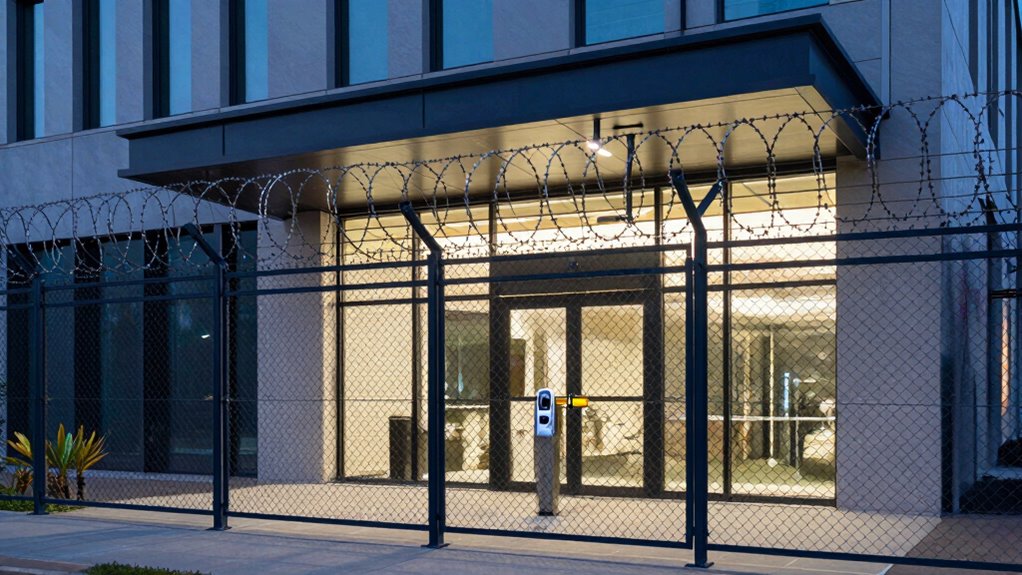
Are you unsure about the key differences between perimeter and interior protection? Understanding these distinctions is essential for creating an effective security system. Perimeter protection acts as your first line of defense, focusing on preventing unauthorized access before anyone gets inside. It typically involves physical barriers like fences, gates, and walls, combined with access control systems that regulate who can enter. Access control plays a significant role here because it guarantees only authorized individuals can pass through entry points. This might include security badges, biometric scanners, or keypad locks that verify identities and restrict access to sensitive areas. When someone attempts to breach the perimeter, intrusion detection systems are activated, alerting security personnel immediately. These systems can include motion sensors, infrared beams, or CCTV cameras that monitor for unusual activity, helping you spot potential threats early. Additionally, implementing security protocols ensures that all perimeter defenses are consistently maintained and effective. Regular maintenance and updates to these systems are crucial for addressing new threats and vulnerabilities. Incorporating threat assessment into your security planning can help identify specific risks and tailor your defenses accordingly.
Once someone manages to penetrate the perimeter, interior protection kicks in to secure the inside of your facility. Here, the focus shifts from preventing entry to detecting and responding to intrusions within your premises. Interior security measures include surveillance cameras, alarm systems, and security personnel who continuously monitor the environment. Intrusion detection is essential at this stage because it alerts you to unauthorized movement or activity inside the protected area. This way, you can respond swiftly to any breach before it causes significant damage. Interior protection also involves access control within the building, such as electronic locks on sensitive rooms or areas requiring additional authorization. These measures help contain threats inside, preventing them from escalating or accessing critical assets. Understanding the security layers reinforces the importance of both perimeter and interior protections working cohesively. Maintaining an integrated approach, including technology integration, can greatly enhance your overall security effectiveness.
perimeter security fence with sensors
As an affiliate, we earn on qualifying purchases.
As an affiliate, we earn on qualifying purchases.
Frequently Asked Questions
What Equipment Is Typically Used for Perimeter Protection?
You typically use intrusion detection systems like motion sensors, surveillance cameras, and alarm systems for perimeter protection. Barrier materials, such as fencing, bollards, or walls, physically block unauthorized access. These tools work together to alert you of intrusions and prevent entry, creating a layered defense. By combining intrusion detection with sturdy barrier materials, you enhance security and reduce the risk of breaches along your perimeter.
How Often Should Interior Protection Systems Be Inspected?
You should inspect interior protection systems at least quarterly to guarantee they’re functioning properly. Regular inspections help identify issues early and allow for necessary accessory upgrades or maintenance. By adhering to consistent maintenance schedules, you reduce the risk of system failure during critical moments. Keep a detailed record of inspections and upgrades, so you stay on top of any needed improvements and maintain ideal security for your property.
Can Perimeter and Interior Protections Be Integrated?
Yes, you can integrate perimeter and interior protections by implementing access control and security zoning. This approach allows you to create multiple layers of security, ensuring that only authorized personnel access sensitive areas. By clearly defining zones and integrating alarms, cameras, and access controls, you enhance overall security. This seamless integration provides all-encompassing protection, making it easier to monitor and respond to potential threats effectively.
What Are the Costs Associated With Each Protection Type?
Oh, the joy of choosing between costly options! Perimeter protection costs typically include installation of fences, alarms, and surveillance cameras, with maintenance expenses adding up over time. Interior protection involves security systems, safes, and access controls, often with higher initial costs but potentially lower ongoing expenses. A thorough cost comparison reveals that perimeter setups may be pricier upfront, while interior protection demands consistent upkeep—making your budget the real security test.
How Do Weather Conditions Affect Perimeter Security?
Weather conditions substantially impact perimeter security, as extreme weather like storms, snow, or heavy rain can weaken barriers or trigger false alarms. Climate considerations become vital when designing and maintaining your security system; for instance, cold weather might cause equipment to freeze or malfunction, while high winds can damage fencing. Regular maintenance and weather-resistant materials help guarantee your perimeter remains effective regardless of changing weather, minimizing vulnerabilities.
As an affiliate, we earn on qualifying purchases.
Conclusion
So, now you know the difference between perimeter and interior protection—you’re basically armed with the secret weapons against any threat! Ignore one, and you risk inviting chaos through the tiniest gap or the tiniest breach. It’s like building a fortress with a moat but leaving the front gate wide open. Protect your territory like a superhero, or face the wild chaos of vulnerabilities. Don’t just defend—over-guard! Your safety depends on it!
As an affiliate, we earn on qualifying purchases.
As an affiliate, we earn on qualifying purchases.
Halloween Picks
halloween
As an affiliate, we earn on qualifying purchases.