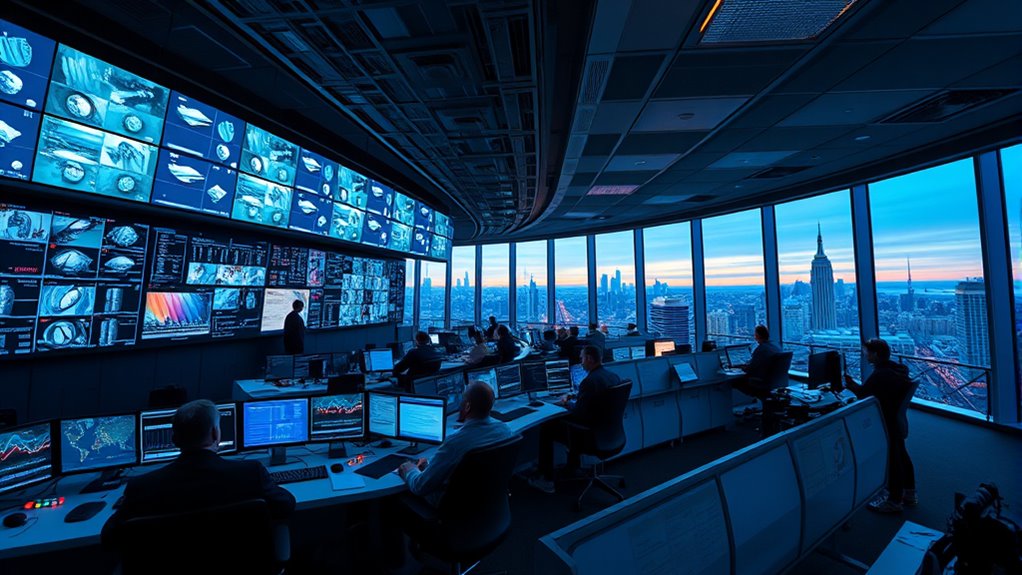

Central station monitoring involves professional operators watching your security system 24/7, evaluating alarms, and dispatching emergency responders when needed. Costs vary based on the scope of services, response times, and alarm types, with contracts outlining these details clearly. This process guarantees quick, verified responses that help prevent theft, fire, or harm, providing peace of mind. If you’d like to learn more about how this system works and its associated costs, continue to explore this topic.
Key Takeaways
- Central station monitoring provides 24/7 professional oversight, verifying alarms and coordinating emergency responses to protect property and safety.
- Monitoring contracts specify service scope, response times, costs, and procedures, helping clients evaluate value and reliability.
- Operators follow established protocols, attempting to contact property owners before dispatching emergency services to reduce false alarms.
- Response times are typically within minutes, with structured verification processes ensuring prompt and appropriate dispatch of authorities.
- Costs vary based on service levels and response times, and understanding these helps in budgeting for effective security coverage.
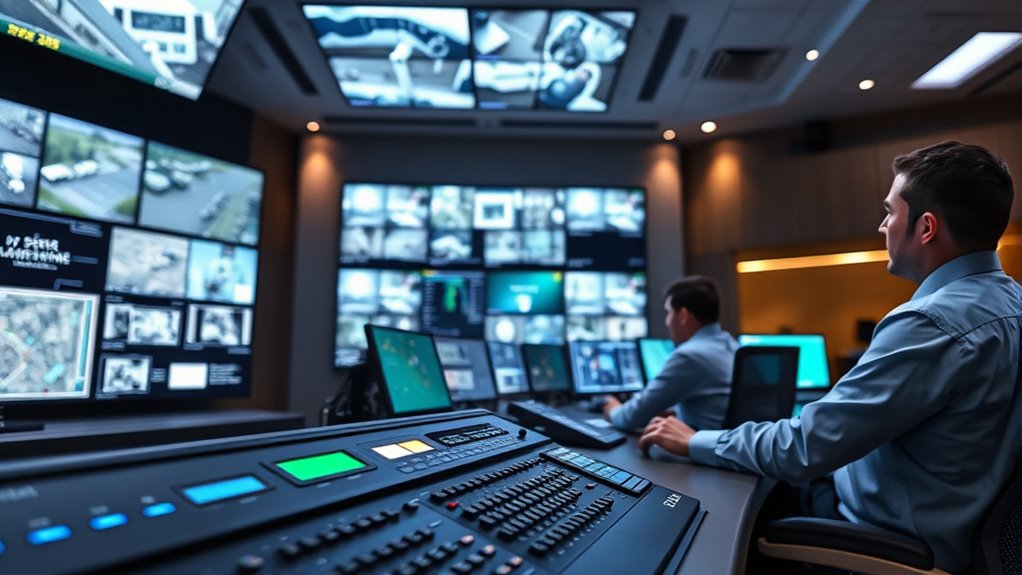
Central station monitoring plays an essential role in protecting your property by providing professional oversight of your security systems. When an alarm is triggered, trained operators at the monitoring center quickly assess the situation, ensuring a prompt alarm response. This rapid reaction can be critical in preventing theft, vandalism, or even personal harm. Instead of relying solely on alarms that sound locally and may be ignored or unnoticed, central station monitoring offers an extra layer of security through constant vigilance. These monitoring centers are staffed 24/7, so no matter the time of day or night, someone is always available to respond to your alarm signals.
To get started, you typically sign monitoring contracts that outline the scope of services, response times, and costs. These contracts are essential because they define what’s included in your monitoring plan and help you understand the commitments involved. When you choose a monitoring service, the contract usually specifies how quickly the monitoring center will respond to different types of alarms, such as intrusion, fire, or medical emergencies. This clarity ensures you know what to expect and can evaluate whether the service fits your security needs. Monitoring contracts also often include details about the process for verifying alarms, such as cross-checking with security personnel or authorities before dispatching emergency responders. This step helps prevent false alarms from causing unnecessary responses, which can be costly and disruptive.
Alarm response is a critical part of central station monitoring. When an alarm is received, operators don’t just listen; they follow established protocols. They may attempt to contact you or designated contacts first to verify if there’s an emergency. If they can’t reach you or if the situation warrants it, they notify local police, fire, or medical services immediately. This professional response can markedly reduce damage or danger since emergency responders are dispatched quickly, often within minutes. Your monitoring contract might also specify the levels of response, such as standard or priority, depending on the severity of the alarm signal. This structured approach ensures you get timely assistance when it matters most. Additionally, understanding the typical cost structure associated with monitoring services can help you budget effectively for comprehensive safety coverage.
In short, central station monitoring offers peace of mind through professional oversight, rapid alarm response, and clear contractual agreements. It’s an investment in your safety that guarantees trained experts are watching over your property around the clock, ready to act swiftly in the face of emergencies. By understanding how monitoring contracts work and the importance of alarm response, you can make informed decisions that best protect your home or business.
central station security monitoring service
As an affiliate, we earn on qualifying purchases.
As an affiliate, we earn on qualifying purchases.
Frequently Asked Questions
How Does Central Station Monitoring Differ From Local Alarm Systems?
Central station monitoring differs from local alarm systems because it offers remote monitoring, meaning trained operators keep an eye on your security 24/7. When an alarm triggers, they verify the threat and coordinate alarm dispatch if needed, providing faster response times. Unlike local systems, which rely on audible alerts or neighbors, central monitoring guarantees professional oversight and immediate action, giving you peace of mind knowing your property is protected around the clock.
What Types of Notifications Are Sent During an Alarm Event?
You might worry about missing critical alerts, but with central station monitoring, alarm notifications are sent instantly during an alarm event. These notifications follow strict alert protocols, ensuring you receive alerts via phone calls, text messages, or emails, depending on your preferences. This rapid and reliable communication keeps you informed and allows prompt action, giving you peace of mind knowing you’re always promptly notified of any security breaches.
Can Central Station Monitoring Be Integrated With Smart Home Devices?
Yes, central station monitoring can be integrated with smart home devices. You’ll want to guarantee your system supports smart home integration and device compatibility. When you link your alarm system with smart home devices, you can control and monitor everything remotely, receive alerts, and automate actions seamlessly. This integration enhances your security setup, making it more efficient and convenient, as you can manage alarms, lights, locks, and more from a single platform.
What Are the Typical Response Times for Central Station Notifications?
Think of alarm response times as the heartbeat of security; they typically range from 30 seconds to a few minutes, depending on your provider and system. During notification procedures, your central station acts swiftly, like a well-oiled machine, ensuring emergency responders are dispatched promptly. Your alarm’s alert signals travel through this process seamlessly, aiming to keep you safe with rapid response times that can make all the difference in critical moments.
How Secure Is the Communication Between the Alarm System and the Monitoring Center?
You can trust that the communication between your alarm system and the monitoring center is highly secure. They use advanced encryption protocols to protect your data privacy, ensuring that all transmitted information remains confidential and safe from hacking or interception. These protocols create a secure channel, making it extremely difficult for unauthorized parties to access your alarm signals, giving you peace of mind that your home or business stays protected.
24/7 professional alarm monitoring system
As an affiliate, we earn on qualifying purchases.
As an affiliate, we earn on qualifying purchases.
Conclusion
In conclusion, central station monitoring offers reliable security with quick response times, making it worth the investment. Did you know that businesses with monitored systems reduce burglary chances by 60%? This statistic highlights how essential professional monitoring is for protecting your property. By understanding the process and costs, you can make informed decisions that enhance your security setup and provide peace of mind. Investing in central station monitoring truly pays off in safety and savings.
fire and intrusion alarm monitoring contract
As an affiliate, we earn on qualifying purchases.
As an affiliate, we earn on qualifying purchases.
emergency response monitoring service
As an affiliate, we earn on qualifying purchases.
As an affiliate, we earn on qualifying purchases.