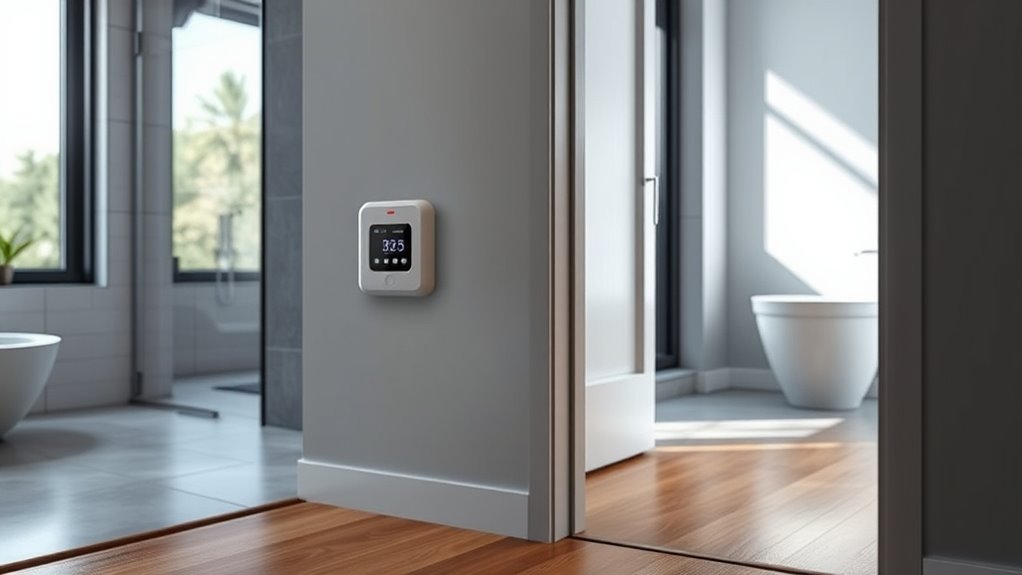

Integrating flood and leak sensors into your home security system allows you to get instant alerts and automated responses that protect your property from water damage. These sensors connect seamlessly through Wi-Fi and can trigger alarms, shut off water supplies automatically, and send notifications to your device. This proactive approach helps prevent costly repairs, conserve water, and keeps your home safe whether you’re home or away. To discover how to set up these smart solutions effectively, keep exploring the options available.
Listen free for 30 days with Audible
Thousands of audiobooks and originals — cancel anytime.
As an affiliate, we earn on qualifying purchases.
Key Takeaways
- Connect flood and leak sensors to your existing smart home system for seamless monitoring and alerts.
- Use Wi-Fi-enabled sensors to receive real-time notifications on your smartphone or connected devices.
- Integrate sensors with smart water shutoff valves for automatic leak response and damage prevention.
- Schedule and customize alerts based on sensor activity to enhance home safety and efficiency.
- Consider professional installation for optimal sensor coverage and reliable integration into your security setup.
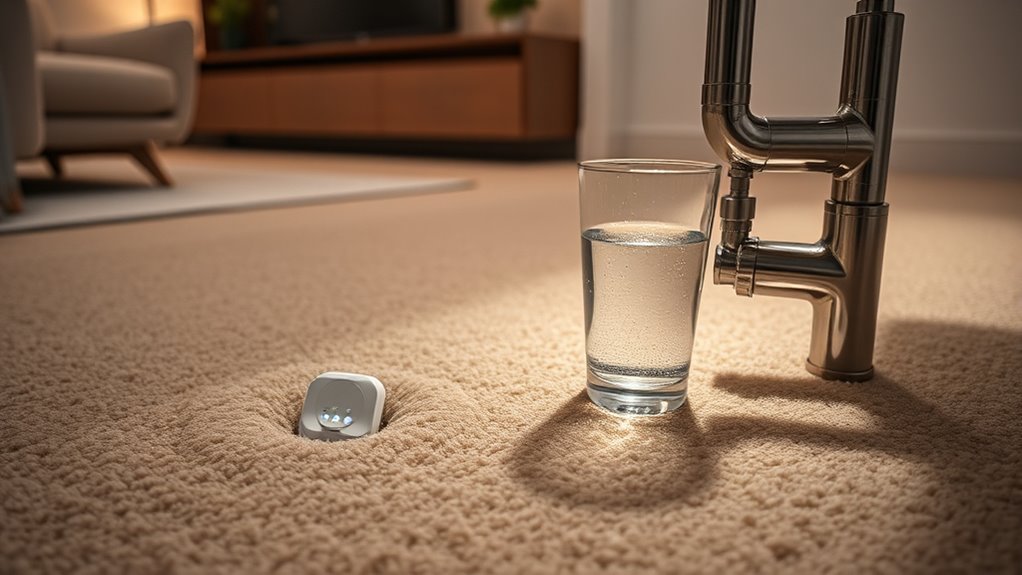
Flood and leak sensors play a crucial role in home security by alerting you to water issues before they cause significant damage. When integrated properly, these sensors become a seamless part of your smart home automation system, providing peace of mind and reducing the risk of costly repairs. By detecting leaks early, you can respond quickly, preventing water from seeping into walls, floors, or valuable possessions. This proactive approach not only protects your property but also enhances your home’s overall safety.
Flood and leak sensors protect your home by alerting you early, preventing costly water damage and enhancing safety.
Adding flood and leak sensors into your smart home setup is straightforward and highly beneficial. These sensors can be connected to your home’s Wi-Fi network, allowing real-time alerts directly to your smartphone or connected devices. Whether you’re at home or away, you’ll receive immediate notifications if a leak is detected, enabling you to act swiftly. This instant communication minimizes water damage and helps you coordinate repairs without delay. Furthermore, integrating these sensors with other smart devices, such as smart water shutoff valves, enables automated responses—shutting off the water supply when a leak is detected—further safeguarding your property.
Beyond damage prevention, flood and leak sensors contribute to your home’s energy efficiency. Leaks often lead to wasted water, which not only increases your utility bills but also strains local water resources. Early detection stops leaks from running unnoticed, ensuring you use water responsibly. Additionally, these sensors can be configured to work with your smart home’s climate control systems, helping optimize humidity levels and prevent issues like mold growth, which can occur in damp environments. This integration helps maintain a healthier, more energy-efficient home environment.
Incorporating flood and leak sensors into your smart home isn’t just about damage control; it’s about creating a smarter, more responsive living space. When these sensors communicate with your home automation system, they enhance your ability to monitor and control water-related issues remotely. You can set schedules, receive alerts, or trigger automated actions based on sensor activity, making your home more resilient and efficient. This synergy between water safety and energy management saves you money and reduces your ecological footprint. Additionally, choosing systems that are compatible with professional installation options can ensure optimal performance and coverage for your specific property needs.
As an affiliate, we earn on qualifying purchases.
Frequently Asked Questions
How Do Flood Sensors Communicate With Home Security Systems?
Flood sensors communicate with your home security system through wireless connectivity, allowing seamless sensor integration. When the sensor detects water, it sends an alert via Wi-Fi or Z-Wave to your hub or app. This instant communication triggers alarms or notifications, so you can act quickly. With wireless connectivity, you don’t need complicated wiring, making installation simple and ensuring your flood sensors work effectively as part of your overall security system.
Are Leak Sensors Compatible With Existing Smart Home Devices?
Yes, leak sensors are compatible with your existing smart home devices. They seamlessly integrate through common protocols like Zigbee, Z-Wave, or Wi-Fi, guaranteeing easy smart home integration. You can connect leak sensors to your security system, automate alerts, and trigger other devices, making your home smarter and safer. Check your sensor’s compatibility details to confirm smooth integration and maximize the benefits of a connected, proactive home security system.
What Is the Typical Lifespan of Flood and Leak Sensors?
Flood and leak sensors typically last around 3 to 5 years, but proper sensor maintenance and strategic sensor placement can extend their lifespan. You should regularly check the sensors for any signs of wear or malfunction and replace batteries promptly. Proper placement ensures accurate detection and reduces false alarms. Keep in mind that environmental factors and usage frequency also influence how long your sensors remain dependable.
Can Sensors Detect Slow Leaks or Only Sudden Floods?
Like a vigilant guardian watching over your home’s heartbeat, your flood sensor’s sensitivity detects both sudden floods and slow leaks. It’s designed for slow leak detection, sensing gradual water accumulation before damage occurs. While sudden floods trigger immediate alerts, careful calibration ensures the sensor can catch slow leaks early. Trust your sensors’ symbolism—an ever-watchful eye, safeguarding your home from both swift surges and creeping drips.
How Much Do Flood and Leak Sensors Typically Cost?
Flood and leak sensors typically cost between $20 and $50 each. While installation challenges are minimal, you might need to calibrate sensors to guarantee accuracy, especially if you have uneven surfaces or complex layouts. Proper placement is key to detecting slow leaks or sudden floods effectively. Investing in quality sensors ensures reliable alerts, giving you peace of mind without breaking the bank.
smart water leak detector with app alerts
As an affiliate, we earn on qualifying purchases.
As an affiliate, we earn on qualifying purchases.
Conclusion
By integrating flood and leak sensors into your home security, you create a vigilant shield that watches over your space like a silent guardian. Imagine waking up to the gentle glow of alerts, the sensors quietly monitoring every pipe and corner, ready to spring into action if trouble arises. With this added layer of protection, your home becomes a fortress of peace, where peace of mind flows as freely as the water you’re safeguarding against.
automatic water shutoff valve for leaks
As an affiliate, we earn on qualifying purchases.
As an affiliate, we earn on qualifying purchases.
As an affiliate, we earn on qualifying purchases.
Flea & tick season Picks
flea and tick prevention
As an affiliate, we earn on qualifying purchases.