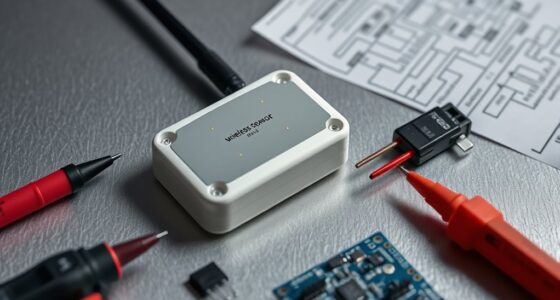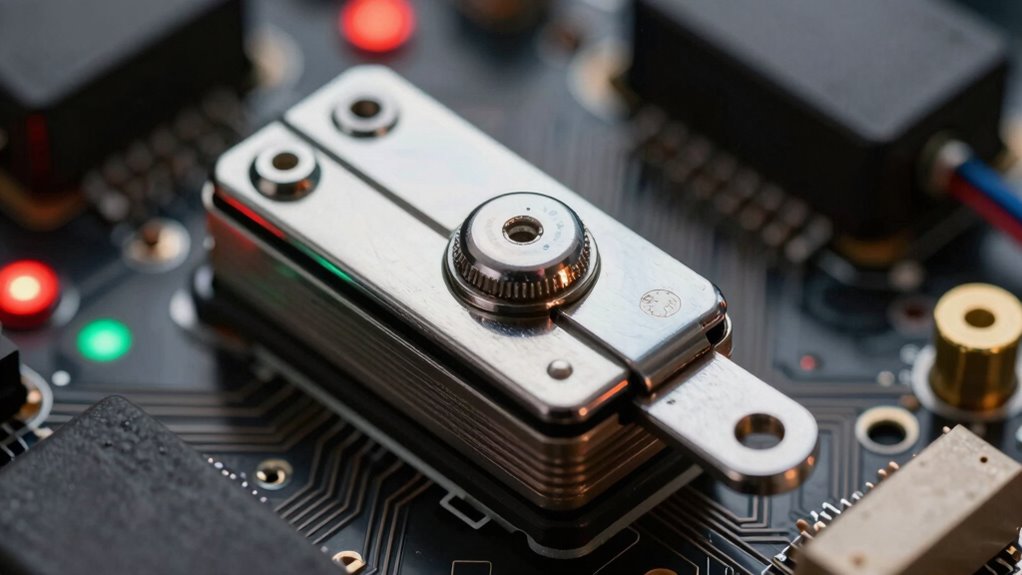

A tamper switch test shows if your sensors are being messed with by checking for physical or electronic tampering signs. When you activate or inspect your sensors, the test verifies if the tamper switches detect any forced movement or interference. If the system triggers alerts or alarms during the test, tampering may be occurring. To get a clear picture of how this works and how to perform these tests, keep exploring for detailed steps and tips.
Key Takeaways
- Physically activate the tamper switch and observe if the system detects and signals the change immediately.
- Check for consistent sensor responses during tamper switch testing to confirm proper detection.
- Review system logs for recent alerts or irregular activity indicating tampering attempts.
- Look for signs of physical damage or repositioning of sensors and switches during inspection.
- Ensure tamper switches are properly wired and configured, and test multiple times for reliable detection.
As an affiliate, we earn on qualifying purchases.
What Is a Tamper Switch and Why Is It Important?

Have you ever wondered how security systems detect unauthorized access? A tamper switch plays an essential role in this process. It’s a small device integrated with your alarm system wiring to alert you if someone tries to tamper with your sensors. Proper sensor calibration guarantees that the system accurately detects genuine threats, but tamper switches add an extra layer of security by signaling if the sensors are disturbed. When someone attempts to disable or move sensors, the tamper switch triggers an alert, preventing unauthorized access. Without it, malicious individuals could disable the system unnoticed. This makes tamper switches indispensable for maintaining the integrity of your security setup, ensuring you’re promptly notified of any tampering attempts and keeping your property protected. Additionally, understanding the roles of wave and wind in sensor detection can help optimize your security system’s effectiveness. Recognizing sensor sensitivity adjustments can further improve detection accuracy and reduce false alarms. Moreover, the contrast ratio of your sensors can influence their ability to detect tampering in different lighting conditions. Knowing how energy efficiency impacts sensor performance can also contribute to a more sustainable security system. Incorporating sensor placement best practices can further enhance tamper detection accuracy and system reliability.
security sensor tamper detection device
As an affiliate, we earn on qualifying purchases.
As an affiliate, we earn on qualifying purchases.
How Can You Tell If Your Sensors Have Been Tampered With?

Wondering how to tell if your sensors have been tampered with? One key indicator is irregularities in sensor calibration. If your system suddenly shows inconsistent readings or requires frequent recalibration, it could be a sign someone has tampered with it. Also, check your system firmware for unauthorized updates or changes, as tampering might involve altering the firmware to bypass security features. Regularly review calibration logs and firmware versions to spot any discrepancies. Additionally, look for physical signs of tampering, such as damaged or repositioned sensors. Maintaining strict control over calibration procedures and firmware updates helps ensure your sensors haven’t been compromised. Ensuring your sensor calibration procedures are properly documented and followed can further reduce vulnerabilities. Being familiar with sensor integrity checks can further enhance your ability to identify tampering early. Implementing security protocols for sensor access can also prevent unauthorized modifications and maintain system integrity. Staying vigilant with these checks can alert you to potential tampering before it causes serious security issues. Proper air purifier maintenance and monitoring can also help detect unusual activity related to sensor performance.
As an affiliate, we earn on qualifying purchases.
How Do Tamper Switch Tests Detect Tampering?
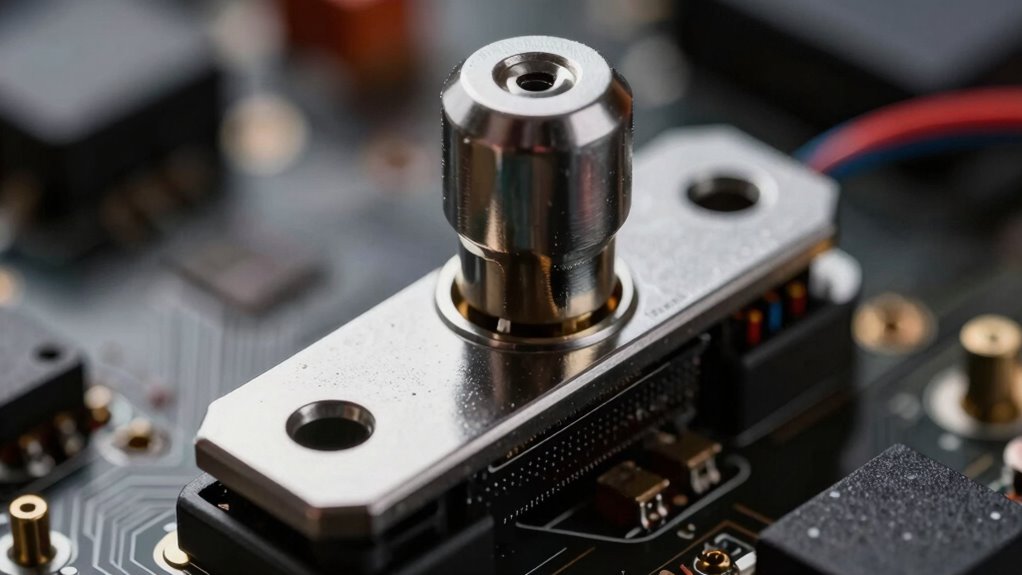
Tamper switch tests detect tampering by actively monitoring the status of physical switches designed to trigger alerts when unauthorized access occurs. These switches are integrated into sensors and connected to alarm systems, providing real-time detection. When someone tampers with a sensor, the switch changes state, immediately alerting the system. Modern tamper switches often incorporate sensor encryption to prevent hacking or bypassing, ensuring the signals remain secure. This encryption protects against false alarms caused by malicious interference. Alarm integration is vital because it allows instant notification to security personnel or monitoring stations, enabling quick response. By continuously verifying the switch’s status, tamper switch tests effectively reveal attempts to disable or manipulate sensors, maintaining the integrity of your security system. Additionally, security protocols can be implemented to bolster overall system resilience against tampering attempts, ensuring comprehensive protection. Incorporating tamper detection systems enhances the reliability of security measures by providing multiple layers of verification. Maintaining a robust security infrastructure is essential for preventing sophisticated tampering tactics and ensuring system integrity.
security system firmware check tool
As an affiliate, we earn on qualifying purchases.
As an affiliate, we earn on qualifying purchases.
How to Perform a Tamper Switch Test Step-by-Step
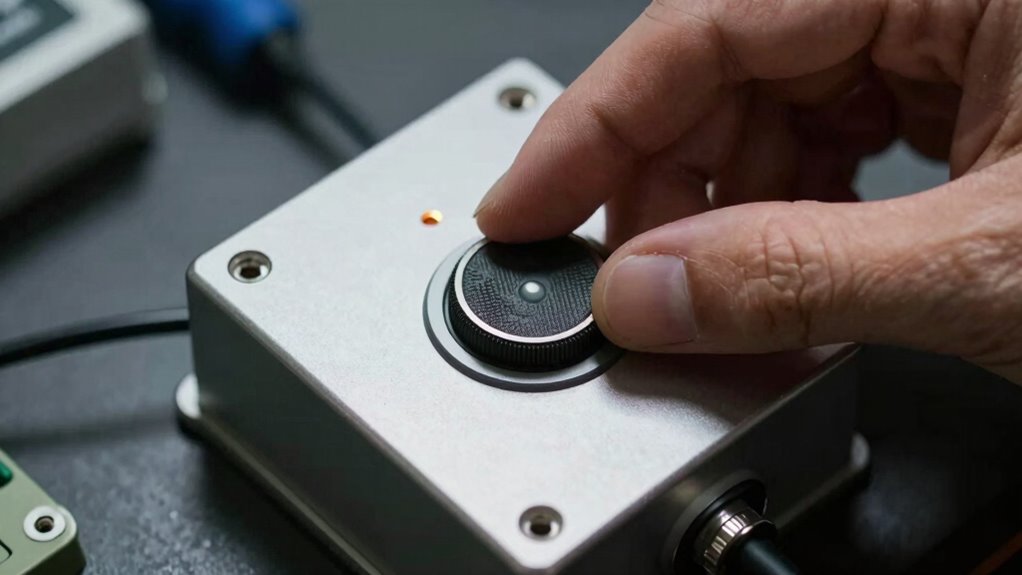
To perform a tamper switch test, start by gathering the necessary tools to guarantee you’re prepared. Next, locate the tamper switches on your device or system, so you know exactly where to test. Additionally, understanding the security mechanisms of your device can help you interpret the results more effectively. Familiarizing yourself with tamper detection features can enhance your ability to identify potential security breaches. Knowing how sensor responses work can improve your troubleshooting accuracy. You should also review the wiring basics relevant to your system to ensure proper connections during testing. Finally, activate the sensor to confirm it responds correctly, indicating the switch functions properly. Ensuring device security is crucial for maintaining the integrity of your smart home system.
Gather Necessary Tools
Before you begin testing the tamper switch, gather all the necessary tools to guarantee the process goes smoothly. You’ll need a screwdriver to access the sensor and a multimeter to check for proper sensor calibration. If your system integrates with an alarm, ensure it’s powered on and functioning correctly. Having a clean cloth or brush can help remove dust or debris that might interfere with the sensor. Double-check that your alarm panel is compatible with the tamper switch and ready for testing. Recording your findings during the process can help identify potential issues later. Familiarize yourself with the affiliate disclosure to understand how your purchases support the site. Understanding sensor security can help you better interpret the test results. It’s also helpful to review the transfer switch setup to ensure your backup power system is properly integrated with security sensors. Additionally, verifying the water resistance of the sensors can prevent false alarms caused by environmental factors. Knowing the tamper switch mechanism can also assist in diagnosing problems more effectively. By preparing these tools beforehand, you streamline the test and ensure accurate results, reducing the risk of false alarms or sensor manipulation.
Locate Tamper Switches
Locating the tamper switches is a crucial first step in testing your security system. These switches are often hidden near sensors or alarm components, so knowing where to look is essential. To find them, check areas with sensor placement like door frames, window edges, and control panels. Remember, tamper switches are designed to alert you if someone tries to disable or remove sensors, so they’re integrated into the alarm system for maximum security. Additionally, understanding caregiver safety protocols can help ensure your own security while inspecting these components. Here are some tips to help you locate them:
- Look for small, recessed buttons or switches near sensors or wiring.
- Follow wiring paths from sensors to the control panel.
- Consult your system’s manual for specific tamper switch locations and alarm integration points.
- Ensuring proper installation techniques can prevent tampering and false alarms, which is a key aspect of effective security.
Test Sensor Activation
Performing a tamper switch test involves actively verifying that the system detects when a switch is triggered. Begin by gently activating the sensor to ensure it responds correctly. If needed, check sensor calibration to confirm the switch is properly aligned and sensitive enough. Once activated, observe the system’s response, such as an alert or alarm, indicating successful detection. If the system doesn’t respond, verify proper system integration, ensuring the switch is correctly wired and configured within the broader security setup. Repeat this process multiple times to confirm consistent performance. Proper sensor calibration helps avoid false triggers, while thorough system integration guarantees the tamper switch communicates effectively with your security system, ensuring reliable tamper detection at all times.
What To Do If the Test Fails or Shows Tampering

If the tamper switch test fails or indicates tampering, it is crucial to act quickly to protect your security system. A false alarm could signal security breaches or compromised sensors, so don’t ignore the alert. Take these steps immediately:
- Check for obvious signs of tampering or damage to the sensor.
- Recalibrate the sensor to ensure accurate readings and eliminate false alarms.
- Review recent activity logs to identify suspicious behavior or attempted interference.
Addressing issues promptly helps prevent security breaches and restores sensor reliability. Remember, a failed test may be due to miscalibration or external interference, not just malicious tampering. Stay vigilant, and make certain your system’s sensors are properly calibrated to avoid false alarms and maintain security integrity.
How to Prevent Sensor Tampering and Keep Your System Secure
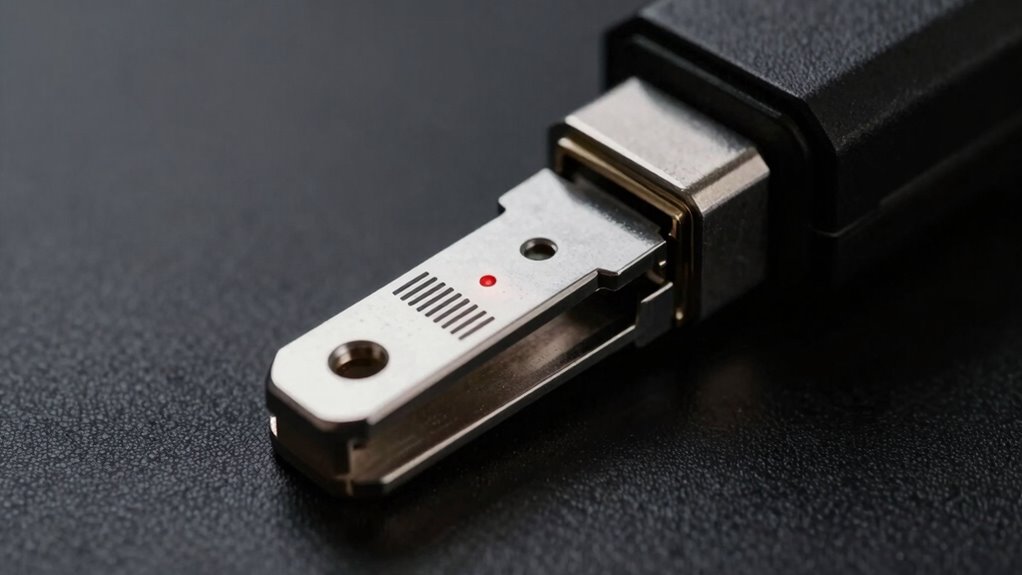
To keep your security system reliable, implementing measures to prevent sensor tampering is essential. Start by ensuring your sensors utilize sensor encryption, which protects data from interception or manipulation. Regularly check and update your alarm calibration to maintain accurate detection and reduce false alarms that could signal tampering attempts. Secure sensor wiring and mounting points to make tampering physically difficult. Use tamper-resistant enclosures or covers to deter interference. Implement password protection for your system’s settings to prevent unauthorized changes. Additionally, consider integrating sensors with tamper detection features that alert you immediately if interference is detected. By combining sensor encryption, proper alarm calibration, and physical security measures, you substantially lower the risk of tampering and keep your system functioning reliably.
When to Call a Professional for Advanced Tamper Detection

While basic tamper detection features can handle many security concerns, there are times when enlisting a professional becomes necessary. If you notice persistent false alarms, inconsistent sensor calibration, or suspect interference with your alarm system wiring, it’s time to call in an expert. Professionals can accurately diagnose issues that simple tests can’t resolve, ensuring your system functions reliably. They can perform advanced sensor calibration to optimize performance and inspect wiring connections for tampering or damage. Additionally, experts have the tools to detect sophisticated tampering methods that might bypass basic safeguards. Don’t ignore signs of system compromise—professional help ensures your security remains intact.
When alarm issues persist, professional inspection ensures reliable security and detects advanced tampering techniques.
- Diagnosing complex sensor calibration issues
- Rewiring or repairing alarm system wiring
- Detecting subtle tampering techniques
Frequently Asked Questions
What Types of Sensors Most Commonly Have Tamper Switches?
You’ll find tamper switches most commonly on security sensors like door/window contacts, motion detectors, and glass break sensors. These tamper switch types are designed to trigger alarms if someone tries to disable or move the sensor. Proper sensor placement is key to effective security, so verify tamper switches are installed correctly. This way, you get real-time alerts, keeping your system protected against tampering or sabotage.
Can Tamper Switches Be Disabled or Bypassed?
Tamper switches can sometimes be disabled or bypassed, but it’s risky for your sensor security. If someone knows how to manipulate switch installation or disconnect the switch, they might disable it, compromising your system. To prevent this, guarantee tamper switches are securely installed and protected. Regularly test sensor security to catch any tampering early, and consider tamper-resistant switches for added protection.
How Often Should Tamper Switch Tests Be Performed?
You should perform tamper switch tests at least once a month, as studies show consistent checks reduce false alarms by 30%. Regular testing guarantees your security protocols stay effective and helps identify sensor calibration issues early. By routinely verifying the tamper switches, you prevent potential bypasses and maintain the integrity of your security system. Keep a schedule to stay ahead of any tampering attempts and ensure your sensors are always reliable.
Are There False Alarms Associated With Tamper Switch Testing?
Yes, false alarms can happen during tamper switch testing. If you don’t calibrate your sensors properly, it can lead to alarm false positives, making it seem like tampering occurs when it doesn’t. Regular sensor calibration helps guarantee accurate readings and minimizes false alarms. Always follow proper testing procedures and maintain your sensors to prevent unnecessary alerts and keep your security system reliable.
What Are the Signs of a Faulty Tamper Switch?
Did you know that 15% of alarm system failures are caused by faulty tamper switches? When you notice frequent false alarms or inconsistent sensor calibration, it’s a sign that your tamper switch might be defective. You should also perform alarm confirmation tests regularly. If the switch doesn’t reset properly or triggers unexpectedly, replace it promptly to ensure your security system functions reliably and avoids unnecessary disruptions.
Conclusion
Just like a watchful guardian guarding Pandora’s box, a tamper switch keeps your sensors safe from meddling hands. Regular tests act as your shield, revealing any sneaky attempts before they cause trouble. Stay vigilant, perform checks often, and don’t hesitate to call in pros when needed. Remember, in the domain of security, it’s better to catch a thief early than regret Pandora’s box opening. Keep your system secure and sleep peacefully.