

Weak alarm naming conventions silently increase operational risks by making it harder for you to quickly identify and prioritize alerts. Vague or inconsistent labels cause delays, misjudgments, and even ignored critical issues, which can lead to longer downtimes and safety hazards. Over time, trust in your alarm system diminishes, escalating hidden costs. Continuing with poor naming standards risks your system’s effectiveness—there’s valuable insight waiting for you to uncover to protect your operations better.
Key Takeaways
- Weak alarm naming leads to misinterpretation, causing delayed responses and increased operational risks.
- Inconsistent labels erode trust, resulting in ignored or overlooked critical alarms.
- Poor naming conventions hinder automation, increasing manual effort and operational inefficiencies.
- Ambiguous alarm labels contribute to longer downtimes and safety hazards during emergencies.
- The hidden costs include higher maintenance, training delays, and compromised system reliability.
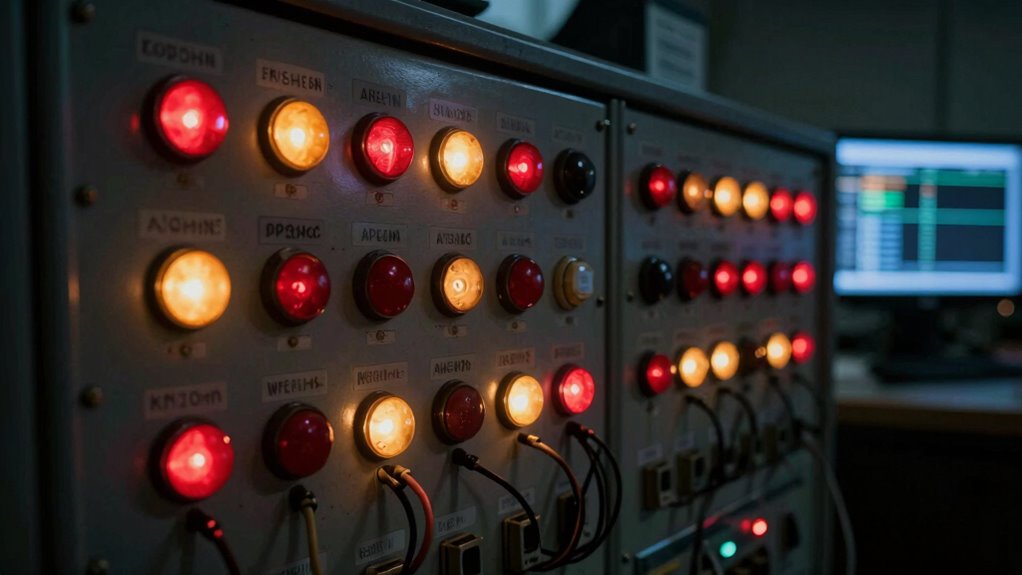
Have you ever considered how poorly named alarms can silently undermine your entire alert system? It’s easy to overlook the impact of alarm naming conventions, but they play an essential role in how effectively your team responds during critical moments. When alarms lack clear, standardized names, alarm prioritization becomes difficult, leading to delays or misjudgments that can escalate issues. If you don’t implement a consistent naming standardization process, alarms may be misclassified or overlooked because their names don’t clearly convey urgency or context. This confusion hampers your ability to respond swiftly, especially when multiple alarms fire simultaneously.
Alarm prioritization is at the core of a reliable alert system. When alarms are labeled inconsistently or vaguely, it’s challenging to determine which alerts demand immediate action versus those that can wait. Without precise, standardized naming, your team wastes valuable time deciphering what each alarm means, especially in high-pressure situations. Clear, well-structured alarm names ensure that everyone understands the severity at a glance—whether it’s a critical failure, a warning, or informational notice. This clarity streamlines decision-making, enabling faster responses and reducing the risk of overlooking significant issues. Additionally, consistent naming conventions help prevent alarm fatigue by reducing unnecessary alerts and making critical alarms stand out more distinctly.
Naming standardization isn’t just about making alarms look neat; it’s about establishing a universal language across your entire system. When everyone uses the same conventions—such as including the system component, the nature of the fault, and the urgency level—you eliminate ambiguity. This consistency helps new team members learn the system faster and reduces errors caused by misinterpretation. It also makes it easier to automate alarm management, as standardized names can be easily categorized, filtered, and prioritized by your monitoring tools. Moreover, standardized naming can improve system diagnostics by providing more meaningful contextual information at a glance. Additionally, having a well-defined naming standard can facilitate training for new staff, ensuring everyone understands the alarm system quickly and accurately.
Failing to standardize alarm naming can lead to a cascade of problems. You might find yourself chasing false alarms or ignoring critical alerts because their names aren’t intuitive. Over time, this erodes trust in your alarm system and can cause complacency. The hidden costs accumulate—longer downtimes, increased operational risk, and even safety hazards. By investing in a robust naming standardization process, you’re not just tidying up your alarm system; you’re reinforcing an indispensable safety net that protects your entire operation. Prioritization and clear naming aren’t luxuries—they’re essentials for an effective, responsive alert system. Proper alarm naming conventions are crucial for maintaining system reliability and operational safety.

Crouzet Control, 88970116, M3 Alarm Management Software CD ROM (2 Item/s)
As an affiliate, we earn on qualifying purchases.
As an affiliate, we earn on qualifying purchases.
Frequently Asked Questions
How Can I Improve My Alarm Naming Conventions Effectively?
To improve your alarm naming conventions, start by adopting naming best practices that clearly indicate alarm priority and type. Use consistent, descriptive labels that quickly convey urgency and category, simplifying alarm prioritization. Regularly review and update your naming standards to accommodate new systems or changes. Training your team on these conventions guarantees everyone understands and applies them correctly, reducing confusion and response time during critical situations.
What Tools Assist in Managing Alarm Naming Consistency?
Ironically, your best friends in maintaining alarm naming standards are consistency tools that streamline chaos. These tools, like network management software or automated naming systems, help you enforce standards seamlessly. They automatically check and correct alarm names, ensuring uniformity across your system. By integrating such tools, you prevent confusion, reduce troubleshooting time, and keep your alarm system organized—making chaos look almost intentional, and order effortless.
How Do Weak Names Impact Incident Response Times?
Weak alarm names lead to alarm misidentification, which substantially delays your incident response times. When alarms aren’t clearly labeled, you spend extra time deciphering their meaning, allowing issues to escalate. This response delay increases downtime and risk, impacting your organization’s security and efficiency. To improve response times, you need consistent, descriptive alarm naming that quickly guides you to the root cause, minimizing confusion and speeding up resolution.
Are There Industry Standards for Alarm Naming?
Yes, industry standards exist for alarm naming, emphasizing a clear alarm hierarchy and consistent naming mnemonics. These standards help you quickly identify the severity and source of alarms, reducing response times. By using standardized naming conventions, you guarantee everyone understands the alarm’s importance at a glance. Implementing these practices leads to more efficient incident management and minimizes the risk of overlooking critical alerts.
What Training Is Recommended for Better Alarm Management?
You should undergo training focused on alarm prioritization and naming standardization. This helps you understand how to classify alarms effectively and create clear, consistent names that reduce confusion. Look for courses that cover best practices in alarm management, emphasizing the importance of standardized naming conventions for quick recognition and response. Regular refreshers and practical exercises will reinforce these skills, ensuring you manage alarms efficiently and minimize operational risks.
alarm naming convention templates
As an affiliate, we earn on qualifying purchases.
As an affiliate, we earn on qualifying purchases.
Conclusion
While it might seem minor, weak alarm naming conventions can quietly cause chaos, wasting your time and increasing errors. You might think it’s not a big deal, but over time, those vague labels slow you down and disrupt your workflow. By adopting clear, consistent naming standards now, you’ll save yourself frustration and costly mistakes later. Don’t underestimate the power of good organization — it’s the small change that makes a big difference in keeping your systems running smoothly.

Understanding and Servicing Alarm Systems
As an affiliate, we earn on qualifying purchases.
As an affiliate, we earn on qualifying purchases.
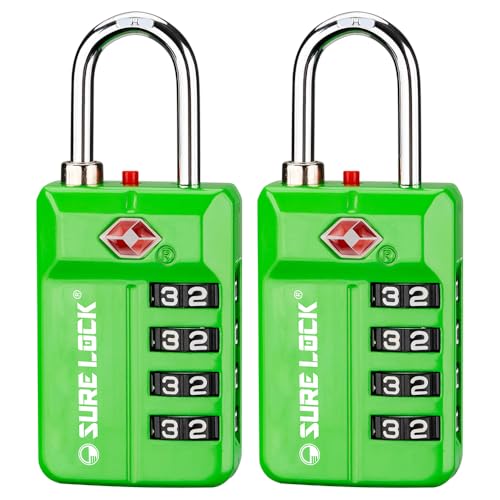
SURE LOCK TSA Approved 4-Digit Resettable Combination Luggage Locks with Open Alert, Easy-Read Dials – for Luggage, School Lockers, Gym, Office, Toolbox & Security Cases(Green 2 Pack)
- TSA Approved: Allows TSA inspection without damage
- Open Alert Indicator: Red dot signals luggage opened for inspection
- Easy-Read 4-Digit Dial: Large white-on-black dials for visibility
As an affiliate, we earn on qualifying purchases.
As an affiliate, we earn on qualifying purchases.