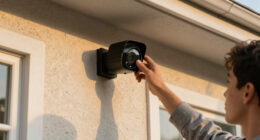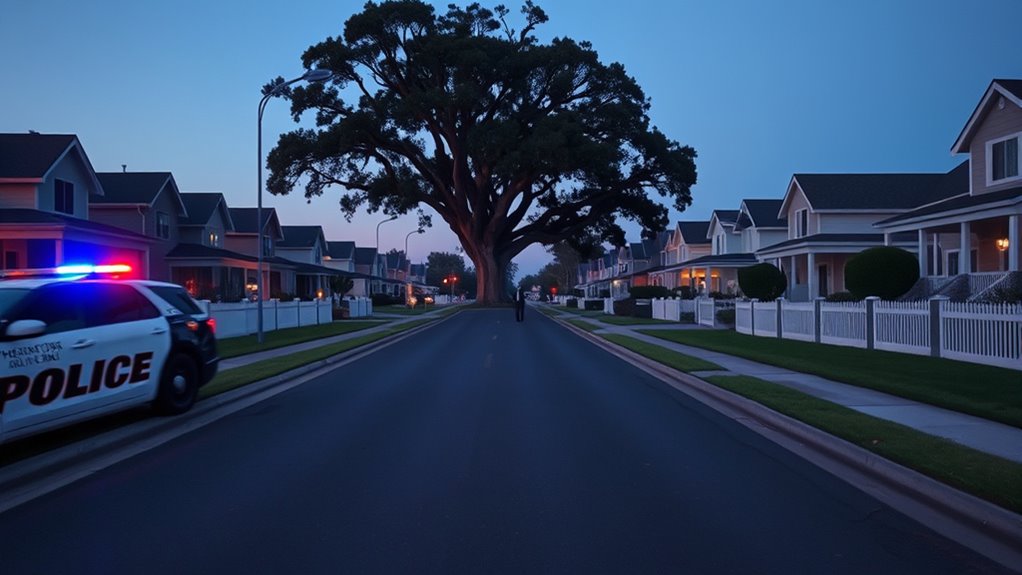

Even in the safest-looking suburbs, crime can still happen because no neighborhood is completely immune. Lower crime rates and quiet streets don’t guarantee security, as criminals can exploit routines and target any area. Community vigilance, neighborhood watch programs, and collective efforts make a big difference in deterring crime, but they can’t eliminate it entirely. If you want to understand why no place is ever completely safe, keep exploring how community actions impact security.
Key Takeaways
- Lower crime rates in suburbs do not guarantee immunity; crimes can still occur unexpectedly.
- Community surveillance and neighborhood watch programs deter criminals by increasing perceived risk.
- Familiar routines and routines of residents can be exploited by offenders despite a suburb’s safety reputation.
- Active resident participation in safety initiatives enhances security beyond just location-based advantages.
- Crime can happen anywhere; proactive vigilance and community effort are essential to maintain safety.
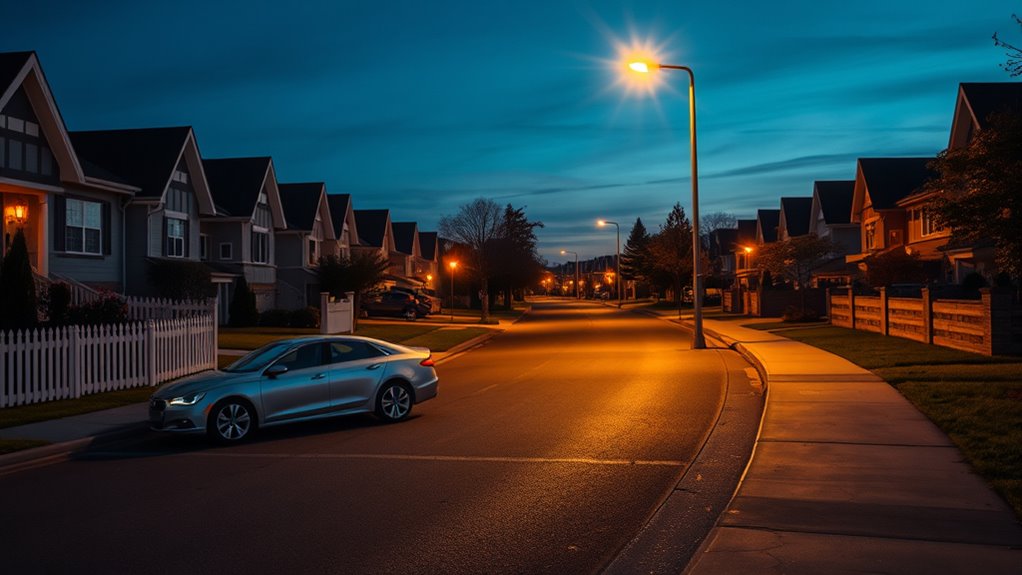
Have you ever wondered whether suburbs are safer than city centers? It’s a common assumption that quieter neighborhoods automatically mean fewer crimes, but that’s not always the case. While suburbs tend to have lower crime rates on average, they’re not immune to criminal activity. Crime can happen anywhere, regardless of how peaceful or family-oriented a neighborhood seems. That’s why community surveillance and neighborhood watch programs are essential tools that residents can use to bolster safety.
Community surveillance involves residents actively watching out for each other’s homes and property. When neighbors keep an eye on what’s happening around them, it creates a natural deterrent for potential criminals. The simple act of noticing someone loitering or a strange vehicle in the area can prevent crimes before they happen. Many suburban communities foster this by encouraging residents to report suspicious activity promptly. Having familiar faces around makes it easier to identify when something’s amiss, which is why community surveillance plays such a pivotal role in maintaining safety.
Neighborhood watch programs take this concept further. These initiatives organize residents to work together intentionally, creating a united front against crime. When neighbors coordinate patrols or share security tips, it fosters a sense of collective responsibility. You might think that a quiet suburb wouldn’t attract much attention from criminals, but a vigilant community sends a clear message: “We’re watching, and we’re prepared.” Crime tends to be less attractive in areas where residents are proactive, because it raises the risk for offenders. It’s not just about preventing thefts or vandalism; neighborhood watch also helps residents feel more secure and connected, reinforcing the idea that safety is a shared effort.
Of course, neighborhood watch isn’t foolproof. Criminals can still find ways to operate in seemingly safe areas, especially if they’re familiar with the routines of the community. But the presence of community surveillance and active neighborhood watch programs markedly reduces the likelihood of crimes going unnoticed or unpunished. It’s about creating an environment where criminals know they’re being watched and that the community is ready to respond. This collective vigilance cultivates trust and cooperation among residents, which can be just as effective as any police patrol.
In addition, community engagement and education about crime prevention strategies can further strengthen neighborhood safety. It’s about creating an environment where criminals know they’re being watched and that the community is ready to respond. This collective vigilance cultivates trust and cooperation among residents, which can be just as effective as any police patrol.
In the end, the idea that suburbs are completely safe is a myth. While they often have lower crime rates, they’re still vulnerable. By engaging in community surveillance and participating in neighborhood watch initiatives, you can help protect your home and neighborhood. Safety isn’t just about living in a quiet area; it’s about actively working together to keep everyone secure.

Kidde Smart Smoke and Carbon Monoxide Detector, Ring App Enabled for Real-Time Notifications, Hardwired Alarm, AA Backup Battery
Double the Detection: Alerts you to both smoke and carbon monoxide (CO)
As an affiliate, we earn on qualifying purchases.
Frequently Asked Questions
How Do Crime Rates in Suburbs Compare to Urban Areas?
Crime rates in suburbs can be similar to urban areas, especially as suburban development expands. You might think suburbs are safer, but they aren’t immune to crime. To protect yourself, employ effective crime prevention strategies like neighborhood watch programs and good lighting. Stay aware of local crime trends and work with your community to create a safer environment. Suburban areas need just as much vigilance and proactive measures as cities do.
What Specific Crimes Are Most Common in Suburban Neighborhoods?
In suburban neighborhoods, property theft is the most common crime you’ll encounter. Even with neighborhood watch programs, thieves target homes, cars, and garages. You might also see vandalism or package thefts, especially during busy shopping seasons. Staying vigilant, locking doors, and participating in neighborhood watch efforts can help deter these crimes, but remember, no area is completely immune, so always remain alert and prepared to protect your property.
Are Certain Suburbs Safer Than Others? How Is Safety Measured?
Some suburbs are way safer than others, and you can tell by their neighborhood aesthetics and local school safety. You might think all suburbs are perfect, but the safest ones often look picture-perfect and have top-rated schools with strict security measures. Safety is measured by crime rates, police reports, and community programs. You shouldn’t assume every suburb is equally safe—it’s worth doing research to find the truly secure neighborhoods.
How Does Community Involvement Impact Suburban Crime Rates?
Community involvement profoundly impacts suburban crime rates by fostering a safer environment through neighborhood watch programs and community policing. When you participate in neighborhood watch, you help neighbors stay vigilant and deter criminal activity. Community policing encourages officers to build trust and work closely with residents. Your active engagement creates a sense of ownership and accountability, making it harder for crime to take hold in your neighborhood, ultimately enhancing safety for everyone.
What Role Does Police Presence Play in Suburban Safety?
Police presence, through neighborhood patrols and visible police visibility, plays a vital role in suburban safety. When you see officers patrolling regularly, it deters potential criminals and reassures residents. Increased police visibility helps to quickly address incidents, fostering a sense of security. Your community benefits when law enforcement maintains a consistent presence, making neighborhoods safer and encouraging residents to stay engaged and vigilant.

NETGEAR 26-Port PoE Gigabit Ethernet Smart Switch (GS724TP) - Managed, 24 x 1G, 24 x PoE+ @ 190W, 2 x 1G SFP, Optional Insight Cloud Management, Desktop or Rackmount, and Limited Lifetime Protection
24 Gigabit Ethernet ports
As an affiliate, we earn on qualifying purchases.
Conclusion
Remember, no neighborhood is completely immune to crime. Even suburbs labeled as “safe” face challenges; about 60% of violent crimes occur in these areas. So, stay vigilant—secure your home, get to know your neighbors, and stay informed. Crime can happen anywhere, but your awareness and preparation make a difference. Don’t assume safety is guaranteed just because you’re outside city centers; being proactive keeps you and your community protected.

TP-Link TL-SG1428PE 24 Port Gigabit PoE+ Switch - Easy Smart Managed, 24 PoE+ Ports @250W, 2 SFP Slots, Auto Recovery, QoS, VLAN, IGMP, LAG
𝐅𝐥𝐞𝐱𝐢𝐛𝐥𝐞 𝐅𝐮𝐥𝐥 𝐆𝐢𝐠𝐚𝐛𝐢𝐭 𝟐𝟖-𝐏𝐨𝐫𝐭 𝐏𝐨𝐄 𝐂𝐨𝐧𝐟𝐢𝐠𝐮𝐫𝐚𝐭𝐢𝐨𝐧: 24 x PoEplus (802.3at/af) 10/100/1000 Mbps RJ45 ports providing up to 30W...
As an affiliate, we earn on qualifying purchases.
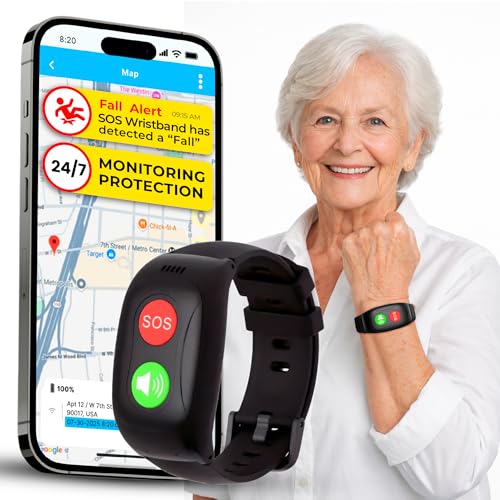
SecuLife SOS Wristband,Fall Detection, GPS Safety Bracelet for Seniors – SOS Button, Geo-Fencing, 2-Way Calling & Caregiver Tracking – Medical Alert Device, Simple & Reliable Alert System
🆘 𝐒𝐎𝐒 𝐂𝐚𝐥𝐥 & 𝐅𝐚𝐥𝐥 𝐃𝐞𝐭𝐞𝐜𝐭𝐢𝐨𝐧 𝐁𝐫𝐚𝐜𝐞𝐥𝐞𝐭: Call emergency pre-set contacts with a simple press or automatic fall...
As an affiliate, we earn on qualifying purchases.