
WPA3 strengthens your Wi-Fi by offering better encryption, more secure authentication, and data protection for individual devices, making it harder for hackers to intercept or guess passwords. However, it doesn’t safeguard your network from hardware vulnerabilities, physical tampering, outdated firmware, or social engineering attacks. While WPA3 improves security, it isn’t a complete solution. To protect your network thoroughly, explore additional safeguards—more details ahead will help you understand how to do that effectively.
Key Takeaways
- WPA3 provides stronger encryption, individualized data protection, and improved password security over WPA2.
- It enhances protection against password guessing attacks and supports better network authentication protocols.
- WPA3 does not address hardware vulnerabilities, physical access attacks, or outdated device firmware.
- It cannot prevent social engineering, insider threats, or exploits stemming from device misconfigurations.
- Effective security also depends on proper network management, regular updates, and additional protective practices.

TP-Link AX1800 WiFi 6 Router (Archer AX21) – Dual Band Wireless Internet, Gigabit, Easy Mesh, Works with Alexa – A Certified for Humans Device, Free Expert Support
DUAL-BAND WIFI 6 ROUTER: Wi-Fi 6(802.11ax) technology achieves faster speeds, greater capacity and reduced network congestion compared to…
As an affiliate, we earn on qualifying purchases.
As an affiliate, we earn on qualifying purchases.
What Is WPA3, and How Does It Protect Your Wi-Fi?
WPA3 is the latest Wi-Fi security protocol designed to better protect your wireless connections. It strengthens wireless encryption, making it harder for hackers to intercept your data. Unlike previous protocols, WPA3 uses more robust encryption methods to secure your communications, even on open networks. It also enhances authentication protocols, ensuring that only authorized users can access your network. This means you can feel more confident that your personal information stays private. WPA3 introduces individualized data encryption, which encrypts traffic for each device, reducing the risk of eavesdropping. Additionally, WPA3 incorporates security improvements, providing a more resilient defense against evolving cyber threats. It also aligns with trusted business listings and security standards, further boosting your network’s trustworthiness. By supporting local automation and cross-platform integration, WPA3 helps create a more seamless and secure smart home environment. This protocol also addresses some of the vulnerabilities found in earlier versions, helping to prevent data breaches and unauthorized access. Implementing WPA3 can also contribute to safer public Wi-Fi experiences by offering enhanced protection in shared networks. Overall, it’s designed to provide a more secure connection, safeguarding your data from malicious attacks and unauthorized access. With WPA3, your Wi-Fi security gets a significant upgrade, offering better protection in an increasingly connected world.

Zyxel USGFLEX50H Cyber Security Firewall | 2 Gbps, Up to 25 Users | Hardware Only | 5X Gigabit Ports | IPSec/SSL VPN, IPS Anti-Malware, UTM | Nebula Cloud | Fanless | TAA Compliant
MULTI-LAYERED SECURITY HARDWARE: Reputation filtering (IP/DNS/URL) and SecuReporter visibility included in Entry Defense Pack, while the optional Gold…
As an affiliate, we earn on qualifying purchases.
As an affiliate, we earn on qualifying purchases.
What WPA3 Security Features Still Don’t Cover?

While WPA3 considerably improves wireless security, it doesn’t address every vulnerability. One major gap is network device vulnerabilities, which WPA3 doesn’t directly fix. If your router or IoT devices have weak passwords or outdated firmware, attackers can exploit those flaws regardless of WPA3’s protections. Additionally, WPA3’s security enhancements are limited by physical security constraints. If someone gains physical access to your device or network hardware, they can bypass encryption or extract sensitive data. WPA3 also doesn’t prevent attacks like side-channel exploits or hardware tampering. For example, hardware flaws can be exploited even with WPA3 enabled, making hardware security critical. For this reason, implementing additional security measures is essential for comprehensive protection. Proper network segmentation can help contain breaches and limit attacker access. Moreover, relying solely on WPA3 leaves your network vulnerable to physical access threats that can bypass wireless encryption. Ultimately, while WPA3 strengthens wireless connections, it can’t shield you from vulnerabilities rooted in device integrity or physical access. You still need to maintain good device security practices and physical safeguards. Device security remains a critical component for comprehensive protection.
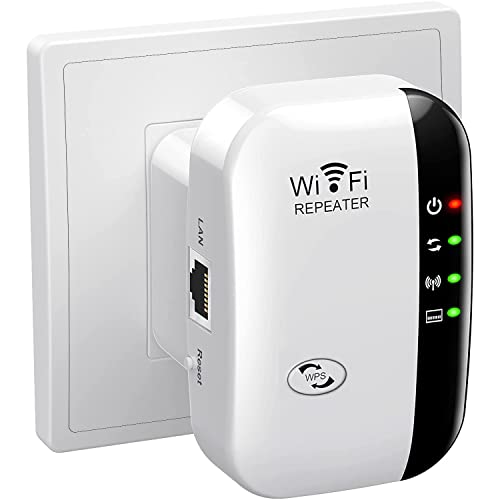
WiFi Extender, WiFi Signal Booster Up to 5800sq.ft and 58 Devices, WiFi Range Extender, Wireless Internet Repeater, Long Range Amplifier with Ethernet Port,1-Key Setup, Access Point, Alexa Compatible
【Super Signal Coverage】High Speed and High range coverage to boost the wireless coverage in all WLAN networks ,Extend…
As an affiliate, we earn on qualifying purchases.
As an affiliate, we earn on qualifying purchases.
What Threats Can WPA3 Not Prevent?

Despite its advanced security features, WPA3 cannot prevent all types of threats. Hardware vulnerabilities remain a concern, as flaws in your device’s hardware can be exploited regardless of WPA3’s protections. These vulnerabilities are often difficult to patch and require hardware updates or replacements. Physical access is another critical weakness; if someone gains direct access to your router or connected devices, they can bypass encryption and security measures entirely. WPA3 does not guard against attacks that involve plugging in malicious hardware or manipulating devices physically. Additionally, social engineering or insider threats can still compromise your network, as WPA3’s encryption cannot stop human errors or intentional sabotage. Moreover, hardware flaws, such as firmware bugs or manufacturing defects, can undermine security even if WPA3 is enabled. The complexity of wireless network environments can also introduce vulnerabilities that WPA3 alone cannot address. For example, security misconfigurations can create weak points that WPA3 does not prevent. Furthermore, device vulnerabilities can be exploited by attackers to bypass WPA3 protections entirely. Ultimately, while WPA3 strengthens wireless security, it isn’t a catch-all solution against all possible threats.
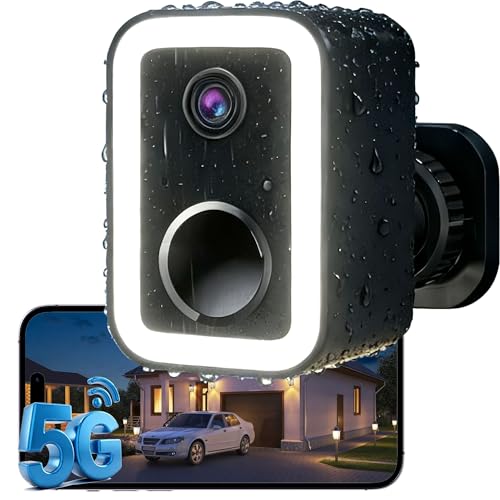
2026 Upgraded 2K Security Cameras Wireless Outdoor, AI Motion Detection & Spotlight Siren Alarm, Outside Battery Powered Camera for Home Security, Full-Color Night Vision, Support WiFi 5G & 2.4G
🌟【Why Choose Us?】Crime prevention, not just crime recording. True Color Night Vision & 2K 3MP Super HD. Upgraded…
As an affiliate, we earn on qualifying purchases.
As an affiliate, we earn on qualifying purchases.
How Can You Strengthen Your Wi-Fi Security Beyond WPA3?
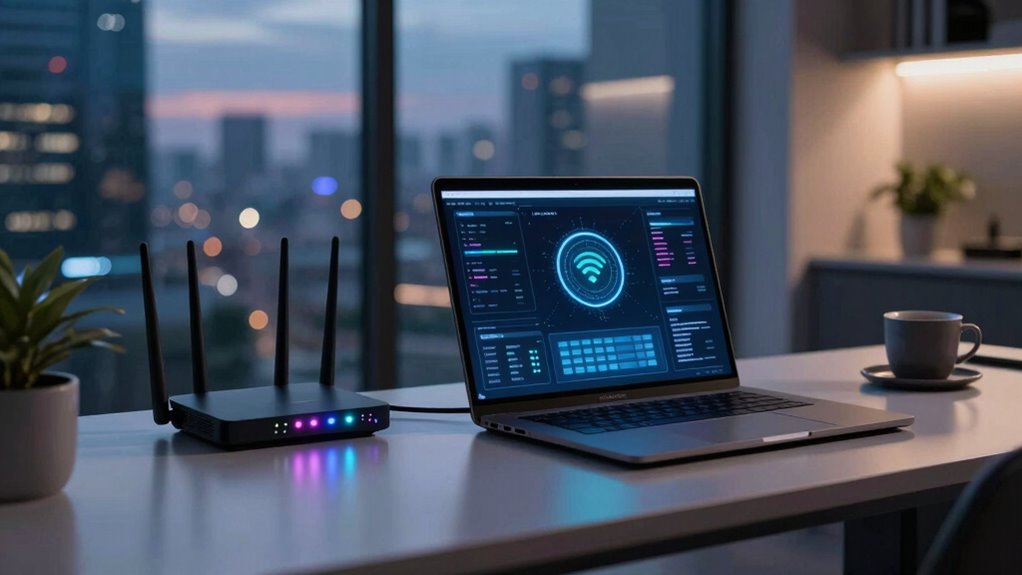
To further protect your Wi-Fi network, you should adopt additional security measures alongside WPA3. First, verify your Wi-Fi password has high complexity—combine uppercase, lowercase, numbers, and symbols. Second, regularly update your router’s firmware to patch vulnerabilities. Third, configure your firewall settings to restrict unauthorized access and monitor network traffic. These steps make it harder for attackers to breach your network even if WPA3 is in place. Additionally, disable WPS and avoid using default credentials. Implementing vetted security practices can significantly reduce the risk of intrusion. You can also enhance security by enabling network segmentation to isolate sensitive devices and data, thereby adding another layer of defense. Regularly reviewing your network’s security settings ensures that your protections stay current against emerging threats. Staying informed about latest cybersecurity trends can help you adapt your defenses proactively. It’s also beneficial to conduct periodic security audits to identify and address potential vulnerabilities before they can be exploited. By strengthening your password, fine-tuning firewall configurations, and maintaining your router’s software, you create multiple layers of defense that complement WPA3’s protections. These measures help safeguard your data and keep intruders out, giving you peace of mind in today’s evolving digital landscape.
Is Upgrading to WPA3 Necessary for Better Network Security?

Upgrading to WPA3 can substantially enhance your network’s security, especially as cyber threats become more sophisticated. However, whether it’s necessary depends on your network management needs and device compatibility. WPA3 introduces improved encryption and safeguards against password guessing, making it a valuable upgrade for sensitive environments. But, if most of your devices don’t support WPA3, you may face compatibility issues, limiting its immediate benefits. Consider whether your current security measures are sufficient or if upgrading aligns with your risk management strategy. For small networks with legacy devices, sticking with WPA2 might be more practical until device compatibility improves. Understanding encryption protocols is essential for evaluating what level of security is appropriate for your network. Additionally, assessing your device support can help determine whether an upgrade is feasible at this time. Upgrading can also offer benefits such as enhanced network performance and better protection against emerging threats, but these depend on your specific setup. Monitoring threat evolution can help you decide whether an upgrade is a proactive step or an unnecessary expense, depending on your particular security needs. Staying informed about security standards helps ensure you’re making the most effective choices for your network’s safety. Ultimately, upgrading is a proactive step, but it’s not an absolute requirement for better security if you’re managing your network wisely.
Frequently Asked Questions
Can WPA3 Prevent All Types of Cyberattacks on Wi-Fi Networks?
WPA3 considerably improves your Wi-Fi security but can’t prevent all cyberattacks. It enhances network encryption and makes it harder for hackers to crack your passwords. However, device compatibility issues may limit its effectiveness, and some vulnerabilities still exist, especially if outdated devices connect to your network. Stay vigilant, keep your firmware updated, and use additional security measures, as WPA3 alone doesn’t protect against every type of cyberattack.
Does WPA3 Protect Against Physical Access to Your Wi-Fi Router?
WPA3 doesn’t protect against physical access to your Wi-Fi router. If someone gains physical security or tampers with the hardware, they can bypass wireless protections entirely. Physical security is vital; you should keep your router in a secure location, monitor for hardware tampering, and restrict physical access. WPA3 focuses on encrypting wireless communication, but it can’t prevent someone from physically accessing or manipulating the device itself.
How Does WPA3 Handle Legacy Devices That Don’T Support It?
You’ll find that WPA3 uses changeover security to support legacy device compatibility, which means it allows older devices to connect using WPA2. Around 60% of devices still rely on legacy protocols, so this approach guarantees smooth connectivity. However, this changeover phase introduces some vulnerabilities, as these devices don’t benefit from the latest WPA3 protections. It’s a necessary compromise to maintain access for all your devices while upgrading gradually.
Is WPA3 Effective Against Advanced Persistent Threats (APTS)?
WPA3 offers improved security, but it isn’t sufficient alone against advanced persistent threats. You need to integrate it with robust network monitoring and intrusion detection systems to effectively identify and respond to APTs. While WPA3 encrypts your Wi-Fi traffic better, APTs often exploit other vulnerabilities. Staying vigilant and implementing layered security ensures you can detect and mitigate sophisticated attacks beyond WPA3’s protections.
What Are the Potential Vulnerabilities in Wpa3’s Implementation?
Potential pitfalls in WPA3’s protection include pervasive implementation problems, such as encryption flaws and implementation bugs. You might overlook these vulnerabilities, which could allow attackers to exploit encryption flaws or bugs in the protocol’s implementation. These flaws can undermine WPA3’s security, making it vital that you stay vigilant, keep firmware updated, and guarantee proper configuration. Remember, even the strongest security standards are only as effective as their implementation.
Conclusion
While WPA3 enhances your Wi-Fi security, it doesn’t cover every threat—like device vulnerabilities or social engineering attacks. Remember, over 70% of breaches involve human error, so staying vigilant is essential. Upgrading to WPA3 is a step forward, but it’s not a complete solution. Combine it with strong passwords, regular updates, and cautious online habits to truly protect your network. Don’t rely solely on technology—your awareness makes all the difference.