When cell phones fail during emergencies, your safe room needs reliable communication options. Use devices like satellite phones, emergency radios, and mesh networks that work independently of cell towers. Set up a system with these tools, regularly test them, and keep backup power sources ready. Make sure all family members know how to use them and maintain the system’s functionality. If you keep these tips in mind, you’ll stay connected when it matters most.
Key Takeaways
- Install satellite phones, radios, or satellite messaging devices as reliable communication backups outside cell network reliance.
- Use mesh networks and emergency radios for local, resilient communication during outages.
- Regularly test and maintain your communication devices, including backup power sources, to ensure functionality.
- Develop and practice a family emergency communication plan with designated signals, meeting points, and alternative methods.
- Choose durable, compatible devices with cybersecurity features, suitable for your environment and emergency scenarios.
satellite phone for emergency use
As an affiliate, we earn on qualifying purchases.
As an affiliate, we earn on qualifying purchases.
Why Do Cell Phones Fail When You Need Them Most?
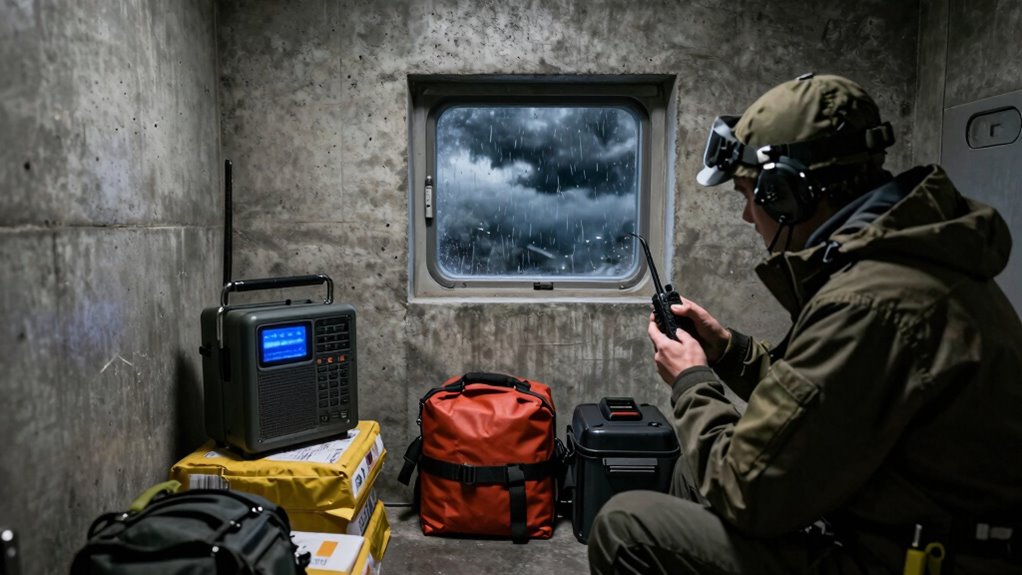
Have you ever wondered why your cell phone often refuses to work during emergencies? Cell phone outages are common in such situations, creating significant communication barriers. During crises, increased call volume overloads networks, causing delays or complete failures. Additionally, infrastructure damage from natural disasters or accidents can disrupt signal towers, leaving your device powerless. Power outages also play a role, as backup systems may fail or run out of juice. These issues mean your phone might not connect when you need it most. Understanding these factors highlights why relying solely on cell phones isn’t enough in emergencies. To stay connected, it’s crucial to have alternative communication methods, like dedicated emergency devices or radio systems, that don’t depend on traditional cellular networks. Furthermore, network infrastructure plays a vital role in ensuring reliable communication during crises, emphasizing the importance of resilient systems. Moreover, investing in robust communication networks can help mitigate some of these issues and maintain connectivity when traditional systems fail. Additionally, implementing reliable backup power solutions for communication devices can ensure they remain operational during outages. Recognizing the importance of emergency preparedness can also help individuals and communities better respond when cellular services are compromised. Building redundant communication options is essential for comprehensive safety plans.
emergency radio with NOAA weather alerts
As an affiliate, we earn on qualifying purchases.
As an affiliate, we earn on qualifying purchases.
How Cell Tower Failures Impact Emergency Communication
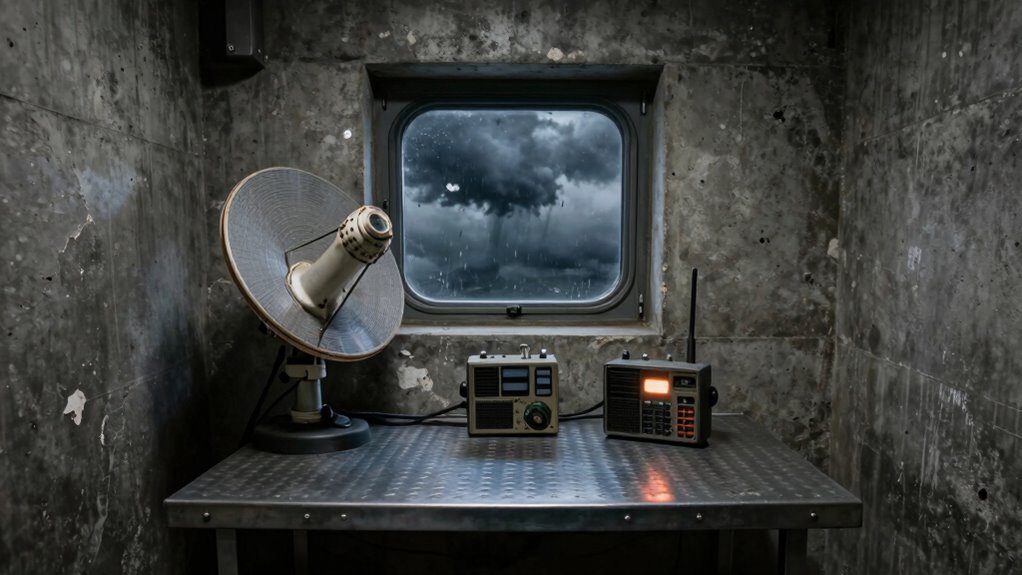
When cell towers fail during emergencies, communication networks quickly become unreliable. You might feel isolated, cut off from loved ones and emergency services. This disruption can leave you vulnerable when every second counts. Satellite phones can provide essential connectivity when traditional networks collapse, offering direct links to rescue teams. Mesh networks, on the other hand, allow devices to connect directly with each other, bypassing damaged infrastructure. Additionally, understanding the importance of a reliable communication setup can help you stay prepared for such scenarios. Maintaining backup power sources for communication devices ensures they remain operational even during outages. Incorporating interoperable communication devices can further enhance coordination among responders and affected individuals. Being aware of specialized communication equipment designed for emergency situations can significantly improve response efforts. Moreover, regular drills and knowledge of emergency communication protocols can greatly improve response efficiency during a crisis.
mesh network communication device
As an affiliate, we earn on qualifying purchases.
As an affiliate, we earn on qualifying purchases.
What Technologies Keep Your Safe Room Connected During a Crisis

Ever wondered how to stay connected in a crisis when traditional networks fail? Satellite internet is a reliable option because it doesn’t rely on local cell towers or wired infrastructure. With a satellite dish, you can access the internet almost anywhere, even in remote or damaged areas. Additionally, mesh networks create a resilient communication system by connecting multiple devices directly to each other. If one device or connection fails, the network reroutes signals through other nodes, maintaining connectivity. Simple system design and mesh networks provide a robust backup, ensuring your safe room stays linked to essential information and emergency contacts. These technologies give you peace of mind, knowing you’re prepared to communicate no matter what happens outside. Incorporating reliable connectivity solutions like these can significantly enhance your safety during emergencies. Moreover, understanding how these systems integrate with art care principles can help preserve valuable artifacts even during communication disruptions. Implementing redundant communication methods ensures continuous information flow, which is crucial during critical situations. For example, integrating satellite communications with emergency preparedness planning can further improve response times and coordination.
backup power supply for communication devices
As an affiliate, we earn on qualifying purchases.
As an affiliate, we earn on qualifying purchases.
How to Set Up a Reliable Safe Room Communication System
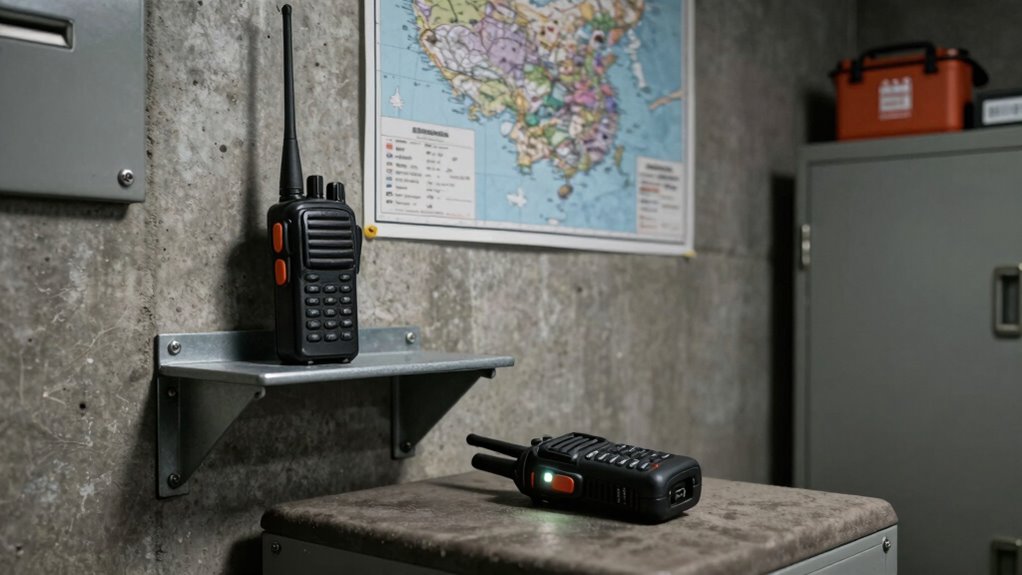
Setting up a reliable safe room communication system requires careful planning and the right equipment. Start by integrating communication devices seamlessly into your interior design to avoid clutter and ensure quick access. Choose secure, resilient technology like dedicated radios or satellite phones that operate independently of cell networks. Establish clear security protocols, such as password protections and restricted access, to prevent tampering. Position devices in strategic locations, ensuring they’re protected from damage and easily reachable in emergencies. Test your system regularly to confirm functionality. Keep backup power sources handy, like batteries or generators, to maintain communication during power outages. Additionally, consider reliable communication technology options to further enhance your system’s dependability. Incorporating emergency preparedness strategies can also help you respond more effectively in critical situations. By combining thoughtful interior design with strict security protocols, you create a dependable safe room communication system that keeps you connected when it matters most.
Essential Emergency Communication Devices You Should Have
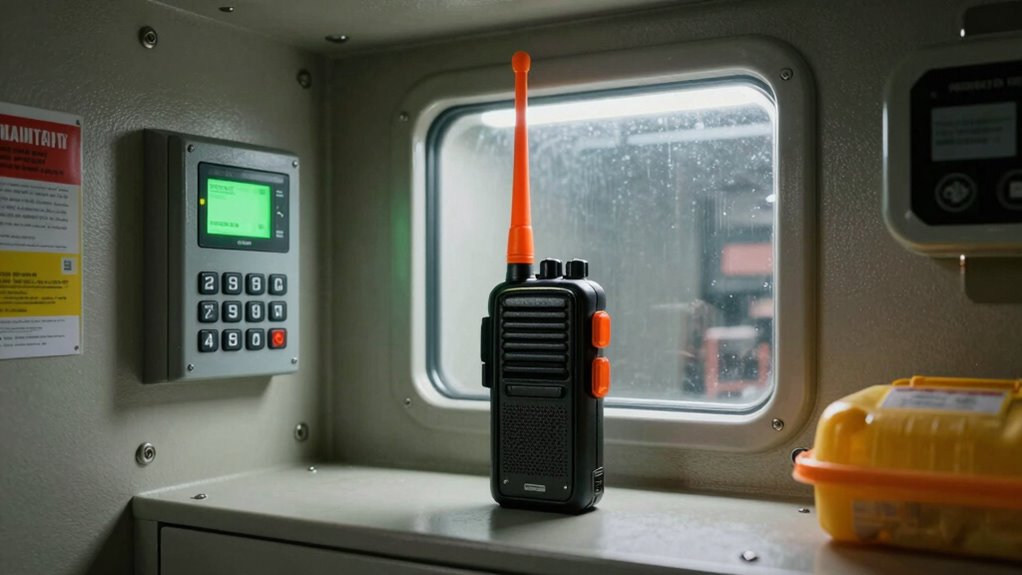
Having the right emergency communication devices is crucial for ensuring you stay connected during crises. Emergency radios and satellite messaging devices are essential tools in your safety kit. Emergency radios provide real-time weather alerts and news without relying on cell networks, while satellite messaging allows you to send and receive messages even when other systems fail. The right combination ensures you can get help or update loved ones regardless of the situation. Consider the following options:
| Device Type | Key Feature | Best Use |
|---|---|---|
| Emergency radios | NOAA weather alerts | Stay informed during storms |
| Satellite messengers | Global coverage, compact design | Remote communication |
| Handheld radios | Short-range communication | Local coordination |
| Emergency beacons | SOS signal, GPS location | Distress signaling |
Additionally, utilizing Suprem fabric in your emergency gear can provide durable and comfortable clothing that withstands harsh conditions, ensuring you remain protected while staying connected. Incorporating water-resistant materials can further enhance the durability of your devices and gear during water-related emergencies. Using reliable power sources such as portable chargers or batteries can also ensure your devices remain operational when you need them most. Moreover, selecting devices with long battery life can be vital during extended emergencies when recharging options are limited.
To maximize preparedness, consider how device durability plays a critical role in maintaining functionality in unpredictable environments.
How to Choose the Best Communication System for Your Safe Room
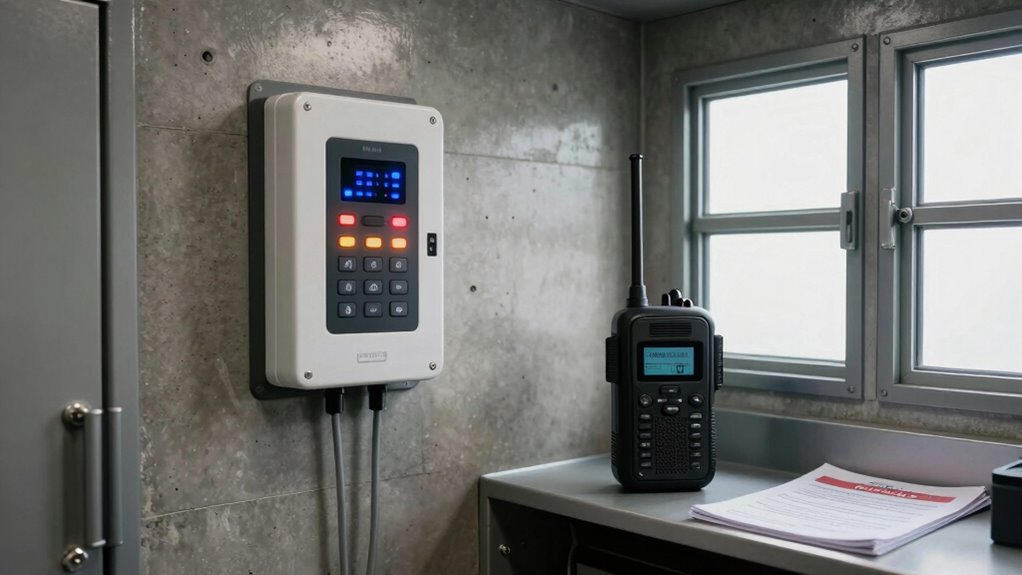
Choosing the right communication system for your safe room involves evaluating your specific needs and the environments you might face. Consider satellite options if you need reliable connectivity in remote or disaster-prone areas, as they work independently of local infrastructure. If quick, local communication is more important, a robust radio network with handheld or base station radios can be highly effective, especially in areas where cellular signals might fail. Think about the range, ease of use, and power sources for each system. Also, consider whether the system can incorporate with other emergency devices you have. Your goal is to ensure you stay connected with rescuers or loved ones, regardless of disruptions, so choose a system that fits your environment and emergency preparedness plan. Incorporating connectivity standards and understanding device compatibility can further enhance your communication reliability. Additionally, selecting systems with support for multiple devices can ensure that all members of your safety team stay connected simultaneously. To maximize effectiveness, evaluate the cybersecurity features of each system to protect your communications from potential cyber threats.
Tips for Maintaining and Testing Your Emergency Communication Setup
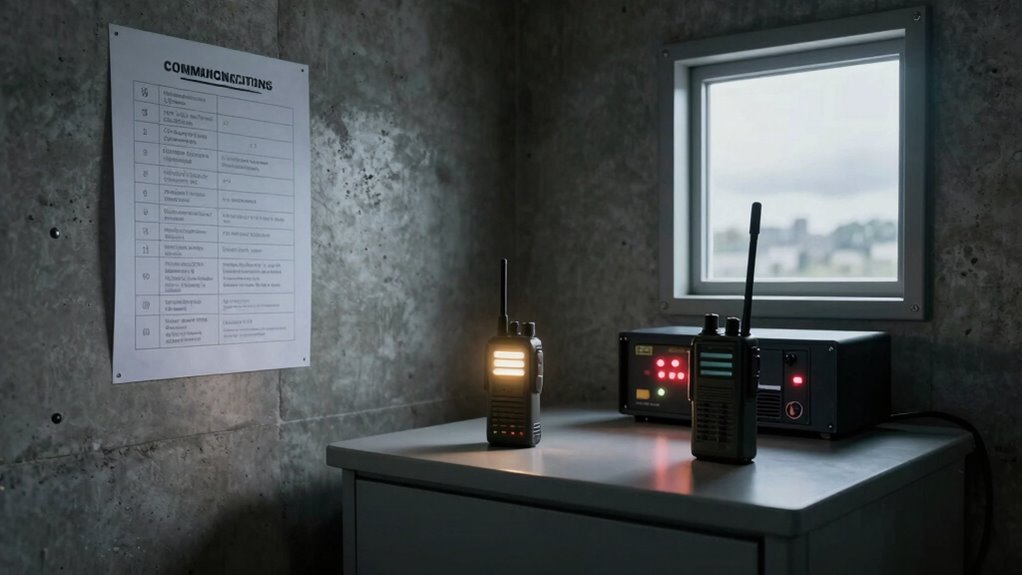
To guarantee your emergency communication system works when needed, you should perform regular checks to identify any issues early. Having backup communication methods ready can keep you connected if your primary system fails. Consistently testing and maintaining your setup is key to staying prepared in any situation.
Regular System Checks
Regularly testing your emergency communication system is essential to guarantee it functions properly when you need it most. Schedule monthly checks to verify all devices work, batteries are charged, and signals are clear. During tests, activate intruder alerts and review security protocols to ensure quick response times. Keep a log of maintenance activities for future reference. Use the following table as a guide:
| Checkpoint | Action | Notes |
|---|---|---|
| Device Functionality | Power on all communication devices | Confirm all are operational |
| Battery Status | Test backup power sources | Replace weak batteries |
| Signal Clarity | Send test messages or calls | Ensure clear reception |
Consistent checks prevent failures and keep your safe room ready for any scenario.
Backup Communication Methods
Having backup communication methods in place is crucial to guarantee you stay connected during emergencies, especially if your primary system fails. Satellite communication devices are reliable options that work even when cell towers are down, providing you with continuous contact with rescue teams or loved ones. Emergency radios are another essential tool; they can be powered by batteries or hand-cranks, ensuring access to weather alerts and important updates if other systems fail. Regularly test your satellite communication gear and emergency radios to confirm they’re functioning properly. Keep spare batteries, chargers, and necessary accessories handy. Establish clear protocols for using these backup methods, so you’re prepared to activate them swiftly when needed. Maintaining and testing these systems ensures your safety and keeps your lines of communication open during critical moments.
Getting Your Family Ready for Emergency Communication Scenarios
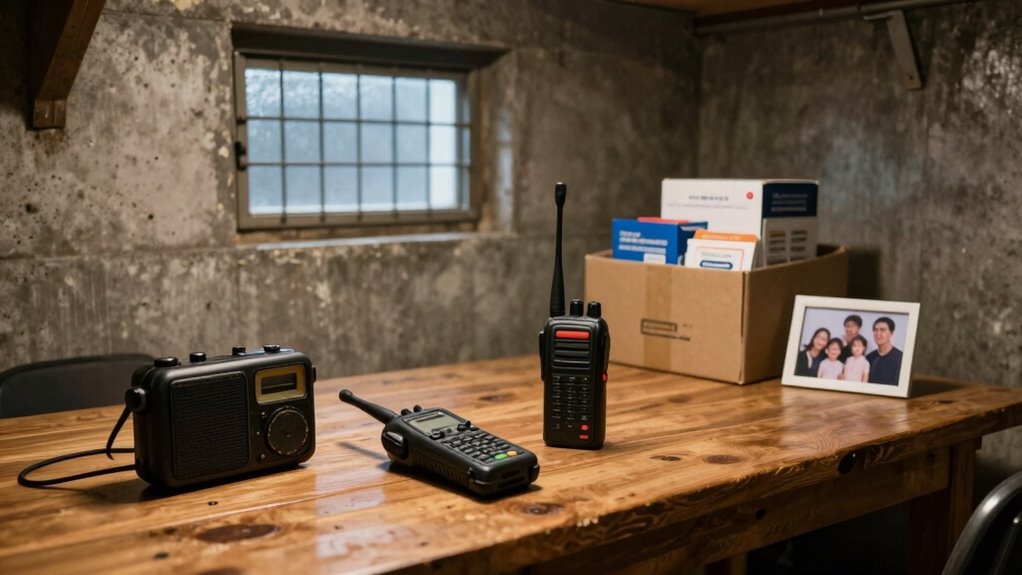
Preparing your family for emergency communication scenarios starts with making a clear plan everyone understands. You need to establish family emergency planning that covers what to do if phones and internet fail. Conduct regular communication drills so everyone knows their role and the designated meeting spots. Practice using alternative methods like walkie-talkies or signal codes to stay connected. Keep a list of important contacts in multiple places. To help visualize, consider this:
| Communication Method | When to Use |
|---|---|
| Walkie-talkies | Short-distance, power outage |
| Signal codes | No devices available |
| Family plan | During evacuation |
| Emergency contacts | When separated |
Regular drills and clear plans ensure your family stays connected when it matters most.
Frequently Asked Questions
What Backup Power Options Are Available for Communication Devices?
You can use battery backups or portable solar chargers to power your communication devices during outages. Battery backups provide instant power, guaranteeing your devices stay operational without interruption. Solar chargers harness sunlight, offering a sustainable, eco-friendly option to recharge devices when traditional power sources are unavailable. Combining both ensures you stay connected in emergencies, giving you reliable backup power to communicate effectively when your main power sources fail.
Can Satellite Phones Work Effectively in Underground Safe Rooms?
Satellite phones can work effectively in underground safe rooms, but their durability and signal strength are your main concerns. While they’re built tough, heavy concrete or metal barriers can ensure underground signals are greatly weakened, making communication a challenge. To guarantee reliable contact, consider installing signal boosters designed for satellite communication, or use alternative backup systems. Don’t rely solely on satellite phones—they’re powerful but not invincible in subterranean environments.
How Do Radio Repeaters Extend Communication Range During Emergencies?
Radio repeaters extend your communication range during emergencies by receiving your signal and rebroadcasting it at a higher power. To maximize their effectiveness, you should focus on proper antenna placement—placing antennas high and clear of obstructions—and selecting the correct frequency. This guarantees a strong, reliable signal, allowing you to stay connected even in challenging environments. Proper setup makes your communication system more resilient when it’s needed most.
Are There Privacy Concerns With Certain Emergency Communication Systems?
Think of emergency communication systems as your digital fortress, but encryption concerns can be a real threat. You might worry about data sharing or unauthorized access, which could compromise privacy. Some systems lack robust encryption, making sensitive info vulnerable to hackers. Always verify if your system uses secure encryption protocols to protect your conversations. Staying aware of privacy features guarantees your emergency communications remain confidential and trustworthy when you need them most.
What Training Is Recommended for Family Members to Use Communication Devices Effectively?
You should participate in hands-on training sessions focused on family communication and device operation. Practice using emergency communication devices regularly, so you’re familiar with their functions and troubleshooting steps. Review user manuals together and set up mock drills to ensure everyone knows how to quickly and effectively communicate during emergencies. This preparation helps family members stay connected and confident, even when phones or regular systems fail.
Conclusion
Remember, your safe room is your fortress, but without reliable communication, it’s just walls and silence. Stay prepared by understanding the tech that keeps you connected like an unbreakable chain. Regularly test your systems, so they’re ready when you need them most—think of it as sharpening your sword before battle. In a storm of chaos, your voice should still echo clearly, guiding your loved ones to safety and peace of mind.