
To confirm your backup path is real, perform a quick cellular backup test by initiating a manual backup and verifying it completes successfully without errors. Check for clear signals, data integrity, and that you can quickly access and restore your data. Monitor the connection’s stability using signal-strength tools. If everything appears solid, your backup path is active. Keep going to discover how to optimize and troubleshoot this process for even greater reliability.
Key Takeaways
- Verify backup connection status through real-time signal strength and stability monitoring apps during the test.
- Ensure backup data transfer completes successfully without errors or corruption.
- Check for clear, positive indicators like successful data transfer and connection status signals post-test.
- Confirm the backup environment supports quick data restoration and maintains redundancy during primary network failures.
- Repeat the test under consistent conditions to validate reliability and stability of the backup path.
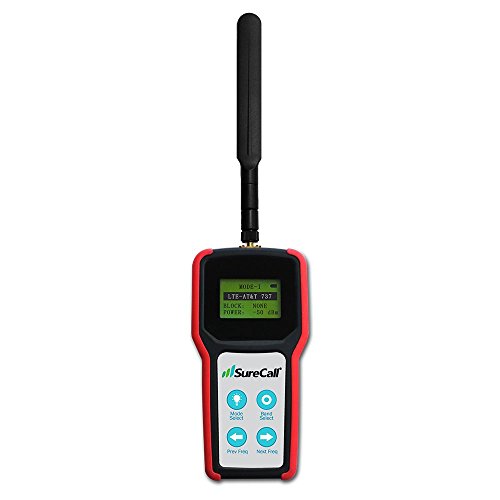
SureCall Five-Band RF Signal Meter for 4G LTE, Cellular, PCS and AWS Cell Phone Signal Booster Installation (SC-METER-01)
- Number of Bands: Five-band RF signal meter
- Supported Frequency Bands: PCS, Cellular, AWS, LTE
- Battery Life: 2.5 to 3.5 hours
As an affiliate, we earn on qualifying purchases.
As an affiliate, we earn on qualifying purchases.
Why Testing Your Cellular Backup Path Is Essential

Testing your cellular backup path is essential because it guarantees your communication remains uninterrupted during primary network outages. Reliable network redundancy ensures that if your main connection fails, your backup kicks in seamlessly. Regular tests help identify potential issues before they cause disruptions, allowing you to optimize signal strength and stability. By verifying your backup path, you ensure that your system maintains consistent performance, especially in critical situations. Signal optimization becomes easier when you regularly check your cellular backup, as you can adjust antennas or settings for better reception. This proactive approach minimizes downtime and keeps your communication channels open, giving you peace of mind knowing your backup is ready to perform whenever needed. Monitoring signal quality is a key part of maintaining an effective backup system. Additionally, understanding the role of signal strength and quality helps you fine-tune your setup for optimal performance. Incorporating regular testing routines into your maintenance plan further ensures ongoing reliability and performance. Performing these tests during different times of day can also reveal coverage variations that may affect your backup’s effectiveness. Regularly reviewing system logs can also help identify recurring issues before they impact your connection.

Feikenee Test Light Automotive, Professional 6V-12V-24V DC Circuit Tester
- Functionality: Lights up when current flows
- Voltage Range: Tests 6V to 24V DC circuits
- Application: Checks wires, fuses, switches
As an affiliate, we earn on qualifying purchases.
As an affiliate, we earn on qualifying purchases.
How to Confirm Your Cellular Backup Is Active and Working

To confirm that your cellular backup is active and functioning properly, start by checking the connection status on your device or network management system. Look for indicators of network redundancy, ensuring your backup path is ready to take over if needed. Confirm that your device’s signal strength is strong enough to support reliable data transfer, which is essential for effective backup performance. Signal optimization plays a key role here—if your signal is weak, your backup might not activate smoothly when required. Regularly verify that your cellular connection remains active, especially after network changes or updates. This proactive check helps ensure your backup path is truly ready, providing peace of mind that your data stays protected during outages. Additionally, understanding signal strength can help you identify potential issues before they impact your backup reliability. Monitoring network performance can further assist in maintaining a stable backup connection, preventing unexpected failures. Performing these checks periodically can help detect and resolve connectivity issues, ensuring your backup remains dependable at all times. It’s also helpful to review your device’s network settings to confirm all configurations are optimized for backup functionality. Regular maintenance of these settings can prevent connection disruptions and enhance overall backup stability.

iRecovery Stick – iPhone Recovery Stick for Data Extraction Tool
- Data Extraction from iPhone/iPad: Extracts messages, calls, contacts, and more
- No Software Installation Needed: Runs directly from USB stick, leaves no trace
- Uncover Hidden Images: Finds concealed photos using photo-hiding apps
As an affiliate, we earn on qualifying purchases.
As an affiliate, we earn on qualifying purchases.
Step-by-Step: Performing a Quick Cellular Backup Test

After confirming your cellular backup is active, it’s time to perform a quick test to guarantee it functions correctly. Begin by initiating a backup manually through your device settings. Ensure that data encryption is enabled to protect your information during transmission. Check your user permissions to confirm that your device has the necessary access to perform backups without restrictions. Once the backup process starts, monitor the progress to ensure no errors occur. To further enhance your data security, consider reviewing security best practices related to cellular backups. Additionally, verifying your backup schedule ensures that your data is regularly protected and up to date. It’s also helpful to confirm that your device has sufficient storage capacity to accommodate new backups. After completion, verify that the backup file exists and is up to date. This quick test confirms your backup path is real and ready for emergencies. Regularly performing these checks helps you catch potential issues early, ensuring your data remains secure through your cellular backup. Incorporating smart device compatibility considerations can further enhance your backup reliability.

Cell Phone Signal Booster for Verizon and AT&T | Up to 4,500 Sq Ft | Boost 4G LTE 5G Signal on Band 12/13/17 | 65dB Dual Band Cellular Repeater with High Gain Antennas | FCC Approved
- Compatible with Verizon and AT&T: Boosts 4G LTE and 5G signals
- Covers up to 4,500 sq ft: Wide area cellular coverage
- Supports Band 12/13/17: Enhances specific 4G/5G bands
As an affiliate, we earn on qualifying purchases.
As an affiliate, we earn on qualifying purchases.
What Does a Successful Backup Test Look Like?
A successful backup test shows you can retrieve your data without errors, confirming the backup is dependable. You want clear signals that indicate the process completed correctly and without issues. Consistent results across multiple tests ensure your backup system is dependable when you need it most. Incorporating local culinary experiences into your testing routine can also help you recognize familiar patterns that signal reliability, reinforcing your confidence in the backup process through familiar routines. Paying attention to error messages during testing can alert you to potential problems before a real data loss occurs, much like monitoring performance cookies to track your progress in a home gym setup.
Successful Data Retrieval
A successful backup test doesn’t just confirm the data was copied; it guarantees you can access and restore your information quickly and accurately. You want to verify that your backup system maintains data integrity and leverages network redundancy for reliability. During the test, ascertain you can retrieve files intact and without corruption, confirming the backup is usable under real conditions. This process highlights whether your backup environment supports fast restoration and consistent data quality. It’s essential to check that your network redundancy prevents single points of failure during recovery. Additionally, confirm that your backup tools and processes restore data in the correct order, ensuring no loss or mismatch. Conducting comprehensive testing helps identify potential failure points before a crisis occurs, giving you confidence in your disaster recovery plan. A thorough test provides confidence that your backup system is ready to act when needed. Understanding the fundamentals of a resilient backup setup helps ensure your recovery process is smooth and dependable. Incorporating backup verification techniques can further enhance your confidence in the process and help maintain data integrity over time. Regular testing also supports ongoing compliance with industry standards and regulations, reducing legal and operational risks.
Clear Verification Signals
Clear verification signals are essential to confirm your backup test was successful. When you perform a cellular test, look for clear, unambiguous indicators of connection validation. These signals might include a successful data transfer, an established connection status, or a confirmation message on your device. Signal verification ensures that your backup path isn’t just active but reliable, providing confidence that you can switch seamlessly if needed. Pay attention to consistent, stable signals rather than intermittent or weak ones. A successful backup test will produce straightforward, easy-to-interpret cues that confirm your device is effectively communicating through the backup network. Recognizing these clear signals helps you trust your backup system’s readiness and functionality. Additionally, understanding connection stability can help you assess whether your backup is truly reliable under different conditions.
Consistent Test Results
When testing your backup cellular connection, consistent results are the best indicator of success. Steady performance confirms that your network redundancy is reliable and your signal stability is maintained. Look for uniform data transfer speeds and minimal latency across multiple tests. If your connection delivers similar results every time, it indicates a dependable backup path. Inconsistent outcomes suggest potential issues with signal quality or network redundancy. To verify success, check for these signs:
- Reproducible test results over different times
- Stable connection during peak usage hours
- No dropped signals or interruptions
- Consistent upload and download speeds
- Reliable failover performance during outages
Achieving these confirms your backup cellular setup is ready to keep you connected when primary networks fail.
Troubleshooting Common Cellular Backup Connection Issues
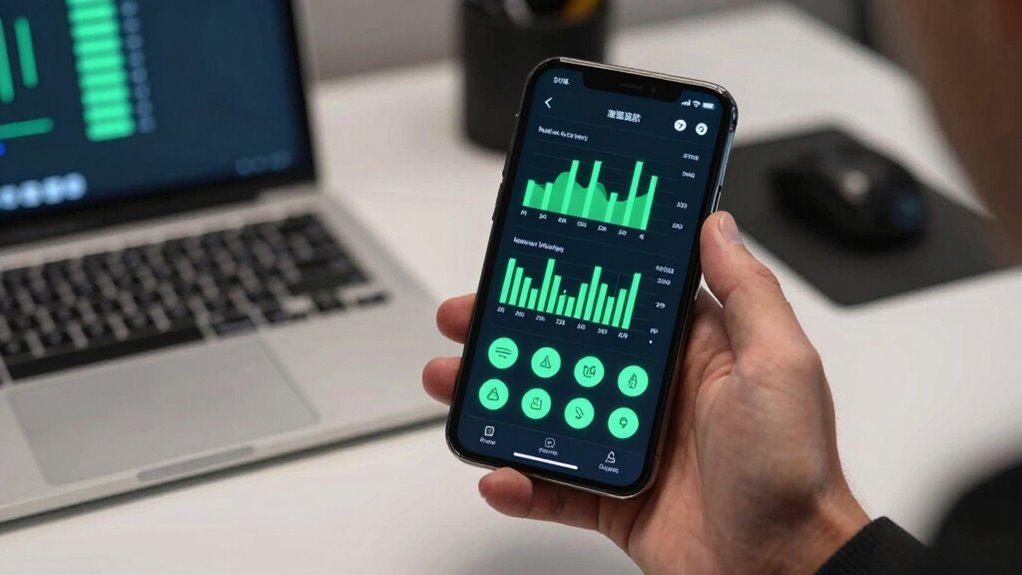
If your backup connection isn’t working smoothly, start by checking the signal strength and quality to make certain you have a solid link. Next, verify that your device is configured correctly to use the cellular backup properly. Finally, test the backup path to confirm it activates when needed and troubleshoot any issues that arise.
Signal Strength and Quality
Poor signal strength and quality are common culprits behind cellular backup connection issues. If your device struggles to maintain a stable connection, it can cause disruptions or slow data transfer. To diagnose, focus on signal stability and perform bandwidth testing to gauge performance. Weak signals often lead to dropped connections, so moving to a higher location or away from obstructions can improve signal quality. Using signal meters or apps helps identify areas with stronger reception. You should also check for interference from nearby devices or structures. Regular bandwidth testing ensures your connection meets necessary speed requirements. Addressing these issues promptly can restore a reliable backup path, keeping your system resilient during outages.
- Check signal bars and use signal meters for accuracy
- Test bandwidth during peak and off-peak hours
- Move closer to a window or higher ground
- Reduce interference from other electronic devices
- Use apps to monitor signal stability over time
Proper Device Configuration
Are your cellular backup connection issues due to misconfigured settings? Making sure proper device configuration is essential. Start by checking that your device is correctly calibrated, which helps it interpret signals accurately. Incorrect calibration can cause connection drops or slow data transfer. Next, focus on signal optimization; make sure your antenna is properly connected and positioned for the best reception. Verify that network settings, such as APN (Access Point Name), are correctly entered according to your carrier’s specifications. Disable any unused network modes that might cause conflicts. Restart your device after making adjustments to confirm changes take effect. Proper device calibration and signal optimization are key to establishing a reliable backup connection, reducing troubleshooting time, and maintaining consistent connectivity during outages.
Testing Backup Path
Wondering whether your backup path is functioning correctly? To verify, test your cellular connection regularly by disabling your primary network and observing if your backup kicks in seamlessly. Check for network security issues that may block data encryption, which can hinder proper failover. Ensure your device’s firmware is current to support secure, encrypted connections. Confirm that your backup path maintains data encryption standards to protect sensitive information during transmission.
- Verify signal strength and stability during failover
- Confirm VPN or encryption settings are active
- Test for DNS resolution issues on the backup path
- Review network security protocols that might interfere
- Conduct periodic manual failover tests to ensure reliability
How to Repeat the Test to Ensure Consistent Reliability

To guarantee your cellular test results are reliable, it’s essential to repeat the test multiple times under the same conditions. Consistent testing verifies that your backup path maintains network redundancy and confirms your signal optimization efforts. Perform the test during different times of the day to account for network congestion and environmental factors. Make certain your device is stationary and in the same location for each test to keep conditions consistent. Record the results to identify patterns or fluctuations. Repeating tests helps you catch issues like signal drops or weak coverage that could compromise your backup connection. This process ensures your cellular backup remains dependable, giving you peace of mind knowing your system is resilient and ready when needed.
Best Apps and Tools for Testing Your Cellular Backup Connection
To keep your cellular backup connection reliable, you need the right tools. Top backup testing apps help monitor signals and identify weak spots. By using these apps, you can make certain your connection stays steady when you need it most.
Top Backup Testing Apps
When it comes to guaranteeing your cellular backup connection is reliable, using the right testing apps can make all the difference. These tools help validate network optimization, confirm data encryption, and ensure your backup path is active. Popular apps include:
- Speedtest by Ookla for quick upload/download speeds
- Network Signal Guru for detailed signal analysis
- OpenSignal for coverage mapping and performance insights
- Network Cell Info for real-time cell tower info
- Fing for network security and device discovery
These apps enable you to identify weak spots, verify data encryption protocols, and confirm your backup connection’s stability. They’re essential for maintaining a robust, secure backup path, giving you confidence your data remains protected and your network optimized during outages.
Monitoring Cellular Signals
Monitoring cellular signals is essential for guaranteeing your backup connection remains strong and reliable, especially during outages or network congestion. To do this effectively, you need tools that can detect signal interference and assess overall strength. Many apps and tools provide real-time signal metrics, helping you identify weak spots or interference sources that could affect your backup. When choosing monitoring tools, guarantee device compatibility with your smartphone or tablet to get accurate readings. Some apps also offer detailed graphs and alerts, so you can quickly respond to drops in signal quality. Regularly tracking your cellular signals allows you to optimize your setup and confirm your backup path is ready when needed. Staying proactive ensures minimal downtime and reliable connectivity during critical moments.
Ensuring Connection Reliability
Ensuring your cellular backup connection stays reliable requires using the right apps and tools to test its performance regularly. These tools help verify network redundancy and optimize signals for consistent connectivity. By monitoring your backup path, you can identify weak spots and improve overall stability. Effective testing guarantees your backup connection remains ready during outages or network congestion.
Consider these tools to enhance your connection reliability:
- Signal monitoring apps for real-time strength analysis
- Speed test tools to verify bandwidth and latency
- Network diagnostic apps for identifying interference
- VPNs for secure backup testing
- Cellular network management tools for signal optimization and redundancy checks
When to Upgrade Your Backup Method or Provider
If your current backup method or provider isn’t keeping pace with your needs, it’s time to contemplate an upgrade. You should consider upgrading if you notice gaps in data encryption, risking exposure of sensitive information. Stronger encryption ensures your data remains secure during transit and storage. Additionally, review user permissions; if your team members have outdated or excessive access, it’s a sign to switch providers or methods that offer better permission controls. An upgraded solution should give you more control over who can access or modify backups, reducing the risk of accidental or malicious data breaches. When your current setup can’t adapt to evolving security requirements or manage permissions effectively, it’s a clear indicator that an upgrade is necessary to maintain data integrity and security.
Tips for Maintaining a Reliable Cellular Backup Path
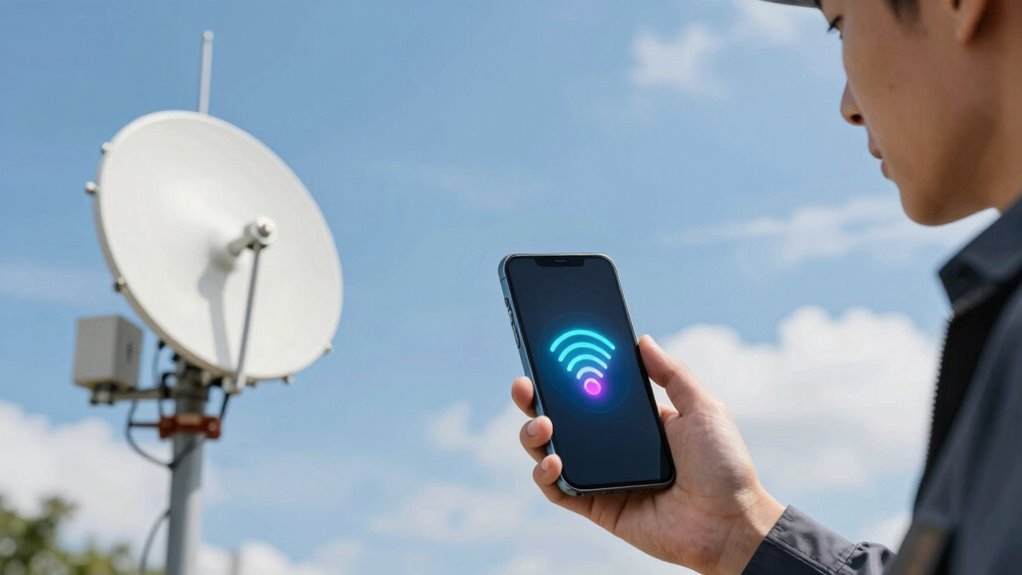
To keep your cellular backup path reliable, you need to proactively enhance your connection settings and hardware. Regularly test your backup to ensure it functions during emergencies and maintains data redundancy. Keep your device firmware updated to prevent glitches that could disrupt emergency communication. Position your antenna or router for maximum signal strength, especially in areas prone to poor reception. Use dual-SIM phones or dual-band networks to diversify your connection options. Maintain a backup power source like a portable charger to keep your backup path active during outages.
- Regularly run connection tests to verify reliability
- Monitor signal strength and adjust placement accordingly
- Enable automatic network switching where possible
- Keep hardware clean and free of obstructions
- Backup essential data to cloud services for quick recovery
Final Tips: Preparing Your Backup Connection Before a Disaster
Preparing your backup connection before a disaster strikes is essential to maintaining communication when it matters most. Focus on establishing reliable network redundancy to guarantee your backup path functions seamlessly when your primary network fails. Test your backup connection regularly to confirm it’s operational and ready for deployment. Keep your backup devices updated and well-maintained, and store backup SIM cards or equipment in accessible locations. Incorporate disaster preparedness into your planning by training staff on switching to backup connections quickly. Document your procedures and conduct drills to identify potential issues. By proactively preparing your backup connection, you reduce downtime and ensure continuous communication, which is crucial during emergencies. Staying ahead with these steps makes your disaster response more effective and resilient.
Frequently Asked Questions
Can I Test My Cellular Backup Without Disrupting My Internet Connection?
Yes, you can test your cellular backup without interrupting your internet connection. Simply check your device’s signal strength and make sure it’s compatible with your backup system. Use a dedicated device or app designed for testing cellular connections, so you won’t interfere with your primary internet. This way, you verify the backup path’s reliability while maintaining your current internet service, avoiding any disruptions during the test.
How Often Should I Perform Cellular Backup Tests?
You should perform cellular backup tests at least once a month to make certain reliable cellular coverage and backup frequency. Regular testing helps identify any issues early, so you can address them before an emergency. If you rely heavily on your backup, consider testing more frequently, like bi-weekly. Staying proactive guarantees your backup path remains functional, providing peace of mind when your primary internet connection faces disruptions.
What Indicators Show a Cellular Backup Is Failing?
If your cellular backup is failing, you’ll notice weak signal strength or inconsistent network latency. You might experience slow data transfer, frequent disconnections, or difficulty accessing your backup services. Keep an eye on these indicators, and if they persist despite good coverage, it’s a sign your backup path may be compromised. Regular testing helps catch issues early, ensuring your backup remains reliable when needed most.
Does Location Affect Cellular Backup Test Results?
Yes, location influences cellular backup test results because cellular signal strength varies depending on your area. If you’re in a remote or urban location with poor coverage, your backup reliability may decrease, leading to failed tests or slower data transfer. To guarantee your backup works when needed, regularly check your cellular signal and perform tests in different spots. Strong signal areas will give you more confidence in your backup path’s reliability.
Are There Legal Considerations When Testing Cellular Backup Connections?
Imagine you’re testing your cellular backup connection at work. You need to take into account legal considerations, like obtaining testing permissions from your organization or network provider, to avoid legal issues. Failing to do so could breach policies or regulations. Always make sure you have proper authorization before conducting tests, as unauthorized testing can lead to legal consequences. Clear communication and documented permissions help you stay compliant and avoid potential legal trouble.
Conclusion
By regularly testing your cellular backup, you’re fundamentally building a secret fortress that can withstand any digital disaster. Don’t wait for a catastrophe to find out it’s not working—stay ahead of the chaos and keep your data safe, no matter what. A quick test now could save you from endless frustration later. So, stay vigilant, keep your backup fortress strong, and sleep peacefully knowing your digital world is truly invincible.