
TL;DR

Get privacy and security gear delivered free with Prime
- Fast, free delivery on millions of items
- Prime Video, Amazon Music and more included
- Member-only deals all year
Researchers have discovered malware infecting Android-based automotive head units, potentially compromising vehicle systems. The malware’s presence raises security concerns for connected vehicles.
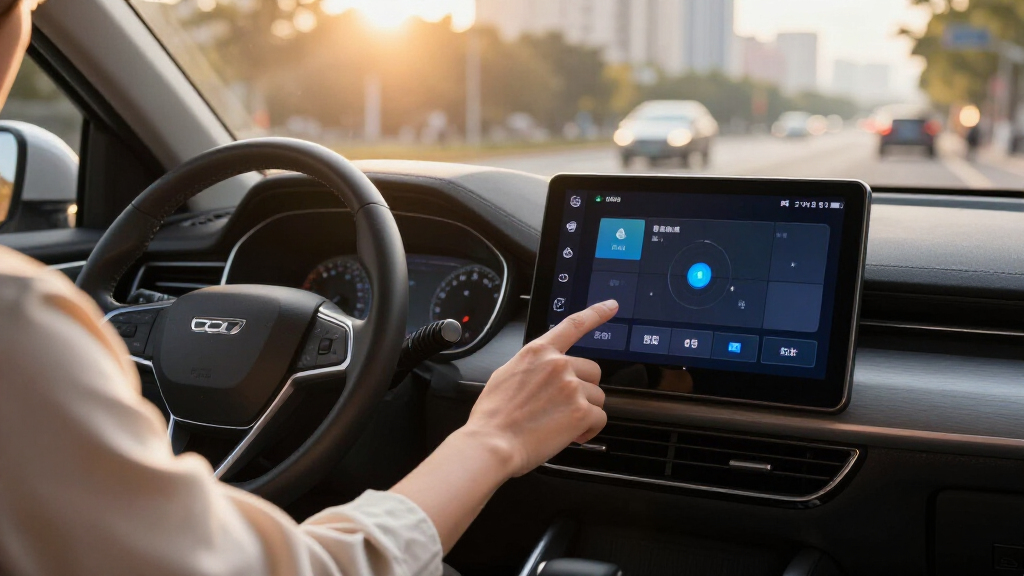
Security researchers have confirmed the presence of malware infecting the firmware of Android-based automotive head units, a development that could compromise vehicle systems and driver safety. This discovery highlights vulnerabilities in connected vehicles and underscores the growing cybersecurity risks associated with modern automotive technology.
The malware was identified during a routine security audit conducted by a cybersecurity firm specializing in automotive systems. The infection was traced to a compromised firmware update process, which allowed malicious code to infiltrate the head unit’s operating system. The affected vehicles include several popular models equipped with Android-based infotainment systems, though the full scope of impacted vehicles remains under investigation.
According to the cybersecurity firm, the malware can potentially enable remote control of certain vehicle functions, such as unlocking doors, altering media settings, or even interfering with navigation systems. The firm emphasized that there is no evidence yet of the malware causing physical harm or directly affecting vehicle safety, but the risk of exploitation remains significant. Automakers have been notified, and firmware patches are reportedly being developed to address the vulnerability.
Potential Impact on Vehicle Security and Safety
This malware infection raises serious concerns about the cybersecurity of connected vehicles, especially those relying on Android-based infotainment systems. If exploited, malicious actors could gain unauthorized access to vehicle controls, potentially leading to safety risks, privacy breaches, or even vehicle theft. The incident underscores the importance of rigorous security measures in automotive firmware updates and the need for ongoing cybersecurity vigilance in the automotive industry.
Android automotive head unit firmware update tool
As an affiliate, we earn on qualifying purchases.
As an affiliate, we earn on qualifying purchases.
Growing Vulnerabilities in Automotive Android Systems
Android-based infotainment systems have become increasingly common in modern vehicles, offering features like navigation, media streaming, and smartphone integration. However, their widespread adoption has also introduced new security challenges, as these systems are often targeted by cybercriminals. Past incidents have revealed vulnerabilities in automotive software, but malware infecting firmware remains relatively rare and highly concerning.
This incident follows a series of discoveries highlighting the risks of insecure firmware update processes, which can be exploited to introduce malicious code. Automakers and cybersecurity experts have been warning about the increasing sophistication of attacks targeting connected vehicles, emphasizing the need for stronger security protocols.
car infotainment system security software
As an affiliate, we earn on qualifying purchases.
As an affiliate, we earn on qualifying purchases.
Extent of Affected Vehicles and Long-Term Risks
It is not yet clear how widespread the malware infection is across different vehicle models or manufacturers. Details about the specific malware strain, its capabilities, and whether it has been exploited in real-world attacks remain undisclosed. The long-term security implications are still being assessed by experts and automakers.
vehicle cybersecurity protection devices
As an affiliate, we earn on qualifying purchases.
As an affiliate, we earn on qualifying purchases.
Development of Security Patches and Industry Response
Automakers are expected to release firmware updates to remove the malware and patch security vulnerabilities within the coming weeks. Industry stakeholders are also likely to increase scrutiny of firmware update processes and enhance cybersecurity protocols for connected vehicles. Ongoing investigations will aim to determine if the malware has been exploited beyond initial detection.
automotive malware detection software
As an affiliate, we earn on qualifying purchases.
As an affiliate, we earn on qualifying purchases.
Key Questions
How does the malware infect the vehicle’s head unit?
The malware was introduced through a compromised firmware update process, which allowed malicious code to be installed during system updates.
Can this malware affect vehicle safety or operation?
Currently, there is no evidence that the malware has caused physical harm or operational failures, but it could potentially enable unauthorized control if exploited further.
Are all vehicles with Android-based head units at risk?
It is not yet confirmed how widespread the infection is, but vehicles with vulnerable firmware update processes are at potential risk.
What should vehicle owners do now?
Owners should monitor official communications from automakers for firmware updates and avoid installing unverified updates until patches are issued.
Will automakers improve cybersecurity measures after this incident?
Yes, automakers are expected to review and strengthen their firmware security protocols in response to this vulnerability.
Source: hn
Halloween Picks
halloween
As an affiliate, we earn on qualifying purchases.