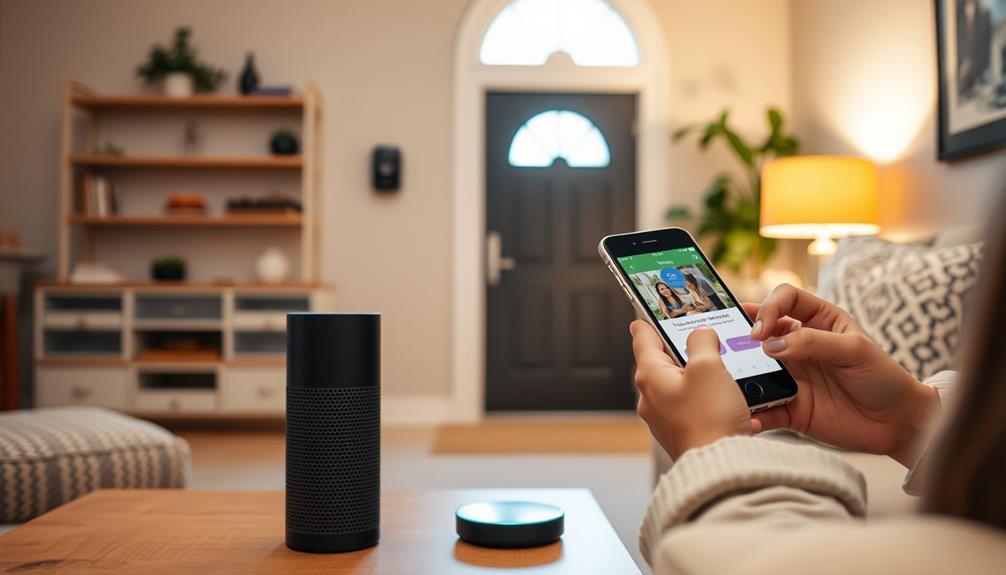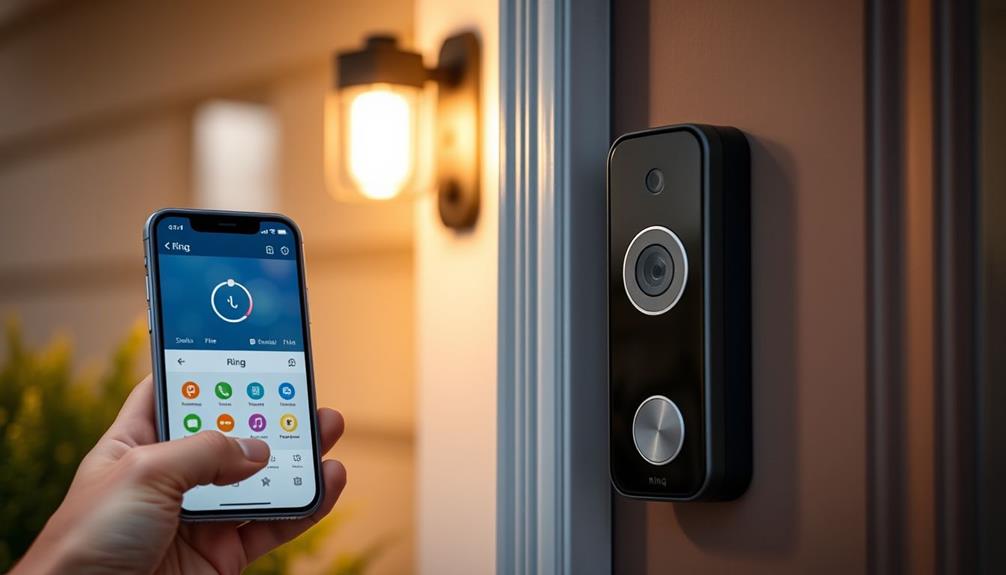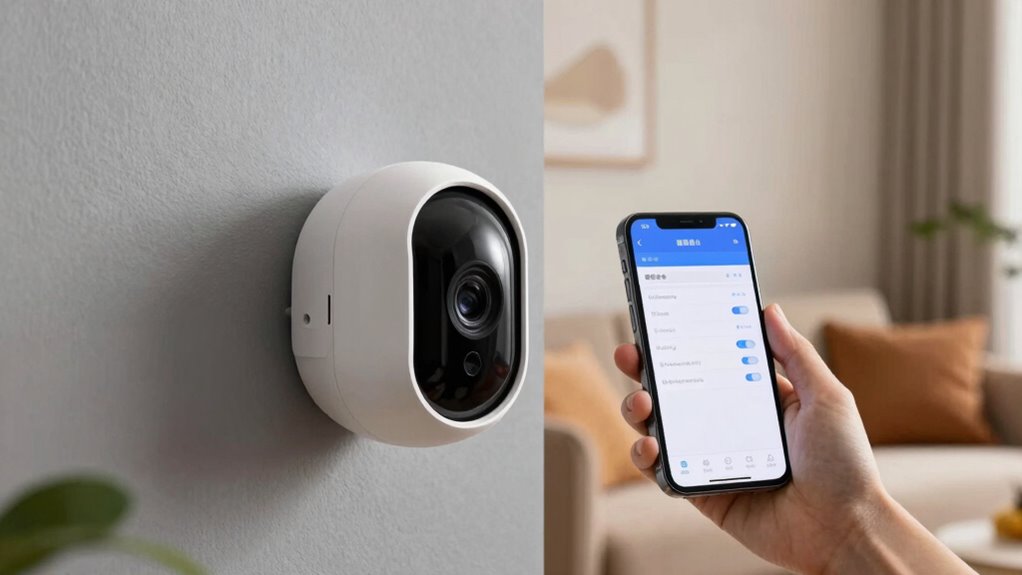
Before enabling two-way talk, you should disable voice recognition that transmits data to the cloud, turn off automatic data encryption, and restrict microphone and camera permissions to prevent unauthorized listening or recording. Additionally, review privacy settings to stop activity tracking and location sharing. Regularly update your device’s firmware and clear existing voice history to protect your privacy. To stay fully secure, consider the steps necessary after activation—more details await if you keep exploring.
Key Takeaways
- Disable voice recognition features that transmit data to the cloud to prevent unintended recording.
- Turn off automatic data encryption and review device security settings for sensitive conversations.
- Restrict microphone and camera permissions for apps to limit unauthorized listening or recording.
- Turn off activity tracking and location sharing features to reduce data exposure.
- Clear existing voice command history and disable features lacking end-to-end encryption to protect privacy.
Should You Enable Two-Way Talk? Pros and Cons
Deciding whether to enable Two-Way Talk depends on weighing its benefits against potential privacy risks. If you value quick communication, it can be a handy feature, allowing you to use voice command to speak directly through your device. It also simplifies device pairing, making it easy to connect and communicate with family members or others nearby. However, enabling Two-Way Talk means your conversations could be inadvertently overheard or recorded, raising privacy concerns. You might find it useful for immediate responses, but it also opens the door to unintended interactions or misuse. Consider whether the convenience outweighs the potential privacy trade-offs. If privacy is a top priority, you may prefer to disable this feature. Device security is another important aspect to consider, as enabling two-way communication could interact with local automation features, potentially affecting how your devices respond to voice commands or routines. Additionally, understanding the privacy settings of your device can help you better control when and how your conversations are shared or recorded. Being aware of cloud data storage implications can further help you manage your privacy effectively. Furthermore, reviewing the security zone configurations can help prevent unauthorized access to your devices and safeguard your conversations from potential breaches.
Understanding Privacy Risks of Using Two-Way Talk
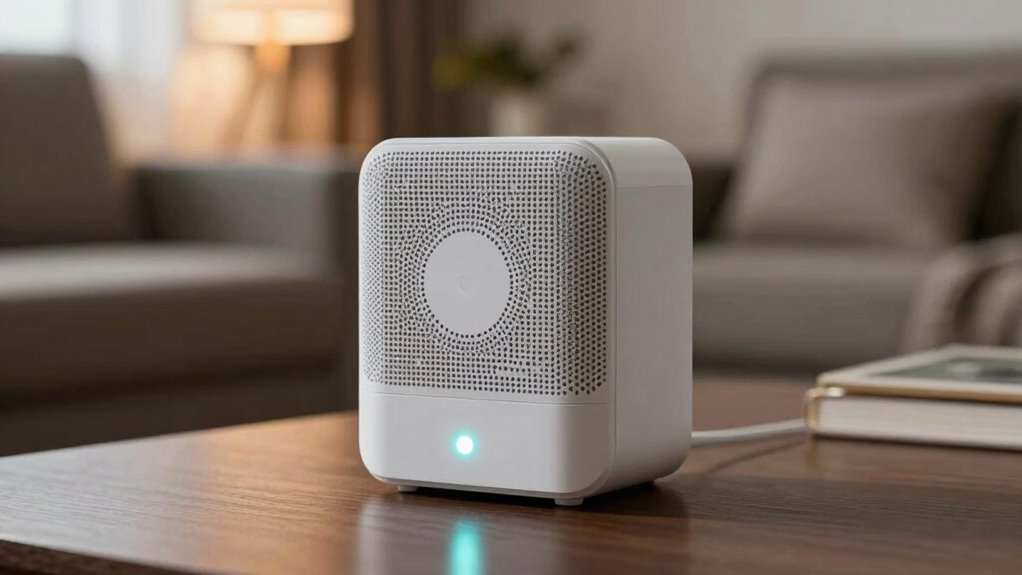
Using Two-Way Talk can expose your conversations to privacy risks, especially if the device is always listening or recording without your knowledge. Without proper safeguards, your audio data might be transmitted insecurely or stored without clear user consent. This can lead to unauthorized data access, increasing the risk of privacy breaches. Additionally, weak data encryption can make your conversations vulnerable to hacking. You might also unknowingly share sensitive information if privacy settings aren’t properly configured. To protect yourself, consider these risks:
- Conversations stored without explicit user consent
- Lack of end-to-end data encryption
- Unintentional recordings capturing private moments
- Potential for third-party access to stored data
- Devices listening constantly without alerting you
- Data security best practices can help minimize vulnerabilities and protect your privacy. Being aware of privacy settings helps you control what information is shared and stored. Regularly reviewing device permissions and updates can also help prevent unauthorized access to your conversations. Practicing privacy awareness can further enhance your control over sensitive data.
Awareness of these risks helps you make informed decisions about using Two-Way Talk features safely.
How to Find and Adjust Privacy Settings on Your Devices
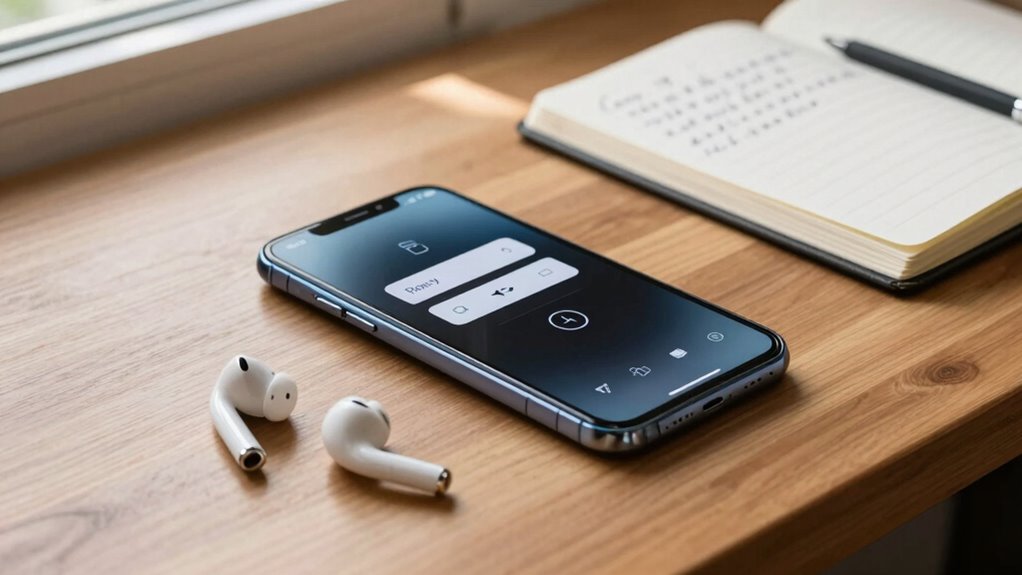
To safeguard your privacy when using Two-Way Talk, it’s vital to find and adjust your device’s privacy settings. Start by exploring your device’s menu for options related to voice recognition, which can often be enabled or disabled. Turning off voice recognition prevents your device from analyzing and storing your voice commands. Next, review data encryption settings; make sure your device encrypts your communications to protect sensitive information from interception. Check app permissions and disable access to your microphone or camera if you don’t need them active during Two-Way Talk sessions. Regularly updating your device’s software also enhances security. Additionally, understanding projector technology can help you optimize your setup for privacy and security, ensuring your conversations remain confidential. Familiarizing yourself with encryption protocols can further help you secure your communications against unauthorized access. Being aware of security vulnerabilities across different devices allows you to take proactive measures to defend against potential threats. It’s also beneficial to review your device’s privacy policy to understand how your data is handled and protected. By fine-tuning these settings, you reduce the risk of unauthorized access and guarantee your conversations remain private. Monitoring cryptocurrency market trends can also help you stay informed about potential security threats linked to digital assets.
Privacy Settings to Turn Off Before Using Two-Way Talk
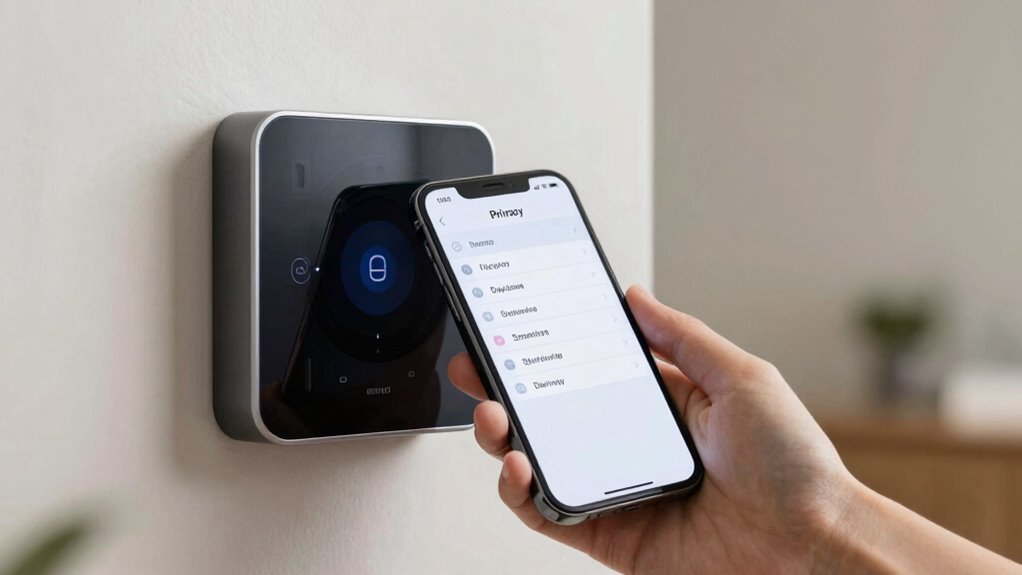
Before you start a Two-Way Talk session, it’s important to turn off certain privacy settings to prevent unintended data collection. Disabling these safeguards helps protect your privacy and limits the sharing of sensitive info. First, turn off voice recognition features, which often transmit your voice data to the cloud. Next, disable any automatic data encryption that might store recordings insecurely. Also, review app permissions to prevent access to your microphone and camera. Consider turning off activity tracking and location sharing, as these can reveal more about your habits. Finally, clear existing voice command history to avoid accidental data retention. By adjusting these settings, you minimize the risk of your conversations being stored or analyzed without your consent. Understanding privacy risks can help you make more informed decisions about your device settings. Additionally, being aware of how home automation security works can further enhance your privacy protection strategies. Knowing how to securely manage smart device permissions is essential to safeguarding your personal information, especially when connected devices are involved.
Next Steps if You’re Concerned About Privacy (Post-Activation Tips)
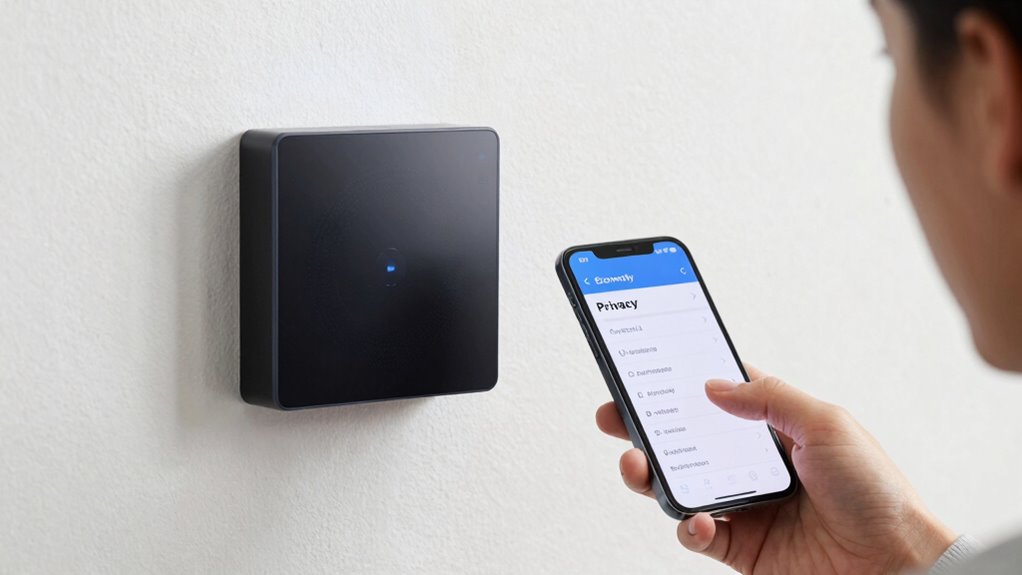
If you’re concerned about your privacy after starting a Two-Way Talk session, taking immediate action can help protect your sensitive information. First, review your device’s data encryption settings to ensure your conversations stay secure. Increasing user awareness about potential vulnerabilities helps you stay vigilant. Consider disabling features that transmit data openly or aren’t end-to-end encrypted. Protecting your privacy isn’t a one-time task—you need ongoing adjustments. Additionally, understanding the electric power capabilities of your device can help you better manage its data transmission and security features.
| Action Step | Benefit |
|---|---|
| Enable strong data encryption | Secures your conversations from interception |
| Limit microphone access | Prevents unauthorized listening |
| Regularly update firmware | Fixes security flaws and enhances privacy features |
Frequently Asked Questions
Can Two-Way Talk Be Hacked Remotely?
Yes, two-way talk can be hacked remotely if encryption protocols and user authentication aren’t strong enough. Hackers may exploit weak security measures, gaining access to your device’s two-way communication. To protect yourself, make certain your system uses robust encryption and strong, unique passwords. Regularly update firmware and enable two-factor authentication. Staying vigilant and securing your network helps prevent unauthorized access and keeps your conversations private.
How Does Two-Way Talk Affect Data Storage?
Two-way talk affects data storage by capturing and encrypting your conversations, ensuring that recordings are stored securely. You typically need to give user consent for these recordings, and encrypted storage protects your data from unauthorized access. Be aware that storing sensitive conversations without proper security measures can lead to privacy risks. Always review your device settings to control how your data is stored and who can access it.
Are There Legal Restrictions on Recording Conversations?
Yes, there are legal restrictions on recording conversations. You need to guarantee legal compliance by understanding consent requirements in your jurisdiction. In some places, you must inform all parties involved before recording, while others only require one-party consent. Failing to meet these rules can lead to legal consequences. Always check local laws and obtain consent to avoid regrets, especially if you plan to share or use the recordings later.
What Devices Are Most Vulnerable to Privacy Breaches?
Devices like smart speakers, security cameras, and voice assistants are most vulnerable to privacy breaches. They often collect data based on their privacy policy, which you should review carefully. Always make certain user consent is obtained or clearly indicated, especially when sharing sensitive information. Disable features like two-way talk or microphone access if you’re concerned about unauthorized listening. Regularly update your device settings to protect your privacy and prevent potential breaches.
How Often Should Privacy Settings Be Reviewed?
Think of your privacy policy and user permissions as a garden that needs regular tending. You should review your privacy settings at least quarterly, or more often if you notice changes or updates. This guarantees your digital boundaries stay strong and adapt to new threats. By doing so, you keep your personal information safe and prevent surprises that could lead to regret. Regular checks keep your privacy landscape healthy and secure.
Conclusion
Before you activate two-way talk, picture your words echoing into a quiet room, vulnerable to unintended listeners. Turning off the right privacy settings is like closing a window to keep the outside world at bay. Take control now—adjust those controls, and create a barrier that shields your conversations from prying eyes. When you safeguard your privacy, you preserve your peace, ensuring your digital space remains a safe haven rather than an open door.