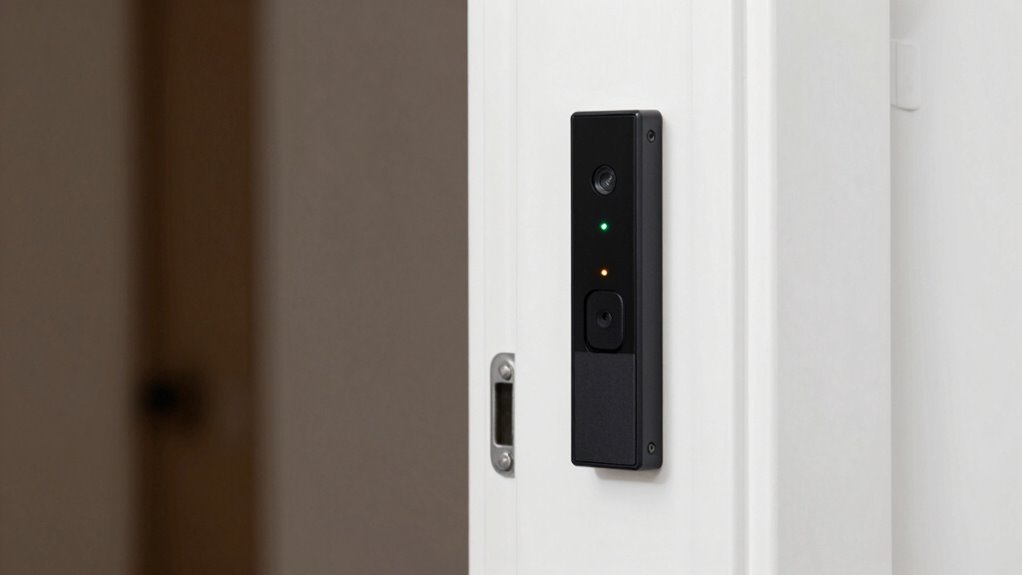

Enabling ‘Chime Mode’ on your entry sensors might alert you to door openings, but it also secretly exposes your home’s activity, risking privacy breaches and security vulnerabilities. If sensors aren’t properly calibrated or updated, they can send false alarms or reveal when you’re home or away, making your system less reliable. To better protect your space, understanding how to adjust settings and explore safer options is essential—you’ll find important tips if you continue exploring this topic.
Key Takeaways
- Chime Mode signals activity but may reveal occupancy, exposing privacy to neighbors or potential intruders.
- False alarms from miscalibration or environmental factors can lead to complacency, reducing system effectiveness.
- Outdated firmware vulnerabilities can be exploited, risking unauthorized access or manipulation of the sensor.
- Relying solely on chimes creates a false sense of security, potentially overlooking actual security breaches.
- Regular maintenance, calibration, and privacy controls are essential to mitigate hidden security and privacy risks.

KEYESTUDIO 48 Sensors Modules Starter Kit for Arduino with LCD, 5v Relay, Sound, LED Modules, Servo Motor, Motion, Pressure Sensor, Gas Sensor, etc.Programming for Beginners Adults Learning
This electronic sensor kit contains 48 pieces most popular and mainstream sensors and modules, allow you to do…
As an affiliate, we earn on qualifying purchases.
As an affiliate, we earn on qualifying purchases.
What Is ‘Chime Mode’ on Entry Sensors?
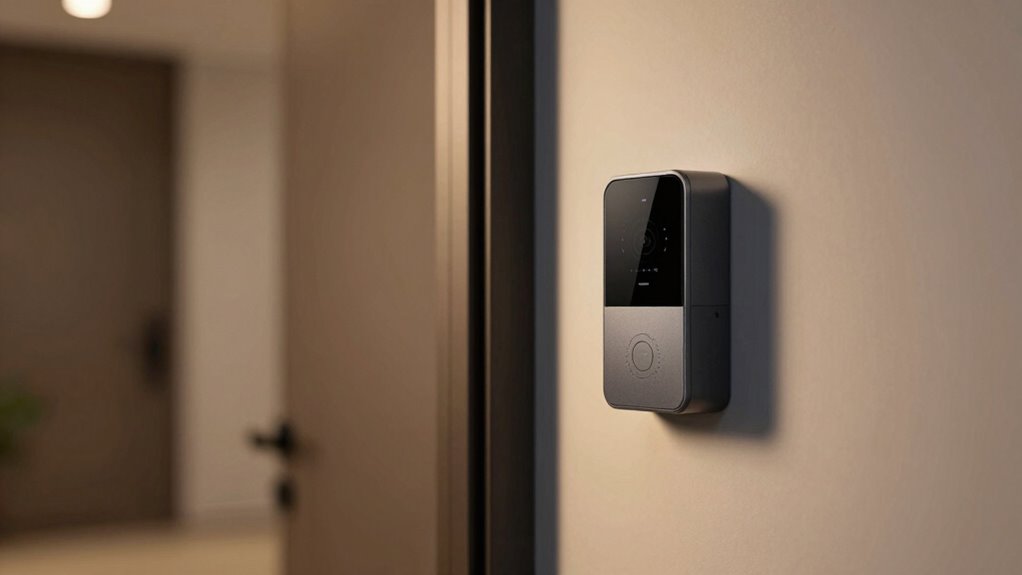
Chime mode on entry sensors is a setting that makes your alarm system emit a sound whenever a door or window is opened, providing a friendly alert. To guarantee it works properly, you need to regularly perform sensor calibration, which helps the sensor accurately detect openings without false alarms. Proper calibration prevents unnecessary chimes and guarantees the system responds correctly. Additionally, keeping an eye on battery life is vital because sensors with low batteries may not activate chimes consistently or could give false alerts. If the battery is weak, the sensor might miss an open or close event, reducing overall security. Regularly checking and replacing batteries, along with calibration, keeps your chime mode functioning smoothly and reliably. Understanding how sensor maintenance impacts your alarm system can help ensure consistent performance. Moreover, considering contrast ratio and other display settings can optimize your system’s notifications and alerts for clarity and effectiveness. Maintaining optimal sensor calibration ensures your system remains dependable, especially in critical security situations. Regularly monitoring sensor performance can help detect issues early and prevent potential security gaps.

Enegitech CR123A 3V Lithium Battery, 123 3 Volt Lithium Battery, for Home Security Sensor Motion Sensor Door Lock High Intensity Flashlights Long-Lasting Non-Rechargeable (CR123A 4 Pack)
Enegitech CR123A Lithium Battery Type: Non-rechargeable Lithium Battery, Voltage: 3V, Capacity: 1600 mAh ***These batteries are disposal batteries,…
As an affiliate, we earn on qualifying purchases.
As an affiliate, we earn on qualifying purchases.
Why Do Homeowners Enable ‘Chime Mode’ and What Are Its Benefits?
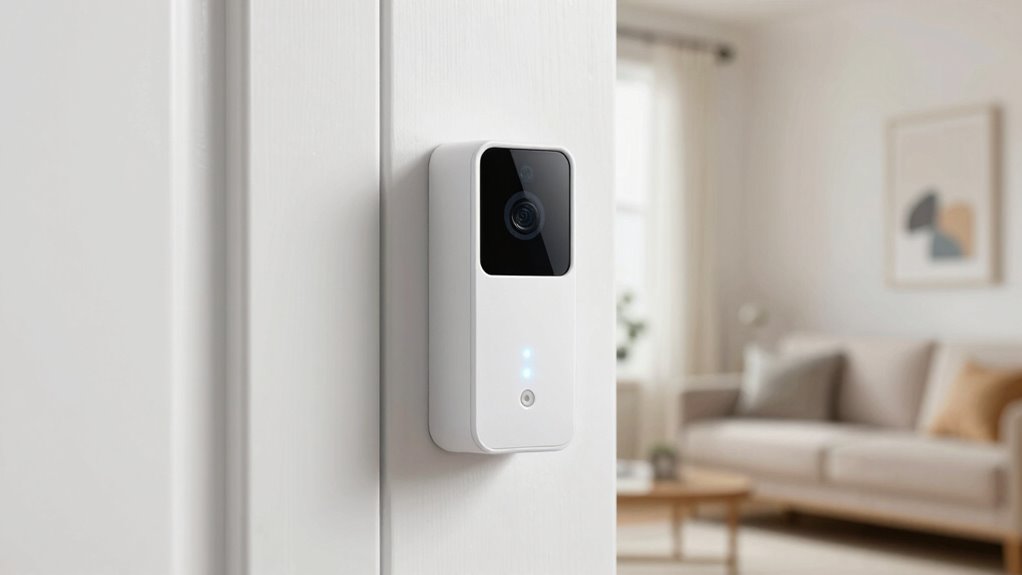
Many homeowners turn on ‘Chime Mode’ because it offers a simple way to stay aware of activity around their doors and windows. When enabled, the chime alerts you whenever a sensor detects motion or an opening, providing immediate feedback. This feature is especially useful for keeping track of entries without constantly checking your security app. To guarantee ‘Chime Mode’ works correctly, you need to regularly perform sensor calibration and adhere to maintenance schedules. Proper calibration keeps the sensors responsive, preventing false alarms or missed detections. Maintenance, like cleaning and testing the sensors, helps sustain their reliability. Additionally, selecting the appropriate sensor tip size and ensuring effective filtration can improve sensor performance and longevity. Regularly updating firmware can also enhance sensor reliability and ensure optimal operation. Being aware of sensor calibration and maintenance best practices is essential for maintaining a dependable security system. By enabling ‘Chime Mode,’ you gain real-time awareness, but it’s important to keep sensors well-maintained to maximize its benefits, including understanding how sensor sensitivity adjustments impact detection accuracy. Moreover, understanding sensor placement can significantly influence detection effectiveness and reduce false alarms.

Aqara Zigbee Door and Window Sensor 3 Pack, Wireless Mini Contact Sensor, Home Automation, Requires Aqara Hub, Zigbee Connection, Kid Safety, Compatible with Apple HomeKit, Alexa, Works with IFTTT
[Notes] An Aqara Hub is required and sold separately. (Not compatible with hubs from other brands.) Requires a…
As an affiliate, we earn on qualifying purchases.
As an affiliate, we earn on qualifying purchases.
How ‘Chime Mode’ Can Create Security Risks for Your Home

While enabling ‘Chime Mode’ helps you stay informed about activity at your doors, it can also introduce security vulnerabilities. If your sensors aren’t properly calibrated, false chimes might occur or, worse, the sensor could misfire, creating gaps in your security. Additionally, neglecting firmware updates can leave your system exposed to hackers who exploit outdated software vulnerabilities. These updates often include important security patches that protect your sensors from remote interference or manipulation. When ‘Chime Mode’ is active, it may inadvertently reveal when you’re home or away, giving potential intruders clues about your schedule. To minimize risks, regularly calibrate your sensors and keep their firmware current. This guarantees your system functions reliably without compromising your home’s security. Regularly checking your sensor calibration and firmware updates enhances both safety and system performance. Maintaining software security is essential to prevent unauthorized access and ensure your security system remains resilient. Staying vigilant about security best practices can further reduce potential threats. Additionally, understanding the features and limitations of your sensors can help you optimize security while minimizing vulnerabilities. Being aware of digital safety measures can also help prevent cyber threats targeting your connected devices.

RF IDEAS BSE-PCPRX-SNR AUTOLOCKING Sensor, Includes MOUNTING Bracket, NO Software, Sonar Presence Detector, USB Interface
As an affiliate, we earn on qualifying purchases.
As an affiliate, we earn on qualifying purchases.
How ‘Chime Mode’ May Reveal When You’re Home or Away

When your entry sensors emit chimes whenever doors or windows open, they can unintentionally reveal your presence or absence. This is especially true if someone nearby hears the familiar sounds, compromising your sensor privacy. For example, you might see:
- The chime alerting a neighbor that you’ve arrived home.
- The sensor’s tone giving away when you leave or return.
- The sound indicating device compatibility issues, which could be exploited. Sensor privacy is a critical aspect of smart home security that many users overlook. These signals can be exploited by anyone listening, making it easier for intruders to determine your activity patterns. To minimize this risk, check if your sensors allow disabling chimes or adjusting volume. Understanding how sensor privacy works with your device compatibility is vital for maintaining your home’s security. Smart home integration features can also help manage these alerts more discreetly. Additionally, reviewing sensor privacy settings regularly can help you stay aware of potential vulnerabilities. Implementing privacy controls can further reduce the chance of unintended disclosures. Being aware of the chime mode settings helps ensure your home remains as secure and private as possible.
Can ‘Chime Mode’ Give a False Sense of Security?
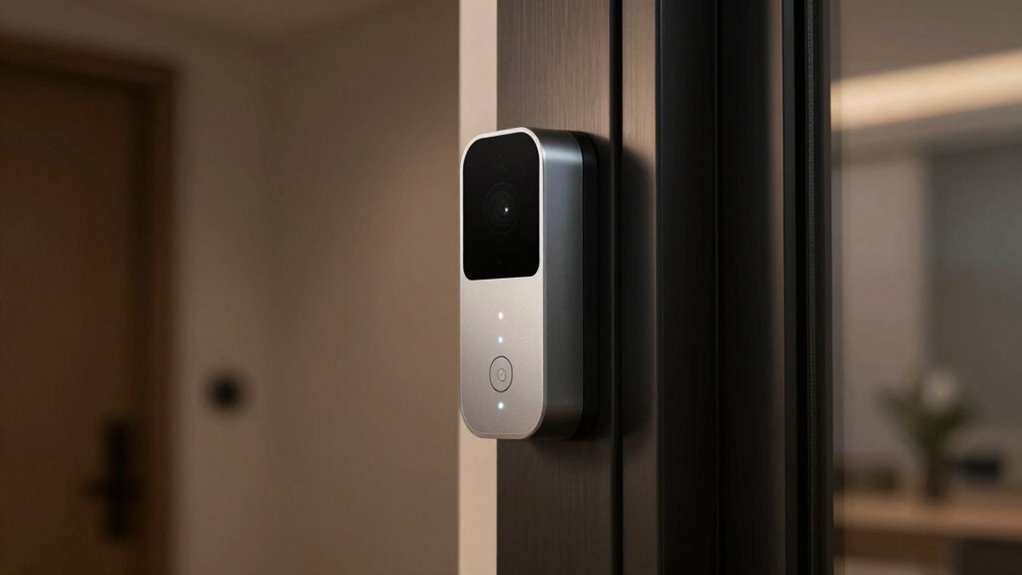
You might believe that having chime mode activated makes your home more secure, but it can actually create a false sense of safety. Chime mode only signals when doors or windows open, not if the sensor is properly calibrated or functioning correctly. If your sensor’s calibration is off or firmware updates are overdue, the chime might alert you to a false opening or miss an actual breach. Regular sensor maintenance is essential for ensuring reliable security and avoiding false alarms. Additionally, understanding sensor calibration helps ensure your system responds accurately to real events. Maintaining proper device alignment is also crucial for accurate detection and avoiding false triggers. Proper waterproofing of sensors can help prevent malfunctions caused by environmental factors, ensuring consistent performance. Being aware of environmental influences and performing routine inspections can further reduce the risk of false alarms and improve overall sensor reliability.
How to Manage or Disable ‘Chime Mode’ Safely
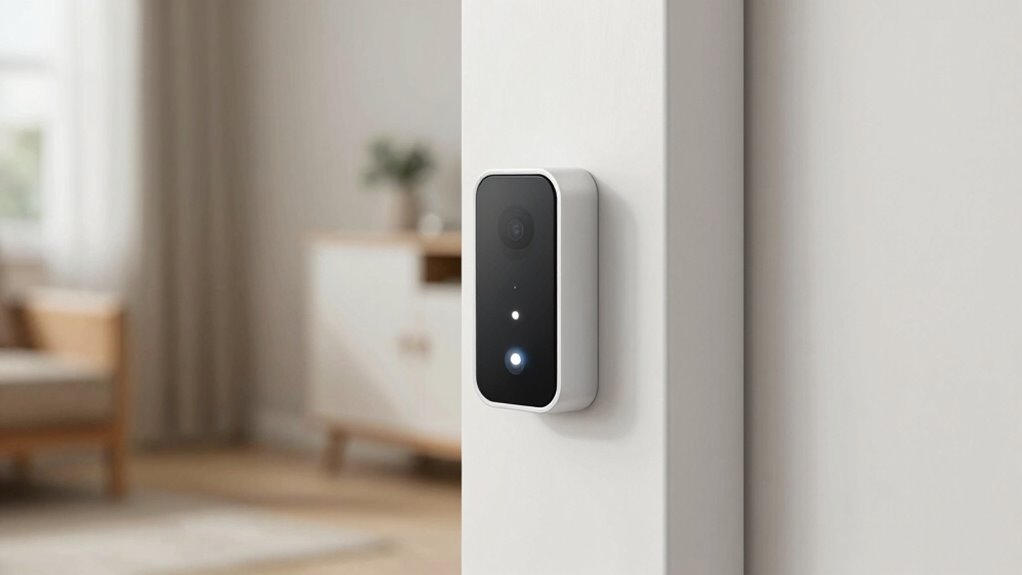
Managing or disabling ‘Chime Mode’ can enhance your home security by preventing unnecessary distractions or false alerts. To do this safely, start with these steps:
- Sensor Calibration – Make certain your sensors are properly calibrated so they detect entry points accurately without false triggers.
- Battery Maintenance – Check and replace batteries regularly to keep sensors functioning reliably and avoid miscommunication.
- Disabling ‘Chime Mode’ – Use your app or control panel to turn off chime alerts, but do so only after confirming the sensors are calibrated and batteries are fresh.
- Understanding Sensor Functionality – Familiarize yourself with how entry sensors work and the importance of proper sensor calibration to maintain effective security.
Always test the sensors after adjusting settings to confirm they trigger alarms correctly. Proper sensor calibration and battery maintenance are essential to ensure safety when managing ‘Chime Mode’.
Are There Safer Alternatives to ‘Chime Mode’ for Entry Alerts?
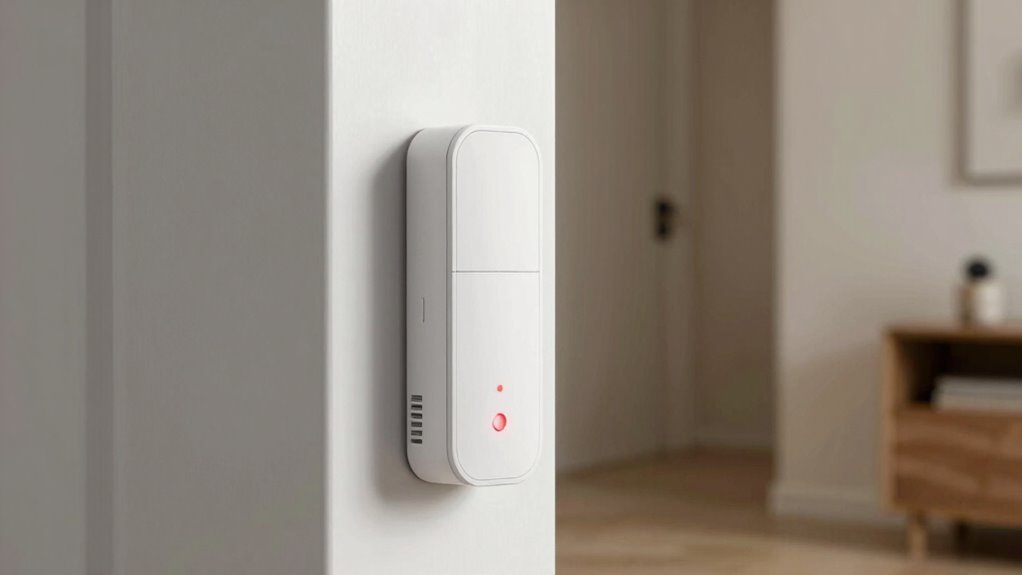
You might wonder if there are safer ways to get entry alerts without the security risks of “Chime Mode.” Exploring options like silent alerts or app notifications can help reduce vulnerabilities and false alarms. Let’s consider these alternatives to keep your home both alert and secure.
Potential Security Vulnerabilities
While Chime Mode can offer convenient entry alerts, it introduces notable security vulnerabilities that shouldn’t be overlooked. Hackers can exploit weak points, such as outdated sensor calibration, to disable notifications or trigger false alarms. Poor maintenance routines may leave sensors vulnerable to tampering or blind spots, increasing risk. Imagine a scenario where:
- An intruder disconnects or manipulates the sensor during calibration, preventing alerts.
- Firmware vulnerabilities allow unauthorized access to disable or modify alert settings.
- Neglected maintenance causes sensor blind spots, making it easier for intruders to enter unnoticed.
These vulnerabilities highlight how relying solely on Chime Mode can compromise security. Regular calibration and maintenance routines are essential to ensure reliable alerts, but they don’t eliminate the inherent risks associated with this feature.
Alternative Alert Options
To enhance security beyond what Chime Mode offers, explore alternative alert options that minimize vulnerabilities. Instead of relying on chimes, consider customizable alerts that activate only during specific times or conditions, reducing exposure to hacking. Proper sensor calibration ensures alerts are accurate, preventing false notifications or missed events. When choosing alternative options, verify device compatibility to ensure seamless integration with your existing security system. Some systems allow for silent alerts or push notifications directly to your smartphone, which can be more discreet and harder for intruders to detect. These alternatives help maintain situational awareness without broadcasting audible cues that could alert intruders or compromise your security. By selecting the right alert method, you strengthen your security while reducing the risks associated with traditional chime alerts.
Minimizing False Alarms
False alarms can undermine your security system’s effectiveness and lead to unnecessary disruptions. To minimize them, focus on proper sensor calibration and regular device maintenance. First, ensure your sensors are correctly calibrated so they respond accurately to door and window movements. Second, perform routine device maintenance by cleaning sensors and checking battery levels. Third, verify that entry sensors aren’t overly sensitive, which can cause false triggers. Instead of relying on ‘Chime Mode,’ consider setting alerts that only notify you when entry points are opened, without sounding alarms. This approach reduces false alarms while keeping you informed. Regular calibration and maintenance help your system distinguish between genuine threats and everyday activities, providing safer and more reliable alerts.
How to Customize Your Sensors’ Settings to Protect Your Privacy
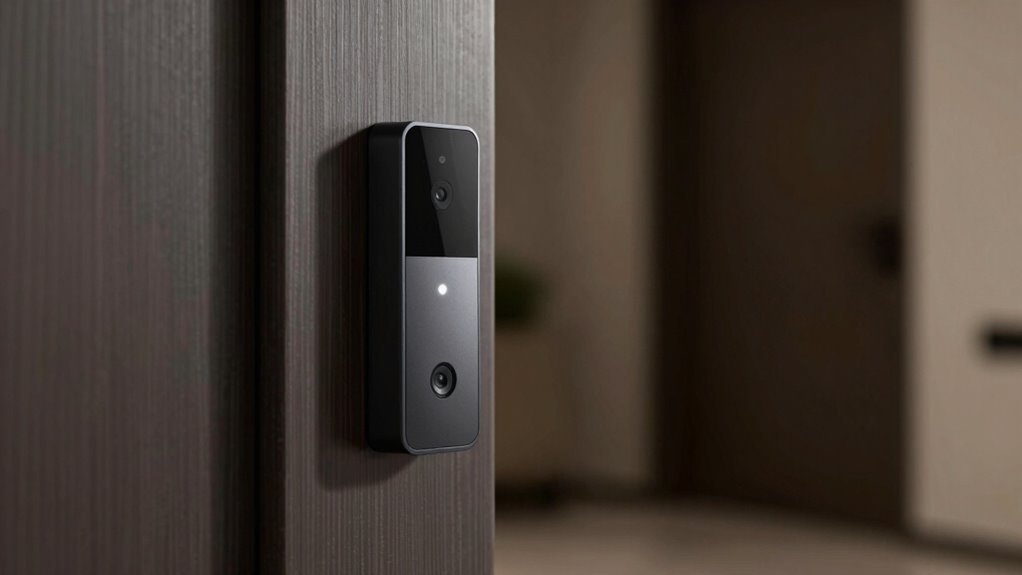
Adjusting your entry sensors’ settings is essential for safeguarding your privacy, especially when features like “Chime Mode” can inadvertently expose your activity. To do this effectively, utilize sensor customization options to turn off notifications during specific times or when you’re home. Access your system’s privacy controls to disable sounds or alerts that might reveal your presence. Many sensors allow you to adjust sensitivity levels, reducing false triggers that could compromise privacy. Review and modify these settings regularly to ensure they align with your comfort level. By tailoring your sensors’ configurations, you prevent unnecessary alerts and limit visibility into your daily routines. Proper sensor customization gives you control over what information is shared, helping you maintain privacy without sacrificing security.
Easy Tips to Improve Home Security Beyond Entry Sensors
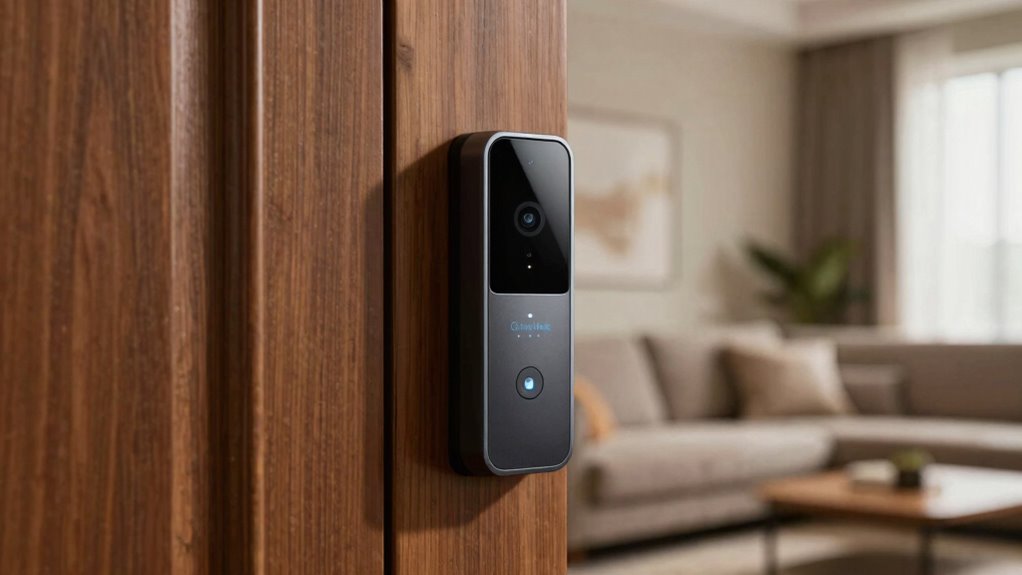
While entry sensors play a vital role in home security, enhancing your safety requires a thorough approach. Start by adjusting sensor sensitivity; setting it too high can cause false alarms, while too low might miss intrusions. Regularly check and replace batteries to maintain maximum battery lifespan, preventing unexpected failures. To boost your overall security, consider these steps:
- Install motion-activated lights around your property to deter intruders.
- Use a security camera system to monitor and record activity in real-time.
- Strengthen doors and windows with sturdy locks and reinforcement plates.
What Every Homeowner Needs to Know About Sensor Privacy and Features

Understanding the privacy settings and features of your entry sensors is essential for maintaining both security and peace of mind. Properly configured sensors use encryption to protect your data, preventing unauthorized access. Familiarize yourself with privacy settings to control who can view or modify sensor information. Many sensors offer options like disabling audible chimes or adjusting notification preferences, which can reduce unnecessary alerts and safeguard your privacy.
| Setting | Description | Benefit |
|---|---|---|
| Sensor Encryption | Protects data transmission from hacking | Ensures data safety |
| Privacy Mode | Limits sensor visibility and alerts | Maintains privacy |
| Chime Control | Turns chime notifications on/off | Reduces noise and disturbance |
| Notification Settings | Customizes alert preferences | Enhances user control |
Frequently Asked Questions
Can ‘Chime Mode’ Be Hacked or Manipulated Remotely?
Yes, ‘chime mode’ can be hacked or manipulated remotely if there are vulnerabilities in your system’s remote access. Hackers might exploit weak passwords or outdated software to gain control, causing false alerts or disabling your sensors. To protect yourself, guarantee your entry sensors have strong security measures, update firmware regularly, and avoid exposing remote access features to unnecessary risks. Stay vigilant to prevent potential hacking vulnerabilities.
Does Enabling ‘Chime Mode’ Impact Battery Life of Sensors?
Enabling ‘chime mode’ can slightly impact your sensor’s battery life by increasing battery drain, as the sensor activates more frequently to produce chimes. This extra activity may diminish the overall sensor lifespan over time. To preserve battery life, consider using chime mode selectively and monitoring your sensors’ performance. Regularly replacing or recharging batteries ensures continued reliability without compromising security.
Are There Legal or Privacy Issues With Recording Sensor Activity?
You should be aware that recording sensor activity can raise privacy concerns and legal implications. If your sensors capture audio or video without clear consent, you might violate privacy laws or regulations. Always check local laws and inform everyone in the monitored area about the recording to avoid legal issues. Being transparent about your sensor use helps safeguard your privacy and ensures you’re compliant with applicable regulations.
How Does ‘Chime Mode’ Affect Insurance Coverage or Claims?
Think of chime mode as a whispering guard that signals your activity, but it can also cast doubts on your insurance claims. If an incident occurs, insurers might see the constant alerts as suspicious, leading to coverage denial. This setting can complicate insurance implications, making it harder to prove your case. You need to understand how chime mode’s signals might be interpreted, so your coverage stays protected when you need it most.
Can ‘Chime Mode’ Interfere With Other Smart Home Devices?
Yes, ‘chime mode’ can cause sensor interference, leading to false alerts on your smart home devices. When chime mode is active, it may send signals that disrupt other sensors or devices nearby, causing them to trigger unnecessarily. This interference can weaken your system’s reliability, making it harder to distinguish real threats from false alerts. To avoid issues, consider disabling chime mode when you don’t need it.
Conclusion
Understanding the risks of ‘Chime Mode’ helps you make smarter security choices. For example, if you forget to disable it while on vacation, intruders could deduce when you’re away, increasing your vulnerability. By customizing your sensors and exploring safer alert options, you protect both your privacy and home. Stay vigilant, stay informed, and guarantee your security measures don’t inadvertently reveal your routines or compromise your safety.