Wearable safety devices offer quick, discreet emergency alerts, automatic fall detection, and real-time GPS tracking, making them ideal for outdoor or high-risk activities. Smartphones provide versatile safety features like calls, messaging, and emergency apps, but require more interaction and are vulnerable to battery life issues. Each has strengths and limits depending on your environment and needs. To find out which suits you best, explore more about their specific functionalities and situations where they excel.
Key Takeaways
- Wearables enable discreet, instant emergency alerts and automatic fall detection, while smartphones offer broader communication options.
- Wearables excel in quick access and real-time tracking in outdoor or high-risk situations but have limited signal range.
- Smartphones provide versatile safety tools but require user interaction and are vulnerable if battery or network fails.
- Wearables demand regular maintenance, proper placement, and power management to function reliably during emergencies.
- Both devices have strengths and limitations; wearables focus on immediate, automatic safety, whereas phones support comprehensive communication.
wearable safety device with GPS and emergency alert
As an affiliate, we earn on qualifying purchases.
As an affiliate, we earn on qualifying purchases.
What Are the Key Features of Wearable Safety Devices and Smartphones?

Wearable safety devices and smartphones both offer essential features designed to keep you protected, but they do so in different ways. Wearables focus on discreet, always-on safety functions, like GPS tracking and emergency alerts, providing quick access with minimal effort. Smartphones, on the other hand, combine multiple tools—calls, messaging, apps—making them versatile for various safety needs. However, privacy concerns are more prominent with wearables, as continuous location tracking can feel invasive. User convenience varies: wearables are lightweight and easy to wear, offering instant safety features, while smartphones require more interaction but provide broader functionality. Both devices aim to enhance your safety, but the choice depends on your preference for privacy, ease of use, and the level of protection you need. Additionally, innovative European cloud servers support the secure and sustainable management of data collected by these devices, ensuring your safety information remains protected. Understanding how contrast ratio impacts image clarity can help you make informed decisions about device displays, especially for visual alerts and interfaces. Furthermore, integrating smart home technology can enhance your safety environment by providing seamless monitoring and automation features, which are increasingly supported by trusted service providers to ensure reliability and data security. Considering the data security of these devices is crucial to maintaining your privacy and peace of mind.
discreet personal emergency alarm wearable
As an affiliate, we earn on qualifying purchases.
As an affiliate, we earn on qualifying purchases.
How Do Wearable Safety Devices Provide Quick Emergency Access?

When faced with an emergency, quick access to help can make all the difference. Wearable safety devices excel at this by providing instant emergency alerts with just a tap or voice command. They often feature built-in location tracking, so responders know exactly where you are without delay. This real-time information allows emergency services or trusted contacts to respond promptly, even if you’re unable to communicate verbally. Many devices automatically send alerts if they detect a fall or lack of movement, ensuring help arrives sooner. The combination of quick emergency alerts and precise location tracking ensures you can summon assistance rapidly, reducing response times and increasing your safety during critical moments. Additionally, modern technology enhances these devices with features like connectivity to smart home systems and health monitoring, further improving emergency response capabilities. These innovations demonstrate how wearable safety devices are evolving to offer more comprehensive protection. Moreover, integrating natural environmental cues can sometimes help in alerting nearby individuals or authorities, further enhancing safety measures.
A reliable communication system embedded in these devices can also facilitate direct contact with emergency responders, providing more immediate assistance when needed.
automatic fall detection safety device
As an affiliate, we earn on qualifying purchases.
As an affiliate, we earn on qualifying purchases.
What Are the Limitations of Wearable Safety Devices in Emergencies?
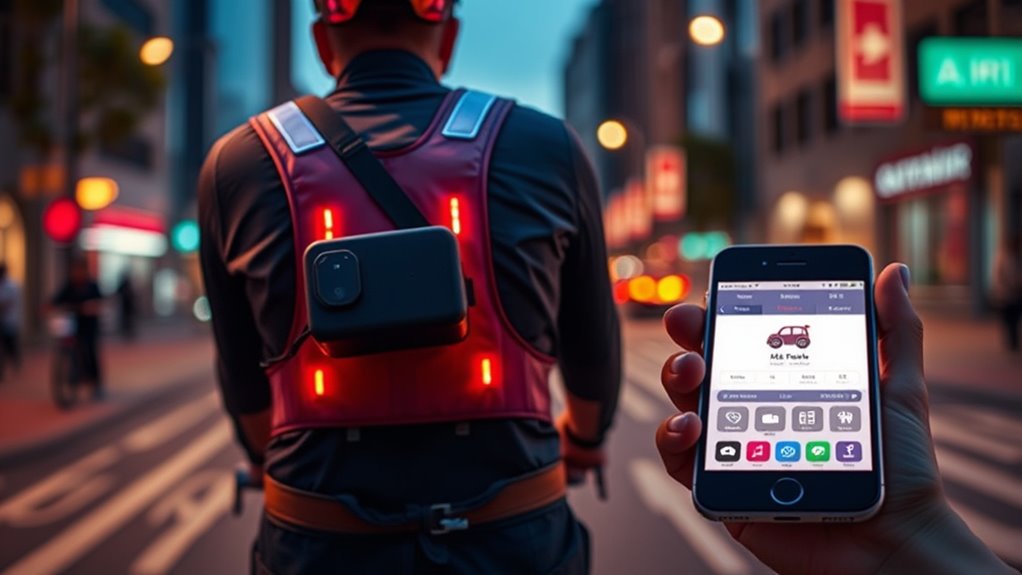
Wearable safety devices can face issues like limited signal range, which might prevent them from reaching help in remote areas. Battery life constraints mean they may run out of power during critical moments, leaving you unprotected. Additionally, device malfunctions or damage can stop these tools from working when you need them most. Moreover, device reliability can vary depending on the model and usage conditions, affecting their overall dependability in emergencies. Proper device placement is also crucial, as incorrect positioning can hinder signal transmission and responsiveness. Factors such as piercing care and hygiene are also important, as improper maintenance can lead to malfunctions or reduced effectiveness of safety features. Regular maintenance and adherence to safe installation practices are essential to ensure these devices function correctly when needed. Ensuring proper device maintenance can significantly improve their performance and longevity in emergency situations.
Limited Signal Range
Although wearable safety devices are designed to alert others in emergencies, their limited signal range can prevent timely assistance. The signal strength diminishes with distance, increasing connectivity issues when you’re far from base stations or other devices. This range limitation means help might not arrive when you need it most, especially in remote areas or large buildings. Understanding the constraints is vital for effective use. For example, knowing about deep-sky imaging can illustrate how signal transmission and equipment limitations impact performance in different contexts. Additionally, signal amplification technologies are being developed to extend the effective range of these devices, though they are not yet universally available.
Battery Life Constraints
One of the main limitations of wearable safety devices in emergencies is their battery life, which can quickly become a critical issue during a crisis. High power consumption means these devices drain batteries faster, reducing their operational time when you need them most. Unlike smartphones, wearables often have smaller batteries, making frequent charging necessary. This charging frequency can be inconvenient, especially in unpredictable emergency situations where quick access is essential. If your device’s battery runs out, you lose the ability to send alerts or call for help, risking safety. To mitigate this, you need to monitor usage, optimize settings, and keep spare chargers handy. Additionally, understanding the battery capacity of your device can help you better manage its usage and plan for emergencies. Being aware of power management techniques can also extend your device’s operational time in critical moments. Regularly checking your device’s battery health can help ensure it performs optimally when needed most. Implementing charging strategies can further help maintain sufficient power levels during emergencies. Being mindful of power consumption habits can make a significant difference in prolonging battery life in urgent situations. Ultimately, limited battery life is a key factor that can compromise the effectiveness of wearable safety devices when seconds matter most.
Device Malfunction Risks
Battery life issues can already limit the effectiveness of wearable safety devices, but malfunctions pose an even greater threat during emergencies. Device calibration is vital; if the device isn’t properly calibrated, it may fail to detect falls or alerts, delaying critical assistance. User error also increases the risk—improper wearing, forgetting to activate features, or misinterpreting alerts can render the device useless when you need it most. Technical glitches, software bugs, or hardware failures can occur unexpectedly, leaving you vulnerable when seconds count. Unlike phones, which often have more robust support, wearables depend heavily on precise functioning. To maximize safety, you must regularly check calibration, understand device features, and guarantee proper use, as malfunction risks can compromise your protection when it matters most. Additionally, vetted products are essential to ensure the reliability and safety of wearable devices in critical situations.
smartphone safety app with live tracking
As an affiliate, we earn on qualifying purchases.
As an affiliate, we earn on qualifying purchases.
What Are the Advantages and Disadvantages of Using Smartphones for Safety?
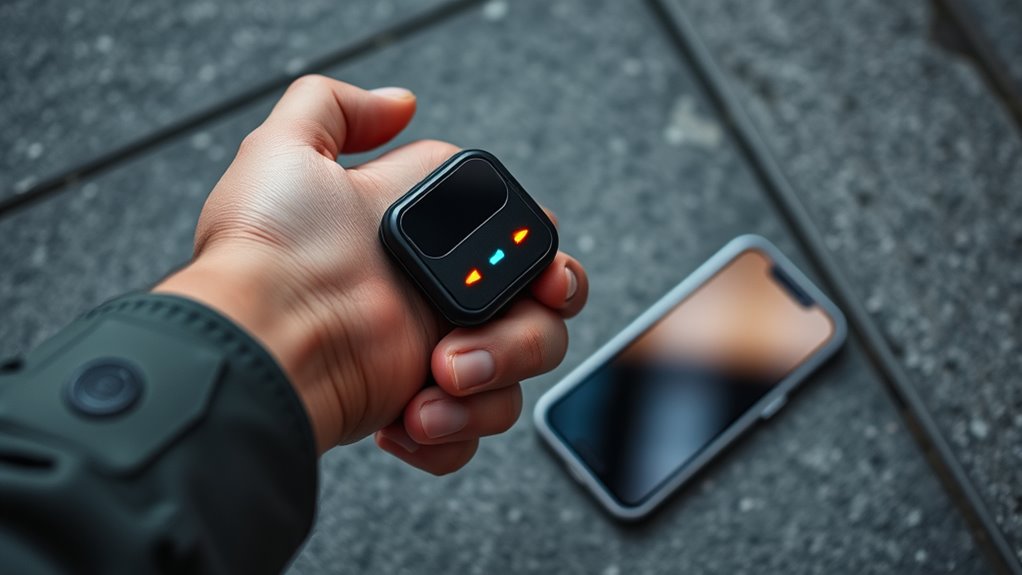
Smartphones offer quick access to emergency services and allow you to stay connected in critical situations, making them a valuable safety tool. They’re generally affordable and widely available, so nearly everyone can carry one. However, using smartphones for safety has drawbacks. You might worry about personal privacy, as location tracking and data sharing can expose sensitive information. Relying solely on your phone also means you’re vulnerable if the device runs out of battery or malfunctions, which can leave you unprotected. Additionally, distractions from notifications or social media can divert your attention in risky moments. While smartphones are convenient and versatile, they aren’t foolproof. You need to weigh their advantages against potential privacy concerns and technical limitations when considering them as your primary safety device.
In Which Situations Do Wearable Safety Devices Work Best?

Wearable safety devices are especially effective in high-risk situations where quick response and continuous monitoring are vital. If you’re engaging in outdoor activities like hiking, running, or cycling, these devices can provide immediate alerts if something goes wrong. They enhance personal safety by tracking your location and detecting falls or sudden impacts, ensuring help arrives promptly. In environments where cell service might be limited, wearables often use dedicated networks or offline functions to maintain safety. They’re particularly useful for individuals who venture into remote areas or participate in extreme sports. By offering real-time data and instant alerts, wearable safety devices give you peace of mind knowing help can be quickly summoned, making them ideal for outdoor activities and personal safety in unpredictable situations.
When Are Smartphones a Better Choice for Safety?

While wearable safety devices excel in high-risk outdoor scenarios, smartphones often provide a better safety solution when you need broader connectivity and versatile features. Smartphones support multiple apps, GPS, and emergency services, making them ideal for everyday safety needs. They also tend to have better device compatibility across various platforms and accessories, ensuring seamless use. However, keep personal privacy in mind, as smartphones collect more data and may pose security risks if not properly protected. Use your phone’s features wisely and consider settings to minimize data sharing. When your safety depends on quick communication, broad network access, and versatile functions, smartphones are often the smarter choice.
| Aspect | Wearable Devices |
|---|---|
| Device Compatibility | Limited, often specific to brand |
| Personal Privacy | Higher control, less data sharing |
How to Choose the Right Safety Device for Your Needs

Choosing the right safety device depends on understanding your specific needs and the situations you face. Start by considering personal customization—will you benefit from features like GPS tracking, fall detection, or two-way communication? Think about how often you’ll use the device and in what environments. Cost considerations are also vital; some devices require a higher upfront investment or ongoing subscription fees, while others are more affordable but offer fewer features. Assess whether a wearable device suits your lifestyle or if a smartphone with safety apps provides enough protection. Keep in mind that the best choice balances your safety priorities, comfort, and budget. By evaluating these factors, you can select a device that effectively supports your safety without unnecessary costs or complexity.
Frequently Asked Questions
How Do Wearable Safety Devices Integrate With Other Emergency Systems?
You’ll find that wearable safety devices integrate seamlessly with other emergency systems through device interoperability and system compatibility. They connect via Bluetooth or Wi-Fi, allowing real-time data sharing with emergency services or monitoring platforms. This integration guarantees quick response times, automated alerts, and coordinated efforts. By maintaining compatibility with existing communication infrastructure, these devices enhance safety protocols and facilitate faster, more effective emergency interventions.
What Are the Privacy Concerns Related to Wearable Safety Devices?
Imagine your wearable safety device as a friendly guard dog, always watching but sometimes overstepping. You might worry about data privacy and surveillance concerns, as your device collects sensitive health and location info. This info could be misused or accessed without your consent. You should stay informed about how your data is stored and shared, and choose devices that prioritize your privacy to prevent unwanted surveillance.
Can Smartphones and Wearables Be Used Together Effectively?
Yes, smartphones and wearables can be used together effectively. You just need to guarantee device compatibility so they sync seamlessly, providing a smooth user experience. When paired properly, wearables can enhance your safety by sharing real-time data with your phone, making monitoring easier. This integration allows you to access alerts, location info, and health data quickly, keeping you safer and more connected throughout your day.
Are Wearable Safety Devices Suitable for Children or the Elderly?
Wearable safety devices are a game-changer for child safety and elderly monitoring. They’re perfectly suited, providing real-time location tracking and emergency alerts that could save lives—truly priceless! For kids, they offer peace of mind for parents, while for seniors, they enhance independence with quick assistance. These devices are designed with simplicity and comfort in mind, making them ideal tools to protect vulnerable loved ones around the clock.
How Do Cost and Accessibility Compare Between Wearables and Smartphones?
You’ll find that smartphones generally have a lower cost comparison compared to wearable safety devices, especially since many people already own them. However, accessibility challenges arise with wearables, as they can be pricey and require specific tech skills to operate. Smartphones are widely accessible and familiar, but wearables may not be as easy for some users to access or afford.
Conclusion
Choosing between wearable safety devices and smartphones is like picking the right tool for your journey. Wearables are your loyal compass, always within arm’s reach, ready to guide you in emergencies. Smartphones are like versatile maps, offering broad safety options but requiring you to reach into your pocket. By understanding their strengths and limits, you can navigate life’s terrain confidently, ensuring your safety is always a guiding star shining brightly on your path.