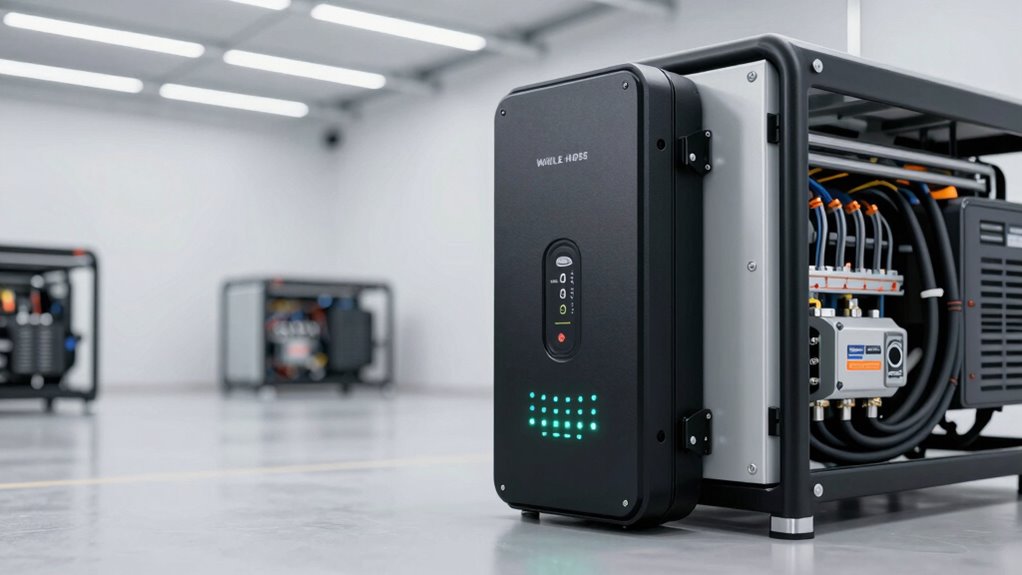

A whole-house power surge protector for a generator setup can help limit damaging voltage surges at your home’s electrical service, but compatibility and installation matter as much as the device’s amp rating. I rank the Siemens FS140 as the best overall pick for its high stated surge capacity and broad whole-home role; the Square D HOM250PSPD stands out for compatible Homeline panels, while the Generac 7409 is a natural option for buyers building around Generac equipment. The main tradeoffs are panel compatibility, installation requirements, enclosure placement, and whether the published surge rating reflects the protection you need. A surge protector does not regulate generator voltage or replace proper transfer equipment. Read on for the full comparison and guidance on choosing a model that fits your panel and generator arrangement.

Get privacy and security gear delivered free with Prime
- Fast, free delivery on millions of items
- Prime Video, Amazon Music and more included
- Member-only deals all year
Complete the kit


Key Takeaways
- The Siemens FS140 ranks first because its stated 140,000-amp capacity pairs a broad whole-home role with a clear alternative to choosing solely by the highest advertised number.
- Panel fit can outweigh headline capacity: Square D’s HOM250PSPD is aimed at Homeline panels, while buyers with other panel families should verify approved compatibility before choosing.
- Generator compatibility is a system question. None of these devices replaces a transfer switch, correct grounding and bonding, or generator voltage regulation.
- The two Bad Wolf models emphasize high stated capacity—260 kA and 200 kA—so they may appeal to buyers prioritizing that specification, but installation fit and documentation still need review.
- Enclosure and installation details separate close alternatives: indoor/outdoor suitability, wiring layout, breaker space, and electrician requirements can matter more at the job site than small differences in ratings.
| Generac 7409 Whole-Home Surge Protective Device |  | Best for Flexible Indoor or Outdoor Installation | System compatibility: 120/240V residential panels | SPD type: Dual-rated Type 1 and Type 2; field-configurable | Surge capacity: 50 kA per phase | VIEW ON AMAZON | See Our Full Breakdown |
| Siemens FS140 Whole House Surge Protection Device, 140,000 Amps |  | Best for High Listed Surge Capacity | Model: FS140 | Surge current capacity: 140,000 amps per phase | Device type: Type 2 surge protective device | VIEW ON AMAZON | See Our Full Breakdown |
| Furniqro FHSPD108S Whole House Surge Protector – 108,000 Amp Capacity, Indoor/Outdoor, 120/240V |  | Best Compact High-Capacity Option | Model: FHSPD108S | Voltage: 120/240V system; 240 V listed | Maximum current: 108,000 A | VIEW ON AMAZON | See Our Full Breakdown |
| Siemens BoltShield FSPD140 Level 2 Whole-House Surge Protection Device, 140 kA, 120/240V |  | Best for Audible Replacement Alerts | Model: FSPD140 | Protection type: Level 2 whole-house surge protection | Voltage: 120/240V | VIEW ON AMAZON | See Our Full Breakdown |
| Square D HOM250PSPD Homeline Whole-Home Surge Protection Device |  | Best for Compatible Homeline Panels | Model: HOM250PSPD | Voltage: 120/240 V AC | Phase: Single phase | VIEW ON AMAZON | See Our Full Breakdown |
| SPD2ULTRA Whole-Home Surge Protector, 120/240V, 108,000A |  | Best for Straightforward Panel Compatibility | Voltage: 120/240V AC, 60 Hz | Maximum current: 50A | Recommended breaker: 2-pole, 50A | VIEW ON AMAZON | See Our Full Breakdown |
| Eaton CHSPT2ULTRA Ultimate Surge Protective Device |  | Best for Flexible Load-Center Compatibility | Model: CHSPT2ULTRA | Protection type: Type 2 AC surge protection | Voltage: 120/240V | VIEW ON AMAZON | See Our Full Breakdown |
| Bad Wolf HSD240V Whole-House Surge Protector, 260kA, 120/240V Split Phase |  | Best for High Stated Surge Capacity | System compatibility: 120/240V split-phase | Device type: Type 1 surge protective device | Surge capacity: 260 kA | VIEW ON AMAZON | See Our Full Breakdown |
| Bad Wolf SP240V200KA 200kA Whole-House Surge Protector |  | Best for Outdoor Panel Locations | System voltage: 120/240V split-phase | Device type: Type 1 SPD | SCCR: 100 kA | VIEW ON AMAZON | See Our Full Breakdown |
| Intermatic IG2240-IMSK Smart Guard Whole-House Surge Protector, 120/240 VAC |  | Best for Replaceable Protection Modules | Voltage: 120/240 VAC | Installation types: Type 1 and Type 2 | Protection technology: TPMOV | VIEW ON AMAZON | See Our Full Breakdown |
| whole house power surge protector for generator setup | Voltage | Enclosure | Model | Installation |
|---|---|---|---|---|
| Generac 7409 Whole-Home Surge | — | NEMA 4X, indoor or outdoor | — | — |
| Siemens FS140 Whole House Surg | — | NEMA 4X | FS140 | Indoor or outdoor |
| Furniqro FHSPD108S Whole House | 120/240V system; 240 V listed | — | FHSPD108S | — |
| Siemens BoltShield FSPD140 Lev | 120/240V | Type 4; indoor or outdoor installation | FSPD140 | — |
| Square D HOM250PSPD Homeline W | 120/240 V AC | — | HOM250PSPD | Plug-on neutral; no wiring required |
| SPD2ULTRA Whole-Home Surge Pro | 120/240V AC, 60 Hz | — | — | — |
| Eaton CHSPT2ULTRA Ultimate Sur | 120/240V | — | CHSPT2ULTRA | Indoor/outdoor; connects to load center |
| Bad Wolf HSD240V Whole-House S | — | — | — | Hardwired, panel-mounted |
| Bad Wolf SP240V200KA 200kA Who | — | NEMA 4X, IP67; polycarbonate | — | Hardwired; 36-inch 10 AWG leads |
| Intermatic IG2240-IMSK Smart G | 120/240 VAC | Type 1, indoor metal applications | — | — |
More Details on Our Top Picks
Generac 7409 Whole-Home Surge Protective Device
The Generac 7409 is a flexible choice for a generator-backed home when the installation location and panel arrangement matter as much as surge capacity. Its dual Type 1/Type 2 configuration supports different installation approaches, while the NEMA 4X enclosure allows indoor or outdoor mounting. Compared with the Square D HOM250PSPD, it is not limited to compatible Homeline panels; unlike the Siemens FS140, its listed capacity is 50 kA per phase rather than 140,000 amps per phase. The green LED gives a simple indication of protection status, but it does not cover phone, coax, or Ethernet lines. A 20A two-pole breaker is required and not included, and installation calls for electrical expertise. Generator owners should have an electrician confirm panel compatibility and placement.
Pros:- Dual-rated Type 1 and Type 2 configuration offers installation flexibility.
- NEMA 4X enclosure supports indoor or outdoor mounting.
- Compatible with 120/240V residential panels across major brands.
- Green LED provides a visible status check.
Cons:- Required 20A two-pole breaker is not included.
- Does not protect phone, coaxial, or Ethernet lines.
- Professional electrical installation is recommended.
Best for: Generator owners who want an indoor/outdoor surge device with flexible Type 1 or Type 2 installation and a compatible 120/240V panel.
Not ideal for: DIY installers or buyers seeking the highest listed surge-current capacity; it needs a separate breaker and professional installation is recommended.
- System compatibility:120/240V residential panels
- SPD type:Dual-rated Type 1 and Type 2; field-configurable
- Surge capacity:50 kA per phase
- SCCR:200 kA
- Enclosure:NEMA 4X, indoor or outdoor
- Leads:24-inch pre-wired 12-gauge L1, L2, and neutral
- Breaker requirement:20A two-pole breaker, not included
- Status indicator:Green LED
Our verdict“Choose the Generac 7409 if flexible mounting and installation type matter more to you than the higher listed capacity of the Siemens FS140.”
Siemens FS140 Whole House Surge Protection Device, 140,000 Amps
The Siemens FS140 is the capacity-focused pick here, with a listed 140,000 amps per phase and a NEMA 4X enclosure for indoor or outdoor placement. That figure is higher than the 50 kA-per-phase rating listed for the Generac 7409, making the Siemens more appealing to buyers prioritizing surge-current capacity for a home with sensitive equipment and generator integration. Its audible alarms and indicator lights can flag service needs or a grounding issue, giving it more diagnostic feedback than the Generac’s simple green LED. The tradeoff is that panel installation still calls for electrical expertise, and the supplied product data lists a 100-volt rating despite describing compatibility with residential load centers. I would confirm the voltage specification with the manufacturer or electrician before selecting it for a 120/240V setup.
Pros:- Listed surge-current capacity of 140,000 amps per phase.
- NEMA 4X enclosure supports indoor or outdoor installation.
- Audible alarm and indicator lights provide service and grounding alerts.
- Load-center and breaker compatibility is listed for any brand.
Cons:- Product data lists 100 volts, so suitability for a 120/240V system needs confirmation.
- Load-center installation may require electrical expertise.
- Type 2 installation is less flexible than the Generac 7409’s dual Type 1/Type 2 configuration.
Best for: Homeowners with a 120/240V generator-backed system who prioritize a high listed per-phase surge capacity and audible status alerts, after confirming voltage compatibility.
Not ideal for: Buyers who need unambiguous 120/240V specifications or want a device they can install without panel work.
- Model:FS140
- Surge current capacity:140,000 amps per phase
- Device type:Type 2 surge protective device
- Installation:Indoor or outdoor
- Compatibility:Load centers and breakers from any brand
- Listed voltage:100 volts
- Enclosure:NEMA 4X
- Safety certification:UL / cUL 1449
- Warranty:10 years for product and connected equipment
Our verdict“Pick the FS140 for its higher listed capacity and diagnostic alerts only after confirming its voltage rating fits your generator and panel.”
Furniqro FHSPD108S Whole House Surge Protector – 108,000 Amp Capacity, Indoor/Outdoor, 120/240V
The Furniqro FHSPD108S pairs a compact design with a listed 108,000-amp capacity, making it a space-conscious alternative for generator-connected homes with a compatible 120/240V panel. Its stated fit across load-center brands gives it broader panel reach than the Square D HOM250PSPD, which only fits specified Homeline panels. It also lists more capacity than the Generac 7409, though less than the Siemens FS140. LED indicators make device status visible without the audible service alarm offered by the Siemens. The supplied data gives limited installation and protection details, so I would have an electrician verify panel fit, wiring requirements, and suitability for the generator arrangement before purchase. Its large rating may also be more than a typical household needs.
Pros:- Compact design takes up less panel space.
- Listed 108,000-amp capacity exceeds the Generac 7409’s listed 50 kA per phase.
- Stated compatibility with any brand of load center and circuit breaker.
- LED status indicators provide a visual check.
Cons:- Professional installation is recommended and may add to the project scope.
- Product data provides limited detail about installation and diagnostic features.
- The high listed capacity may be unnecessary for many homes.
Best for: Owners of crowded electrical panels who want a compact, broad-brand 120/240V surge device and will have an electrician confirm installation details.
Not ideal for: Buyers who want detailed installation documentation, a clearly stated alarm system, or only need basic protection for an ordinary residential load.
- Model:FHSPD108S
- Voltage:120/240V system; 240 V listed
- Maximum current:108,000 A
- Panel compatibility:Any brand of load center and circuit breaker, as stated
- Installation location:Indoor or outdoor
- Status indicator:LED indicators
- Weight:0.46 kg
- Plug type listed:Type B (North American) / Type A
Our verdict“Consider the FHSPD108S when panel space is tight and its broad compatibility is confirmed by an electrician.”
Siemens BoltShield FSPD140 Level 2 Whole-House Surge Protection Device, 140 kA, 120/240V
The Siemens BoltShield FSPD140 is the clearest fit for buyers who want explicit 120/240V compatibility plus an alert when the device may need replacement. Its thermally protected MOVs, visual indicator, and audible alarm provide more direct warning cues than the Furniqro FHSPD108S, whose supplied data only specifies LED indicators. The BoltShield is rated at 140 kA in its description, placing it alongside the FS140’s listed 140,000 amps per phase, though those ratings are presented differently and should not be treated as identical without matching specifications. Indoor/outdoor installation broadens placement options for generator setups. The tradeoff is that it must be installed with electrical gear or in a load center, and an alarm after a surge may mean replacement rather than a reset. The spec list also contains conflicting current and port details, so confirm the exact unit configuration.
Pros:- Explicitly listed for 120/240V systems.
- Audible alarm and visual indicator flag a possible replacement need.
- Thermally protected MOVs are part of the stated design.
- Rated for indoor or outdoor installation.
Cons:- Requires installation alongside electrical gear or inside a load center.
- An alarm can indicate the device needs replacement after a surge.
- Provided specifications include inconsistent current and port details that merit verification.
Best for: Generator-system owners who want stated 120/240V compatibility and audible notice that the surge device may need replacement.
Not ideal for: Buyers seeking a plug-in device, simple installation, or fully consistent product specifications without checking with the seller or electrician.
- Model:FSPD140
- Protection type:Level 2 whole-house surge protection
- Voltage:120/240V
- Surge components:Thermally protected MOVs
- Monitoring:Visual indicator and audible replacement alarm
- Enclosure:Type 4; indoor or outdoor installation
- Warranty:10-year, 100K warranty
Our verdict“Choose the BoltShield FSPD140 if you want 120/240V compatibility and audible replacement alerts, and can verify the unit details before installation.”
Square D HOM250PSPD Homeline Whole-Home Surge Protection Device
The Square D HOM250PSPD makes the most sense when the home already has a compatible Square D Homeline load center manufactured after 2014. Its plug-on-neutral design avoids separate wiring, which can simplify the installation compared with the Generac 7409, where a 20A two-pole breaker is not included. That convenience comes with a firm compatibility boundary: unlike the Furniqro and Siemens options, it is not presented as a fit for load centers from any brand. Its 50 kA-per-phase rating matches the Generac’s listed capacity, while the LED gives a basic status check. For a generator setup, panel fit matters more than convenience claims; have an electrician verify the exact load-center model and installation requirements. It also covers electrical circuits only, not separate communications lines.
Pros:- Plug-on-neutral installation requires no wiring.
- 50 kA maximum surge current per phase.
- LED status indicator provides a quick visual check.
- Compact form factor weighs 5.92 ounces.
Cons:- Only compatible with specified Square D Homeline load centers manufactured after 2014.
- The listed 50 kA per phase is below the stated capacity of the Siemens FS140 and Furniqro FHSPD108S.
- Does not provide protection for phone, coaxial, or Ethernet lines.
Best for: Homeowners with a compatible post-2014 Square D Homeline panel who want a plug-on-neutral installation and a visible status indicator.
Not ideal for: Owners of non-Homeline panels, older Homeline load centers, or buyers who need a device that can be mounted independently of a compatible panel.
- Model:HOM250PSPD
- Voltage:120/240 V AC
- Phase:Single phase
- Maximum surge current:50 kA per phase
- Installation:Plug-on neutral; no wiring required
- Compatibility:Square D Homeline load centers manufactured after 2014
- Status indicator:LED
- Weight:5.92 ounces
Our verdict“Buy the HOM250PSPD if your panel is a compatible post-2014 Homeline model; otherwise, the broader-fit Generac or Furniqro is a better starting point.”
SPD2ULTRA Whole-Home Surge Protector, 120/240V, 108,000A
The SPD2ULTRA suits homeowners looking for a panel-mounted protector with a clearly stated 108,000A rating and a visible status light. Its stated compatibility with most residential breaker panels gives it broader appeal than the Square D HOM250PSPD, which is tied to Homeline panels. For a generator setup, it adds protection at the residence’s electrical panel, but the supplied information does not specify generator-specific operation or a particular transfer-switch arrangement. The 10-year warranty is a longer stated term than the five-year coverage on the Bad Wolf options. The tradeoff is installation: connecting multiple wires inside the breaker panel is not a plug-in task, and a 2-pole, 50A breaker is recommended. I’d favor it for a conventional home panel, not for DIY installation.
Pros:- Designed for compatibility with most residential breaker panels
- 108,000A stated surge protection rating
- LED indicator provides a quick protection-status check
- Includes a 10-year warranty and installation instructions
Cons:- Installation involves multiple wire connections inside the breaker panel
- A 2-pole, 50A breaker is recommended, which may require panel-space planning
- Product information does not specify generator or transfer-switch compatibility
Best for: Homeowners with a standard residential panel who want a stated 108,000A rating, status indication, and a 10-year warranty for a professionally installed setup.
Not ideal for: Renters or buyers seeking plug-in protection, and anyone who cannot arrange panel work or confirm the recommended breaker fits their installation.
- Voltage:120/240V AC, 60 Hz
- Maximum current:50A
- Recommended breaker:2-pole, 50A
- Dimensions:2.2 × 3.62 × 5.11 inches
- Operating temperature:-40 to 50°C
- Warranty:10 years
Our verdict“Choose the SPD2ULTRA for broad residential-panel fit and a longer stated warranty, provided a qualified installer can handle the hardwired panel work.”
Eaton CHSPT2ULTRA Ultimate Surge Protective Device
The Eaton CHSPT2ULTRA stands out for buyers who need a Type 2 device that can connect to load centers from different manufacturers. Its 108 kA per phase protection and LED status indicator put it in a similar rating class to the SPD2ULTRA, while its indoor/outdoor installation specification offers more placement flexibility. The quick-connect design for telephone and cable protection modules is a useful extra for homes with wired services, though it does not replace the need to check the generator, transfer switch, and panel arrangement with an electrician. Despite the listed outlets and plug type, this is a load-center-connected device, not a simple plug-in whole-house unit. Compared with Bad Wolf’s Type 1 options, Eaton is specified as Type 2; buyers should choose based on the installation design, not the headline rating alone.
Pros:- Connects to load centers from any manufacturer
- 108 kA per phase protection for 120/240V systems
- Indoor/outdoor installation specification
- LED status indication and quick-connect provision for telephone and cable modules
Cons:- Requires connection to a load center rather than a standard receptacle
- Type 2 design may not fit projects that call for a Type 1 device
- Supplied information does not state a warranty term or generator-specific setup guidance
Best for: Homeowners whose load center is not from a single preferred brand and who want a Type 2 panel-connected device with indoor/outdoor placement options.
Not ideal for: Buyers seeking a plug-in appliance protector or a Type 1 SPD; the unit still requires load-center connection and the listed details do not confirm generator-specific compatibility.
- Model:CHSPT2ULTRA
- Protection type:Type 2 AC surge protection
- Voltage:120/240V
- Surge protection:108 kA per phase
- Installation:Indoor/outdoor; connects to load center
- Dimensions:2.38 × 5.25 × 7.5 inches
- Enclosure material:ABS
Our verdict“Pick the Eaton when cross-brand load-center fit and Type 2 installation suit your system better than a Type 1 design.”
Bad Wolf HSD240V Whole-House Surge Protector, 260kA, 120/240V Split Phase
With a stated 260 kA capacity, the Bad Wolf HSD240V has the largest headline surge figure among these five picks. Its Type 1 design is aimed at panel-level installation for 120/240V split-phase homes, and the product information names HVAC equipment, appliances, electronics, and control boards among the intended loads. That makes it a candidate for a home with a standby generator, but the listing does not spell out transfer-switch compatibility or how the SPD should be positioned in a specific generator installation. The Eaton CHSPT2ULTRA is a Type 2 alternative with broader stated load-center compatibility; the HSD240V instead prioritizes a higher stated capacity and Type 1 classification. Its tradeoffs are a five-year limited warranty and a hardwired installation limited to split-phase systems.
Pros:- 260 kA stated surge capacity
- Type 1 device intended for panel-mounted installation
- Product information includes HVAC equipment, appliances, and control boards among protected loads
- ETL Listed to UL 1449 5th Edition and CSA C22.2 standards
Cons:- Requires hardwired installation at the electrical panel
- Compatibility is specified for 120/240V split-phase systems
- Five-year limited warranty is shorter than the SPD2ULTRA’s stated 10-year warranty
Best for: Owners of 120/240V split-phase homes who want a Type 1 panel-mounted SPD with a high stated capacity and coverage intended for large household loads.
Not ideal for: Homes using a different electrical system, or buyers who want a simple installation, a longer stated warranty, or documented generator-transfer-switch guidance.
- System compatibility:120/240V split-phase
- Device type:Type 1 surge protective device
- Surge capacity:260 kA
- Certification:ETL Listed to UL 1449 5th Edition and CSA C22.2 No. 269.1/269.2
- Installation:Hardwired, panel-mounted
- Dimensions:5 × 4 inches
- Warranty:5-year limited
Our verdict“Choose the HSD240V if your home uses 120/240V split phase and its high stated capacity matters more than easier installation or a longer warranty.”
Bad Wolf SP240V200KA 200kA Whole-House Surge Protector
The SP240V200KA is the Bad Wolf pick I’d shortlist when the installation location needs an enclosure rated for outdoor exposure. Its NEMA 4X and IP67 enclosure supports indoor or outdoor installation, while 36-inch leads give an electrician more reach when laying out a hardwired panel connection. The 200 kA rating is below the HSD240V’s stated 260 kA, so this model trades the lineup’s highest capacity figure for a more clearly specified enclosure and lead arrangement. It also includes LED status indicators and a stated 100 kA SCCR. Like the HSD240V and unlike the Eaton Type 2 device, it is a Type 1 SPD for 120/240V split-phase systems. The five-year limited warranty and required hardwiring are meaningful limits, and generator-specific connection details are not provided.
Pros:- NEMA 4X and IP67 enclosure supports indoor or outdoor installation
- 200 kA stated surge rating with six protection modes
- 36-inch 10 AWG leads can offer more installation flexibility
- ETL Listed to UL 1449 5th Edition and CSA standards
Cons:- Hardwired panel installation is required
- 200 kA stated capacity is lower than the HSD240V’s 260 kA
- Five-year limited warranty and 120/240V split-phase compatibility limit its fit
Best for: Homeowners with a 120/240V split-phase setup who need a Type 1 SPD suited to an outdoor mounting location and want longer connection leads.
Not ideal for: Buyers seeking the highest stated surge capacity in this group, plug-in installation, or compatibility information for a non-split-phase system.
- System voltage:120/240V split-phase
- Device type:Type 1 SPD
- SCCR:100 kA
- Protection modes:6
- Installation:Hardwired; 36-inch 10 AWG leads
- Enclosure:NEMA 4X, IP67; polycarbonate
- Warranty:5-year limited
Our verdict“Choose the SP240V200KA when outdoor-rated construction and longer leads matter more than the HSD240V’s higher stated capacity.”
Intermatic IG2240-IMSK Smart Guard Whole-House Surge Protector, 120/240 VAC
The Intermatic IG2240-IMSK takes a maintenance-focused approach: its three replaceable IModules, LED indicators, and disconnect switch let a service professional replace modules without replacing the full SPD unit. That is a different priority from the Bad Wolf HSD240V, which leads on stated surge capacity, or the Eaton CHSPT2ULTRA, which emphasizes load-center flexibility. Intermatic lists Type 1 and Type 2 installation options and TPMOV protection technology, making it a potential fit for panel-based home protection in a generator-equipped house. Still, the available specifications do not state a surge-capacity figure or generator/transfer-switch compatibility, so I would not rank it by protection magnitude against the Bad Wolf models. Its indoor metal application enclosure also rules it out where outdoor mounting is needed.
Pros:- Three replaceable IModules can simplify service compared with replacing the entire SPD
- LED indicators show power and protection status
- Disconnect switch supports module replacement
- Lists Type 1 and Type 2 installation types and TPMOV technology
Cons:- Requires installation at the electrical breaker panel
- Designed for indoor metal applications rather than outdoor mounting
- No surge-capacity figure or generator-specific compatibility details are provided
Best for: Homeowners who prefer serviceable protection modules and a disconnect switch, with an indoor metal electrical-panel installation.
Not ideal for: Buyers who need an outdoor-rated unit, a published surge-capacity figure for comparison, or a plug-in device.
- Voltage:120/240 VAC
- Installation types:Type 1 and Type 2
- Protection technology:TPMOV
- Modules:Three replaceable IModules with LED indicators
- Enclosure:Type 1, indoor metal applications
- Connected equipment warranty:$50,000 for 10 years
- Certification:UL Listed to ANSI/UL 1449 3rd Edition
Our verdict“Pick the Intermatic if replaceable modules and service access are your priorities and the unit will be installed indoors.”

How We Picked
I ranked these devices around the realities of a generator-backed home: panel compatibility, stated surge capacity, installation flexibility, and the role each unit can play at the service equipment. I also considered whether a product’s listed format and intended application give buyers a clear path to checking fit, rather than treating a large amp number as proof of better protection. The Siemens FS140 leads for its stated 140,000-amp capacity and broadly useful whole-house positioning. The remaining order reflects distinct buyer needs, including panel-family matching, generator-brand familiarity, indoor/outdoor placement, and higher published capacity.
These products are not interchangeable solely because they are labeled whole-house surge protectors. I gave less weight to claims that cannot be compared directly across manufacturers and more weight to practical questions a buyer can verify: voltage, panel type, breaker or wiring requirements, enclosure rating, and installation instructions. Product-specific compatibility and performance should be confirmed with the manufacturer and a licensed electrician; a ranking cannot substitute for checking the actual service panel and generator arrangement.
| whole house power surge protector for generator setup | Enclosure | Model | Installation |
|---|---|---|---|
| Generac 7409 Whole-Home Surge | NEMA 4X, indoor or outdoor | — | — |
| Siemens FS140 Whole House Surg | NEMA 4X | FS140 | Indoor or outdoor |
| Furniqro FHSPD108S Whole House | — | FHSPD108S | — |
| Siemens BoltShield FSPD140 Lev | Type 4; indoor or outdoor installation | FSPD140 | — |
| Square D HOM250PSPD Homeline W | — | HOM250PSPD | Plug-on neutral; no wiring required |
| SPD2ULTRA Whole-Home Surge Pro | — | — | — |
| Eaton CHSPT2ULTRA Ultimate Sur | — | CHSPT2ULTRA | Indoor/outdoor; connects to load center |
| Bad Wolf HSD240V Whole-House S | — | — | Hardwired, panel-mounted |
| Bad Wolf SP240V200KA 200kA Who | NEMA 4X, IP67; polycarbonate | — | Hardwired; 36-inch 10 AWG leads |
| Intermatic IG2240-IMSK Smart G | Type 1, indoor metal applications | — | — |
Factors to Consider When Choosing Whole House Power Surge Protector For Generator Setups
For generator use, I would choose around the electrical system first and the product label second. These broader checks can help prevent a capable SPD from becoming a poor fit or creating misplaced confidence about what it protects.
Match the Protector to the Panel and Service
Start with the panel’s make, model, voltage, and available breaker positions, then check the SPD’s installation instructions for an approved connection method. A device designed for a specific panel family may offer a cleaner fit, but that does not make it suitable for every panel from the same brand. Avoid choosing by voltage alone: the service configuration and installation method also matter. Ask an electrician to confirm whether the protector connects through a dedicated breaker or another listed arrangement. A model that needs space your panel lacks can add labor or require a different solution. Confirm fit before purchase rather than assuming an adapter or workaround is acceptable.
Understand What Generator Protection Does—and Does Not—Mean
A service-panel surge protective device is intended to limit transient voltage surges; it is not a voltage regulator, frequency control, or substitute for a properly sized generator. Generator output quality depends on the generator, its load, and its operating condition. The transfer switch or interlock determines how generator power reaches the home and must be installed correctly. Ask your electrician how the SPD is connected in both utility and generator operating modes. Do not assume a surge device corrects sustained overvoltage, undervoltage, or poor grounding. Treat surge protection as one layer in a properly designed backup-power system.
Read Ratings as One Part of the Comparison
Published surge-current ratings can help screen options, but they do not provide a complete, apples-to-apples measure of protection. Manufacturers may describe ratings differently, and the rating alone does not reveal the installation conditions or performance across every surge event. Check the product documentation for its voltage configuration, protection modes, certifications, and any stated status indicators. A larger number can be appealing, yet it should not outweigh panel compatibility or unclear installation requirements. Ask an electrician to compare the specific technical documentation for the models under consideration. This is a better basis for choosing between the 108,000-amp, 140,000-amp, 200-kA, and 260-kA claims in this lineup.
Plan Placement, Enclosure, and Wiring
Where the SPD can be mounted affects the right model: an outdoor service location calls for an enclosure suited to that environment, while an indoor panel installation raises different access and space questions. Check the manufacturer’s enclosure rating and permitted mounting locations rather than inferring weather resistance from a product name. Wiring length and routing can affect installation quality, so the electrician should follow the product’s instructions and local electrical code. A remote mounting location may be easier to fit but can complicate the wiring path. Confirm that the chosen position leaves indicators visible for future checks. These practical details can make a lower-rated, well-fitted unit a better choice than a higher-rated unit that is awkward to install.
Factor in Service Life and Maintenance
Surge protectors can degrade after repeated events, so check how the device signals its status and what the manufacturer says about replacement. A visible indicator is useful only if someone can inspect it periodically and knows what the signal means. Ask whether the unit has replaceable modules or whether a failed device requires replacing the full assembly. Keep the installation record and product documentation with the generator and transfer-switch information. After a major surge or electrical event, have the device checked rather than assuming it remains fully functional. Maintenance expectations matter especially for homes that rely on backup power through frequent storms or outages.
Decide When Paying for More Capacity Makes Sense
Higher stated capacity may appeal to owners with sensitive electronics, frequent severe weather, or a preference for extra headroom, but it is not automatically the best use of the budget. First confirm that the panel, installation, and generator arrangement are sound; those are not improved by a bigger rating. Some homes may benefit more from coordinated protection at the service panel and point-of-use devices for especially sensitive equipment. Ask an electrician whether the home’s exposure and equipment justify choosing a higher-capacity model. Compare documentation, warranty terms, installation complexity, and status monitoring alongside the rating. Pay more for a specific, useful advantage—not just a larger number on the label.
Frequently Asked Questions
Can I use a whole-house surge protector while my home is running on a portable generator?
Usually, a service-panel SPD can remain part of the home’s electrical system while power comes from a generator, but the installation must suit the panel and the generator connection. The transfer switch or interlock must prevent unsafe backfeeding and be installed to code. The SPD does not make an incompatible generator connection safe or correct unstable generator output. Have a licensed electrician confirm how the protector is connected in both utility and generator modes. Check the device instructions and generator documentation before selecting a model.
Does a whole-house surge protector protect the generator itself?
Do not assume that a panel-mounted SPD protects every component inside a generator or its control system. Its main role is to limit certain transient surges on the electrical system where it is installed, and the exact coverage depends on wiring and protection modes. Generator-side protection may require separate measures recommended by the generator manufacturer. Proper grounding, bonding, transfer equipment, and maintenance remain separate requirements. Ask the generator manufacturer or electrician what protection is appropriate for the specific generator and installation.
Should I choose the highest amp rating in this roundup?
Not by rating alone. The Bad Wolf HSD240V lists 260 kA and the SP240V200KA lists 200 kA, while other models state different capacities, but manufacturers’ ratings may not be directly comparable. A high number does not confirm panel fit, installation quality, or suitability for your generator arrangement. Compare the full technical documentation, certifications, wiring instructions, and status indicators. If two options fit equally well, ask an electrician to explain whether the rating difference matters for your home.
Can I install one of these surge protectors myself?
Most whole-house SPDs connect to service equipment, where installation can expose a person to hazardous electrical energy even when a breaker is off. Local rules may also require a licensed electrician or permit. The exact connection method varies by model and panel, so a generic wiring tutorial is not enough to establish safe compatibility. I would have a qualified electrician confirm the panel, breaker requirements, grounding, and placement before ordering. This is especially important when a generator transfer switch or interlock is also part of the installation.
Do I still need plug-in surge strips after installing a panel-mounted SPD?
A service-panel device can provide a first layer of protection, but it does not mean every appliance has complete protection from every event. Sensitive electronics or equipment with important data may benefit from a compatible point-of-use protector as another layer. Follow the equipment and SPD manufacturers’ instructions, and do not connect protectors in ways their instructions prohibit. A surge strip cannot correct poor power quality or replace a UPS where battery backup is needed. Ask an electrician whether layered protection makes sense for your home’s layout and devices.
Conclusion
For most buyers, I would start with the Siemens FS140 as the best overall, then verify the exact panel and installation fit. The best value depends on local installation costs and panel compatibility; the Furniqro FHSPD108S and SPD2ULTRA are worth comparing when their stated 108,000-amp capacity and installation format fit the job. For a premium, high-capacity focus, the Bad Wolf HSD240V’s stated 260-kA rating is the standout, while the 200-kA Bad Wolf SP240V200KA is a related alternative. For beginners, I would favor a model that an electrician can clearly match to the existing panel, such as the Square D HOM250PSPD for a compatible Homeline setup, rather than picking by rating alone. Choose the Generac 7409 if you want a product aligned with a Generac-centered system, the Siemens BoltShield FSPD140 as another 140-kA Siemens option, the Eaton CHSPT2ULTRA for an Eaton-branded alternative, or the Intermatic IG2240-IMSK when its specifications and installation arrangement suit your needs. In every case, confirm compatibility and generator-system wiring with a licensed electrician before buying.