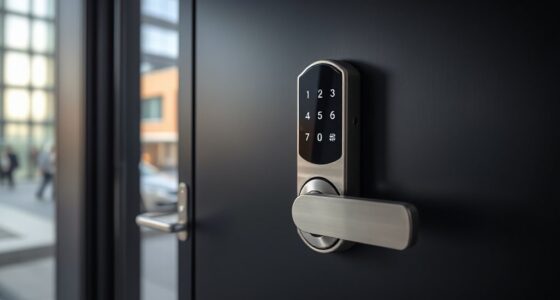
Choosing home security systems you can install yourself requires balancing ease of setup with robust protection. The SimpliSafe 11-Piece Wireless Home Security System stands out as the best overall for its seamless integration and reliable monitoring options, while the Ring Alarm 14-Piece Kit offers unmatched ecosystem compatibility for smart home users. Buyers often face a tradeoff between no-monthly-fee models that rely on self-monitoring and professional monitoring services that provide faster emergency response. This guide breaks down the top thirteen options to help you decide which balance of autonomy and professional backup fits your lifestyle. Continue reading for a detailed comparison of features, costs, and installation realities.

Get privacy and security gear delivered free with Prime
- Fast, free delivery on millions of items
- Prime Video, Amazon Music and more included
- Member-only deals all year
Key Takeaways
- The SimpliSafe 11-Piece System offers the best balance of professional-grade hardware and flexible monitoring, making it the top choice for most homeowners.
- Ring Alarm kits are superior for users already invested in the Amazon smart home ecosystem, though they require a subscription for full functionality.
- Budget-friendly kits like the GEN 2 Wireless Home Security System eliminate monthly fees but shift the responsibility of monitoring entirely to the homeowner.
- Cove provides the simplest installation experience with its pre-configured components, ideal for those who want zero technical hassle.
- Professional monitoring is not just a luxury; it is a differentiator in emergency response times, a factor that self-monitored DIY systems cannot replicate.
| SimpliSafe 11-Piece Wireless Home Security System (Gen 3) |  | Best Overall Balance of Ease and Reliability | Power Source: Battery Powered | Video Resolution: 1536p HD | Connectivity: Wireless | VIEW ON AMAZON | See Our Full Breakdown |
| Wireless Home Security System, Smart WiFi Alarm Kit |  | Best Budget Entry Point | Power Source: Battery Powered | Connectivity: 2.4GHz WiFi | Siren Volume: 120 dB | VIEW ON AMAZON | See Our Full Breakdown |
| GEN 2 Wireless Home Security System, 16-Piece DIY Alarm Kit |  | Best for Connectivity Redundancy | Power Source: Battery Powered | Connectivity: WiFi & 4G | Siren Volume: 120 dB | VIEW ON AMAZON | See Our Full Breakdown |
| WiFi Home Security Alarm System with Door Sensors |  | Best for Sensor Coverage | Brand: tolviviov | Connectivity: WiFi (2.4GHz) | Siren Volume: 120 dB | VIEW ON AMAZON | See Our Full Breakdown |
| Ring Alarm 14-Piece Kit (Newest Model) |  | Best for Smart Home Integration | Kit Contents: 14-Piece Set | Connectivity: Ethernet, Wi-Fi, Z-Wave | Backup Battery: 24 hours | VIEW ON AMAZON | See Our Full Breakdown |
| 15-Piece WiFi Home Security System, DIY Wireless Alarm Kit, No Subscription |  | Best Value for Large Homes | Connectivity: WiFi (2.4 GHz only) | Siren Volume: 120 dB | Expansion Capacity: Up to 20 sensors | VIEW ON AMAZON | See Our Full Breakdown |
| Cove 6-Piece DIY Home Security System with 3-Month Monitoring |  | Best for Professional Monitoring Trial | Monitoring Included: 3 Months Free | Connectivity: Wireless | Installation: No tools required | VIEW ON AMAZON | See Our Full Breakdown |
| ADT Blu Home Security System Starter Kit – DIY Wireless Alarm (Plan Required) |  | Best for Brand Reliability | Connectivity: Wireless with Cellular Backup | Monitoring Trial: 30 Days Free | Power Source: Base: Corded; Accessories: Battery | VIEW ON AMAZON | See Our Full Breakdown |
| TUGARD 13-Piece Wireless Home Security System with 1080P Camera |  | Best for Offline Connectivity | Connectivity: WiFi (2.4GHz) & GSM | Camera Resolution: 1080P | Siren Volume: 110 dB | VIEW ON AMAZON | See Our Full Breakdown |
| SimpliSafe 8-Piece Wireless Home Security System | 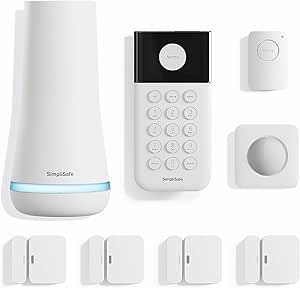 | Best for Beginners & Renters | Siren Volume: 100 dB | Pet Friendly: Yes (under 60 lbs) | Installation: No wiring or drilling | VIEW ON AMAZON | See Our Full Breakdown |
| WiFi Door Alarm System, 8-Piece DIY Wireless Alarm Kit |  | Best Budget Starter | Power Source: Battery Powered (Lithium) | Connectivity: 2.4GHz Wi-Fi | Control Method: App, Remote, Voice | VIEW ON AMAZON | See Our Full Breakdown |
| Arlo Home Security System with Wired Keypad Hub |  | Best for Multi-Threat Detection | Sensor Functions: Motion, Door/Window, Leak, Freeze, Smoke, CO | Connectivity: Wi-Fi (SecureLink) | Installation: DIY / Self-Adhesive | VIEW ON AMAZON | See Our Full Breakdown |
| Ring Alarm 8-Piece Kit (2nd Gen) |  | Best Ecosystem Integration | Base Station Power: AC Adapter with 24-Hour Battery Backup | Connectivity: Wi-Fi, Ethernet, Z-Wave, Cellular (Sub) | Voice Control: Alexa Compatible | VIEW ON AMAZON | See Our Full Breakdown |
| home security systems you can install yourself | Connectivity | Power Source | Siren Volume |
|---|---|---|---|
| SimpliSafe 11-Piece Wireless H | Wireless | Battery Powered | 95 dB |
| Wireless Home Security System | 2.4GHz WiFi | Battery Powered | 120 dB |
| GEN 2 Wireless Home Security S | WiFi & 4G | Battery Powered | 120 dB |
| WiFi Home Security Alarm Syste | WiFi (2.4GHz) | — | 120 dB |
| Ring Alarm 14-Piece Kit | Ethernet, Wi-Fi, Z-Wave | — | — |
| 15-Piece WiFi Home Security Sy | WiFi (2.4 GHz only) | Battery Powered | 120 dB |
| Cove 6-Piece DIY Home Security | Wireless | Battery Powered | — |
| ADT Blu Home Security System S | Wireless with Cellular Backup | Base: Corded; Accessories: Battery | — |
| TUGARD 13-Piece Wireless Home | WiFi (2.4GHz) & GSM | Corded Electric (220V) | 110 dB |
| SimpliSafe 8-Piece Wireless Ho | — | — | 100 dB |
| WiFi Door Alarm System | 2.4GHz Wi-Fi | Battery Powered (Lithium) | — |
| Arlo Home Security System with | Wi-Fi (SecureLink) | — | — |
| Ring Alarm 8-Piece Kit | Wi-Fi, Ethernet, Z-Wave, Cellular (Sub) | — | — |
More Details on Our Top Picks
SimpliSafe 11-Piece Wireless Home Security System (Gen 3)
This system stands out for its polished user experience and reliability. Unlike the budget-friendly Wireless Home Security System (B0H3YS7RNF), which relies on third-party apps that can feel clunky, SimpliSafe offers a dedicated, intuitive interface that just works. The smash-safe keypad is a critical differentiator; it can be moved away from the base station to prevent intruders from easily disabling the alarm, a feature often missing in cheaper kits. However, this convenience comes with a tradeoff: you must pay for professional monitoring to get the full security benefit. If you want a system that feels like a finished product rather than a DIY project, this is the top choice.
Pros:- Fully wireless with no drilling or complex wiring required
- Intuitive app and voice control compatibility with Alexa and Google Assistant
- Smash-safe keypad design enhances physical security
- Indoor camera includes two-way audio and a privacy shutter
Cons:- Requires a paid subscription for professional monitoring services
- Motion sensors are optimized for humans and may trigger on large pets
Best for: Homeowners who want a seamless, app-controlled experience and are willing to pay for professional monitoring.
Not ideal for: Budget-conscious buyers who refuse to pay any monthly subscription fees for alarm services.
- Power Source:Battery Powered
- Video Resolution:1536p HD
- Connectivity:Wireless
- Max Range:30 feet
- Siren Volume:95 dB
- Compatibility:Alexa, Google Assistant
Our verdict“Choose this if you prioritize a hassle-free setup and integrated professional monitoring over low upfront costs.”
Wireless Home Security System, Smart WiFi Alarm Kit
This kit is the most cost-effective entry into home security, stripping away the bells and whistles for pure utility. Compared to the Ring Alarm 14-Piece Kit (B08YMBQJ49), which offers cellular backup and deep ecosystem integration, this system is starkly simpler. It uses the Smart Life app, which is functional but less refined than dedicated security platforms. The 120dB siren is loud enough to deter casual intruders, but the 10-meter range is a significant limitation for larger homes. It is best viewed as a temporary solution or a starter kit for a small apartment, rather than a comprehensive, long-term security infrastructure.
Pros:- Extremely low cost with no monthly fees
- Quick 15-minute installation using adhesive pads
- Voice control support for Alexa and Google Home
Cons:- Limited 10-meter wireless range requires repeaters for large spaces
- Only compatible with 2.4GHz Wi-Fi networks
- Smart Life app interface is less polished than dedicated security apps
Best for: Renters or small apartment dwellers looking for the lowest upfront cost and basic door/window alerts.
Not ideal for: Large homeowners, as the 10-meter wireless range is insufficient for covering an entire house.
- Power Source:Battery Powered
- Connectivity:2.4GHz WiFi
- Siren Volume:120 dB
- Max Range:10 meters
- Installation:Self-Adhesive
- Compatibility:Alexa, Google Home
Our verdict“A solid choice for small spaces on a tight budget, provided you accept the limited range and basic app features.”
GEN 2 Wireless Home Security System, 16-Piece DIY Alarm Kit
This system differentiates itself with dual connectivity options, offering both Wi-Fi and optional 4G cellular backup. While the Ring Alarm 14-Piece Kit (B08YMBQJ49) locks cellular backup behind a subscription, this GEN 2 kit allows you to insert your own SIM card, giving you control over data costs. The touchscreen hub is a major usability upgrade over the button-only keypads found in the Wireless Home Security System (B0H3YS7RNF). However, setting up the cellular connection requires purchasing a separate plan, which adds a layer of complexity. It is a strong contender for those who want self-monitored security that doesn’t fail when the internet goes down.
Pros:- Touchscreen hub provides intuitive control and SOS mode
- Dual Wi-Fi and 4G connectivity ensures uptime during internet outages
- No monthly fees for core security features
- Comprehensive 16-piece kit covers multiple entry points
Cons:- Requires purchasing a separate SIM card and data plan for cellular backup
- 5GHz Wi-Fi networks are not supported
Best for: Tech-savvy users who want cellular backup without being locked into a specific security company’s subscription.
Not ideal for: Users who want a plug-and-play experience, as managing a separate SIM card and data plan adds complexity.
- Power Source:Battery Powered
- Connectivity:WiFi & 4G
- Siren Volume:120 dB
- Max Range:100 feet
- Sensor Tech:PIR & Magnetic
- Control:Touchscreen Hub
Our verdict“Ideal for those who prioritize internet outage protection and prefer managing their own cellular data costs.”
WiFi Home Security Alarm System with Door Sensors
This kit is designed for homes with numerous entry points. It includes ten door sensors out of the box, a significant advantage over the Ring Alarm 14-Piece Kit (B08YMBQJ49), which only includes eight contact sensors despite a higher price point. For users with many windows or side doors, this reduces the need for expensive add-ons. The 8-hour backup battery is a robust feature for self-monitored systems, ensuring alerts continue during power cuts. However, the expansion limit of 20 sensors is lower than some competitors, and the tolviviov brand lacks the ecosystem maturity of SimpliSafe or Ring, meaning fewer integrations with other smart home devices.
Pros:- Includes ten door sensors, covering more entry points than most starter kits
- 8-hour backup battery maintains operation during power outages
- No monthly fees or subscription requirements
- Easy installation with adhesive or screw options
Cons:- Expansion limited to 20 sensors total
- Only supports 2.4GHz Wi-Fi networks
- Brand ecosystem is less developed than major competitors
Best for: Owners of large homes or apartments with many windows and doors who need extensive sensor coverage immediately.
Not ideal for: Users seeking a highly integrated smart home ecosystem, as this brand has limited third-party compatibility.
- Brand:tolviviov
- Connectivity:WiFi (2.4GHz)
- Siren Volume:120 dB
- Backup Battery:8 hours
- Max Range:100 feet
- Expansion:Up to 20 sensors
Our verdict“The best value for covering a large perimeter with many entry points without paying for extra sensors.”
Ring Alarm 14-Piece Kit (Newest Model)
If your home already relies on Amazon devices, this kit is the logical upgrade. Unlike the standalone nature of the SimpliSafe 11-Piece System (B0CF6875SM), Ring Alarm integrates deeply with Alexa, allowing for complex routines like turning on lights when motion is detected. The inclusion of a Range Extender addresses common connectivity issues in larger homes, a thoughtful touch missing from the Wireless Home Security System (B0H3YS7RNF). The major drawback is the subscription dependency; many features, including cellular backup and professional monitoring, are gated behind the Ring Protect plan. It is a premium ecosystem play, not just a security device.
Pros:- Deep integration with Alexa and other Ring smart home devices
- Includes a Range Extender for better signal coverage
- Two keypads allow for convenient arming from multiple locations
- Rechargeable base station battery offers 24-hour backup
Cons:- Professional monitoring and cellular backup require a paid subscription
- Some advanced features are locked behind higher-tier plans
Best for: Amazon ecosystem users who want their security system to talk to their lights, locks, and cameras.
Not ideal for: Users who want a standalone security system without ongoing subscription commitments.
- Kit Contents:14-Piece Set
- Connectivity:Ethernet, Wi-Fi, Z-Wave
- Backup Battery:24 hours
- Compatibility:Alexa, Kwikset, Schlage
- Operating Temp:-4°F to 104°F
- Warranty:1-year limited
Our verdict“Choose this if you are already invested in the Amazon/Ring ecosystem and want seamless smart home automation.”
15-Piece WiFi Home Security System, DIY Wireless Alarm Kit, No Subscription
This 15-piece kit stands out for its generous sensor count right out of the box, making it ideal for larger properties where buying individual add-ons gets expensive. Compared to the SimpliSafe 8-Piece System, which feels sparse for a multi-room layout, this bundle covers significantly more ground immediately. The 120 dB siren is loud enough to deter intruders without needing professional monitoring, a key advantage for those avoiding recurring fees. However, the reliance on 2.4 GHz Wi-Fi only is a notable limitation for modern routers that default to 5 GHz bands. While the system is expandable, the 8-hour backup battery is short for critical power outages. This option makes the most sense for budget-conscious buyers who need broad coverage now and have stable power and compatible network infrastructure.
Pros:- Includes 10 door/window sensors, reducing upfront costs for large homes
- No monthly subscription required for local alerts and app control
- Integrates with Alexa for voice-based arming and disarming
- High-volume 120 dB siren provides strong local deterrence
Cons:- Limited to 2.4 GHz Wi-Fi networks, which may require router configuration
- Backup battery lasts only about 8 hours during power failures
- No professional monitoring option if you change your mind later
Best for: Owners of medium-to-large homes who need extensive entry-point coverage without monthly fees.
Not ideal for: Users with modern 5 GHz-only routers or those in areas with frequent long-term power outages.
- Connectivity:WiFi (2.4 GHz only)
- Siren Volume:120 dB
- Expansion Capacity:Up to 20 sensors
- Smart Home Integration:Alexa
- Power Source:Battery Powered
- Backup Battery Runtime:~8 hours
- Control Methods:App, Remote, Voice
Our verdict“A cost-effective choice for securing multiple entry points in larger homes without recurring costs.”
Cove 6-Piece DIY Home Security System with 3-Month Monitoring
Cove differentiates itself by bundling three months of 24/7 professional monitoring directly into the hardware purchase, a stark contrast to the ADT Blu Starter Kit which offers a shorter 30-day trial. This extended trial allows buyers to evaluate the true value of human dispatch before committing to a subscription. The installation is genuinely tool-free, appealing to renters or those who dislike drilling. However, the system becomes significantly less valuable once the trial ends, as ongoing monitoring is required for full functionality. Unlike the 15-Piece WiFi Kit, which works independently, Cove’s ecosystem is designed to keep you subscribed. This pick is best for users who want a risk-free test of monitored security but must be prepared for the transition to a paid plan.
Pros:- Includes three months of free professional monitoring
- No tools required for installation, ideal for renters
- Single mobile app manages all devices and alerts
- Optional free indoor camera enhances visibility
Cons:- Requires a paid subscription for monitoring after three months
- Free camera offer is tied to specific subscription tiers
- Hardware is less flexible if you cancel the service
Best for: Buyers who want to test professional monitoring services before committing to a long-term subscription.
Not ideal for: Users strictly opposed to monthly fees or those who prefer fully self-monitored systems.
- Monitoring Included:3 Months Free
- Connectivity:Wireless
- Installation:No tools required
- Control Methods:App, Push Button, Remote
- Power Source:Battery Powered
- Max Range:150 feet
- Brand:Cove
Our verdict“Ideal for those wanting an extended, risk-free trial of professional monitoring services.”
ADT Blu Home Security System Starter Kit – DIY Wireless Alarm (Plan Required)
Backed by the ADT name, this kit offers a sense of institutional trust that smaller brands like TUGARD cannot match. The cellular backup ensures the system remains active even if your home internet goes down, a critical feature for robust security. Installation is straightforward with adhesive mounts, though the base station requires a power outlet, unlike the fully battery-powered SimpliSafe. The main tradeoff is the mandatory subscription after the 30-day trial; without it, the system loses its professional dispatch advantage. This option stands out for buyers who prioritize a trusted brand and cellular redundancy over cost savings. It is less suitable for those seeking a self-contained, fee-free solution.
Pros:- Cellular backup maintains connectivity during internet outages
- Tool-free installation with adhesive and screw options
- Access to ADT’s established professional monitoring network
- Expandable with additional sensors and cameras
Cons:- Requires a paid monitoring subscription after the trial
- Base station must be plugged into a power outlet
- Limited battery life for accessories compared to some competitors
Best for: Users who prioritize brand reputation and cellular backup reliability over upfront cost.
Not ideal for: Budget-conscious buyers who do not want to commit to a monthly monitoring plan.
- Connectivity:Wireless with Cellular Backup
- Monitoring Trial:30 Days Free
- Power Source:Base: Corded; Accessories: Battery
- Installation:Tool-free (Adhesive/Screw)
- Control Methods:App, Touch
- Brand:ADT
- Battery Life:24 hours (Base)
Our verdict“A reliable, brand-backed option for those willing to pay for professional monitoring and cellular redundancy.”
TUGARD 13-Piece Wireless Home Security System with 1080P Camera
Unlike the Wi-Fi-dependent 15-Piece WiFi Kit, this TUGARD system uses GSM cellular connectivity for core alarms, meaning it functions even if your home internet fails. The inclusion of a 1080P camera and a loud 110 dB siren makes it a comprehensive visual deterrent. However, the requirement for a separately purchased SIM card adds complexity and ongoing cost that Wi-Fi-only systems avoid. While the 3-year battery life for sensors is impressive, the 220V power requirement may limit placement flexibility compared to battery-operated hubs like the SimpliSafe. This pick makes the most sense for users in areas with unstable internet who are comfortable managing SIM cards for SMS and call alerts.
Pros:- GSM cellular backup works independently of home Wi-Fi
- Includes 1080P camera for visual verification
- Long 3-year battery life for wireless sensors
- Compatible with Alexa and Google Assistant
Cons:- Requires a separately purchased SIM card for SMS/calls
- Limited to 2.4 GHz Wi-Fi for app connectivity
- Base station requires a 220V power outlet
Best for: Users in areas with unreliable internet who need offline cellular alert capabilities.
Not ideal for: Buyers who want a simple, plug-and-play setup without managing SIM cards or extra hardware.
- Connectivity:WiFi (2.4GHz) & GSM
- Camera Resolution:1080P
- Siren Volume:110 dB
- Sensor Battery Life:Up to 3 years
- Power Source:Corded Electric (220V)
- Smart Home Integration:Alexa, Google Assistant
- Included Components:13-Piece Kit
Our verdict“A robust choice for offline reliability, though it requires managing a SIM card for full alert functionality.”
SimpliSafe 8-Piece Wireless Home Security System
This system is the gold standard for ease of use, with a smash-proof keypad and intuitive app that outshines the more complex setup of the Cove system. The no-drill installation is perfect for renters, and the pet-friendly motion sensor (under 60 lbs) prevents false alarms from small pets. While the 100 dB siren is slightly quieter than the 120 dB models, it is still effective. The main drawback is that professional monitoring is not included by default, unlike the Cove or ADT Blu kits. This option stands out for those who want a simple, contract-free start. It is best for apartment dwellers or first-time buyers who value simplicity and flexibility over immediate professional dispatch.
Pros:- No wiring or drilling required for installation
- No long-term contracts for optional monitoring
- Pet-friendly motion sensors reduce false alarms
- Seamless integration with Alexa and Google Assistant
Cons:- Professional monitoring requires a separate subscription
- Panic button silent alerts need a monitoring plan
- Base station battery backup relies on monitoring plan for redundancy
Best for: Renters and first-time buyers who prioritize easy installation and no long-term contracts.
Not ideal for: Users who require immediate professional monitoring without signing up for a separate plan.
- Siren Volume:100 dB
- Pet Friendly:Yes (under 60 lbs)
- Installation:No wiring or drilling
- Smart Home Integration:Alexa, Google Assistant
- Warranty:1 Year Limited
- Components:8-Piece Wireless System
- Control Methods:App, Keypad, Panic Button
Our verdict“The most user-friendly option for renters and beginners seeking a flexible, contract-free security start.”
WiFi Door Alarm System, 8-Piece DIY Wireless Alarm Kit
This kit stands out for zero recurring costs, making it a stark contrast to subscription-heavy options like the Ring Alarm 8-Piece Kit. While the Ring system offers polished integration, this tolviviov unit delivers basic peace of mind without monthly fees. The 20-sensor expandability allows for gradual growth, though the 2.4GHz-only Wi-Fi requirement can frustrate users with modern dual-band routers. The 8-hour battery backup is adequate for short outages but pales in comparison to the 24-hour backup found in premium competitors. It is a functional entry point for renters or small apartments where contract-free security is the primary goal.
Pros:- No subscription fees or contracts required for core functionality
- Expandable up to 20 sensors and 5 remotes for future growth
- Voice control integration for simple arming and disarming
Cons:- Compatible only with 2.4GHz Wi-Fi networks, which may exclude some modern setups
- Battery backup lasts only 8 hours, offering limited protection during outages
Best for: Budget-conscious renters who want basic door/window monitoring without any monthly subscription fees or long-term contracts.
Not ideal for: Users with large homes or mixed router environments, as the 2.4GHz-only connection and limited sensor range can be restrictive.
- Power Source:Battery Powered (Lithium)
- Connectivity:2.4GHz Wi-Fi
- Control Method:App, Remote, Voice
- Max Expansion:Up to 20 Sensors
- Backup Battery:8 Hours
- Range:100 Meters
- Kit Contents:8-Piece (Siren, 5 Sensors, 2 Remotes)
Our verdict“Choose this if you want a cheap, contract-free entry into home security and don’t mind the lack of advanced monitoring features.”
Arlo Home Security System with Wired Keypad Hub
The Arlo SS1501 distinguishes itself with 8-in-1 sensors that detect leaks, smoke, and temperature changes alongside standard intrusion alerts. This is a significant upgrade over the Ring Alarm 8-Piece Kit, which focuses primarily on motion and contact detection. The One Tap Emergency Response adds a layer of urgency that basic DIY kits lack. However, the wired hub requirement limits placement flexibility, forcing it near a router or power outlet. While the SecureLink technology ensures robust connectivity, the reliance on a paid subscription for full monitoring features may deter those seeking a one-time purchase solution like the tolviviov kit.
Pros:- Sensors detect motion, leaks, smoke, CO, and temperature changes
- One Tap Emergency Response for rapid dispatch of emergency services
- SecureLink technology provides extended range and secure connectivity
Cons:- Hub requires a wired Ethernet and power connection, limiting placement options
- Professional monitoring and cloud storage require a paid subscription after trial
Best for: Homeowners who need comprehensive protection against environmental hazards like water leaks and carbon monoxide, not just break-ins.
Not ideal for: Those who prefer wireless hubs for flexible placement or who want to avoid ongoing subscriptions for professional monitoring.
- Sensor Functions:Motion, Door/Window, Leak, Freeze, Smoke, CO
- Connectivity:Wi-Fi (SecureLink)
- Installation:DIY / Self-Adhesive
- Hub Power:Corded Electric (Ethernet required)
- Monitoring:Optional Professional (Subscription)
- Emergency Feature:One Tap Emergency Response
- Kit Contents:Hub + 5 All-in-One Sensors
Our verdict“This system is ideal for those who view security as a holistic safety net against both intruders and household hazards.”
Ring Alarm 8-Piece Kit (2nd Gen)
The Ring Alarm 8-Piece Kit remains the benchmark for smart home integration, particularly for existing Alexa users. Compared to the Arlo SS1501, which requires a wired hub, the Ring base station offers more flexible placement with its cellular backup option (via subscription). The 24-hour battery backup significantly outperforms the tolviviov kit’s 8-hour limit, providing greater reliability during power outages. However, the system’s full potential is locked behind the Ring Protect subscription, which is necessary for video recording and professional monitoring. It is a polished, user-friendly experience that excels in ease of use but demands ongoing costs for serious security.
Pros:- Seamless integration with Alexa and Ring video doorbells
- 24-hour battery backup in the base station for power outages
- Simple DIY installation with wall-mount or flat-surface options
Cons:- Cellular backup and professional monitoring require a paid Ring Protect subscription
- Limited to residential use in the U.S. and Canada
Best for: Amazon Alexa users and renters who want a seamless, easy-to-install system that integrates with other smart home devices.
Not ideal for: Buyers who refuse to pay monthly subscription fees for cellular backup, video recording, or professional monitoring services.
- Base Station Power:AC Adapter with 24-Hour Battery Backup
- Connectivity:Wi-Fi, Ethernet, Z-Wave, Cellular (Sub)
- Voice Control:Alexa Compatible
- Monitoring:Optional 24/7 Professional
- Installation:DIY, Wall or Flat Surface
- Operating Temp:32°F to 104°F (Indoor)
- Kit Contents:Base, Keypad, Contact Sensors, Motion Detector
Our verdict“Select this if you are already in the Amazon ecosystem and value app usability and expandability over a one-time purchase model.”

How We Picked
I evaluated each system based on installation complexity, component quality, and monitoring flexibility. The ranking prioritizes systems that offer a clear path from unboxing to full protection without requiring professional technicians or specialized tools. I also weighed the long-term cost of ownership, distinguishing between systems that hide fees in subscriptions versus those with higher upfront hardware costs but no recurring charges.
Furthermore, I assessed the user interface of companion apps and the reliability of wireless connectivity. A system is only as good as its ability to alert you instantly, so I prioritized kits with redundant communication paths, such as cellular backup or dual-band Wi-Fi support. This approach ensures that the recommendations reflect real-world reliability, not just marketing claims.
| home security systems you can install yourself | Power Source |
|---|---|
| SimpliSafe 11-Piece Wireless H | Battery Powered |
| Wireless Home Security System | Battery Powered |
| GEN 2 Wireless Home Security S | Battery Powered |
| WiFi Home Security Alarm Syste | — |
| Ring Alarm 14-Piece Kit | — |
| 15-Piece WiFi Home Security Sy | Battery Powered |
| Cove 6-Piece DIY Home Security | Battery Powered |
| ADT Blu Home Security System S | Base: Corded; Accessories: Battery |
| TUGARD 13-Piece Wireless Home | Corded Electric (220V) |
| SimpliSafe 8-Piece Wireless Ho | — |
| WiFi Door Alarm System | Battery Powered (Lithium) |
| Arlo Home Security System with | — |
| Ring Alarm 8-Piece Kit | — |
Factors to Consider When Choosing Home Security Systems You Can Install Yourself
Selecting a DIY security system involves more than just counting sensors. You need to understand how the system communicates, who monitors it, and how it fits into your daily routine. This guide clarifies the decision-making process.
Self-Monitoring vs. Professional Monitoring
The most significant divide in this category is whether the system alerts you or a central station. Self-monitoring saves money but requires you to be available to call emergency services when an alarm triggers. If you travel often or sleep heavily, this is a risky gamble. Professional monitoring costs more monthly but guarantees that a human verifies alarms and dispatches police or fire services even if you are unreachable. I recommend professional monitoring for anyone with pets that might trigger false alarms or for those living alone, as it removes the burden of being the sole guardian of your safety.
The Hidden Costs of ‘No Monthly Fee’
Many budget kits advertise no monthly fees, which sounds appealing until you realize the limitations. These systems typically rely on Wi-Fi or cellular for alerts, meaning if your internet goes down, your security system often goes blind. Some cheaper kits lack cellular backup entirely, leaving you vulnerable during power outages or network failures. Cellular backup is a feature worth paying for, as it ensures the system remains operational even when your home’s internet is cut or disconnected. Always check if the ‘free’ tier includes cloud storage for video or if you need a subscription to see what triggered the alarm.
Integration with Smart Home Ecosystems
If you already own smart lights, locks, or cameras, choose a security system that integrates with your existing ecosystem. Ring works best with Amazon Alexa, allowing you to arm the system via voice commands. SimpliSafe and Arlo offer broader compatibility with Google Assistant and Apple HomeKit, though integration levels vary. A system that talks to your other devices can automate routines, such as turning on all lights when the alarm triggers. This interoperability adds value beyond basic intrusion detection, turning your security system into a central hub for home automation.
Installation Effort and Component Flexibility
DIY installation is generally simple, but some systems are easier than others. Cove and SimpliSafe use adhesive mounts that require no drilling, making them perfect for renters. In contrast, systems requiring hardwired sirens or complex hub configurations may demand more technical skill. Consider the layout of your home; open floor plans need fewer motion sensors, while multi-story homes require more door and window sensors. I advise choosing a kit with a modular design so you can add components as your needs change, rather than committing to a fixed bundle that might be too small or too large for your space.
Power Outage and Connectivity Reliability
Most DIY systems rely on battery-operated sensors, which is a strength because they keep working when the power fails. However, the central hub is often the weak point. If the hub loses power or internet, the system may stop sending alerts. Look for hubs with built-in battery backups and cellular communication as a failover. This redundancy ensures that even during a storm that knocks out your Wi-Fi, the alarm signal still reaches the monitoring center or your phone. Do not assume a wireless system is foolproof; check the specs for backup power duration and cellular compatibility.
Frequently Asked Questions
Do DIY security systems work during a power outage?
Yes, most components in modern DIY systems are battery-powered, so sensors and cameras continue to function when the grid fails. However, the central hub or base station often relies on home power and internet, which can disrupt communication if it lacks a backup battery and cellular connection. I recommend checking if the hub includes a 24-hour battery backup and cellular radio to maintain connectivity during outages. Without these features, your system might detect an intruder locally but fail to alert you or a monitoring center.Can I install a security system myself if I rent my apartment?
Absolutely, and many DIY systems are designed specifically for renters. Look for kits that use adhesive mounting strips instead of screws for sensors and hubs, such as SimpliSafe or Cove, to avoid damaging walls. Ensure the system is wireless and does not require hardwiring to your home’s electrical or phone lines. This allows you to take the entire system with you when you move, making it a portable investment rather than a permanent fixture.Is it worth paying for professional monitoring with a DIY system?
For many homeowners, yes. Self-monitoring places the burden on you to react to every alert, which can be stressful and ineffective if you are asleep or away. Professional monitoring provides a safety net where trained agents verify alarms and dispatch emergency services, reducing false alarm fines and response times. If you have pets, children, or a busy schedule, the monthly fee is a reasonable cost for the peace of mind that help is always on standby.How do I prevent false alarms from pets with DIY systems?
Choose motion sensors with pet-immune technology, which are calibrated to ignore animals under a certain weight, typically 30 to 50 pounds. You can also strategically place sensors in high-traffic areas where pets roam, avoiding pointing them directly at pet beds or food bowls. Some systems, like Ring, allow you to set ‘Away’ and ‘Home’ modes, letting you disable interior motion sensors when you are home but keeping door and window sensors active. This granular control helps minimize unnecessary alerts while maintaining perimeter security.What happens if my Wi-Fi goes down?
If your Wi-Fi fails, the outcome depends on the system’s redundancy features. High-end kits like SimpliSafe and ADT include cellular backup, which automatically switches the system to a mobile network to send alerts. Budget kits without cellular radios will likely stop sending notifications to your phone or a monitoring center, rendering them ineffective remotely. I advise verifying cellular compatibility before purchase if you live in an area with unreliable internet service.Conclusion
Choosing the right home security system you can install yourself depends on your tolerance for technical setup and your need for professional backup. For most readers, the SimpliSafe 11-Piece System is the best overall choice, offering a perfect blend of easy installation and reliable monitoring. If you are already deep in the Amazon ecosystem, the Ring Alarm 14-Piece Kit is the best smart home integration option, despite its subscription requirements. Budget-conscious buyers who prefer self-monitoring should look at the GEN 2 Wireless Home Security System, which offers solid protection without recurring fees, though it lacks professional dispatch. For those who want the simplest possible setup with zero technical friction, Cove remains the best for beginners. Ultimately, weigh the cost of monthly monitoring against the value of having a human verify every alarm; for most, that peace of mind is worth the investment.