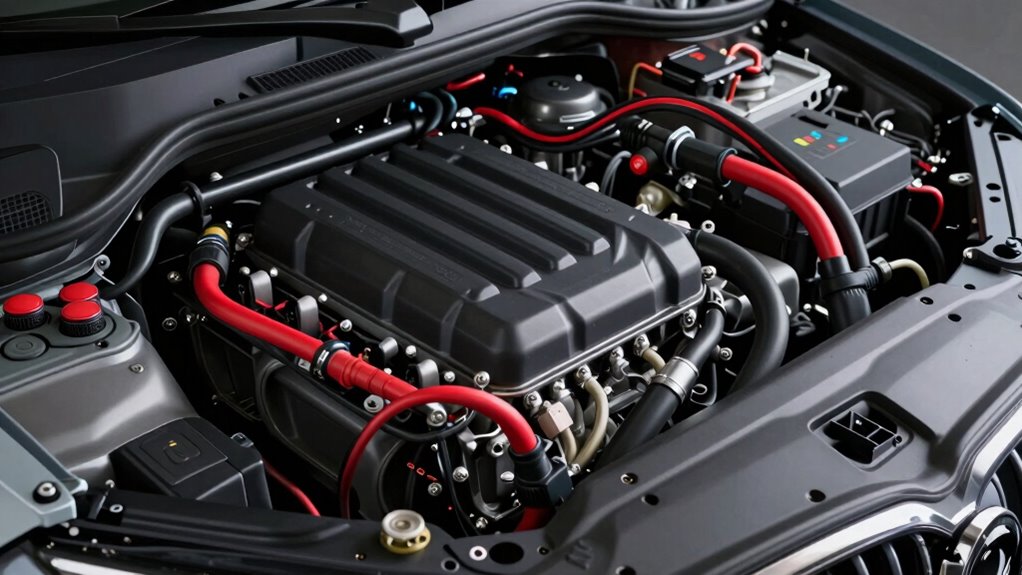

To protect your car’s battery from excessive power draw, you should regularly check for parasitic drains using a multimeter and keep an eye on your electrical accessories. Installing proper fuses and high-quality fuse holders helps prevent overloads and short circuits. Limiting long-term power use from gadgets and ensuring all wiring and terminals are corrosion-free also extend your battery’s lifespan. If you want to learn more about keeping your system healthy, keep going.
Prime for Young Adults — start your free trial
Fast free delivery, streaming and member deals for eligible 18–24 year olds.
As an affiliate, we earn on qualifying purchases.
Key Takeaways
- Regularly monitor electrical system voltage and current to detect parasitic draws exceeding 50 mA.
- Use appropriate fuses and high-quality fuse holders to prevent overloads and short circuits.
- Keep terminals clean and tightly connected to reduce corrosion and electrical resistance.
- Install battery isolators or disconnect switches to protect the battery during long vehicle inactivity.
- Avoid leaving accessories plugged in or lights on when the vehicle is off to minimize unnecessary power drain.
As an affiliate, we earn on qualifying purchases.
Why Car Batteries Drain and How to Prevent It
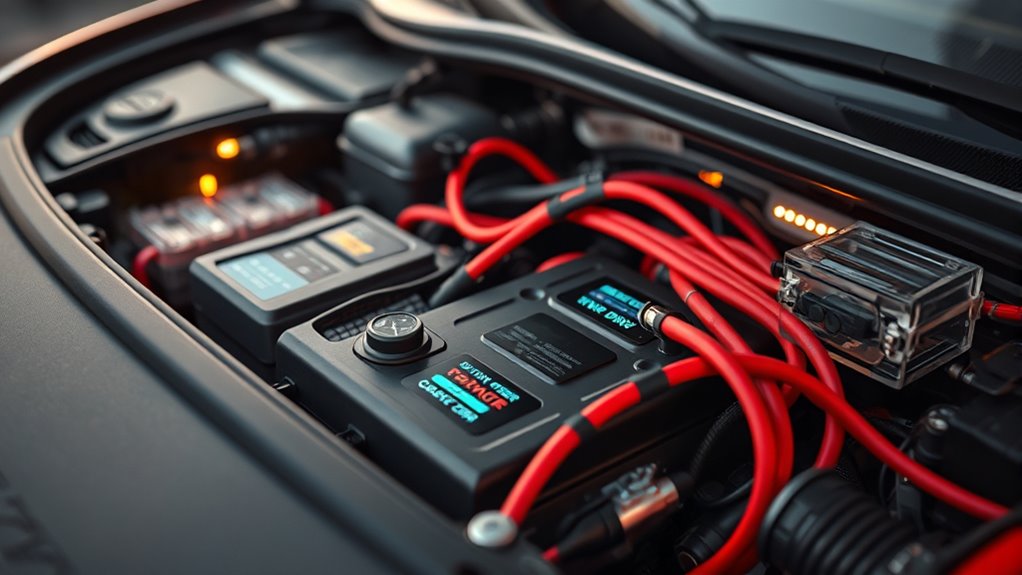
Car batteries can drain unexpectedly when electronic devices or accessories draw power even when your car is off. This often happens due to how battery chemistry responds to frequent charging cycles, which can wear down the battery over time. Repeated charging and discharging weaken the battery’s ability to hold a charge, leading to drain issues. Additionally, leaving accessories like lights, radios, or chargers on can accelerate this process. Understanding your battery’s chemistry helps you adopt proper maintenance habits, such as avoiding deep discharges and ensuring a full charge during each cycle. Regularly checking for parasitic drains and keeping your battery healthy through correct charging practices can prevent unexpected drain and prolong your battery’s lifespan. Proper care ensures your battery remains reliable, saving you from unexpected breakdowns. Being aware of battery degradation factors can help you take proactive steps to extend its life and maintain optimal performance. Recognizing the impact of charge cycles on battery health is crucial for maintaining long-term performance and avoiding premature replacement. Additionally, understanding how electrical load affects the battery can help you manage power consumption more effectively.
parasitic drain tester multimeter
As an affiliate, we earn on qualifying purchases.
As an affiliate, we earn on qualifying purchases.
How to Monitor Your Car’s Power Use and Spot Drain Issues
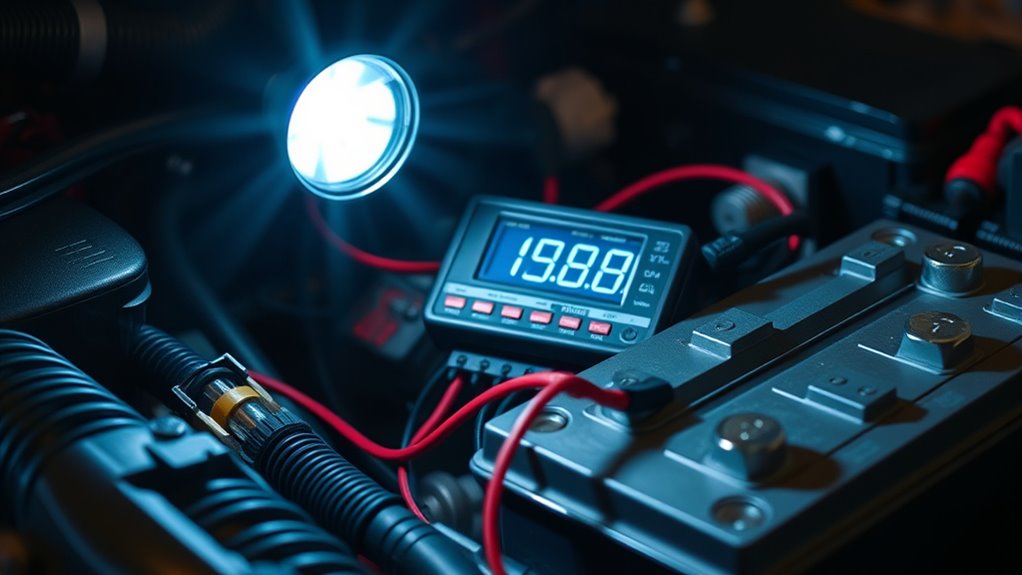
To keep your battery healthy, you need to monitor how much power your car’s electronics are using. By tracking consumption, you can quickly spot unusual drain patterns that could indicate a problem. Recognizing these drain anomalies helps you take action before your battery becomes too depleted. Additionally, understanding the power draw of your system can help optimize performance and extend the lifespan of your components. Regular battery maintenance is essential to prevent unexpected failures and ensure reliable operation over time. Implementing free floating monitoring techniques can provide continuous insights into your system’s health and help identify issues proactively. Utilizing load‑planning tools can further assist in managing your vehicle’s electrical demands effectively, especially as smart automotive systems become more integrated into modern vehicles.
Monitoring Power Consumption
Wondering how to spot unusual power drain in your vehicle? Monitoring your car’s power consumption helps identify issues like battery aging or voltage regulation problems. To do this effectively, you can:
- Use a multimeter to measure voltage at the battery terminals when the car is off, ensuring it stays within normal ranges.
- Install a dedicated current monitor to track real-time power draw and detect unusual spikes.
- Regularly check for parasitic draws that persist even when your vehicle is off, which can accelerate battery aging.
- Implement simple home organization strategies to keep your vehicle’s electrical components accessible for maintenance and troubleshooting.
- Additionally, understanding electrical system basics can help you better interpret readings and troubleshoot common issues more effectively.
- Familiarizing yourself with European cloud innovations can provide insights into advanced monitoring technologies that enhance vehicle electrical management.
- Developing an understanding of battery lifespan factors can aid in predicting when components may need replacement, preventing unexpected failures and ensuring optimal battery health.
Detecting Drain Anomalies
Detecting drain anomalies requires you to actively monitor your vehicle’s electrical system for unusual power consumption. Sudden voltage fluctuation can indicate a parasitic drain or wiring issues that may be draining your battery overnight. Use a multimeter to measure current draw when the vehicle is off; a reading higher than 50 milliamps suggests a problem. Pay close attention to irregular voltage levels, which can signal faulty wiring or corroded connections. Proper understanding of clean-home systems can help you identify signs of electrical issues that impact your vehicle’s performance. If you notice persistent fluctuation or abnormal readings, inspect wiring for damage, loose connections, or short circuits. Recognizing electrical anomalies early can help prevent battery drain and potential electrical failures. Regular checks and prompt repairs are essential to maintaining your car’s electrical health and ensuring reliable performance. Being familiar with parasitic drain detection techniques can further improve your ability to troubleshoot effectively. Additionally, understanding how to interpret voltage fluctuations can help you pinpoint specific issues more accurately. Staying informed about sound electrical components can also aid in diagnosing underlying problems that might not be immediately obvious.
As an affiliate, we earn on qualifying purchases.
Common Causes of Battery Drain and How to Identify Them
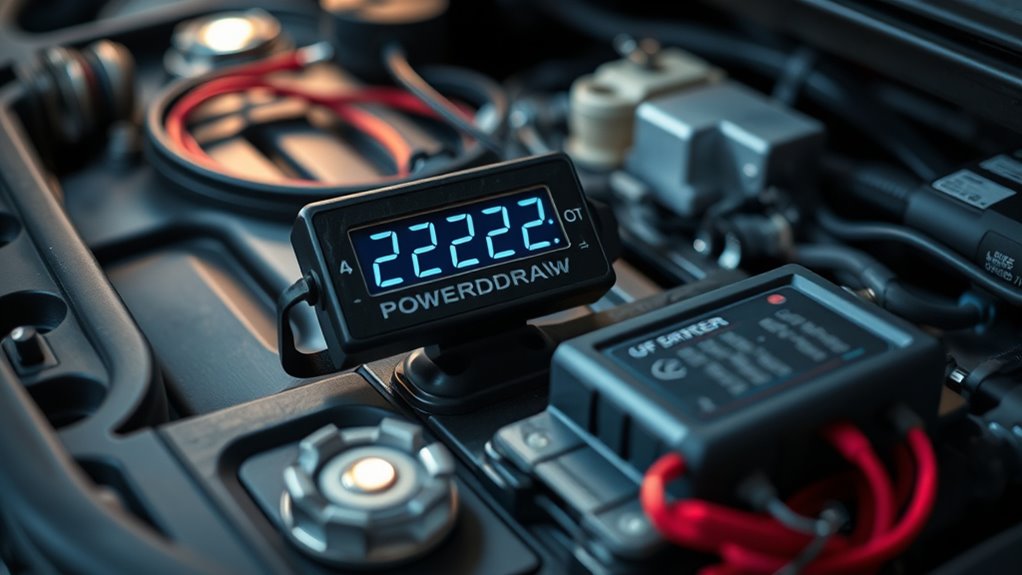
Battery drain often results from parasitic draws, faulty electrical components, or user-related power habits. Identifying these issues requires careful inspection and monitoring your vehicle’s electrical system. Recognizing the signs early can save you time and prevent unexpected battery failures. Regularly checking for signs of illness or injury can help detect underlying electrical problems that may contribute to battery drain. Additionally, understanding how Soul Sanctuaries influence overall electrical systems can provide further insight into maintaining your vehicle’s battery health. Using diagnostic tools to track electrical load patterns can also assist in pinpointing the source of drain and improving your vehicle’s electrical efficiency. Being aware of battery health indicators helps in early detection and effective management of potential issues.
Parasitic Battery Drain
Parasitic battery drain occurs when electronic components in your car continue to draw power even after the vehicle is turned off. This ongoing power draw can slowly deplete your battery, leading to starting problems. To prevent this, effective battery maintenance and proper power management are essential. You should regularly check for any unusual drain and disconnect devices when not in use. Some common causes include interior lights left on, aftermarket accessories, or faulty relays. To identify parasitic drain:
- Use a multimeter to measure current draw when the car is off
- Inspect for accessories that stay active after shutting down
- Check for corrosion or damaged wiring that may cause unintended power flow
Understanding these signs helps you catch issues early, ensuring your battery stays healthy and ready for use.
Faulty Electrical Components
Faulty electrical components are a common cause of unexplained battery drain, as malfunctioning parts can continuously draw power even when your car is off. Faulty wiring can create unintended connections, causing persistent power leaks. Similarly, corroded terminals hinder proper electrical flow, leading to increased resistance and drain. You might notice dimming headlights or difficulty starting your car as signs of these issues. To identify faulty electrical components, inspect wiring for visible damage or corrosion. Check terminals for corrosion or looseness, and clean or tighten them as needed. Using a multimeter to test for unexpected power draw can help pinpoint the source. Addressing faulty wiring and corroded terminals promptly prevents further damage and ensures your battery remains healthy.
User-Related Power Usage
Many times, what drains your car’s battery isn’t a faulty part but user-related activities or habits. Leaving charging accessories like phone chargers plugged in overnight can cause unnecessary power drain. Similarly, ignoring dashboard indicators that warn of electrical issues might lead to battery problems down the line. Constantly leaving interior lights on or not turning off accessories when parked also contributes to battery drain. You might not notice the drain until you try to start your car, especially if you’re unaware of how these habits impact the battery. To prevent this, regularly check for active charging accessories and pay attention to dashboard indicators. Being mindful of your habits helps preserve your battery’s health and avoids unexpected breakdowns.
As an affiliate, we earn on qualifying purchases.
How to Protect Your Battery From Overload and Short Circuits
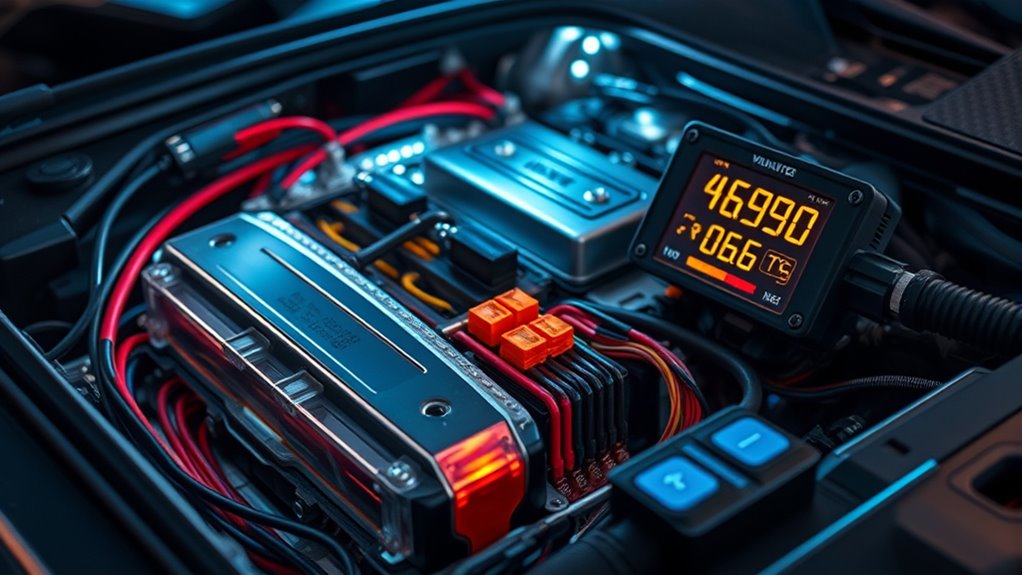
Protecting your car battery from overloads and short circuits is vital to prevent damage and guarantee reliable operation. Proper fuse selection is your first line of defense, making sure that if a fault occurs, the fuse blows before harm reaches your battery or electronics. Overload protection devices are essential in controlling excessive current flow that could otherwise cause overheating or failure. Use the table below to understand the importance of choosing the right fuse and protection method:
| Protection Method | Purpose |
|---|---|
| Correct fuse rating | Prevents overloads and short circuits |
| Regular inspection | Ensures fuse integrity and function |
| Proper wiring | Reduces risk of shorts |
| Fuse holder quality | Maintains reliable protection |
| Overcurrent protection | Limits excessive current flow |
Installing or Upgrading Battery Protection Devices: What You Need to Know
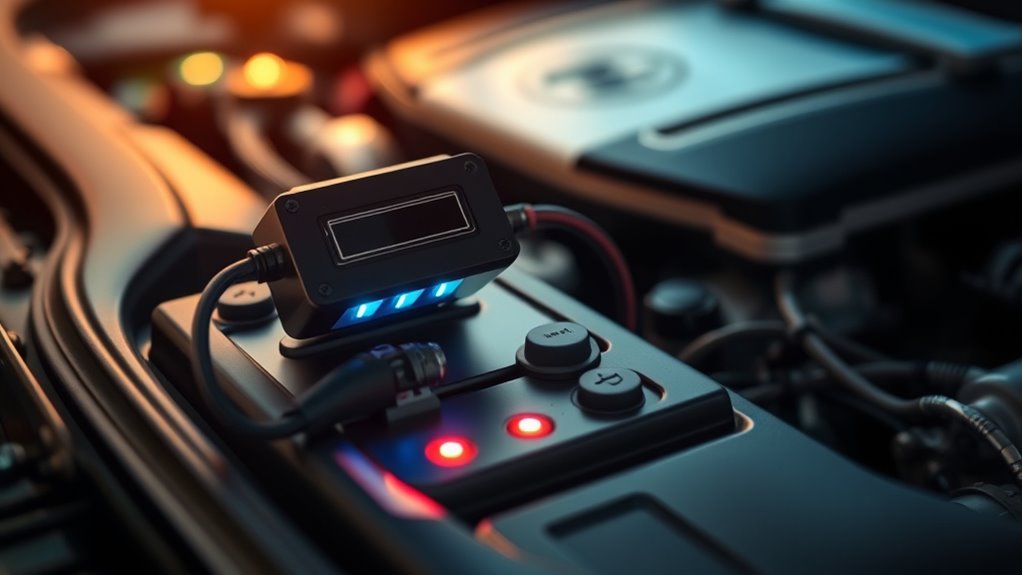
Installing or upgrading battery protection devices is a crucial step to guarantee your car’s electrical system remains safe and reliable. Proper devices like battery isolators and fuse holders prevent overloads and protect your battery from damage. When upgrading, ensure you select the right battery isolators to manage multiple power sources effectively. Fuse holders should be easily accessible for quick replacements and should match the fuse ratings for safety. Proper installation involves securing these components firmly and connecting them correctly to avoid any electrical faults. Remember, quality components matter—using high-quality fuse holders and isolators ensures longevity and reliable protection. Taking these steps helps prevent costly repairs and keeps your car’s electronics running smoothly. Stay vigilant and maintain your protection devices regularly for peak performance.
Tips to Maintain Your Battery and Make It Last Longer
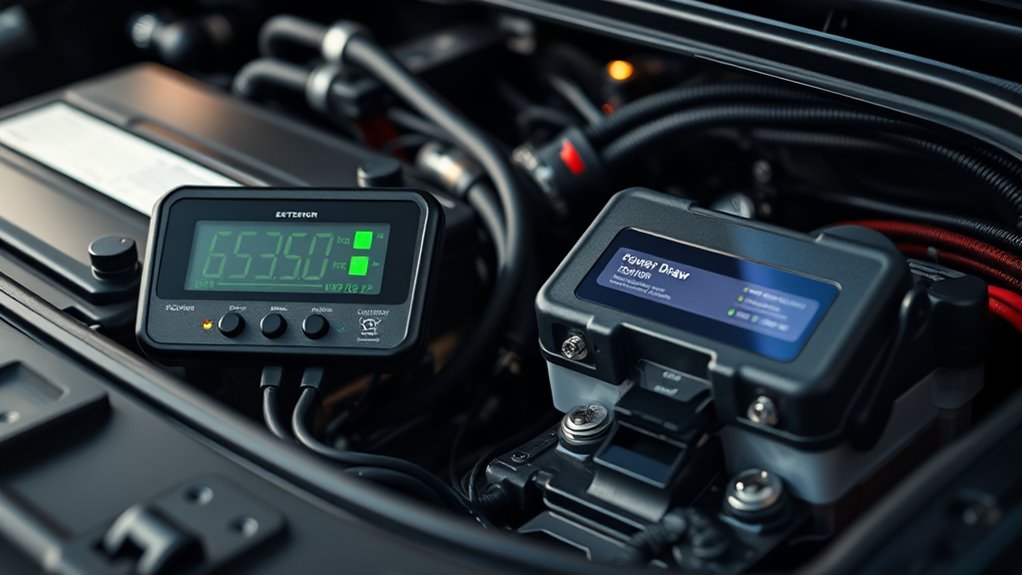
To extend your car battery’s lifespan, it’s essential to keep it well-maintained and avoid common pitfalls that cause premature wear. Regular battery maintenance includes checking terminals for corrosion and ensuring they’re tight. Using proper charging techniques is also crucial; avoid deep discharges and don’t leave your vehicle unused for long periods without a trickle charge. Keep an eye on the voltage levels and recharge when necessary, especially in cold weather. Make sure your alternator is functioning correctly to prevent overcharging or undercharging. Additionally, avoid leaving electrical accessories on when the engine isn’t running. These simple steps help prevent unnecessary strain on your battery, ensuring it stays healthy and lasts longer. Proper maintenance and charging techniques are key to maximizing your battery’s performance.
Frequently Asked Questions
How Do Temperature Fluctuations Affect Car Battery Lifespan?
Temperature fluctuations can considerably reduce your car battery’s lifespan. When temperatures change, thermal cycling causes the battery’s internal components to expand and contract, leading to wear and tear. Hot weather accelerates corrosion risk, weakening the plates and connections, while cold temperatures diminish the battery’s capacity to start your car. To protect your battery, avoid extreme temperature exposure and consider a battery warmer or insulation, especially in harsh climates.
Can Aftermarket Electronics Cause Increased Power Draw?
Yes, aftermarket upgrades can cause increased power consumption. When you install additional electronics, like amplifiers or advanced lighting, they often draw more power from your battery. This extra load can strain your electrical system, especially if the upgrades aren’t properly installed or if your battery isn’t rated for higher power demands. Always consider the power draw of aftermarket electronics to avoid draining your battery prematurely or causing electrical issues.
What’s the Best Way to Reset a Car’s Battery Protection System?
To reset your car’s battery protection system, start by turning off all electronics and ignition. Disconnect the negative terminal of the battery, then wait about 10-15 minutes to allow the protection system to reboot. Afterward, reconnect the terminal securely. This battery reset clears the system, restoring normal function. Be cautious, and if you’re unsure, consult your vehicle’s manual or a professional to ensure a proper protection system reset.
Are There Specific Brands or Types of Protection Devices Recommended?
You should look for reputable brands like NOCO, Battery Tender, or CTEK for protection devices. Focus on device types such as smart battery protectors, fuse systems, and voltage regulators that suit your car’s needs. These brands are known for quality and reliability, ensuring your battery stays protected. Always check compatibility with your vehicle and read reviews to find the best option for your specific setup.
How Often Should I Have My Battery and Protection System Inspected?
You should have your battery and protection system inspected at least once a year, or more often if you notice issues like slow cranking or dim lights. Regular battery maintenance includes checking terminals and fluid levels, while protection system inspections verify that devices are functioning properly to prevent power draw problems. Staying proactive helps avoid unexpected failures and prolongs your battery’s lifespan, keeping your vehicle reliable and safe.
Conclusion
Think of your car’s battery as a delicate heartbeat, quietly powering your journeys. By understanding its energy flow and shielding it from overloads, you’re guarding a crucial flame that keeps your adventures alive. Regular checks and proper protection act as a shield, ensuring this flame burns steady and bright. Keep the sparks alive, and your car will continue to be your loyal companion on every road ahead.
NFL season / tailgating Picks
team gear
As an affiliate, we earn on qualifying purchases.