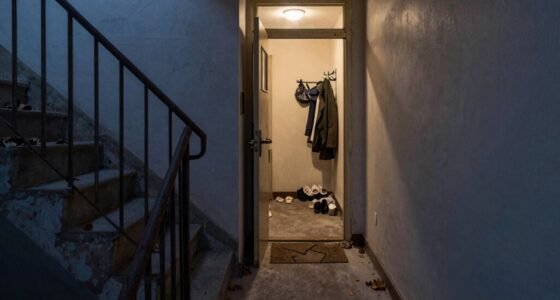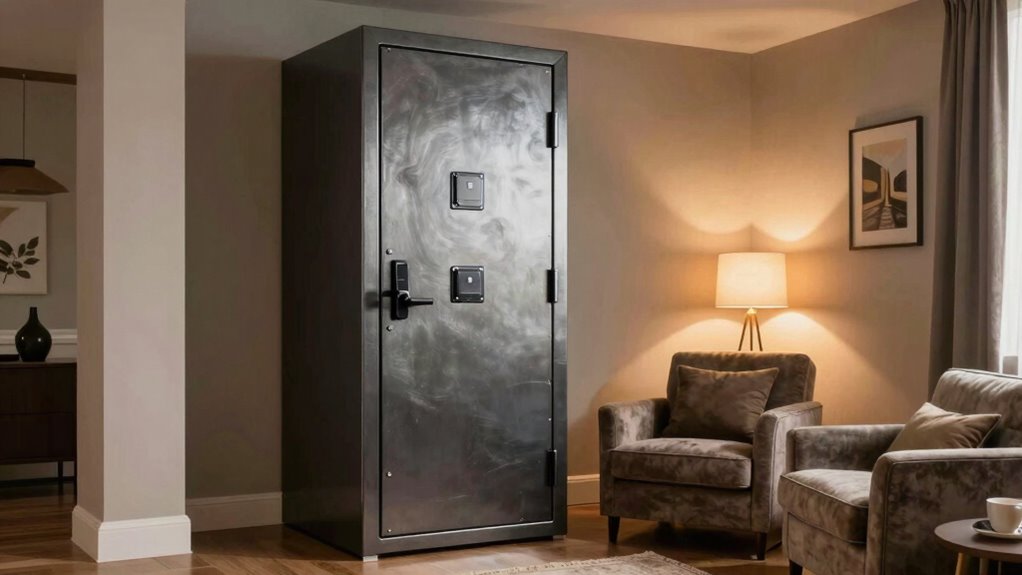
Think of safe corners as quick, discreet refuges you can use during sudden threats like break-ins or attacks, giving you immediate cover without disrupting your routine. Safe rooms, on the other hand, are fully fortified spaces designed for longer stays during severe emergencies like natural disasters or home invasions, providing higher security and supplies. Understanding how each plays a unique role helps you develop a layered safety plan—keep going to learn how to combine their benefits effectively.

Get privacy and security gear delivered free — and shop member deals
- Fast, free delivery on millions of items
- Access to Prime Big Deal Days deals on October 6–7
- Prime Video, Amazon Music and more included
Key Takeaways
- Safe corners are quick, discreet hiding spots for immediate refuge, while safe rooms are fully fortified spaces for prolonged safety.
- Safe corners are integrated into daily routines for rapid access, whereas safe rooms are dedicated emergency spaces designed for high security.
- Safe rooms provide higher protection with reinforced structures, emergency supplies, and communication tools, unlike safe corners.
- Safe corners are suitable for sudden threats, while safe rooms are ideal for natural disasters or severe threats requiring extended refuge.
- Combining safe corners and safe rooms in planning offers layered, comprehensive security for different emergency scenarios.
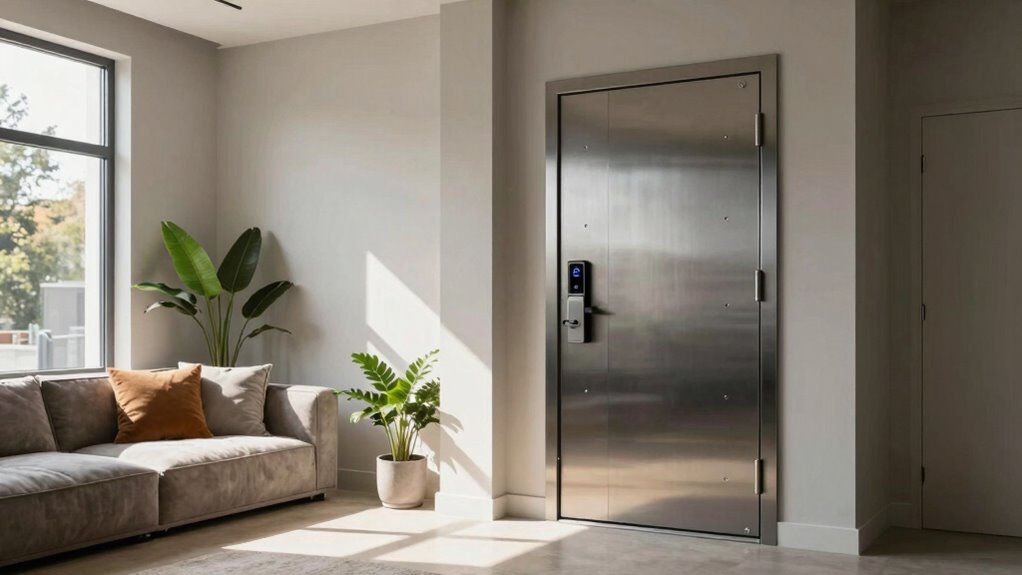
Have you ever wondered whether a safe corner or a dedicated safe room offers better protection during an emergency? When it comes to home security and emergency planning, understanding your options can make a real difference in how effectively you respond to threats. Safe corners and safe rooms serve different purposes, and choosing between them depends on your specific needs, the layout of your home, and the types of emergencies you’re preparing for.
Safe corners and safe rooms serve different purposes; choosing depends on your needs, home layout, and emergency types.
A safe corner is usually a discreet spot within a common room or hallway, often reinforced with additional security measures. It’s less conspicuous and easier to incorporate into your daily life, making it a practical choice if you want quick access during sudden threats. Safe corners work well for quick hiding during a break-in or a sudden attack, especially if they’re located near exits or areas you frequently use. They’re part of your overall home security strategy, offering a temporary refuge that’s easier to reach without disrupting your routine. However, they might not provide the same level of protection as a dedicated safe room, especially against prolonged threats or severe weather.
A safe room, on the other hand, is a fully fortified space intentionally designed for safety. It’s usually equipped with reinforced walls, secure locks, communication devices, and supplies like water and first aid kits. Safe rooms are built with emergency planning in mind, offering a sanctuary during natural disasters, home invasions, or other serious threats. They’re often located in a part of the house that’s less vulnerable, such as a basement or interior room without windows. The primary advantage is that they provide a higher level of security and comfort, knowing you have a designated space to wait out danger. Proper planning and understanding the importance of home security measures can help you better prepare for emergencies. Additionally, a well-designed safe room can serve as a communication hub, allowing family members to coordinate and call for help if needed. Incorporating security features into your safe room enhances its protective capabilities, making it a truly secure refuge.
Furthermore, understanding home security concepts can assist in choosing the best location and features for your safe room, ensuring it meets your specific safety needs. When you’re figuring out which option works best for your home, consider your lifestyle, the potential threats in your area, and your ability to invest in safety features. Both safe corners and safe rooms are valuable components of home security, and integrating them into your emergency planning ensures you’re prepared for different scenarios. Ultimately, the best approach is to have a layered security strategy that includes quick-access safe corners for immediate refuge and a well-prepared safe room for more severe threats. This way, you’re not just reacting to danger—you’re actively protecting yourself and your loved ones. Layered security strategies are essential for comprehensive protection in today’s unpredictable environment.
Frequently Asked Questions
How Do Costs Compare Between Safe Corners and Safe Rooms?
The cost comparison between safe corners and safe rooms varies based on your budget considerations. Safe corners are generally more affordable because they involve minimal modifications, often just reinforcing existing corners. Safe rooms, however, tend to cost more due to the need for specialized materials, structural reinforcements, and additional features like ventilation and utilities. You should weigh your safety needs against your budget to choose the best option for your situation.
Are Safe Corners More Discreet Than Safe Rooms?
Safe corners are generally more discreet than safe rooms because they offer better discreet concealment and visual discreetness. You can easily hide a safe corner behind furniture or within a wall nook, making it less noticeable. Safe corners blend seamlessly into your existing space, whereas safe rooms often require larger, more obvious structures. If you want discreet protection that doesn’t draw attention, safe corners are usually the better choice.
Which Option Offers Quicker Access During Emergencies?
Safe rooms offer quicker access during emergencies because they’re designed for immediate entry, often located in central or easily reachable parts of your home. Safe corners, while discreet, might involve moving through rooms or hallways, which can slow down your response. For ideal emergency response, prioritize a safe room with a direct, unobstructed path. Quick access can make all the difference when seconds count, ensuring your safety when it matters most.
Can Safe Corners Be Integrated Into Existing Homes Easily?
You can integrate safe corners into your existing home relatively easily, especially with hidden storage and structural reinforcement. Many homeowners find that incorporating a safe corner involves discreetly reinforcing walls and adding hidden compartments, making it seamless. While some argue this might compromise aesthetic appeal, proper planning guarantees you maintain your home’s look while enhancing safety. Factoring in structural reinforcement is essential to make certain the corner remains secure during emergencies.
What Are the Best Materials for Building Safe Corners?
You should choose materials like reinforced concrete, steel, or high-strength plywood for building safe corners, as they offer excellent material durability and safety reinforcement. These materials withstand impacts and provide reliable protection during emergencies. Steel and concrete are especially effective because they resist damage and maintain structural integrity. Using such durable, fortified materials ensures your safe corners effectively protect you without compromising the home’s safety or stability.
Conclusion
So, when weighing safe corners against safe rooms, remember that each offers unique protection—think of safe corners as your modern-day fortresses and safe rooms as your trusty bunker. You’re the hero in this story, steering through dangers with the wisdom of old sailors who relied on their wits. Whether you choose the quick refuge of a corner or the sanctuary of a room, stay calm, be prepared, and you’ll always turn the tide in your favor—no need for a deus ex machina.
Fall Picks
fall essentials
As an affiliate, we earn on qualifying purchases.