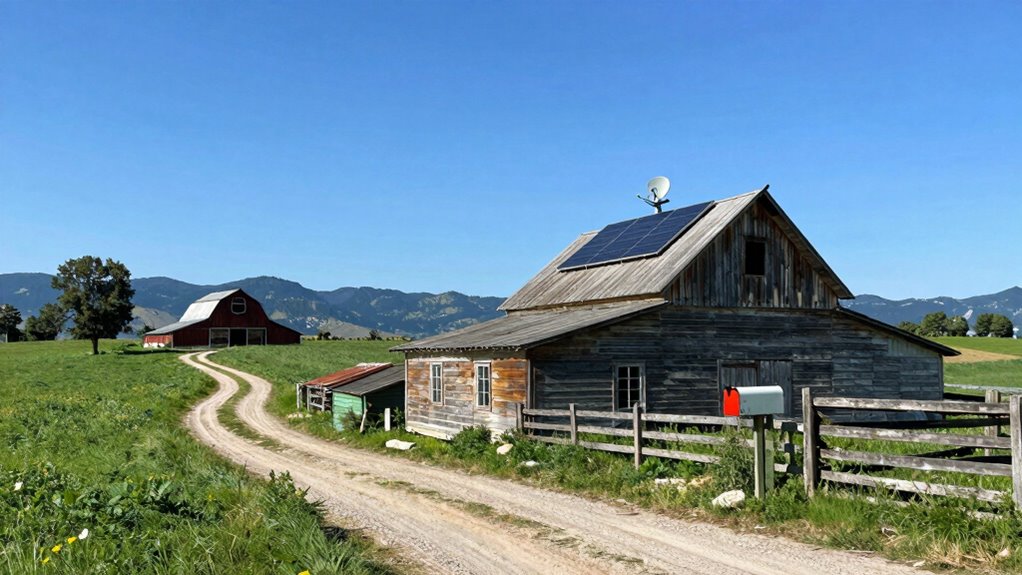

To make your rural property feel less isolated, establish reliable communication methods like satellite phones and two-way radios, and regularly test them. Foster strong neighbor relationships and create a community support network through shared resources and communication plans. Use technology such as emergency apps and local alerts to stay informed, and collaborate with local organizations for safety drills and training. Building these connections enhances resilience and guarantees help is closer—keep exploring for more tips to strengthen your support system.

Get privacy and security gear delivered free — and shop member deals
- Fast, free delivery on millions of items
- Access to Prime Big Deal Days deals on October 6–7
- Prime Video, Amazon Music and more included
Key Takeaways
- Install reliable communication tools like satellite phones and two-way radios, and regularly test them for emergency use.
- Build strong relationships with neighbors and create a community support network for shared assistance.
- Use technology such as emergency alert apps and local radio stations to stay informed and connected.
- Develop a community emergency plan with clear roles, regular drills, and resource-sharing protocols.
- Partner with local organizations and authorities to improve response strategies and foster community resilience.
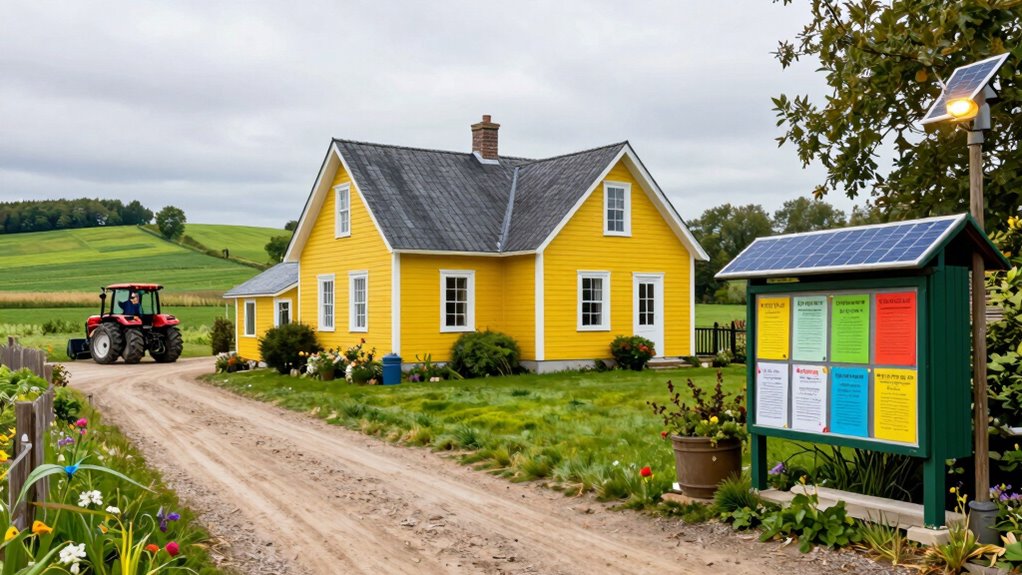
Living in a rural area can be peaceful, but it often comes with a sense of isolation when it comes to access to help and services. When emergencies strike, your ability to quickly communicate and get assistance can feel limited. To bridge this gap, establishing reliable emergency communication channels is essential. You might consider installing satellite phones or two-way radios, especially if cell service is spotty. Regularly testing these devices guarantees they work when you need them most. Additionally, making sure your neighbors are equipped with similar tools fosters a network of support. This way, if one person is in trouble, others can relay messages or call for help even when traditional communication fails.
Community engagement plays a crucial role in reducing feelings of isolation. Building strong relationships with neighbors creates a local safety net, so you’re not steering through emergencies alone. Attend local meetings, join community groups, or organize neighborhood watch programs to stay connected. When everyone knows each other and shares information, it’s easier to coordinate assistance during crises. Sharing resources, like first aid kits or emergency supplies, can also enhance collective resilience. Establishing a community communication plan—such as a phone tree or a shared messaging app—helps spread alerts quickly and efficiently. Knowing that others are nearby and ready to help provides peace of mind, especially in urgent situations.
You can also leverage technology to stay connected with wider support networks. Emergency alert apps or local radio stations can deliver real-time information about weather warnings, road conditions, or other hazards. Setting up a community bulletin board, whether physically or online, keeps everyone informed about upcoming drills, safety tips, or resource needs. The more proactive you are in fostering communication, the less isolated you’ll feel when help is needed. Exploring biodiversity initiatives within your community can also foster a sense of shared purpose and resilience in the face of environmental challenges. Incorporating air quality monitoring devices or systems that alert you to environmental hazards can further enhance your safety preparedness. Having a community-wide emergency plan in place ensures everyone understands their roles and responsibilities before a crisis occurs. Establishing emergency preparedness protocols ensures everyone understands their roles and responsibilities before a crisis occurs. Building a community support network is another effective way to strengthen your safety measures and ensure help is accessible when needed.
Finally, consider partnering with local organizations or authorities to improve emergency response plans. Regular drills and training sessions help everyone understand procedures and feel more prepared. When you actively participate in community engagement efforts, it transforms your rural property from a remote spot into part of a resilient, connected network. This sense of belonging and preparedness guarantees that help is never far away, even in the most isolated circumstances. The combination of reliable emergency communication and active community engagement creates a safety net that supports you, your family, and your neighbors, making rural living safer and more connected.
As an affiliate, we earn on qualifying purchases.
Frequently Asked Questions
How Can Technology Improve Emergency Response Times in Rural Areas?
You can improve emergency response times in rural areas by relying on satellite communication and emergency alerts. Satellite communication guarantees you stay connected even without traditional cell coverage, enabling quick contact with emergency services. Emergency alerts notify you instantly of local incidents or hazards, prompting faster responses. By combining these technologies, you get reliable, rapid communication that helps emergency responders reach you sooner, reducing delays and increasing safety in remote locations.
What Local Organizations Support Rural Property Owners’ Safety?
Think of local organizations as the safety net catching you when you fall. Neighbor networks connect you with nearby property owners, fostering community support. Safety workshops offered by community centers or local fire departments teach essential emergency skills. These groups work together, creating a web of safety that makes you feel less isolated. Getting involved helps you build relationships and stay prepared for any situation on your rural property.
Are There Government Grants for Improving Rural Safety Infrastructure?
Yes, there are government grants available for improving rural safety infrastructure. You can access government funding aimed at safety upgrades like better lighting, communication systems, and emergency access. These grants help you enhance security and connectivity, reducing isolation. To qualify, you’ll need to apply through local or national programs, providing detailed plans for safety improvements. Taking advantage of these funds can markedly improve your property’s safety and your peace of mind.
How Do Rural Communities Coordinate Disaster Preparedness Efforts?
You probably think rural communities just wing disaster prep, right? Actually, you can boost coordination through community networking and local training. You organize regular drills, share info via online groups, and foster relationships so everyone trusts each other when disaster strikes. This way, you create a resilient network, ensuring help flows smoothly, even in the most isolated spots. It’s about working together before the crisis hits, not scrambling afterward.
What Are Effective Ways to Build Community Support in Isolated Areas?
You can build community support in isolated areas by establishing neighbor networks, where residents regularly check in and assist each other. Hosting social events like potlucks or outdoor gatherings encourages connections and trust among neighbors. These activities foster a sense of belonging, making it easier to share resources and support during emergencies. Consistent interaction creates a resilient community, reducing feelings of isolation and ensuring everyone feels connected and cared for.
As an affiliate, we earn on qualifying purchases.
Conclusion
By staying connected and prepared, you can make your rural property feel less isolated, like a cozy cabin nestled in the woods but still close to civilization. Keep emergency contacts handy, invest in reliable communication tools, and build a supportive local network. Remember, even in the quietest corners, you’re not alone—think of your efforts as a safety net, catching you when you need help most. With these steps, you’ll feel more secure and connected, no matter how remote your property is.
community emergency communication plan
As an affiliate, we earn on qualifying purchases.
As an affiliate, we earn on qualifying purchases.
As an affiliate, we earn on qualifying purchases.
Fall Picks
fall essentials
As an affiliate, we earn on qualifying purchases.