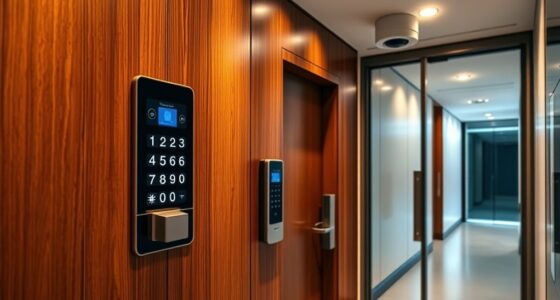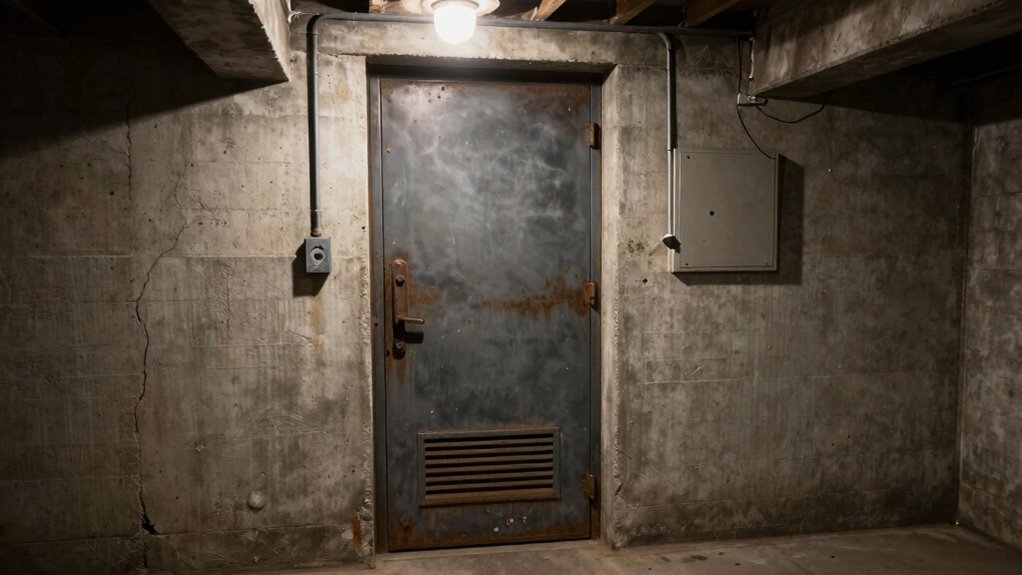

Many homeowners overlook hidden basement entry points like small vents, utility doors, and insulation gaps, making their homes vulnerable to intruders. Basement windows and external doors often lack reinforced locks or sturdy barriers, while vents and ducts can be exploited if not secured properly. Bright lighting, security cameras, and sealing gaps help deter break-ins. If you want to know how to effectively protect these overlooked areas, continue exploring key security strategies.
Key Takeaways
- Overlooked basement entry points like vents, plumbing access, and small openings are common vulnerabilities often missed in security efforts.
- Reinforcing basement doors and windows with sturdy locks, security bars, and strike plates enhances protection against forced entry.
- External lighting, security cameras, and signage deter intruders from targeting less visible basement access points.
- Securing vents and air ducts with tamper-proof covers prevents unauthorized entry through these hidden pathways.
- Regular maintenance and comprehensive alarm coverage of all basement entry points prevent security gaps and ensure safety.
Why Basement Entry Points Are Often Overlooked in Security
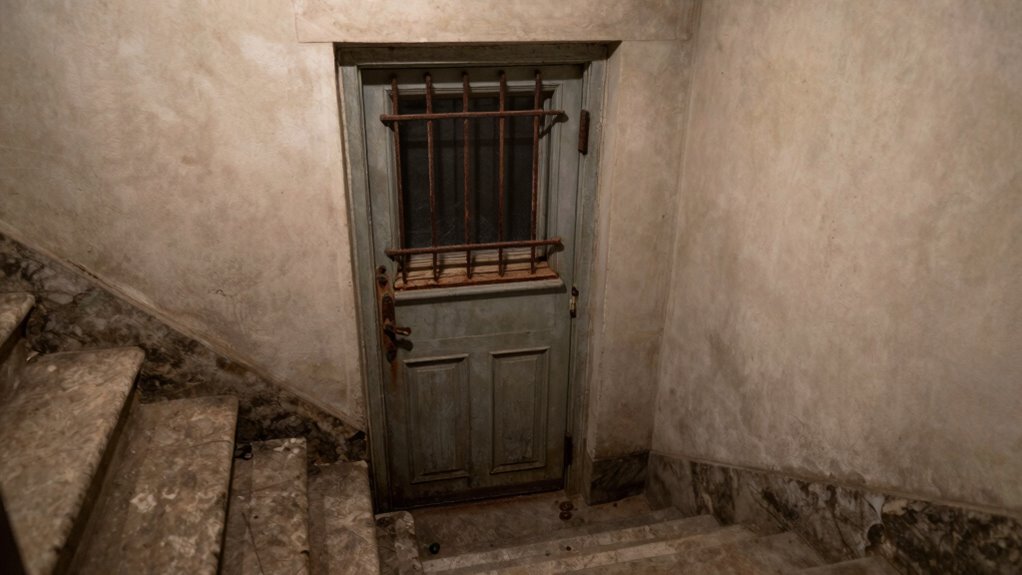
Basement entry points often go unnoticed when it comes to home security, even though they can be vulnerable targets for intruders. Many homeowners overlook these areas because they’re less visible and considered less accessible. However, features like basement insulation can hide entry points, making it easier for intruders to use existing gaps or weak spots. Plumbing access points are also often overlooked but can provide easy entry if not properly secured. These access points are typically less guarded and may not have sturdy locks or barriers. By ignoring these vulnerabilities, you leave your home open to intrusion. To improve security, inspect basement insulation and plumbing access regularly, ensuring they’re sealed and reinforced against unwanted entry. Additionally, leveraging security zone info can help identify typical vulnerabilities and recommended safeguards for these overlooked entry points. Regular home security assessments can further help detect and address any hidden risks, especially in less visible areas that homeowners tend to neglect. Conducting comprehensive security checks can reveal hidden weaknesses that are easy to miss during routine inspections, especially when considering the importance of home security systems in safeguarding all entry points.
How to Secure Basement Windows From Intruders
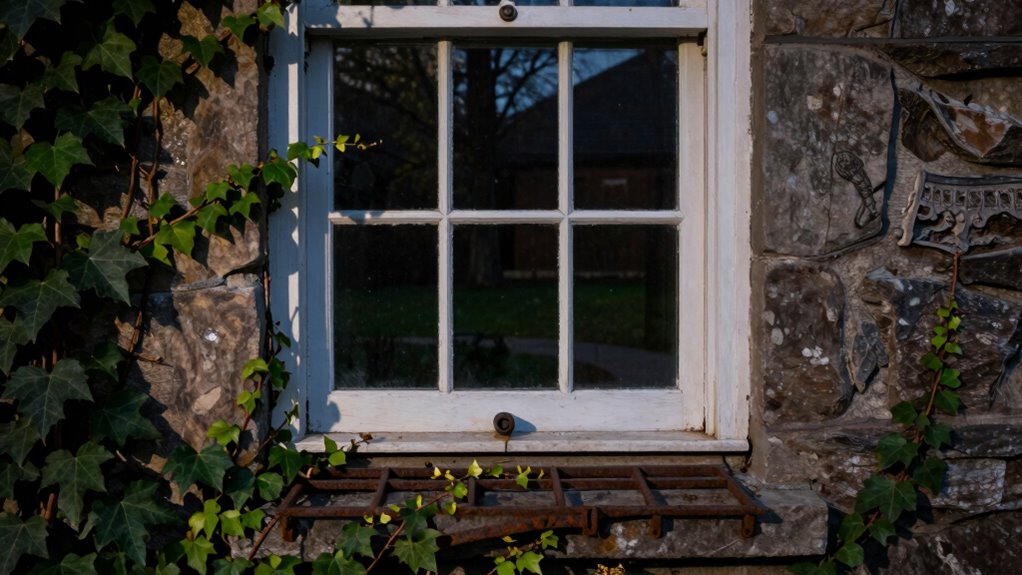
To keep intruders out of your basement windows, start by reinforcing the window frames to make them harder to force open. Installing security bars adds an extra layer of protection and can prevent easy entry. These simple steps considerably improve your basement window security and give you peace of mind. Additionally, consider utilizing security analytics tools to monitor and detect suspicious activity around your property. Understanding load calculations and safe installation practices can help ensure that any security enhancements are both effective and properly installed. Incorporating smart‑home integrations can further enhance security by enabling remote monitoring and real-time alerts. Moreover, using natural landscaping elements around your property can act as a deterrent to intruders, making your home less accessible. Evaluating installation practices and consulting with professionals can help you implement these security measures more effectively.
Reinforce Window Frames
Since window frames are often vulnerable entry points, reinforcing them is a crucial step in securing your basement windows from intruders. Start with window reinforcement by installing sturdy hardware, such as strike plates and security latches, to make forced entry more difficult. Frame strengthening is equally important; consider adding metal brackets or reinforcing kits designed specifically for window frames. These upgrades help prevent the frame from warping or breaking under pressure. Confirm that all screws and fasteners are tight and secure. Regularly inspect your window frames for weaknesses or damage, and address any issues immediately. Incorporating smart security devices like cameras or sensors can also provide real-time alerts if tampering is detected. Additionally, understanding dark psychology tactics that intruders might use can help you anticipate and prevent their attempts. Recognizing common intrusion methods enables you to implement targeted security measures that address specific vulnerabilities. Using additional reinforcement materials such as security film or bars can further strengthen the window and deter break-ins. Employing proper installation techniques ensures that all reinforcement measures are as effective as possible. By focusing on frame strengthening and reinforcement, you make it considerably harder for intruders to exploit this common entry point, boosting your basement’s overall security.
Install Security Bars
Are security bars an effective way to prevent intruders from accessing your basement windows? Yes, they significantly enhance security by creating a physical barrier that’s difficult to bypass. Installing security bars is straightforward, but proper bar installation is vital for effectiveness. Choose sturdy, tamper-proof bars made of steel or iron, and ensure they fit tightly within the window frame. Secure the bars with tamper-resistant screws or brackets to prevent removal. Make sure the bars do not obstruct emergency exits, and consider bars with quick-release mechanisms for easy escape if needed. Proper bar installation not only deters intruders but also provides peace of mind knowing your basement windows are well-protected. Regularly inspect the bars for rust or damage, and replace or repair as necessary. Using reliable road evidence and clear visual cues can help verify proper installation and ongoing security. Additionally, understanding security system components can further enhance your overall basement security strategy. Incorporating visual security assessments can help identify potential vulnerabilities before an intruder does. For added safety, consider combining security bars with other home security measures for comprehensive protection.
Protect Utility Doors and External Access Points at Your Basement
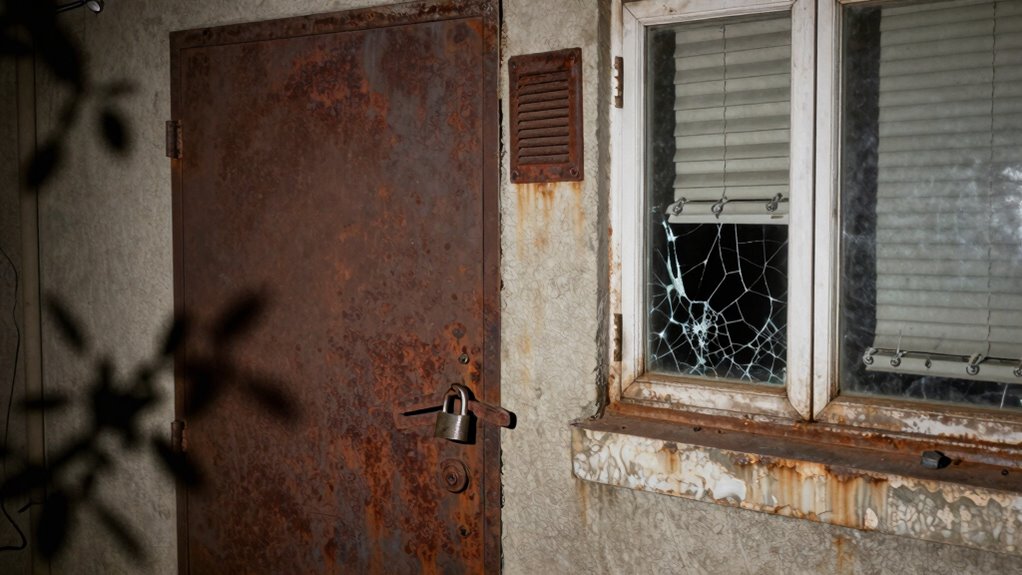
Securing your basement’s utility doors and external access points is essential for safety. Reinforce your door locks, add security cameras outside, and install bright exterior lighting to deter intruders. These steps make it much harder for unwanted visitors to gain access. Additionally, smartphone settings can be configured to send you instant alerts whenever there is suspicious activity around your basement entrances. Understanding entry point vulnerabilities also involves recognizing common security gaps, which helps you better protect your property and prevent break-ins. Being aware of potential forced entry techniques can further enhance your security measures, especially when you familiarize yourself with modern security solutions that incorporate automation and real-time monitoring.
Reinforce Utility Door Locks
Reinforcing your utility door locks is a crucial step in protecting your basement from unauthorized access. Upgrading locks enhances security and deters intruders. Consider lock upgrade strategies like installing deadbolts or security bars. To visualize, here’s a quick comparison:
| Lock Type | Security Level | Installation Ease |
|---|---|---|
| Standard Handle Lock | Basic protection | Simple |
| Deadbolt | High security | Moderate |
| Security Bar | Maximum deterrent | Slightly complex |
Choosing the right reinforcement method depends on your door’s material and your security needs. Focus on utility door reinforcement to make unauthorized entry more difficult and protect your basement effectively. Additionally, understanding the Gold IRA Markets can help you explore secure investment options for your future.
Install Security Cameras Outside
Installing security cameras outside your basement’s utility doors and external access points adds an important layer of protection. Position cameras to cover entry points clearly, making it easy to identify anyone approaching. Use outdoor signage to deter intruders, signaling that the area is monitored, which can discourage suspicious activity. Incorporate thoughtful landscaping design by trimming bushes and removing clutter near entrances, reducing hiding spots for potential intruders and improving camera visibility. Confirm cameras are weatherproof and mounted securely at strategic angles. Regularly check footage and maintain equipment to keep your surveillance effective. Combining visible cameras with signage and well-maintained landscaping creates a thorough security approach that warns intruders and helps you respond quickly to any threats.
Use Bright Exterior Lighting
Bright exterior lighting is essential for deterring intruders from your basement’s utility doors and external access points. Proper lighting makes it harder for burglars to approach unnoticed and highlights any suspicious activity. Use motion sensors to activate lights automatically when movement is detected, increasing security without wasting energy. Installing exterior alarms linked to lighting adds an extra layer of protection, alerting you immediately if someone tries to tamper with your entry points. Here’s how effective lighting can be organized:
| Location | Lighting Type | Additional Security |
|---|---|---|
| Utility Doors | Bright floodlights | Motion sensors |
| External Windows | Solar-powered LEDs | Exterior alarms |
| Basement Entryway | Spotlights | Timed lighting for added effect |
Consistent, well-placed lighting is a simple yet powerful way to protect your basement.
How to Secure Small Vents and Air Ducts to Prevent Intrusion

Have you considered how small vents and air ducts can become easy entry points for intruders? These tiny openings might seem harmless, but they can provide quick access if not properly secured. To improve duct security, install vent covers that are sturdy and tamper-proof. Choose covers made from durable materials like metal or heavy-duty plastic, and ensure they fit tightly without gaps. Reinforcing existing vents with lockable or vent covers designed for security can prevent unauthorized entry. Regularly inspect your vents and air ducts for any signs of tampering or damage. By taking these steps, you create a stronger barrier against intruders and reduce the risk of break-ins through these often-overlooked entry points.
Reinforce Basement Door Locks and Hardware for Better Security
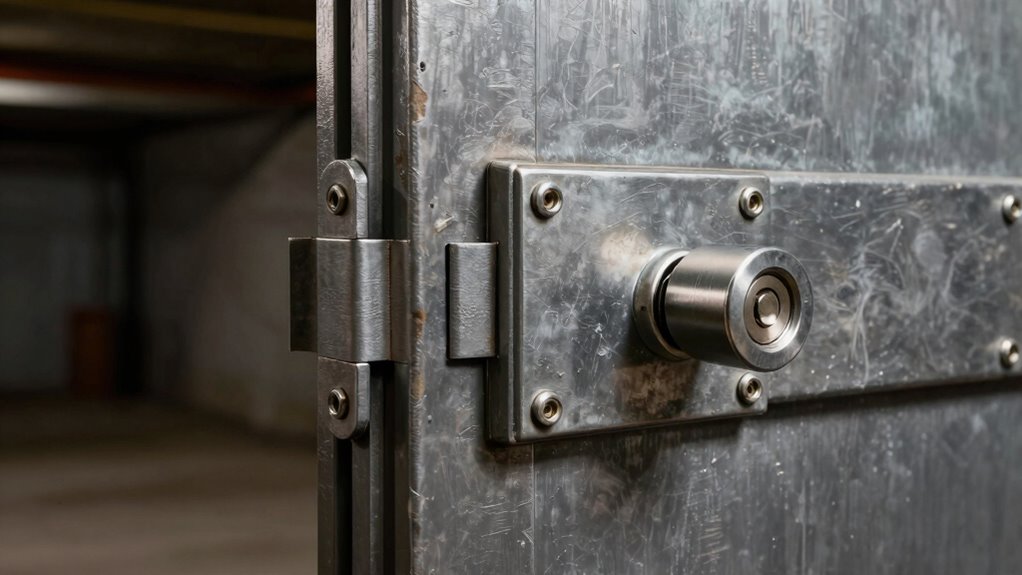
Are your basement door locks strong enough to deter intruders? If not, it’s time to think about door reinforcement and lock upgrades. Start by replacing weak or outdated locks with heavy-duty deadbolts designed for exterior doors. Reinforcing the door frame and hardware adds extra security, making it harder for intruders to force entry. Consider installing strike plates with long screws that anchor into wall studs, increasing resistance against kick-ins. Upgrading your locks to smart or high-security options can also provide added peace of mind. Don’t forget to check all hardware regularly for signs of wear or damage. Strong, reinforced locks are your first line of defense, so invest in quality hardware to protect your basement apartment effectively.
How to Use Security Cameras to Cover Hidden Basement Entry Points
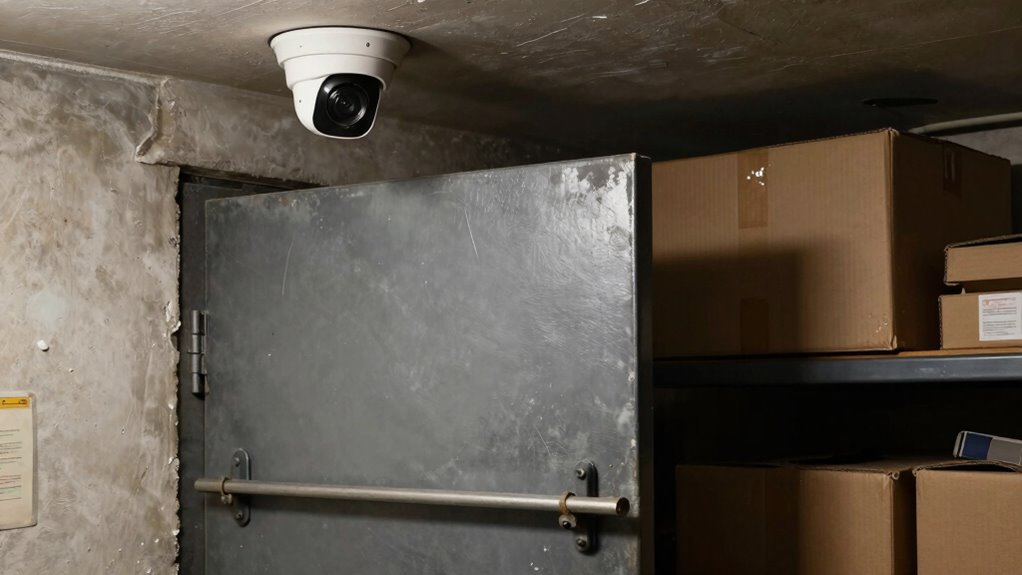
To effectively monitor hidden basement entry points, you need to focus on strategic camera placement. Position your cameras to cover all angles, especially those blind spots that burglars might use. By doing so, you guarantee thorough coverage and quickly spot any suspicious activity.
Camera Placement Strategies
Effective camera placement is essential for monitoring hidden basement entry points that intruders may try to exploit. To maximize security, consider these strategies:
- Position cameras at eye level to capture clear faces and license plates.
- Use smart home-compatible cameras with motion detection to alert you instantly.
- Cover all angles of potential entry points like windows, doors, and vents.
- Mount cameras high enough to prevent tampering but still allow clear footage.
This setup ensures you don’t miss any activity. Motion detection triggers recordings only when needed, reducing false alarms and conserving storage. When integrated into your smart home system, these cameras provide real-time alerts and remote access, giving you peace of mind knowing your basement’s hidden entry points are protected around the clock.
Monitoring Blind Spots
While strategic camera placement helps cover obvious entry points, some areas might still remain hidden or overlooked. Understanding intruder psychology is key—you want to anticipate where someone might try to avoid detection. Use security cameras to monitor these blind spots, especially around less obvious basement entries like side doors or windows. Combining camera footage with different alarm system types enhances your security; for example, motion-activated cameras alert you instantly, while wired systems provide continuous coverage. Position cameras at angles that minimize blind spots and ensure clear visibility of potential entry points. Regularly review footage to identify vulnerabilities. By proactively monitoring these hidden areas, you create a layered defense that deters intruders and increases your chances of catching them before they gain entry.
Lighting Tips to Deter Break-Ins at Basement Doors and Windows
Proper lighting is one of the most straightforward ways to make your basement doors and windows less appealing targets for burglars. Effective outdoor lighting, especially around entry points, increases visibility and deters intruders. Use motion sensors to activate lights only when movement is detected, conserving energy and maintaining a natural deterrent. Here are key tips:
Proper outdoor lighting around basement entries deters intruders and enhances security effectively.
- Install motion-activated outdoor lighting near basement doors and windows.
- Use bright, white LED bulbs for clear visibility.
- Position lights high enough to prevent tampering or obstruction.
- Regularly check and replace bulbs to ensure consistent illumination.
Seal Cracks and Gaps That Lead Inside Your Basement
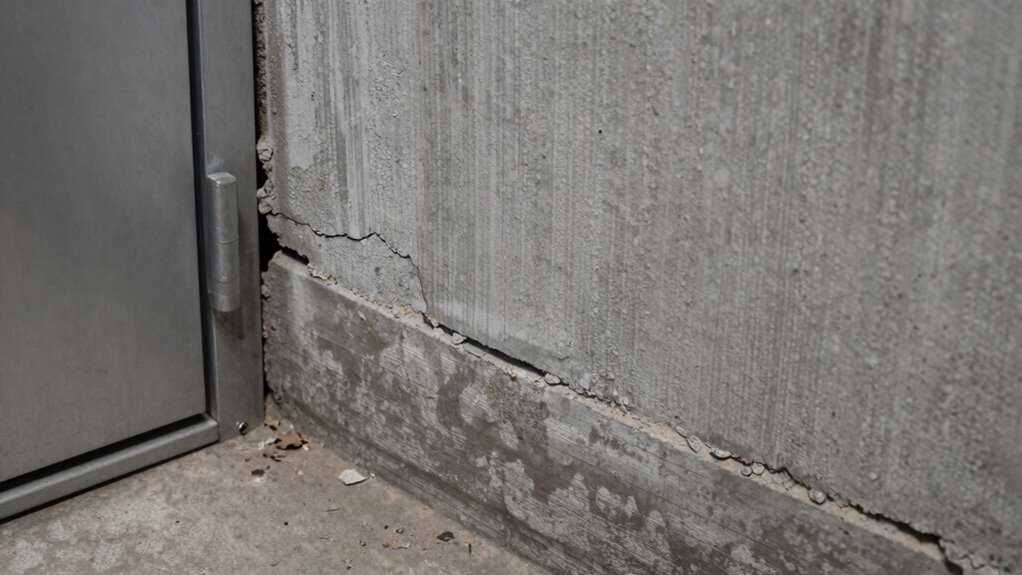
Cracks and gaps around your basement doors and windows create easy entry points for intruders, making sealing these openings a crucial step in securing your space. Properly sealing these gaps not only enhances security but also improves basement ventilation by preventing drafts and moisture buildup. Use weatherstripping or caulk to close small cracks, ensuring a tight seal. Pay special attention to areas near the sump pump, as gaps here can compromise sump pump security, allowing pests or intruders inside. Regularly inspect all entry points and seal any new cracks promptly. Keeping your basement airtight reduces vulnerabilities, making it less attractive to unwanted visitors. This simple step considerably boosts your overall security and helps maintain a safer, more energy-efficient basement environment.
Ongoing Maintenance Tips to Keep Your Basement Secure
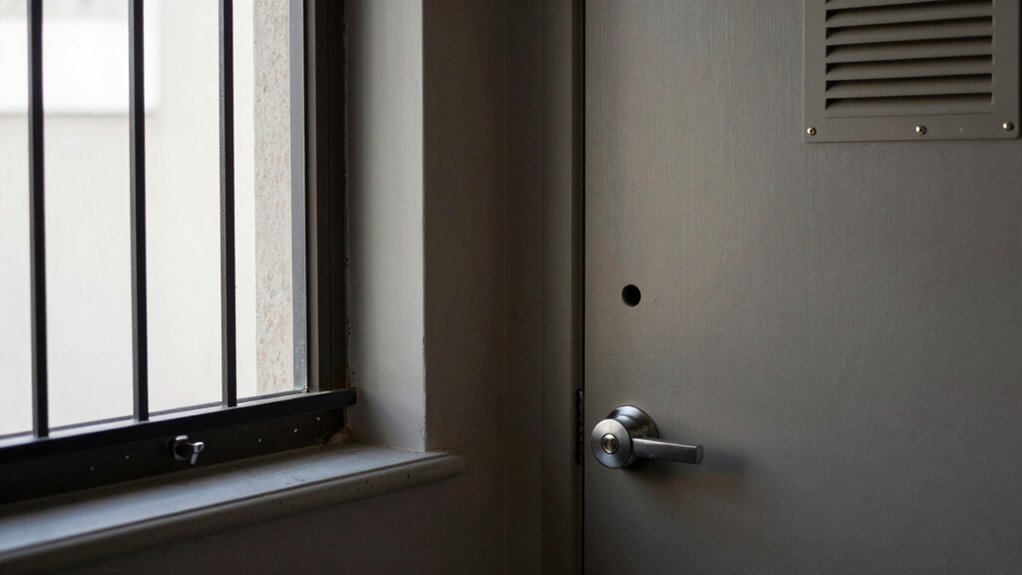
Regularly inspecting your basement for new vulnerabilities is essential to maintaining its security. To keep your basement safe, focus on these ongoing maintenance tips. First, upgrade to fire-resistant materials around entry points and walls to minimize fire hazards. Second, ensure your alarm system is integrated with all entry points, including windows and doors, for prompt alerts. Third, test smoke and carbon monoxide detectors monthly to ensure they’re functioning properly. Fourth, check and tighten locks regularly, replacing any worn or damaged hardware. Additionally, clear debris from vents and drainage areas to prevent unauthorized access. Routine inspections help catch issues early, while fire-resistant materials and alarm integration bolster your defenses against intruders and emergencies. Consistent maintenance keeps your basement both secure and resilient.
Common Basement Security Mistakes to Avoid
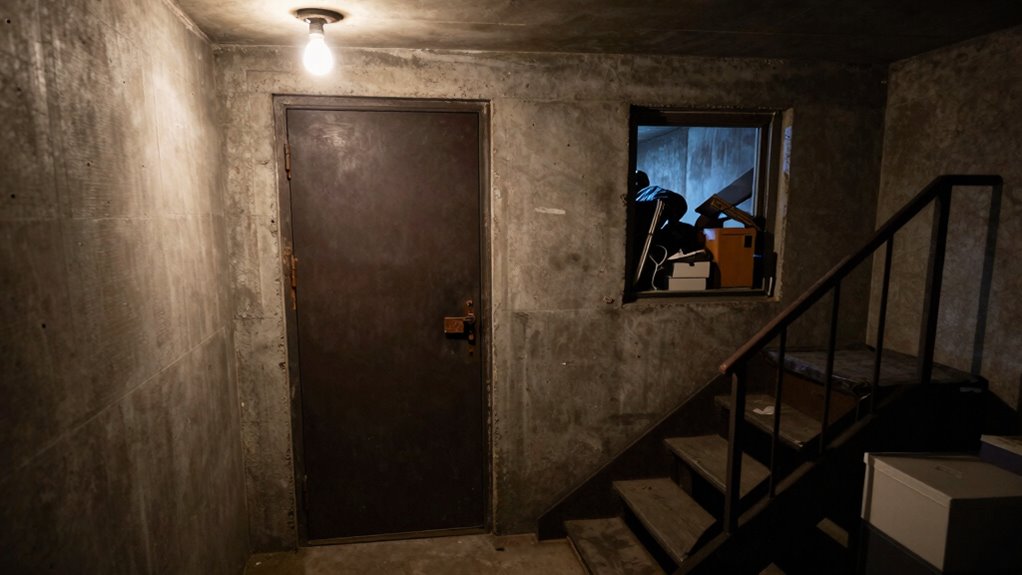
Many homeowners overlook common security mistakes that can leave their basement vulnerable. One mistake is neglecting proper alarm systems; a weak or outdated alarm can be easily bypassed. Make certain your alarm system is up-to-date and covers all entry points, including basement windows and doors. Another mistake is failing to inform neighbors or establish neighbor alerts. Your neighbors can act as an extra set of eyes, noticing suspicious activity and alerting you or authorities promptly. Relying solely on locks without integrating alarm systems or neighbor alerts leaves your basement exposed. Avoid assuming no one will target your property. Regularly review and upgrade your security measures, and keep neighbors informed. These simple steps considerably reduce the chances of a break-in and improve your overall basement security.
Frequently Asked Questions
Are There Specific Security Devices Recommended for Basement Entry Points?
You should consider installing security cameras at basement entry points, focusing on good security camera placement to cover all angles. Additionally, an alarm system with sensors on doors and windows can alert you instantly if someone tries to gain entry. Combining these devices enhances your security, deters intruders, and provides peace of mind. Make sure to choose alarms compatible with your existing setup for seamless protection.
How Can I Detect Signs of Attempted Break-Ins in My Basement?
You can detect signs of attempted break-ins in your basement by installing window sensors that alert you to any unauthorized openings. Regularly check for scratches, new marks, or broken seals around windows and doors. Enhance security with lighting enhancements like motion-activated lights, which can deter intruders and make suspicious activity more noticeable. Stay vigilant, and consider installing security cameras for real-time monitoring and quick detection of any suspicious behavior.
What Legal Considerations Exist for Installing Security Measures in Basements?
When installing security measures in your basement, you need to make certain legal compliance by checking local laws on surveillance and security devices. Be mindful of privacy concerns; avoid cameras or alarms that infringe on neighbors’ rights or public areas. Obtain any necessary permits, and inform tenants if applicable. Staying within legal boundaries helps you avoid fines or disputes while keeping your basement safe.
How Often Should Basement Security Inspections Be Performed?
You should perform basement security inspections at least quarterly to stay ahead of potential threats. Regular checks help guarantee your security camera placement remains effective and that your alarm system types are functioning correctly. Studies show that burglars often target homes with outdated security measures, so frequent inspections keep your entry points secure and deter intruders. Staying vigilant ensures your basement remains safe and protected year-round.
Can Landscaping Impact Basement Security Effectiveness?
Landscaping can considerably impact your basement security by creating barriers that deter intruders. Well-placed shrub security and landscaping barriers make access more difficult, especially around entry points often overlooked. Keep shrubs trimmed and avoid hiding spots near windows or doors, which can offer cover for intruders. Thoughtful landscaping enhances your home’s defenses, making it less inviting to unwanted visitors and boosting overall security for your basement apartment.
Conclusion
Neglecting your basement’s entry points is like leaving the vault open in a bank—inviting every intruder in! By securing windows, doors, vents, and cracks, you turn your basement from an easy target into a fortress nobody can breach. Don’t let your basement become the open door to disaster; armor it up with these tips. With just a little effort, you’ll turn your basement from a potential nightmare into an impenetrable stronghold—no thief will ever stand a chance!