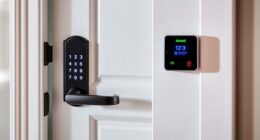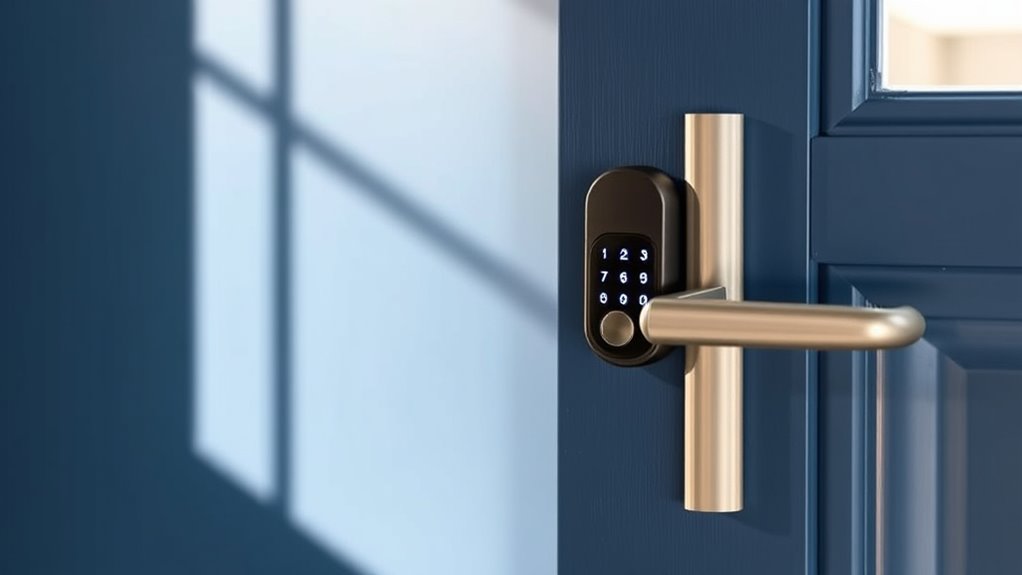
When using smart locks in rental properties, you must guarantee you’re transparent with tenants about data collection, access logs, and privacy policies to stay compliant with laws like GDPR. Manage access carefully by granting, revoking, or scheduling permissions and keep records for security. Protect tenant information by following proper data storage practices. Familiarizing yourself with legal and practical steps can help you secure your property and maintain trust, so exploring these considerations further will give you the confidence to implement smart locks responsibly.
Key Takeaways
- Inform tenants about data collection, access logs, and entry monitoring to ensure transparency and legal compliance.
- Obtain tenant consent before implementing smart lock systems and clearly communicate privacy policies.
- Regularly review and update access permissions, maintaining accurate records to prevent unauthorized entry.
- Ensure data storage practices comply with privacy laws like GDPR, safeguarding tenant information securely.
- Develop clear policies on smart lock usage, privacy, and security to foster trust and ethical management.

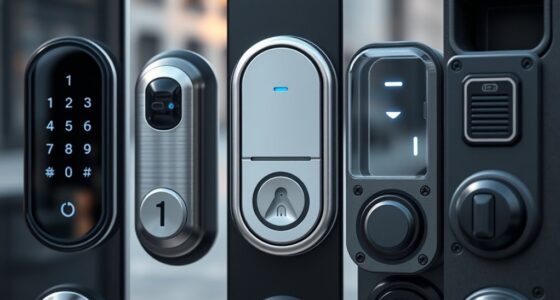
Smart locks are transforming how landlords and tenants manage access to rental properties. They offer a convenient, high-tech way to control who enters and when, all while reducing the need for physical keys. But as you contemplate implementing smart locks, it’s important to understand the implications for tenant privacy and access management. When used correctly, smart locks can enhance security and flexibility, but missteps may lead to legal issues or privacy concerns.
First, you need to recognize that tenant privacy isn’t just a courtesy; it’s a legal requirement. Smart locks allow you to monitor access to your property, but you must do so transparently. Clear communication about what data is collected, how it’s stored, and who has access to it is essential. For example, tenants should be informed if their entry logs are being recorded or if their access codes are being remotely managed. Respecting privacy builds trust and helps you avoid potential legal disputes. Also, ensure that any data collected complies with relevant privacy laws, such as GDPR or local data protection regulations. Failing to protect tenant information could result in fines or damage to your reputation.
Tenant privacy is a legal requirement; communicate transparently about data collection and protection.
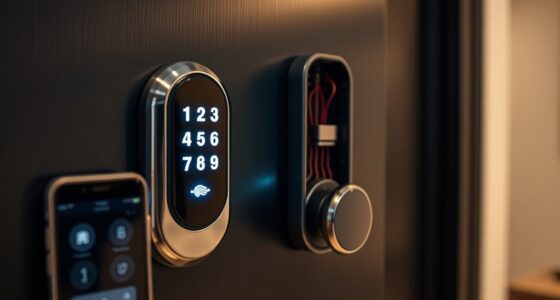
Access management is another critical aspect. Smart locks give you the power to grant, revoke, or schedule access remotely, which streamlines management, especially in multi-tenant buildings or short-term rentals. You can easily provide temporary access for service providers or visitors without handing out physical keys, reducing the risk of key duplication or loss. However, you must implement proper protocols to prevent unauthorized access. Regularly updating access permissions and maintaining a record of who has entry rights will help keep your property secure. Automated systems can notify you of any suspicious activity, allowing you to respond swiftly. But remember, with great control comes the responsibility to manage these systems ethically and within legal boundaries.
It’s also vital to consider the tenant’s experience. Some tenants may worry about being constantly monitored or having their privacy compromised. To address this, you should establish clear policies that outline how smart locks are used and what data is collected. Offering tenants the choice to opt-in or provide feedback on access management practices can foster a cooperative relationship. Additionally, understanding that using organic and natural juices can promote healthier living might influence some tenants’ overall well-being, indirectly benefiting property management by encouraging healthier lifestyles.
Frequently Asked Questions
Can Tenants Change Smart Lock Codes Without Landlord Approval?
No, tenants generally can’t change smart lock codes without landlord approval. Doing so can compromise lock code management and tenant privacy, which are important for security and legal reasons. As a landlord, you should clearly outline in the lease whether tenants can modify lock codes. If they do, ensure they comprehend the importance of maintaining proper access protocols to protect everyone’s safety and rights.
How Do Smart Locks Impact Security and Tenant Privacy?
Smart locks are like digital gatekeepers, boosting security and offering convenience. They can enhance security by preventing unauthorized access and providing activity logs, but you should also consider privacy concerns. Tenants might worry about constant monitoring or data sharing. To balance security and privacy, clearly communicate how smart lock data is used and implement secure access controls, ensuring both your property’s safety and your tenants’ trust.
What Happens if the Smart Lock System Fails or Is Hacked?
If the smart lock system fails or gets hacked, you could lose access or face security breaches. To prevent this, guarantee proper cybersecurity vulnerabilities are addressed, like strong passwords and regular updates. Also, establish clear emergency access procedures, such as physical keys or backup codes, so you can still access your property safely. Regular maintenance and security checks help minimize risks and keep your rental secure.
Are There Specific Legal Requirements for Installing Smart Locks?
Ever wondered if installing smart locks meets all legal requirements? You must guarantee your access control system complies with local laws, including tenant privacy and security standards. Laws vary by jurisdiction, so check regulations about consent, data protection, and security measures. Being legally compliant not only protects you from legal issues but also builds trust with tenants. Are you ready to navigate these legal waters effectively?
How Do Smart Locks Affect the Eviction Process?
Smart locks can complicate eviction procedures since you might need to access or change the lock during an eviction. You can’t simply remove the lock without following legal procedures, as doing so could be considered illegal lock removal. To guarantee a smooth eviction process, you must follow proper notice protocols and coordinate with authorities if needed, avoiding unauthorized lock removal that could delay or jeopardize the eviction.
Conclusion
So, while smart locks seem like the perfect modern solution, don’t forget they come with their own set of quirks. You might enjoy the convenience until a Wi-Fi outage or a software glitch locks you out—literally. It’s almost ironic how these high-tech gadgets promise seamless security but can sometimes turn into your biggest headache. Stay informed, stay prepared, and remember: even the smartest lock isn’t foolproof. After all, technology’s charm is its unpredictability.