To effectively manage battery life for high-traffic doors, regularly inspect and clean batteries and terminals, and track performance over time. Optimize door operations by adjusting opening cycles, using sensors, and selecting energy-efficient components. Limit unnecessary openings and schedule closures during low-traffic periods to conserve power. Consider backup batteries for critical doors and maintain environmental conditions within recommended ranges. For more proven strategies to extend battery life and ensure smooth operation, continue exploring the best practices.
Key Takeaways
- Conduct regular battery inspections for wear, corrosion, and leakage to prevent unexpected failures.
- Use sensors or motion detectors to reduce unnecessary door activations and conserve power.
- Schedule door operations during peak hours and enable sleep modes during low-traffic periods to extend battery life.
- Install backup power sources to ensure continuous operation during outages, minimizing downtime.
- Maintain proper wiring, clean terminals, and follow best practices to optimize power efficiency and battery longevity.

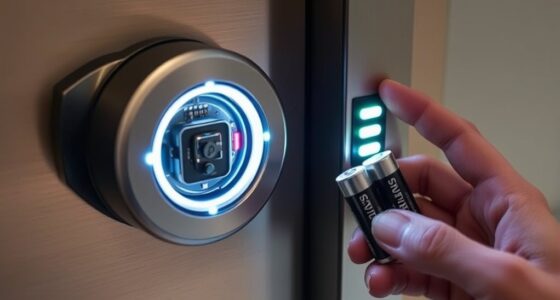
High-traffic doors experience frequent use, which can quickly drain their batteries if not managed properly. If you rely on battery-powered systems for your doors, understanding how to maintain their batteries and optimize power is crucial. Regular battery maintenance isn’t just about replacing batteries when they die; it involves proactive steps to extend their lifespan and ensure reliable operation. Start by inspecting batteries regularly for signs of wear, corrosion, or leakage. Clean terminals to prevent poor connections and ensure the system receives consistent power. Keep a log of battery performance and replace them before they become a reliability issue, rather than waiting for complete failure. This preventative approach helps you avoid unexpected downtime, especially during peak hours when access is critical.
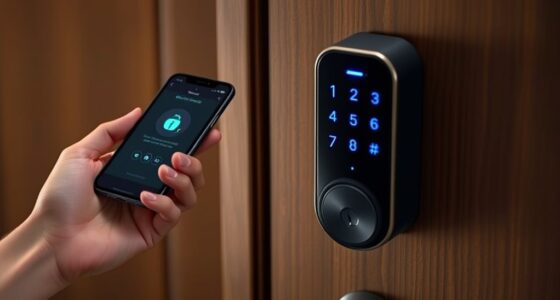
Power optimization is just as essential as maintenance. It involves configuring your system to use energy efficiently, reducing unnecessary drain on the batteries. For instance, adjust the door’s operation settings so that the opening and closing cycles are as quick and smooth as possible, reducing the time the motor is actively drawing power. Installing sensors or motion detectors can also help, activating the door only when needed and avoiding continuous operation that wastes energy. Additionally, consider using energy-efficient components, like low-power motors or LED indicators, which consume less energy and reduce load on the batteries. Properly insulated wiring and well-maintained contacts also contribute to power efficiency by minimizing resistance and preventing power loss.
Another way to optimize power is by managing the door’s operational schedule. Limit unnecessary openings during off-peak times or implement scheduled closures to reduce battery usage. If your system allows, set the door to enter sleep mode when not in use for extended periods. This feature cuts down on battery drain and prolongs the overall life of your batteries. Keep in mind that environmental factors like extreme temperatures can affect battery performance; storing and operating doors within recommended temperature ranges helps maintain battery health and efficiency. Regularly consulting battery maintenance tips can help you stay informed about best practices for prolonging battery life. Finally, consider investing in backup power sources or secondary batteries for critical doors, ensuring continuous operation during maintenance or power outages.
Frequently Asked Questions
What Are the Best Practices for Emergency Manual Operation?
You should always familiarize yourself with the manual override procedure and guarantee safety protocols are in place before emergency manual operation. Keep clear instructions accessible, and regularly practice manual operation drills to ensure quick, smooth action when needed. Confirm that safety devices are functional, and never bypass safety protocols. By staying prepared, you can confidently operate high-traffic doors manually in emergency situations, minimizing risk and ensuring safety for everyone involved.
How Does Temperature Affect Battery Performance?
Temperature critically influences your battery performance. When it’s too hot, battery cooling and temperature regulation become essential to prevent overheating and capacity loss. Conversely, cold temperatures can slow chemical reactions inside the battery, reducing its efficiency and runtime. Maintaining ideal temperature through proper cooling systems ensures your battery operates reliably, especially in high-traffic door applications. Regularly monitor and adjust temperature controls to maximize battery life and performance under varying conditions.
Are There Eco-Friendly Battery Options Available?
Yes, eco-friendly battery options are available. You can explore solar alternatives that harness solar energy to recharge batteries, reducing environmental impact. Recyclable batteries are another great choice, as they can be processed and reused, minimizing waste. By choosing these options, you actively support sustainability and lower your carbon footprint. Implementing solar alternatives and recyclable batteries helps you operate high‑traffic doors more sustainably and responsibly.
How Often Should Battery Maintenance Be Performed?
Imagine your high-traffic door humming smoothly, ready to serve. You should perform battery maintenance every 3 to 6 months, ensuring peak performance. Keep an eye on battery replacement indicators and stick to established charging schedules to prevent unexpected downtime. Regular checks help avoid interruptions, prolonging battery life and keeping your doors operating seamlessly. Stay proactive, and your doors will continue to serve reliably, day in and day out.
Can Battery Life Be Extended With Smart Monitoring Systems?
Yes, smart monitoring systems can extend your battery life by actively tracking battery health and usage patterns. These systems provide real-time data, allowing you to optimize power consumption and schedule maintenance proactively. With better insights, you can prevent overuse and identify early signs of decline, ensuring your high-traffic door batteries stay in excellent condition longer, ultimately improving efficiency and reducing replacement costs.
Conclusion
By following these tips, you can effectively manage your high-traffic door’s battery life, reducing downtime and maintenance costs. Some might think it’s complicated or time-consuming, but with simple routines like regular charging and monitoring, you’ll see improvements quickly. Don’t let battery worries slow you down—stay proactive, keep a schedule, and your doors will run smoothly. In the long run, your effort saves you money and keeps your traffic flowing seamlessly.