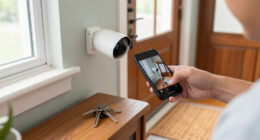
The wrong way to use one-time door codes is by sharing them insecurely, leaving them active after use, or choosing simple, guessable codes. Reusing or not updating codes increases the risk of unauthorized access and theft. Ignoring deactivation or security practices, like insecure storage or outdated apps, makes your property vulnerable. If you keep these pitfalls in mind, you’ll discover more ways to protect your access security.

Get privacy and security gear delivered free — and shop member deals
- Fast, free delivery on millions of items
- Access to Prime Big Deal Days deals on October 6–7
- Prime Video, Amazon Music and more included
Key Takeaways
- Sharing codes openly or without expiration increases unauthorized access risks.
- Failing to deactivate codes after use leaves vulnerabilities for misuse.
- Using simple or guessable codes makes systems easy to hack.
- Relying solely on insecure digital notifications or apps exposes codes to breaches.
- Neglecting regular updates and monitoring of access logs weakens security.

Using one-time door codes can be be a convenient way to grant access without physical keys, but many people misuse them in ways that compromise security. When you don’t handle these codes carefully, you open the door to security vulnerabilities that can put your property and user privacy at risk. It’s tempting to share codes with friends, family, or service providers, but doing so without proper control or expiration can give unauthorized individuals easy access. Once a code becomes known to the wrong person, it’s no longer secure, and your property becomes vulnerable to theft, vandalism, or intrusion.
Another mistake is neglecting to change or deactivate codes after they’re no longer needed. Many users leave codes active even after a guest’s stay, a repair visit, or a temporary access period, which increases the chance that someone could reuse a code maliciously. This oversight leaves your security vulnerable, especially if the codes are simple or easily guessable. Additionally, the use of predictable or repeated codes makes it easier for hackers to exploit vulnerabilities in your security system. If you choose common or sequential codes, you’re fundamentally inviting someone to crack your system with minimal effort. Regularly updating your code management practices can significantly reduce these risks.
Never leave door codes active after use to prevent unauthorized access and enhance your security.
User privacy is often overlooked when managing one-time door codes. Every time you share a code, you’re potentially exposing sensitive information about who has access and when. If the codes are stored insecurely or shared via insecure channels like unencrypted messages or emails, your privacy is at risk. Hackers or malicious actors can intercept these communications and gain unauthorized access, leading to privacy breaches. Furthermore, if your smart lock system logs access data, failing to review or secure these logs can expose your activity patterns, compromising your privacy. It’s crucial to understand the importance of secure access management practices to prevent unauthorized breaches. Incorporating security protocols can help safeguard both your property and your personal information.
Many people also misuse one-time door codes by relying solely on digital notifications or third-party apps that may have security flaws. If these apps aren’t properly secured, they could be hacked, and your access codes could be stolen. This not only jeopardizes your security but also puts your user privacy at risk, as personal details linked to these apps might be exposed. To avoid these pitfalls, it’s vital to use strong, unique codes, change them regularly, restrict code sharing, and ensure your system and associated apps are updated and secure. Regularly reviewing access logs and monitoring activity can help detect suspicious behavior early, enhancing your overall security. Being aware of cybersecurity best practices is essential in protecting your digital access points.
Ultimately, mishandling one-time door codes—whether through sharing, neglecting to deactivate, or poor security practices—can lead to serious security vulnerabilities and privacy issues. You need to be proactive in managing access, understanding the risks, and using your security technology wisely to protect your property and your personal information.
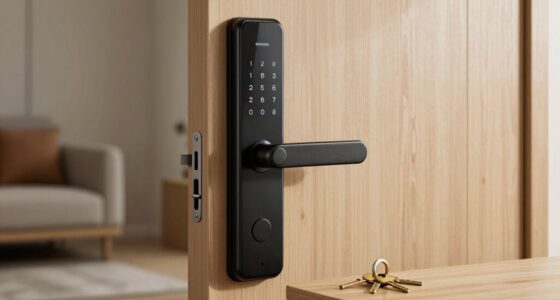
smart lock with temporary access codes
As an affiliate, we earn on qualifying purchases.
As an affiliate, we earn on qualifying purchases.
Frequently Asked Questions
Can One-Time Codes Be Hacked or Intercepted?
Yes, one-time codes can be hacked or intercepted if security measures aren’t properly implemented. Hackers exploit vulnerabilities like weak code encryption or insecure communication channels, making it easier for them to access your door. To protect yourself, guarantee your system uses strong code encryption and secure transmission methods. Regular updates and monitoring can also minimize hacking vulnerabilities, helping keep your property safe from unauthorized access.
How Long Should a One-Time Door Code Be Valid?
You should set your one-time door code to expire within 10 to 15 minutes for ideal security. This code expiration window minimizes the risk of unauthorized access if someone intercepts it. It also enhances user authentication, ensuring only the intended recipient can use the code within a brief, secure period. Avoid longer expiration times, as they weaken security and increase vulnerability to hacking or interception.
Are There Security Risks With Sharing One-Time Codes?
A stitch in time saves nine, so sharing one-time codes can pose security risks if you’re not cautious. When you share codes, you risk compromising guest privacy, especially if the code isn’t customized or expires promptly. Always generate unique, time-limited codes for each guest and avoid sharing them broadly. Proper code customization ensures only authorized guests access your property, reducing vulnerabilities and protecting everyone’s privacy.
Can One-Time Door Codes Be Used for Multiple Users Simultaneously?
No, one-time door codes can’t be used by multiple users simultaneously. They’re designed for single-user access, guaranteeing security through strict user authentication. When you implement access control, each code links to a specific individual, preventing overlapping access. If multiple users need entry, you should generate unique codes for each person. This approach maintains security, reduces risks, and guarantees proper user authentication for every authorized entry.
What Should I Do if a One-Time Code Is Compromised?
If a one-time code is compromised, act quickly: change the code immediately to prevent unauthorized access. Nearly 60% of security breaches involve compromised credentials, highlighting the importance of quick responses. Confirm the code has a short expiration period, limiting potential damage. Also, hold users accountable by tracking code usage and promptly revoking access if misuse occurs. This proactive approach minimizes risks and maintains your security integrity.
As an affiliate, we earn on qualifying purchases.
Conclusion
So, next time you set up a one-time door code, remember: don’t treat it like a secret passcode from a spy movie. Avoid sharing it on social media or writing it down next to your vintage typewriter. Instead, use it wisely, just like you’d guard a treasure map. Otherwise, you might find yourself locked out or worse — explaining to your smart fridge how to reset the code, and that’s a plot twist no one needs!
As an affiliate, we earn on qualifying purchases.
As an affiliate, we earn on qualifying purchases.
Halloween Picks
halloween
As an affiliate, we earn on qualifying purchases.