
One-time codes boost your account security, but if you set them up wrong, they can cause lockouts and frustration. Ensuring accurate synchronization, backing up recovery options, and following setup instructions carefully are essential to avoid issues. Mistakes like incorrect time settings or skipping steps can make codes invalid. To keep your accounts safe and accessible, it’s important to get the setup right—exploring these tips will help you prevent errors and secure your access.

Get privacy and security gear delivered free with Prime
- Fast, free delivery on millions of items
- Prime Video, Amazon Music and more included
- Member-only deals all year
Key Takeaways
- Incorrect device time settings can prevent one-time codes from matching, causing setup failures.
- Failing to securely back up recovery codes risks lockout if the primary device is lost or malfunctioning.
- Misconfiguring or mislinking the authenticator app can result in invalid codes during login.
- Using shared or public devices without proper security measures increases the risk of code theft or misuse.
- Not following setup instructions carefully may lead to synchronization issues and failed authentication attempts.
authenticator app for two-factor authentication
As an affiliate, we earn on qualifying purchases.
As an affiliate, we earn on qualifying purchases.
How Do One-Time Codes Secure Your Accounts?
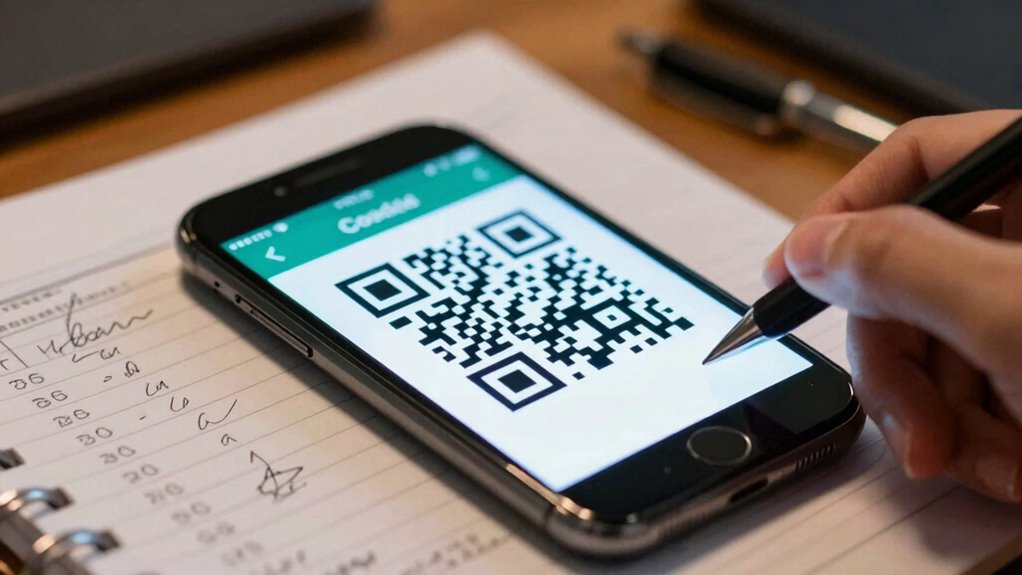
Ever wonder how one-time codes actually protect your accounts? These codes add an extra layer of security beyond your password, especially if you have simple password complexity. Even if someone guesses or steals your password, they won’t be able to access your account without the unique, time-sensitive code. This helps prevent unauthorized access during login attempts. Additionally, one-time codes are vital for account recovery, ensuring only you can regain access if you forget your password or get locked out. By requiring a temporary code, you reduce the risk of hackers exploiting weak passwords or using stolen credentials. Cookies also play a role in enhancing security by tracking suspicious activity, helping to identify potential threats early. Incorporating nanotechnology advancements in security devices could further improve the robustness of authentication methods. Moreover, implementing multi-factor authentication can significantly strengthen overall account security by requiring multiple verification steps. Enhancing authentication protocols with biometric verification is also becoming a popular method to add an extra layer of protection. Ultimately, one-time codes make your accounts more secure by combining password protection with an instant, dynamic verification step.
As an affiliate, we earn on qualifying purchases.
How to Set Up One-Time Codes Correctly (Step-by-Step)

Setting up one-time codes correctly is key to ensuring your accounts stay secure. Begin with a proper authentication setup by choosing a reliable authenticator app or hardware token. Follow the app’s instructions to link it to your account, ensuring you generate codes accurately. Use security best practices by enabling two-factor authentication and avoiding shared or public devices during setup. Store backup codes securely offline in case you lose access to your primary method. Double-check that your time synchronization is correct if using time-based codes, as discrepancies can prevent login. Review all steps carefully before finalizing to prevent mistakes. Proper setup guarantees your one-time codes work seamlessly, strengthening your account security from the start. Understanding dark psychology tactics can help you recognize and defend against manipulation attempts during account security procedures, especially when managing authentication methods. Additionally, being aware of common security vulnerabilities ensures you remain vigilant against potential threats. Also, verify that your device’s date and time settings are accurate to ensure the time-based codes function correctly.
As an affiliate, we earn on qualifying purchases.
Common Mistakes That Can Lock You Out of Your Account
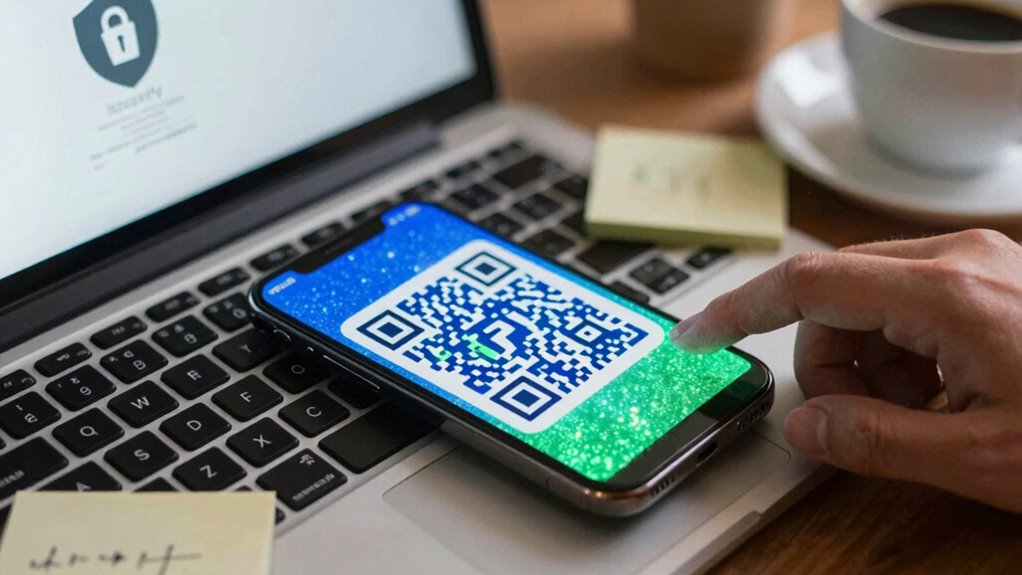
While setting up your one-time codes is essential, common mistakes can still lock you out of your account unexpectedly. Authentication pitfalls often stem from setup mistakes, such as entering incorrect time zones or misconfiguring the app. These errors can cause your codes to become invalid, preventing access when you need it most. Another mistake is failing to securely back up your recovery keys or QR codes, leaving you stranded if your device is lost or damaged. Additionally, using weak or easily guessable backup methods can compromise your account security while increasing the risk of lockout. Being careless during setup, like rushing through steps or ignoring instructions, can also create vulnerabilities that hinder future access. Staying vigilant and double-checking your setup helps prevent these common authentication pitfalls, especially when proper setup practices are followed. It’s also helpful to understand the importance of secure backups to ensure uninterrupted access. Understanding the role of reliable backup methods in your security plan can save you from unexpected lockouts. Incorporating clear instructions and verification steps during setup can further reduce the chance of mistakes. Moreover, understanding common configuration errors can help you troubleshoot issues more effectively.
time synchronization device for authentication
As an affiliate, we earn on qualifying purchases.
As an affiliate, we earn on qualifying purchases.
How to Fix One-Time Code Errors and Regain Access
When you encounter errors with your one-time codes, the first step is to verify that your device’s time settings are accurate. Incorrect time can cause code mismatches, preventing access. If the time is correct but codes still don’t work, try resyncing your authenticator app or switching to a different device. If you’re still locked out, use backup codes if you saved them earlier—they’re essential for account recovery. Many services offer backup codes specifically for situations like this. If all else fails, contact customer support for help regaining access. They might ask for identity verification or provide alternative account recovery options. Keeping backup codes stored securely ensures you can quickly regain access if one-time codes fail due to setup errors or device issues. Understanding how device settings impact security can help prevent future access problems, especially considering the role of European cloud infrastructure in maintaining reliable authentication systems. Properly synchronized time and adherence to cloud security standards are vital for minimizing such issues and ensuring consistent access. Additionally, regularly updating your device and app software can help prevent authentication errors caused by outdated protocols.
Tips to Prevent Future Setup Errors and Lockouts

To prevent future setup errors and lockouts, it’s essential to carefully follow the instructions provided by your authentication app or service. Pay attention to details like entering setup codes accurately and verifying your device’s time settings, as synchronization issues often cause errors. Enhancing your security awareness and understanding the setup process reduces mistakes. Take time to review instructions thoroughly, avoiding rushed configurations. Keep your recovery options updated and stored securely to prevent lockouts if setup issues arise. Educating yourself about the specific requirements of your authentication method helps you identify potential pitfalls before they happen. Regularly practicing the setup process can build confidence and minimize errors. Staying informed and cautious ensures your account remains accessible and safe, avoiding costly lockouts caused by simple setup mistakes. Additionally, understanding device time synchronization can significantly reduce setup errors caused by mismatched clocks. Being aware of security protocols and how they influence setup procedures further enhances your ability to troubleshoot issues effectively. Familiarizing yourself with common setup errors allows you to proactively address issues before they impact access. Moreover, staying updated on potential software updates can help prevent compatibility issues that lead to setup failures. Recognizing the importance of proper documentation for your setup steps can also assist in troubleshooting if issues occur later.
When Should You Consider Alternative Authentication Methods?

Ever find yourself repeatedly struggling with setting up one-time codes or facing frequent lockouts? If so, it’s time to consider alternative authentication methods. Biometric alternatives like fingerprint or facial recognition can offer a seamless, secure experience, especially if you find one-time codes cumbersome or unreliable. Password managers also simplify access by securely storing your passwords and generating strong, unique credentials, reducing the risk of setup errors. When your current system causes frustration or hampers productivity, it’s a clear sign to switch. These options provide more convenience without sacrificing security, making them ideal for those who value ease of use. Moving to biometric authentication or password managers can save time and minimize setup mistakes, ensuring a smoother, more reliable login experience. Security enhancements can also be achieved by exploring these modern alternatives, giving you peace of mind.
Key Takeaways for Safe and Effective One-Time Code Use

Using one-time codes securely and effectively requires attention to best practices. First, stay aware of common security pitfalls and avoid sharing codes or entering them on untrusted sites. Maintain strong security awareness by recognizing phishing attempts and suspicious links. User training is essential—educate yourself and others on how to generate, store, and use codes properly. Always use reputable apps or hardware tokens, and enable multi-factor authentication where possible. Never reuse codes or use them in insecure environments. Regularly review your security practices and stay updated on new threats. By prioritizing user training and practicing diligent security awareness, you’ll reduce risks and ensure your one-time codes provide reliable protection. Consistent awareness and education are key to safe, effective use.
Frequently Asked Questions
Can I Use the Same One-Time Code Across Multiple Devices?
No, you shouldn’t use the same one-time code across multiple devices. Each device compatibility requires a unique code for proper authentication. Reusing codes jeopardizes security implications, making your accounts vulnerable to unauthorized access. Always generate a new one-time code for each device or session. This ensures your security stays intact, and your devices remain properly protected against potential threats. Using unique codes maintains both security and device compatibility effectively.
How Long Does a Single-Use Code Remain Valid?
A single-use code typically remains valid for about 30 seconds to a few minutes, depending on the system’s security settings. During this time, it’s vital to guarantee proper time synchronization to prevent security vulnerabilities. If your device’s clock isn’t aligned, the code might expire prematurely or remain valid longer, increasing risks. Always use synchronized devices to enhance security and avoid potential vulnerabilities.
Are There Differences Between Hardware and Software One-Time Codes?
Differences between hardware and software one-time codes hinge on security protocols and device compatibility. Hardware codes are generated by physical devices, offering robust, tamper-proof protection, but may lack flexibility. Software codes, on the other hand, are created within apps or systems, making them more adaptable but potentially less secure. You need to weigh convenience against security, ensuring your chosen method aligns with your device compatibility and safety needs.
What Should I Do if My Device’s Clock Is Inaccurate?
If your device’s clock is inaccurate, you should perform time synchronization to correct it. Check your device’s settings for automatic time updates or manually calibrate the clock. Ensuring proper device calibration helps keep your time precise, which is vital for one-time codes to work correctly. Regularly syncing your device’s time prevents errors, making sure your authentication process remains smooth and secure.
Is It Safe to Share One-Time Codes With Trusted Contacts?
You might think sharing one-time codes with trusted contacts is safe, and it often is—since 78% of users trust their close contacts. However, be cautious with code sharing, as it can still pose risks if your contacts aren’t careful. Always verify their identity, and avoid sharing codes through insecure channels. Protect your accounts by limiting code sharing to only those who understand the importance of keeping such information private.
Conclusion
While one-time codes can protect your accounts, a simple setup mistake can lock you out. It’s tempting to rely on them, but rushing through the process risks security and access. Take your time, follow each step carefully, and verify everything. Because when setup errors happen, your account’s safety and your peace of mind are at stake. Stay vigilant, double-check, and consider alternative methods—your digital security depends on it.
Halloween Picks
halloween
As an affiliate, we earn on qualifying purchases.