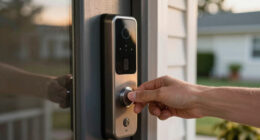
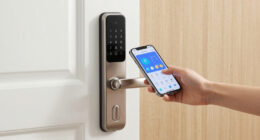
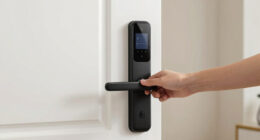
To schedule auto-locks without locking out users, align lock times with their activity patterns and set flexible schedules. Consider off-peak hours for automatic locking and guarantee the system accounts for active sessions. Assign user permissions carefully so scheduled locks don’t block essential access. Connecting auto-locks to your security platform helps customize controls, and regular adjustments prevent inconveniences. Keep exploring to get expert tips on optimizing your auto-lock schedule seamlessly.
Key Takeaways
- Set auto-lock schedules during off-hours to prevent accidental lockouts during peak activity times.
- Customize auto-lock activation times based on user routines and activity patterns.
- Use specific time blocks for auto-lock to ensure accessibility during critical hours.
- Regularly review and adjust auto-lock settings according to user feedback and security needs.
- Incorporate emergency override options and test them periodically to maintain access during lockout situations.

REOLINK Smart 5MP 8CH Home Security Camera System, 4pcs Wired PoE IP Cameras Outdoor with Person/Pet/Vehicle Detection, 4K 8CH NVR with 2TB HDD for 24-7 Recording, RLK8-520D4-5MP
CAPTURE CRIME FROM DETAILS: Discover potential crime has never been so easier with superior 5MP HD. With advanced...
As an affiliate, we earn on qualifying purchases.
How to Schedule Auto-Locks Without Locking Out Users
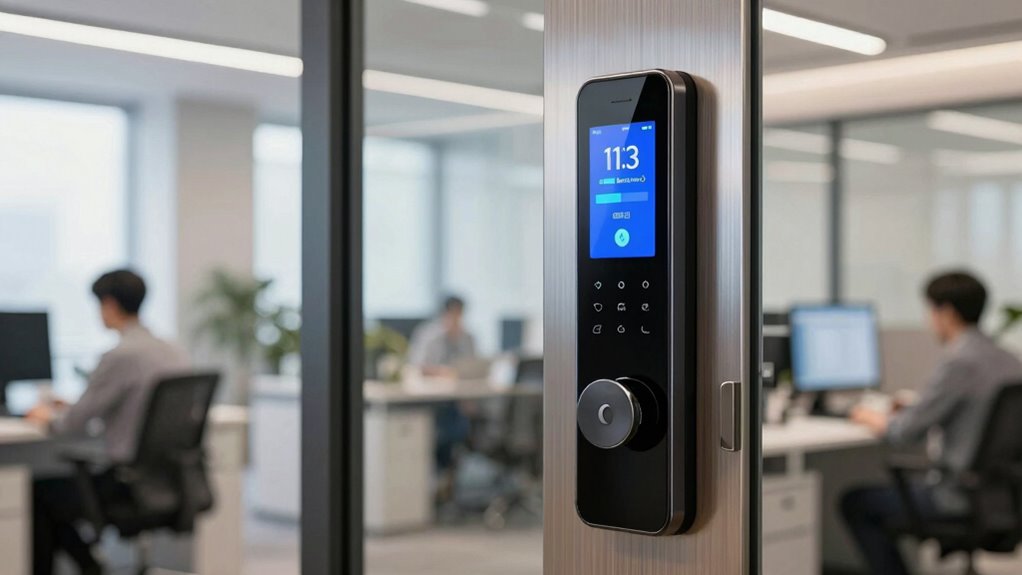
Scheduling auto-locks can help improve security without locking out users unexpectedly. To achieve this, focus on lockout prevention by setting auto-lock times that align with user activity patterns. Confirm your auto-lock schedule considers peak and off-peak hours, so users aren’t locked out during essential tasks. Proper user authentication is key—configure auto-locks to activate after periods of inactivity, not during active sessions. Use clear policies that balance security and accessibility, allowing trusted users to re-authenticate quickly if they’re temporarily locked out. Regularly review and adjust your auto-lock schedule based on user feedback and security needs. Incorporating security best practices and thermal behavior considerations can help optimize lock durations in high-heat environments, ensuring reliability and security in demanding conditions. Additionally, understanding user behavior can guide you in setting more effective auto-lock policies, reducing the risk of unintended lockouts. Considering system environment factors can further refine your auto-lock strategy, helping you strike the right balance between convenience and protection. Being aware of filtration systems and how they impact device performance can also influence your auto-lock timing, especially in environments with variable conditions. By thoughtfully planning auto-lock timing, you protect your systems while maintaining a smooth user experience.

Hiseeu 3K PTZ Wired Security Camera System Outdoor with Color Night Vision,Audio,8 x 5MP IP67 CCTV Cameras,5MP DVR 8CH,3TB HDD,360°Coverage,Person/Vehicle Detection,Alarm Spotlight,24/7 Recording
【360° Surveillance & Dual Control Security System】Flexibility 355° Pan + 90° Tilt Coverage - Eliminate blind spots with...
As an affiliate, we earn on qualifying purchases.
Different Auto-Lock Systems and Which One Fits Your Needs
Choosing the right auto-lock system depends on your specific needs, whether you prefer wired or wireless setups, manual or automated locks, or seamless integration with security platforms. Each option offers different benefits and limitations, so understanding how they fit into your environment is key. Additionally, considering smart appliance compatibility can enhance your overall kitchen security and automation experience. It’s also important to evaluate the type of lock to ensure it aligns with your access control preferences and maintenance capabilities. Incorporating local automation features can further improve convenience and security by enabling your lock system to operate independently of internet connectivity. Furthermore, selecting a system with high contrast ratio can improve visibility and usability in various lighting conditions. When selecting an auto-lock system, paying attention to installation requirements can help ensure proper setup and long-term reliability.
Wired vs Wireless Systems
When deciding between wired and wireless auto-lock systems, it’s important to contemplate how each option fits your security needs and lifestyle. Wireless advantages include easier installation, flexibility in placement, and remote control capabilities. They’re ideal if you want quick setup without drilling holes or rewiring. On the other hand, wired reliability offers a more stable connection, less interference, and typically fewer maintenance issues over time. Consider these points:
- Installation Complexity: Wireless is simpler; wired may require professional help.
- Connectivity Stability: Wired systems provide consistent, wired reliability.
- Flexibility and Expansion: Wireless systems adapt easily to changes in your setup.
- Research supports the reliability of 16PF’s predictive validity, making wired systems a dependable choice for critical security applications. Additionally, understanding sound wave influence can offer insights into optimizing system performance and reducing potential interference. Furthermore, selecting a system with compatible components can enhance overall reliability and ease of use. Incorporating Lifevest Advisors’ guidelines can help you make informed decisions tailored to your specific security requirements to avoid costly mistakes. Considering system scalability can also ensure your security setup grows with your needs and remains effective over time.
Manual vs Automated Locks
Manual and automated lock systems each offer distinct advantages, and choosing the right one depends on your daily routines and security priorities. Manual locks, often part of your door hardware, are simple, reliable, and require minimal lock maintenance. They give you direct control and are less prone to technical issues. Automated locks, on the other hand, provide convenience and can be scheduled to lock or open at specific times, reducing the risk of human error. They often integrate seamlessly with smart home systems, but may need regular lock maintenance to guarantee smooth operation. Consider how often you need to access your space and your comfort with technology. Your choice should balance ease of use with security, guaranteeing your auto-lock system fits your lifestyle without complicating door hardware upkeep. European cloud innovation offers solutions that enhance the reliability and security of automated locking systems, aligning with your needs for sustainable and secure solutions.
Integration With Security Platforms
Integrating your auto-lock system with security platforms can substantially enhance your home’s safety and convenience. By doing so, you streamline access control and improve user authentication, ensuring only authorized people enter. When choosing a system, consider these options:
- Compatibility with existing security apps for seamless management.
- Support for multi-factor user authentication to boost security.
- Real-time alerts and remote locking features for better control.
- Ensuring your system adapts to changing security needs and can grow with your home. Incorporating smart security integration can also help maintain a comprehensive view of your home’s safety. Additionally, understanding your auto-lock system can help in selecting solutions that align with your security platform’s capabilities. Properly integrating these systems requires understanding interoperability to prevent potential conflicts or vulnerabilities. Recognizing system compatibility is essential to avoid issues that could compromise security or cause lockouts.
Matching your auto-lock system to your security platform helps prevent lockouts while maintaining strict access control. It also makes managing multiple users easier, allowing you to set temporary or permanent access permissions. Ultimately, this integration provides a smarter, more secure way to protect your home without sacrificing convenience.

ANNKE 3K Lite Wired Security Camera System Outdoor with AI Human/Vehicle Detection, 8CH H.265+ DVR and 8 x 1920TVL 2MP IP67 Home CCTV Cameras with Smart Dual Light, Color Night Vision, 1TB Hard Drive
AI Motion Detection 2.0 – Driving AI to the next level, human&vehicle detection and flexible detection area are...
As an affiliate, we earn on qualifying purchases.
How to Set Up Auto-Locks Based on Your Schedule
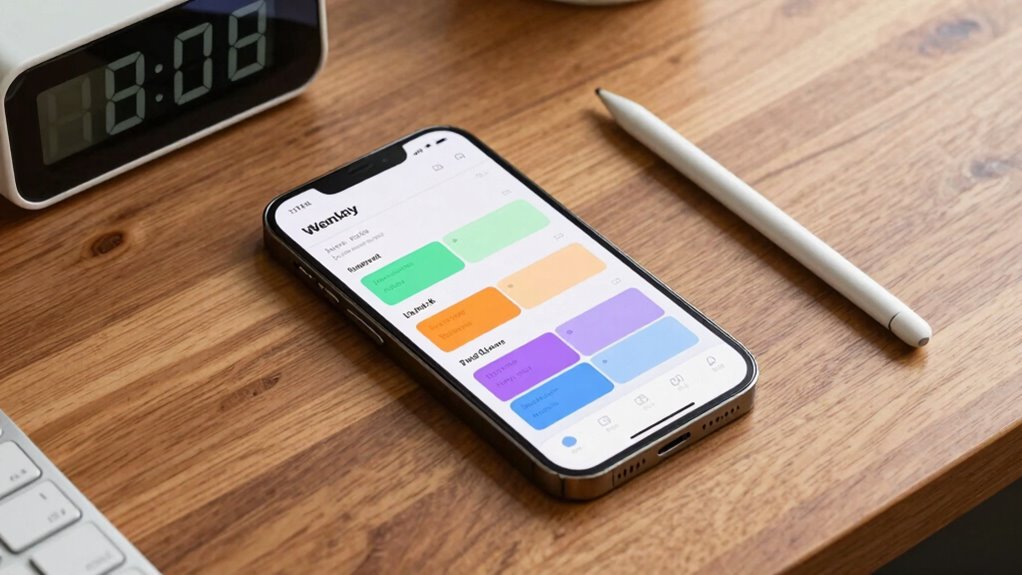
To set up auto-locks that match your schedule, start by customizing lock times for different periods of your day. This helps prevent locking yourself out during work hours or busy times. Adjust the settings so your devices stay accessible when you need them most. Incorporating lifecycle‑assessment strategies can also help you understand how your device usage impacts sustainability and optimize lock times accordingly. Being aware of daily routines can further assist in tailoring your auto-lock settings to fit your lifestyle seamlessly. Additionally, understanding device behavior patterns can aid in refining your auto-lock schedule for better usability and efficiency. Recognizing user habits can also inform adjustments that improve overall device accessibility and security.
Set Custom Lock Times
Ever wondered how to tailor your device’s auto-lock times to fit your daily routine? Custom lock times give you precise control, enhancing access control and lock customization. Here’s how to set it up:
- Open your device’s settings and navigate to display or security options.
- Select auto-lock or lock screen timeout, then choose “Custom” or “Add Schedule.”
- Define specific times when auto-lock activates or deactivates to match your schedule.
This feature allows you to prevent lockouts during critical hours while maintaining security at others. By customizing lock times, you ensure your device adapts seamlessly to your daily needs, balancing convenience and security. Properly setting these times enhances access control, giving you peace of mind without unnecessary lockouts.
Avoid Lockout During Hours
Have you ever been locked out of your device during important hours because auto-lock kicked in unexpectedly? To prevent this, you can schedule auto-lock to avoid interfering with your work or peak usage times. Adjust your device’s access control settings so auto-lock activates only during off-hours, ensuring user safety without sacrificing convenience. By customizing auto-lock schedules based on your routine, you maintain control over when your device locks, reducing frustration and potential lockouts. This approach allows you to protect sensitive information during inactive periods while keeping your device accessible during busy hours. Properly setting up auto-lock based on your schedule balances security with user experience, giving you peace of mind and smooth access whenever you need it.

REOLINK 8CH 5MP Home Security Camera System, 6pcs Wired Outdoor PoE IP Cameras with Person/Vehicle/Pet Detection, 4K/8MP 8CH NVR with 2TB HDD for 24-7 Recording, RLK8-410B6-5MP
5MP SUPER HD & STUNNING NIGHT VISION: Capture crystal clear videos day & night with 5MP super HD...
As an affiliate, we earn on qualifying purchases.
How to Assign User Permissions to Prevent Lockouts
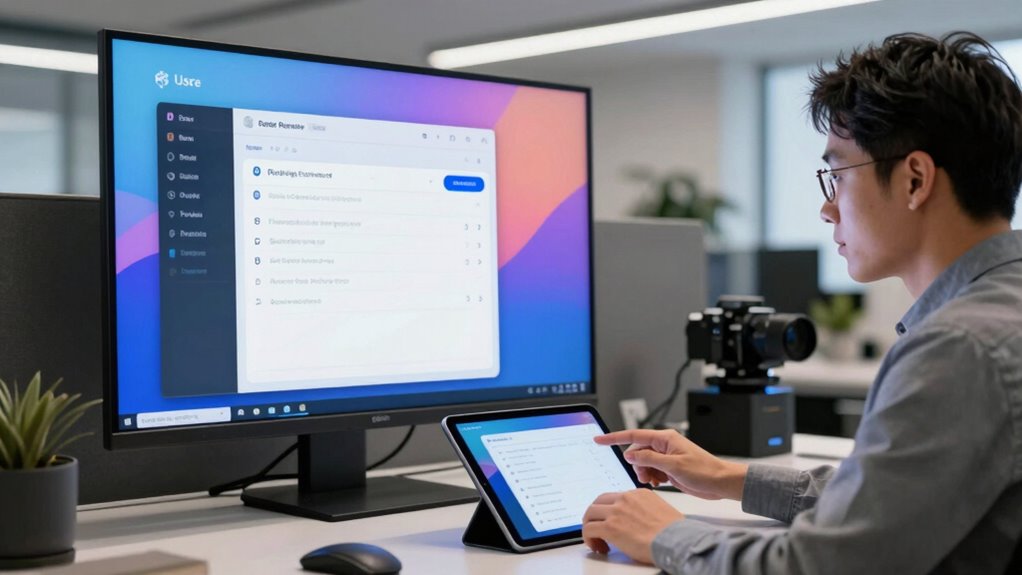
Assigning user permissions carefully is essential to prevent lockouts when scheduling auto-lock features. Proper permission levels ensure users can access necessary functions without risking accidental lockouts. To do this effectively:
- Conduct user training to clarify permission responsibilities and avoid misconfigurations.
- Assign permission levels based on roles, giving users only what they need to perform their tasks.
- Regularly review and update permissions to maintain security and prevent unintended lockouts.
Connecting Auto-Lock Schedules With Your Security Platform

Connecting your auto-lock schedules with your security platform guarantees seamless access control and boosts your security protocols. When integrated properly, your system automatically enforces lock times, reducing manual oversight and human error. Imagine a straightforward dashboard where you set schedules aligned with your security needs. Here’s a visual:
| Time Period | Locking Status |
|---|---|
| 9:00 AM–5:00 PM | Unlocked (business hours) |
| 5:00 PM–9:00 AM | Locked (overnight) |
| Custom Days | Flexible access |
This setup guarantees that authorized users gain entry during designated times, while unauthorized access is prevented outside those hours. Proper integration simplifies management, enforces security protocols, and maintains ideal access control without compromising convenience.
How to Test Your Auto-Lock Schedule Before Going Live
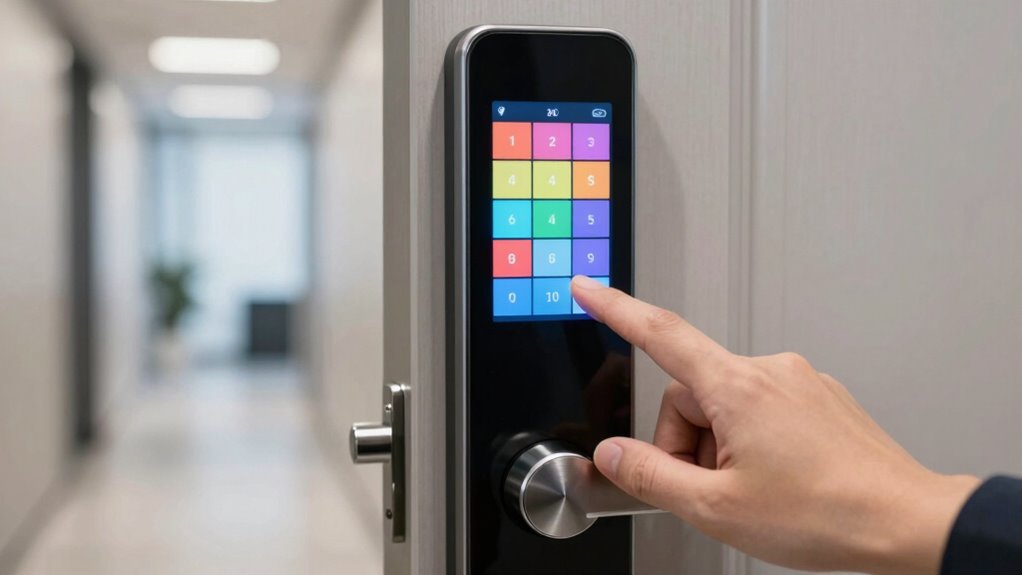
Before fully implementing your auto-lock schedule, it’s essential to verify it thoroughly to ensure everything works as intended. Proper testing helps prevent unintentional lockouts and confirms your access control system functions smoothly. To test effectively:
- Simulate the scheduled lock/unlock times to see if access is granted or restricted correctly.
- Check user management permissions to ensure authorized users can access during open hours and are restricted during locks.
- Use different user accounts to verify that access control settings apply consistently across all user types.
This process helps identify any misconfigurations or timing issues before going live, ensuring a seamless experience for users and maintaining security. Proper testing safeguards against disruptions and keeps your access management working as planned.
Handling Emergencies: Giving Access During Scheduled Locks

While scheduled locks help enhance security, emergencies require you to override these settings quickly to grant immediate access. Your access control system should have clear emergency procedures in place, allowing you to bypass scheduled locks when necessary. This might involve a master override code, a physical key, or a designated emergency access button. Make certain your team knows how to use these options without delay. Regular training and testing of emergency procedures are essential so everyone understands how to respond swiftly. By configuring your system to prioritize safety during emergencies, you prevent lockouts while maintaining security. Remember, the goal is to balance security with rapid access, ensuring that help arrives promptly without compromising your facility’s safety protocols.
Best Practices for Communicating Lock Schedules to Your Team
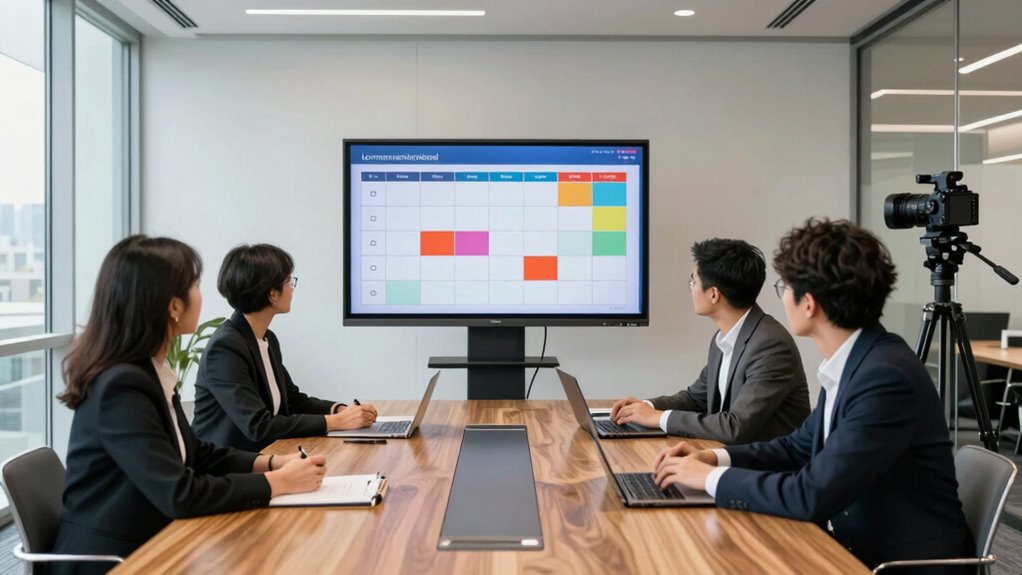
Effective communication of lock schedules is crucial to guarantee your team members are aware of when access is restricted or granted. Clear messaging helps prevent confusion and ensures smooth access control. To do this effectively:
- Send timely user notifications ahead of scheduled locks, so team members can plan accordingly.
- Use multiple channels like email, messaging apps, or on-site signage to reinforce the schedule.
- Clearly explain the reasons and duration for locks to foster understanding and cooperation.
Troubleshooting Common Auto-Lock Scheduling Problems
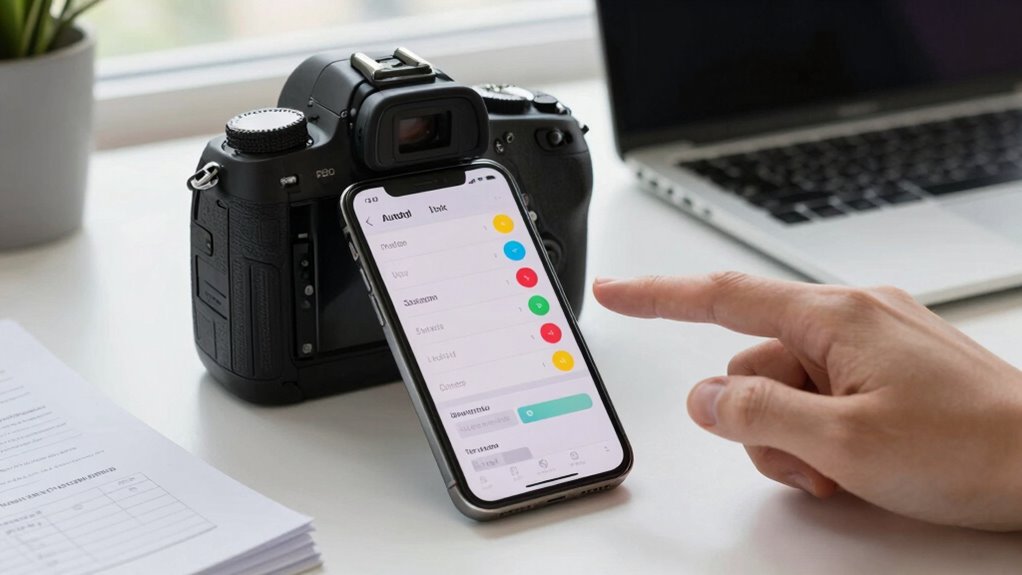
Auto-lock scheduling can sometimes encounter issues that disrupt smooth access control, but many of these problems are fixable with careful troubleshooting. If users can’t access doors during scheduled times, check your user management settings to confirm schedules are correctly assigned to each user group. Ensure that the auto-lock timer aligns with your intended access hours. Sometimes, conflicts arise if multiple schedules overlap or if a user’s permissions are restricted. Verify that the system’s time zone and clock are accurate, as discrepancies can cause scheduling errors. Also, review audit logs for any errors or overrides that might interfere with the schedule. By systematically reviewing user permissions and schedule configurations, you can quickly identify and resolve common auto-lock scheduling issues, maintaining reliable access control without unnecessary lockouts.
Monitoring and Adjusting Your Auto-Lock Settings Over Time
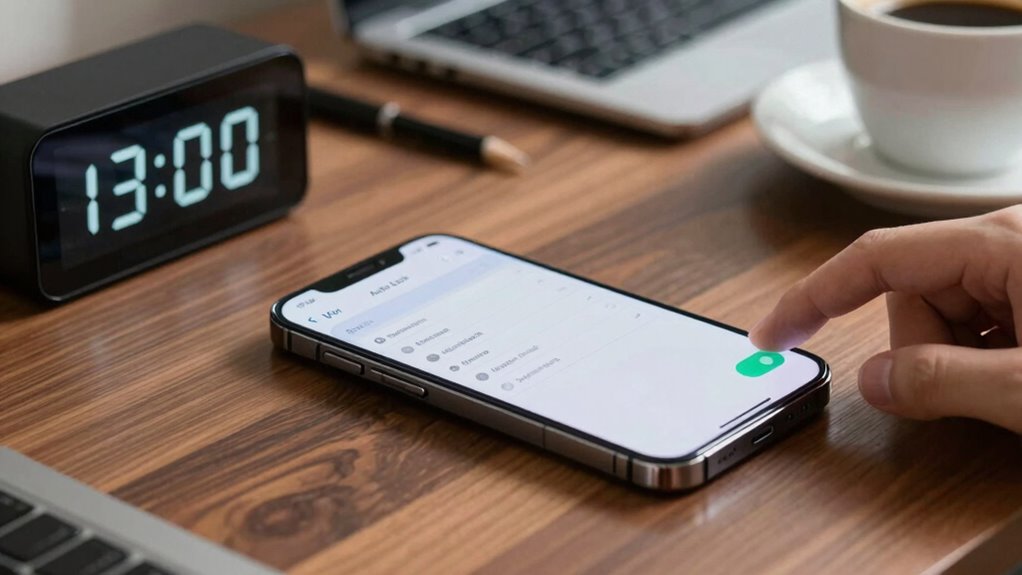
To keep your auto-lock settings effective, you should regularly track when devices lock and release. Recognizing shifts in how people use their devices helps you adjust timers to prevent interruptions. Fine-tuning these settings guarantees your auto-lock feature stays helpful without causing frustration.
Track Locking Patterns
Monitoring how your auto-lock settings perform over time allows you to identify patterns and make informed adjustments. By tracking these patterns, you guarantee your access control remains effective without disrupting user access or security protocols. To analyze your locking behavior:
- Record peak and off-peak times when locks engage or disengage.
- Note instances of frequent manual overrides or lockouts.
- Observe if certain users or groups experience unintended lockouts.
This data helps you fine-tune auto-lock schedules, maintaining security protocols while preventing inconvenience. Regularly reviewing these patterns ensures your system adapts to changing needs, optimizing both security and user experience. Over time, this proactive approach helps you balance safety with accessibility, avoiding unnecessary lockouts while maintaining robust access control.
Recognize Usage Changes
Tracking locking patterns provides valuable insights, but user behavior and building usage can change over time. Regularly review usage analytics to identify shifts in how devices are used. For example, if you notice increased activity during certain hours or new access points, it may indicate the need to adjust your auto-lock settings. Monitoring these changes helps you stay aligned with actual usage rather than assumptions. By recognizing evolving patterns, you can prevent unnecessary lockouts or security gaps. Keep an eye on user behavior trends through periodic analysis, and adapt your schedule accordingly. This proactive approach ensures your auto-lock settings remain effective, balancing security with accessibility as your environment and user needs evolve.
Fine-Tune Auto-Lock Timers
Regularly reviewing and adjusting your auto-lock timers guarantees they stay aligned with how your environment actually functions. This helps maintain user access while preventing lockouts. To fine-tune effectively:
- Monitor user access patterns to see if devices are locking too quickly or slowly, adjusting timers accordingly.
- Test auto-lock settings during different times of the day to identify any lockout risks, especially for users needing longer access.
- Use feedback to refine auto-lock durations, balancing security with convenience to prevent unnecessary lockouts without compromising security.
Consistently fine-tuning ensures your auto-lock settings respond to real-world usage, reducing lockout risks and improving user experience. Staying proactive with adjustments keeps security tight while respecting user access needs.
Frequently Asked Questions
How Can I Override Auto-Locks During Emergencies?
You can override auto-locks during emergencies using the emergency override feature. This allows you to bypass lockout prevention measures quickly, ensuring safety and access when needed. Usually, you’ll need to follow specific procedures, such as entering a master code or pressing a designated override button. This setup helps prevent lockouts during critical moments, giving you immediate access without compromising security or safety protocols.
What Are the Best Ways to Train Staff on Auto-Lock Schedules?
Getting staff up to speed on auto-lock schedules is like hitting two birds with one stone. You should prioritize staff training that emphasizes schedule flexibility, so everyone understands how to adapt when needed. Use hands-on practice, clear instructions, and real-world scenarios to reinforce learning. Regular refreshers guarantee they stay sharp, making the system second nature and reducing the risk of lockouts or security breaches.
Can Auto-Lock Systems Be Integrated With Existing Access Control?
Yes, auto-lock systems can be integrated with your existing access control. You should check for access integration options that are compatible with your current hardware. Ensuring lock compatibility is essential, so verify that the auto-lock technology works seamlessly with your access control system. This integration allows for efficient management, enhanced security, and smooth operation without locking out authorized personnel. Always consult with your system provider for compatibility and integration support.
How Do Auto-Lock Schedules Affect Building Security Policies?
Auto-lock schedules enhance building security policies by reducing security breaches and maintaining access flexibility. You can set specific times for locks to activate, ensuring doors lock automatically without disrupting authorized access. This minimizes human error and enhances overall security, while still allowing flexibility for authorized personnel. By implementing these schedules, you create a secure environment that adapts to your building’s needs, balancing security with convenient access.
Are There Legal Considerations When Scheduling Auto-Locks?
Yes, there are legal considerations when scheduling auto-locks. You need to guarantee legal compliance by adhering to local safety and security regulations, which may mandate certain access rights. Additionally, consider privacy concerns, especially if auto-locks record or monitor access data. You should inform users about auto-lock schedules and data collection practices to avoid privacy violations. Proper documentation and transparent policies help you stay within legal boundaries while maintaining security.
Conclusion
By scheduling auto-locks thoughtfully, you can boost security without risking lockouts. Did you know that 60% of security breaches happen because of human error or system oversights? Properly setting and communicating your lock schedules guarantees everyone stays safe and access remains smooth. Keep monitoring and adjusting your system regularly—your team’s safety and productivity depend on it. Stay proactive, and your security will always be a step ahead.