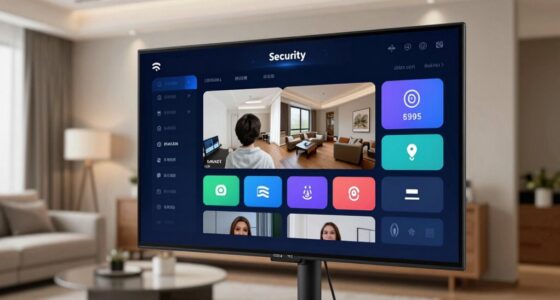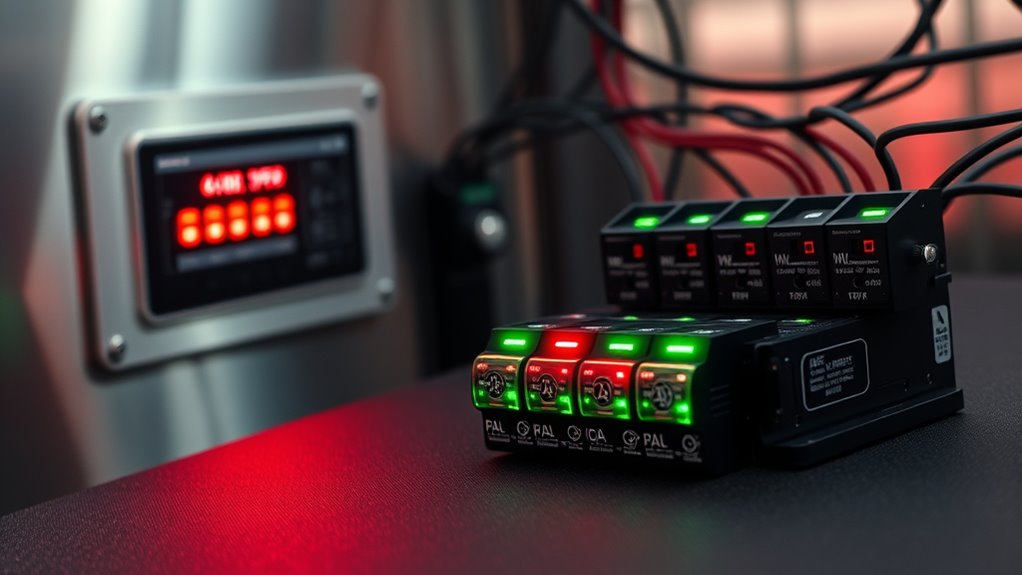

Bringing legacy alarms online with smart relays is a smart way to modernize your safety system. These relays bridge the gap between old fire alarms and new automation features, allowing wireless connectivity and remote monitoring. They support integration without replacing your entire setup, ensuring compliance and cost efficiency. Smart relays also enhance responsiveness through real-time alerts and diagnostics. Keep exploring for detailed steps on upgrading your system smoothly and reliably.
Key Takeaways
- Evaluate existing alarm protocols and components to identify compatibility and integration points for smart relay installation.
- Select appropriate smart relays supporting wireless connectivity and adaptable interfaces for seamless legacy system integration.
- Connect and configure relays with correct wiring, ensuring reliable communication and power management aligned with system requirements.
- Conduct thorough testing of communication, alarms, and safety features to verify proper operation and interoperability.
- Implement remote monitoring capabilities and real-time alerts to enhance system responsiveness and maintenance efficiency.

ANNKE 3K Lite Wired Security Camera System Outdoor with AI Human/Vehicle Detection, 8CH H.265+ DVR and 8 x 1920TVL 2MP IP67 Home CCTV Cameras with Smart Dual Light, Color Night Vision, 1TB Hard Drive
AI Motion Detection 2.0 – Driving AI to the next level, human&vehicle detection and flexible detection area are...
As an affiliate, we earn on qualifying purchases.
Understanding Legacy Alarm Systems and Their Limitations
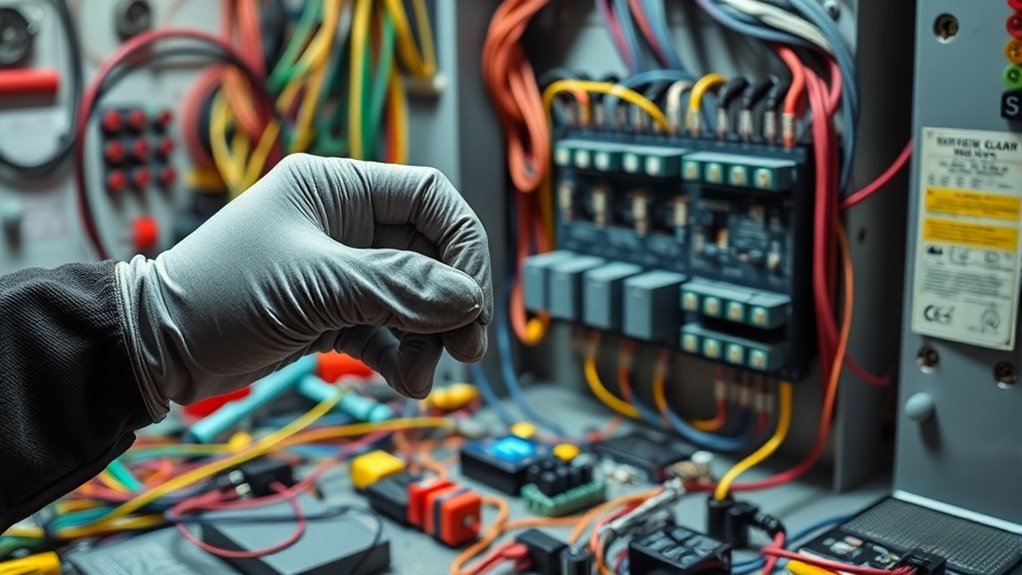
While legacy alarm systems have served their purpose for many years, they often fall short in today’s security landscape. These older systems were built for basic fire safety and monitoring, but they lack the flexibility and connectivity needed now. Alarm maintenance can be challenging, as parts become obsolete and integration with modern technology is limited. You might find yourself dealing with false alarms or delayed responses, which compromise safety. These systems typically don’t support remote monitoring or automation, making it harder to ensure ongoing fire safety. Over time, they become less reliable, increasing the risk of system failure during emergencies. Upgrading is essential to meet current standards, but understanding their limitations helps you appreciate why modernization with smart solutions is the logical next step. Additionally, high refresh rates in modern projectors ensure smoother visuals, which can be crucial for real-time security monitoring displays.

ANNKE 8CH H.265+ 3K Lite Wired Security Camera System with AI Human/Vehicle Detection, 4 x 1920TVL 2MP CCTV IP67 Cameras with Smart Dual Light for Outdoor Use, Color Night Vision, 1TB Hard Drive
【AI Motion Detection 2.0】Driving AI to the next level, human&vehicle detection and flexible detection area are more accurate...
As an affiliate, we earn on qualifying purchases.
The Role of Smart Relays in Modernizing Safety Infrastructure
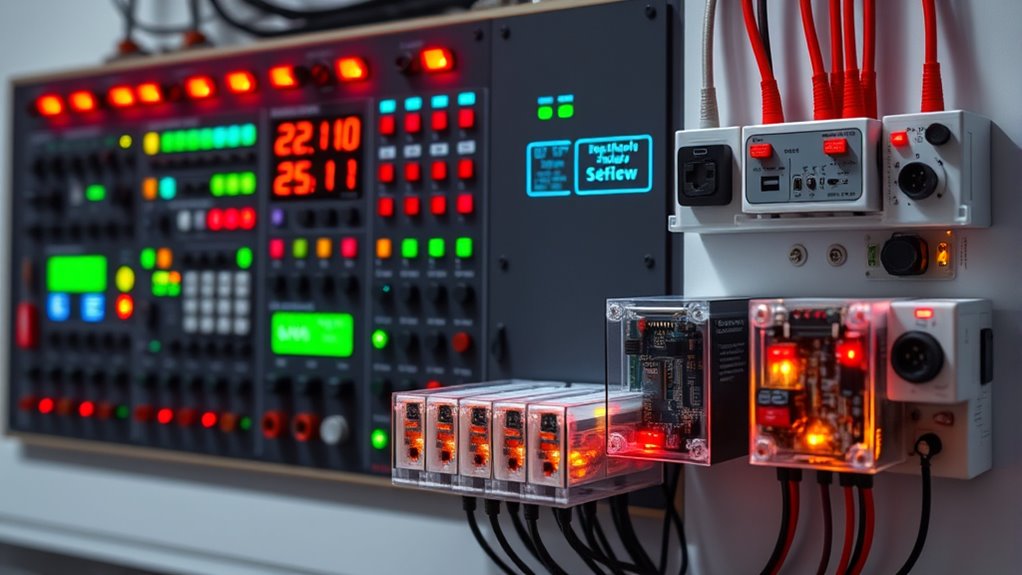
Smart relays play a crucial role in modernizing safety infrastructure by bridging the gap between legacy alarm systems and advanced automation. They enable seamless integration by providing wireless connectivity, which eliminates the need for extensive rewiring and simplifies system upgrades. This connectivity allows you to monitor and control alarms remotely, improving response times and overall safety. Additionally, smart relays feature intuitive user interfaces, making system management straightforward even for those with limited technical experience. You can easily configure alarm settings, receive real-time alerts, and access system diagnostics through a simple interface. By incorporating smart relays, you modernize your safety infrastructure efficiently, ensuring reliable operation and easier maintenance while maintaining compatibility with existing legacy systems. Moreover, these systems can support detoxification and boosting liver function, enhancing the overall safety and health benefits of your safety infrastructure.

Hiseeu 3K PTZ Wired Security Camera System Outdoor with Color Night Vision,Audio,8 x 5MP IP67 CCTV Cameras,5MP DVR 8CH,3TB HDD,360°Coverage,Person/Vehicle Detection,Alarm Spotlight,24/7 Recording
【360° Surveillance & Dual Control Security System】Flexibility 355° Pan + 90° Tilt Coverage - Eliminate blind spots with...
As an affiliate, we earn on qualifying purchases.
Key Features to Look for in Smart Relay Devices

When choosing smart relay devices, you need to guarantee they are compatible with your existing legacy systems to avoid costly upgrades. Look for advanced safety features that enhance protection and compliance. These key features will help you modernize your safety infrastructure effectively and reliably. Additionally, ensuring that the devices incorporate fraud prevention tools, such as real-time monitoring and anomaly detection, can further safeguard your operations.
Compatibility With Legacy Systems
Ensuring compatibility with legacy systems is essential when selecting smart relay devices, as it allows seamless integration without extensive modifications. Look for relays that support wireless sensors, enabling you to add new detection points without rewiring existing infrastructure. This flexibility simplifies upgrading older alarms while maintaining system reliability. Additionally, devices that offer voice alerts enhance communication during emergencies, making alerts more immediate and understandable. Compatibility also means the relay can interface with current alarm panels, avoiding costly replacements. Focus on units that support standard communication protocols and can connect with your existing hardware effortlessly. By choosing smart relays with these features, you guarantee a smooth transition, preserving your legacy system’s integrity while benefiting from modern automation and alert capabilities. Incorporating comprehensive alarm system features can further enhance safety and ensure reliable performance.
Advanced Safety Features
Incorporating advanced safety features into relay devices enhances overall system reliability and user confidence. Modern smart relays include safety functions like emergency stop integration, fault detection, and redundant monitoring. Wireless technology enables real-time alerts and remote diagnostics, reducing downtime. User interfaces are intuitive, allowing quick adjustments and clear status updates. When selecting a relay, prioritize features such as automatic shutdown on fault detection and secure wireless communication. These enhancements ensure safer operations and easier maintenance, especially when integrating with legacy systems. Additionally, understanding Floating on Water concepts can inform better safety and operational practices in aquatic environments.

ANNKE 3K Lite Wired Security Camera System with AI Human/Vehicle Detection, H.265+ 8CH Surveillance DVR with 1TB Hard Drive and 8 x 1080p HD Outdoor CCTV Cameras, Color Night Vision, Smart Dual Light
【Tried-and-True Safe Guard】This one-stop security solution works with TVI, AHD, CVI, CVBS & IP cameras. The 8CH 3K...
As an affiliate, we earn on qualifying purchases.
Step-By-Step Process to Integrate Smart Relays With Existing Alarms

Start by evaluating your current alarm setup to identify compatibility and potential integration points. Next, gather the necessary smart relay modules that match your system’s requirements. When connecting the relays, ensure all wiring and configurations are correct for seamless operation. Additionally, consider security zone info to select the most reliable and compatible smart relays for your system.
Assess Existing Alarm Setup
Before integrating smart relays with your existing alarm system, you need to carefully evaluate its current setup. Check if your system uses wireless sensors, as these may require specific compatibility considerations. Confirm that your alarms have reliable battery backups to ensure continuous operation during power outages. Assess the wiring and communication protocols, noting any legacy components that might not support modern smart relay features. Identify how signals are transmitted and whether any parts need upgrades or replacements. Understanding your existing setup helps you determine potential integration challenges and necessary adjustments. Additionally, verifying the support hours of your alarm system can help plan maintenance and updates during appropriate times. This step guarantees a smooth transition, minimizing surprises later. Taking the time to evaluate these elements now will save you headaches and provide a clear path forward in bringing your legacy alarm system online with smart relays.
Connect Smart Relay Modules
Once you’ve assessed your existing alarm system, it’s time to connect the smart relay modules to enable integration. Begin by wiring the relay modules to your legacy alarm’s control panel, ensuring proper connections for reliable operation. Next, set up wireless connectivity by pairing the relays with your network, allowing remote monitoring and control. Focus on power management by connecting the relays to a stable power source, and consider using power-saving features if available. Confirm that each relay activates appropriately when triggered by the alarm signals. Test the system thoroughly to ensure seamless communication between the relays and your existing setup. This step ensures your legacy alarms are now smart-enabled, providing enhanced control, monitoring, and security features.
Ensuring Compatibility Between Legacy Equipment and New Technology

Ensuring compatibility between legacy equipment and new technology is crucial for a seamless shift and ongoing system reliability. You need to take into account how older alarms communicate with modern devices, especially regarding wireless connectivity and power management. To do this effectively, evaluate the communication protocols and voltage levels of your existing alarms. Use smart relays that support adaptable interfaces for compatibility. Here’s a quick overview:
| Compatibility Factor | Consideration | Solution |
|---|---|---|
| Wireless Connectivity | Legacy systems often lack Wi-Fi | Add wireless modules or gateways |
| Power Management | Different power requirements | Use relays with adjustable power options |
| Protocol Compatibility | Varying communication standards | Incorporate protocol converters |
This approach guarantees your system integrates smoothly without sacrificing performance.
Benefits of Connecting Old Alarms to the Internet

Connecting old alarms to the internet grants numerous benefits that enhance system functionality and security. By going online, you can streamline alarm maintenance and perform system diagnostics more efficiently. Real-time alerts notify you immediately of any issues, reducing downtime and preventing false alarms. You gain better visibility into your system’s performance, making troubleshooting faster. Remote access allows you to check alarm status without physical inspections, saving time and resources. Additionally, integrating legacy alarms with smart relays increases reliability and extends their lifespan. Understanding dog names can help in personalizing your security system or even using themed names for different alarm zones. Overall, connecting old alarms to the internet not only boosts security but also simplifies management and ensures your system stays operational and efficient.
Enhancing Monitoring and Response Through Remote Access

With remote access, you can monitor your legacy alarms from anywhere, ensuring you’re always informed of potential issues. This capability allows for faster detection of alarms and more timely responses. By enabling swift action, you reduce downtime and enhance your overall security management. Additionally, integrating remote access with vetted alarm systems ensures reliable and secure connectivity, further improving response times.
Remote Monitoring Capabilities
Remote monitoring capabilities allow you to oversee legacy alarm systems from anywhere, providing real-time alerts and status updates. With wireless sensors and user interfaces, you can easily access critical information via smartphones, tablets, or computers. This versatility means you don’t need to be on-site to stay informed or troubleshoot issues. You’ll receive instant notifications for alarms, system status changes, or sensor malfunctions, enabling faster responses. The user interfaces are intuitive, making it simple to navigate through system data and identify problems quickly. Wireless sensors extend monitoring reach to hard-to-access areas, ensuring extensive coverage. Overall, remote monitoring enhances your ability to maintain safety and system integrity, reducing downtime and improving response times without the need for physical presence.
Swift Alarm Response
By enabling quick access to alarm systems from anywhere, remote monitoring substantially improves your ability to respond swiftly to emergencies. Wireless integration allows you to receive real-time alerts directly to your device, reducing response times. A user interface designed for simplicity ensures you can quickly interpret alarm data and take action without confusion. With remote access, you can verify alarms remotely, assess the situation, and decide on the appropriate response instantly. This streamlined process minimizes delays, helping you contain incidents faster. Smart relays facilitate seamless wireless integration with existing legacy systems, making remote monitoring more effective. By combining an intuitive user interface with reliable wireless connectivity, you gain greater control over alarm management, ultimately enhancing your overall safety and response efficiency.
Maintaining Compliance While Upgrading Your Alarm System

Upgrading your alarm system doesn’t mean you can disregard compliance requirements; instead, it’s essential to guarantee your new setup meets all relevant standards and regulations. This involves verifying that wireless sensors are correctly installed and tested, and that alarm calibration is accurate to prevent false alarms or missed signals. You must also document all modifications and maintain proper records for inspections. Key considerations include:
- Ensuring wireless sensors comply with industry standards
- Performing thorough alarm calibration after upgrades
- Updating system documentation for regulatory review
- Installing compatible components to meet code
- Conducting regular testing to verify performance
Staying compliant not only avoids penalties but also ensures your system remains reliable and effective during emergencies.
Cost-Effective Strategies for Modernizing Safety Systems

Modernizing your safety systems doesn’t have to break the bank. One cost-effective approach is integrating wireless sensors, which eliminate the need for extensive wiring and reduce installation costs. These sensors can quickly upgrade your existing infrastructure, providing reliable detection without major overhauls. Additionally, upgrading your user interface can streamline system monitoring and response. Modern interfaces are often intuitive and require minimal training, making them a smart investment. Combining wireless sensors with a user-friendly interface allows you to enhance safety and compliance affordably. You’ll gain faster diagnostics, easier adjustments, and improved reliability—all while keeping costs in check. This approach maximizes your budget without sacrificing safety or system performance, making modernization accessible and practical for any facility.
Future-Proofing Your Facility With Smart Relay Solutions

To guarantee your facility remains adaptable and resilient, smart relay solutions offer a powerful way to future-proof your safety systems. They enable seamless wireless integration, so you can connect new devices without rewiring. A user interface that’s intuitive allows quick system adjustments and real-time monitoring. These solutions support remote diagnostics, reducing downtime and maintenance costs. You can easily scale your system as your facility grows, adding new modules effortlessly. Smart relays also provide enhanced security features, safeguarding your operations. With flexible connectivity options, you stay prepared for emerging technologies and standards. Imagine a system that adapts to your evolving needs, offering peace of mind and long-term reliability. Future-proofing with smart relays ensures your safety infrastructure remains current and capable of handling tomorrow’s challenges.
Frequently Asked Questions
How Secure Are Smart Relay Integrations Against Cyber Threats?
Smart relay integrations can be secure if you prioritize cybersecurity risks and use proper data encryption. You should ensure strong passwords, regular firmware updates, and secure network configurations to protect against cyber threats. While no system is immune, implementing these measures considerably reduces vulnerabilities. Staying vigilant and monitoring your system helps catch potential issues early, giving you peace of mind that your smart relay setup remains safe from cyber threats.
Can Smart Relays Be Used With Wireless Alarm Systems?
Did you know that over 60% of modern homes use wireless alarm systems? You can absolutely use smart relays with wireless alarm systems, thanks to their high wireless compatibility. These relays enable seamless alarm integration, allowing you to control and monitor your security setup remotely. Just make certain your smart relay supports your system’s wireless protocols and that the connection remains secure for maximum performance and safety.
What Training Is Required for Staff to Manage New Smart Relay Systems?
You need to implement extensive training programs to guarantee your staff can effectively manage new smart relay systems. This includes hands-on instruction, troubleshooting, and understanding system integration. Staff certifications can enhance their expertise and confidence in handling the technology. By investing in this training, you ensure your team stays updated on the latest features, maintains system security, and provides reliable alarm management, ultimately improving your overall security infrastructure.
How Do Smart Relays Impact Overall System Reliability?
Think of smart relays as the guardians of your system’s integrity. They enhance reliability by improving system redundancy and fault tolerance, making your setup more resilient to failures. With these relays, you reduce downtime and guarantee continuous operation. Their intelligent design allows for quick fault detection and isolation, boosting overall system dependability. Fundamentally, smart relays act as vigilant sentinels, safeguarding your system’s performance at every critical juncture.
Are There Warranty or Support Options for Smart Relay Upgrades?
You might wonder if smart relay upgrades come with warranty coverage or support services. Typically, manufacturers offer warranties that cover defects or malfunctions during a certain period, ensuring your investment stays protected. Support services often include technical assistance, troubleshooting, and updates to keep your system running smoothly. It’s a good idea to check with your supplier or manufacturer for specific warranty options and support plans tailored to your smart relay upgrades.
Conclusion
So, you’ve finally decided to bring your ancient alarm system into the 21st century. Congratulations! Now, your legacy alarms can revel in the thrill of smart relays and remote monitoring—because nothing says “peace of mind” like turning your safety system into a high-tech, internet-connected gadget. Just remember, upgrading today might mean troubleshooting tomorrow, but hey, at least you’ll look cutting-edge while questioning your life choices. Welcome to the future—where alarms get smarter, and you get to worry less.