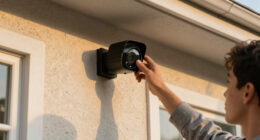
When tracking your personal property, you need to stay within legal boundaries to avoid infringing on privacy rights. This means you can monitor items you own but must get consent if tracking involves others’ property or private spaces. Laws vary by jurisdiction, so understanding local rules about GPS use and data collection is essential. Securing your tracking data and following ethical practices helps prevent legal issues. Keep these considerations in mind to stay compliant—more details are available if you keep exploring.
Key Takeaways
- Obtain proper consent before tracking someone’s personal property, especially in private spaces.
- Comply with jurisdiction-specific laws to avoid privacy violations or legal penalties.
- Limit tracking to lawful purposes like personal use or fleet management, avoiding intrusive methods.
- Ensure data security and transparency about tracking practices to uphold privacy rights.
- Avoid covert or unauthorized monitoring in private areas to prevent legal and ethical breaches.

REOLINK Smart 5MP 8CH Home Security Camera System, 4pcs Wired PoE IP Cameras Outdoor with Person/Pet/Vehicle Detection, 4K 8CH NVR with 2TB HDD for 24-7 Recording, RLK8-520D4-5MP
CAPTURE CRIME FROM DETAILS: Discover potential crime has never been so easier with superior 5MP HD. With advanced...
As an affiliate, we earn on qualifying purchases.
What Are the Legal Limits of Tracking Your Property?

While tracking your personal property can be useful, there are legal limits you must respect. Your ownership rights give you control over how you monitor your belongings, but this control isn’t absolute. Legal compliance is essential to avoid infringing on others’ rights or privacy. For example, you can track your car or belongings on your property without issue, but using tracking devices in public spaces or on someone else’s property without permission may violate laws. It’s your responsibility to ensure your tracking methods do not infringe on privacy rights or cross legal boundaries. Staying informed about local laws helps you respect ownership rights and avoid potential legal trouble. Proper understanding of home security technology and its legal boundaries can help you stay compliant and effective in monitoring your property, especially when considering the use of tracking devices in various environments. Additionally, understanding the privacy implications associated with different tracking methods can help you make informed decisions that align with legal standards.

REOLINK 8CH 5MP Home Security Camera System, 6pcs Wired Outdoor PoE IP Cameras with Person/Vehicle/Pet Detection, 4K/8MP 8CH NVR with 2TB HDD for 24-7 Recording, RLK8-410B6-5MP
5MP SUPER HD & STUNNING NIGHT VISION: Capture crystal clear videos day & night with 5MP super HD...
As an affiliate, we earn on qualifying purchases.
How Do Privacy Laws Affect Your Property Monitoring Rights?

Privacy laws set clear rules about how and when you can monitor property, ensuring individuals’ rights are protected. You need to obtain consent before tracking someone’s personal property, especially in private spaces. Understanding legal limits on surveillance helps you stay compliant and avoid potential violations. Additionally, being aware of vetted wave and wind considerations can help you implement monitoring strategies responsibly. Being informed about relevant privacy regulations ensures that your property monitoring remains legal and respectful of others’ rights. Recognizing the electric power generation capabilities of devices like bike generators can also influence how you approach sustainable monitoring methods. Moreover, understanding cybersecurity challenges associated with monitoring devices is vital to protect against hacking and unauthorized access. Awareness of passive voice detection tools can further enhance the clarity and professionalism of your documentation.
Privacy Laws Overview
Understanding how privacy laws impact your property monitoring rights is essential before installing any tracking devices. These laws prioritize digital privacy and data protection, meaning you must be cautious about how you collect and use information. For example, tracking personal property without explicit consent can violate privacy rights, especially if the data captures nearby individuals’ activities. Laws vary by jurisdiction, but generally, you can’t monitor or record someone else’s property or personal data without legal authorization. Ensuring compliance means understanding these legal boundaries and respecting others’ privacy rights. Staying informed about digital privacy and data protection regulations helps you avoid legal issues and safeguards your legitimate property interests. Additionally, being aware of privacy law coverage ensures that information used in your monitoring practices is credible and legally defensible. It is also important to stay updated on support for privacy laws, as legal standards can evolve over time to better protect individual rights. Always consider legal advice before implementing any monitoring system, especially when data collection methods are involved. Moreover, understanding the scope of privacy rights can help you identify what is legally permissible when monitoring your property.
Consent Requirements
Before you install any property tracking devices, you need to make certain you have proper consent from those who may be affected. Digital consent is essential to ensure you’re respecting privacy laws and avoiding legal issues. You should obtain clear, informed approval from anyone who might be monitored, whether it’s employees, family members, or others with an interest in the property. Ethical monitoring means being transparent about what is being tracked and why, which helps maintain trust and compliance. Without proper consent, your monitoring efforts could be considered invasive or illegal, risking legal consequences. Always document consent procedures and make sure everyone understands what monitoring entails. In addition, understanding the Gold IRA markets can help inform your decision-making about secure and compliant investments, reinforcing the importance of transparency and proper procedures in all aspects of property and asset management. Proper filtration and pump protection are also crucial to ensure the longevity and efficiency of your monitoring equipment, preventing costly repairs or replacements. Being aware of privacy laws and regulations ensures your property tracking aligns with legal standards and respects individual rights. Additionally, staying informed about Free Floating systems can help you choose the most effective technology for your specific needs. Implementing privacy-compliant monitoring practices not only safeguards individual rights but also enhances your credibility and legal standing. Following these practices ensures your property tracking aligns with legal standards and respects individual rights.
Legal Surveillance Limits
Legal surveillance limits are set by a complex framework of privacy laws designed to protect individuals’ rights while allowing property monitoring under specific circumstances. When using surveillance equipment, you must guarantee legal compliance to avoid infringing on privacy rights. Laws vary by jurisdiction but generally prohibit covert monitoring of private spaces without consent. Public areas typically offer more leeway, but even then, avoid intrusive methods that could be deemed invasive. You should also be aware of restrictions related to audio recording and data collection. Understanding these limits helps you stay within legal boundaries and protects you from potential legal consequences. By following privacy laws carefully, you ensure that your property monitoring efforts are lawful and respectful of individual rights. Additionally, familiarizing yourself with surveillance regulations can help you better navigate the legal landscape and avoid inadvertent violations. It’s also important to stay updated on privacy law changes that may impact your monitoring practices over time. Being aware of legal surveillance limits can help you make informed decisions and prevent legal disputes related to property monitoring. Regularly reviewing local laws ensures your surveillance practices remain compliant with current legal standards.

2K Security Camera System, 5GHz&2.4GHz WiFi Solar Wireless Cameras for Home Security, Wire-free Installation, AI Detection, Two-way Audio, Mobile alerts, SD/Cloud Storage, Color Night Vision, 4 Packs
100% Wireless Solar & Battery Powered: Enjoy true wireless installation with no outlets or messy cables. The detachable...
As an affiliate, we earn on qualifying purchases.
When Is Using GPS on Personal Items Legally Allowed?
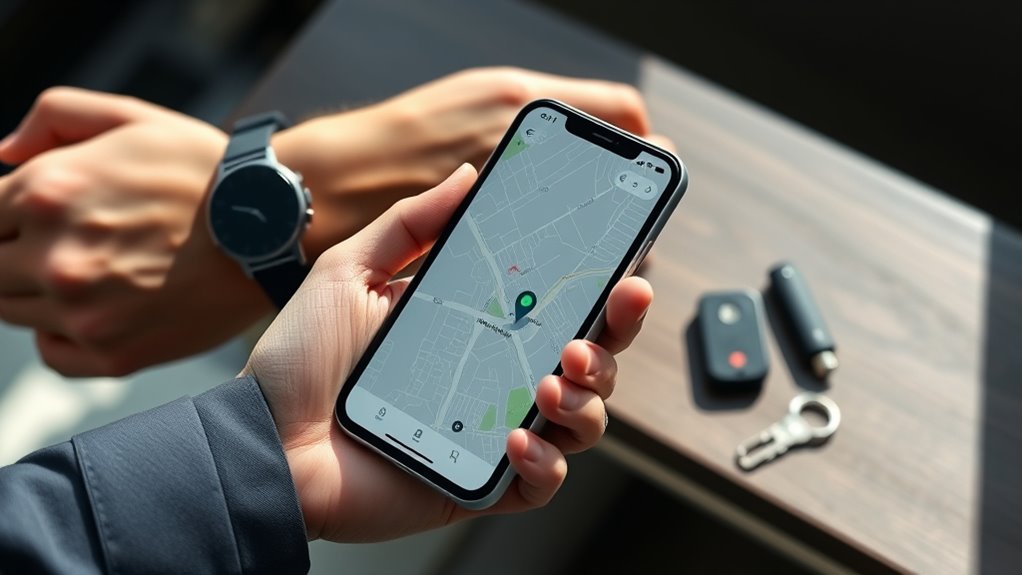
You need to understand that consent requirements vary depending on your location and situation, so always check local laws before using GPS on personal items. State laws can differ notably, affecting when and how you can track someone’s property legally. Additionally, workplace tracking has specific limits that you should follow to avoid legal issues.
Consent Requirements Vary
The legality of using GPS on personal items largely depends on obtaining proper consent from the individual or entity in possession of the property. Consent necessity varies based on jurisdiction and specific circumstances, making it essential to understand legal boundaries. In some cases, explicit permission is required, especially if the tracking involves another person’s property or privacy rights. Without clear consent, using GPS can be considered trespassing or invasion of privacy. You must ensure that your actions stay within the limits set by law, and avoid assuming consent where it hasn’t been explicitly granted. Recognizing when consent is needed helps protect you from legal repercussions and respects personal rights, ensuring your tracking activities remain lawful and ethically sound.
State Laws Differ
Have you ever wondered how state laws impact the legality of using GPS on personal items? The answer depends on your state’s regulations, which can vary considerably. Some states have clear legal boundaries that allow tracking if you own the item or have permission, while others impose restrictions to protect privacy. For example, certain states may prohibit tracking without explicit consent, even for your own property if it involves third parties. It’s essential to understand your local laws before using GPS devices, as violations can lead to legal consequences. Always research your state’s specific regulations to guarantee you’re staying within legal boundaries. Ignoring these differences can inadvertently result in privacy violations or legal disputes.
Workplace Tracking Limits
When it comes to tracking personal items in the workplace, legal boundaries depend on the context and ownership of the items. If you’re an employer considering GPS tracking, you must balance your rights with employee privacy. Generally, employer rights allow tracking of company-owned property, but using GPS on personal items raises concerns about invasion of privacy. You should clearly inform employees about any tracking policies and obtain consent when tracking personal belongings. Laws often restrict covert tracking and require that monitoring is reasonable and for legitimate business reasons. Remember, employees have a right to privacy in their personal property, especially if the items are not owned by the company. Respecting these limits helps prevent legal issues and maintains trust in the workplace.

ANSQUE Security Cameras Wireless Outdoor Home System, 4 Camera Kit, No Subscription Fees, Solar Powered, Local Storage, 365-Day Battery Life, 360°PTZ Surveillance, Auto Tracking, 2K Color Night Vision
No Subscription Fees, Secure Local Storage: AnsqueBase features built-in 32GB local storage with up to 120 days of...
As an affiliate, we earn on qualifying purchases.
How Can You Legally Avoid Privacy Infringements?

To legally avoid privacy infringements when tracking personal property, it’s essential to understand and comply with relevant laws and regulations. Implementing privacy safeguards, such as limiting data collection to necessary information and securing data properly, helps protect individual rights. Ethical monitoring involves transparently informing owners or users about tracking practices and obtaining consent when required. Avoid invasive methods that could violate privacy expectations, and stay updated on legal standards to prevent violations. By prioritizing transparency and respecting privacy boundaries, you reduce the risk of legal issues and build trust. Remember, responsible tracking not only complies with laws but also demonstrates respect for personal privacy, ultimately supporting lawful and ethical monitoring practices.
What Are the Rules for Vehicle Tracking and Data Collection?

Vehicle tracking and data collection are regulated by a combination of federal, state, and local laws designed to protect individuals’ privacy rights. When you engage in vehicle tracking, you need to understand that collecting data without proper consent can lead to legal issues. Generally, you must have clear authorization before installing tracking devices or gathering data about a vehicle’s location. Laws often require that tracking activities are limited to legitimate purposes, such as fleet management or personal use, and that the data collected is kept secure. It’s vital to avoid invasive tracking methods that could infringe on privacy rights. Always stay informed about applicable laws in your jurisdiction to ensure your vehicle tracking and data collection practices remain lawful.
How Can You Keep Your Tracking Data Secure and Private?

Securing your tracking data is essential to prevent unauthorized access and protect individuals’ privacy. One effective method is using encryption techniques to safeguard data both in transit and at rest, ensuring that only authorized parties can access it. Implementing strong encryption algorithms makes it difficult for hackers to decipher your information. Additionally, data anonymization helps protect privacy by removing or masking personally identifiable information, making it less vulnerable if a breach occurs. Regularly updating security protocols and limiting access to sensitive data also reduce risks. Combining encryption techniques with data anonymization creates a robust defense system, ensuring your tracking data remains private and secure while complying with legal standards. Staying vigilant and proactive helps maintain trust and avoids potential legal complications.
What Penalties Might You Face for Illegal Property Surveillance?

Engaging in illegal property surveillance can lead to serious legal consequences that vary depending on your jurisdiction. If caught, you could face criminal charges, fines, or even jail time. Authorities often track Digital Footprints, such as surveillance technology usage, to identify unauthorized monitoring. Using surveillance technology without proper consent or legal authority can violate privacy laws, resulting in lawsuits or penalties. Penalties may also include orders to cease surveillance activities, confiscation of equipment, or mandatory damages for invasion of privacy. The severity of these penalties emphasizes the importance of understanding and respecting legal boundaries when monitoring property. Violating these laws not only risks legal repercussions but also damages your reputation and trustworthiness. Always ascertain your surveillance practices comply with local laws to avoid these serious penalties.
How to Track Your Property Legally and Ethically

To stay within legal boundaries while tracking your property, it’s important to understand and follow the laws that govern surveillance activities. Respect property ownership rights and ensure you have permission if needed. Always consider ethical considerations; intrusive or excessive monitoring can violate privacy rights. Use tracking methods that are transparent and lawful, such as security cameras on your property or GPS devices you own. Avoid invasive techniques like recording inside other people’s private spaces without consent. Familiarize yourself with local, state, and federal regulations related to property surveillance. By doing so, you protect yourself from legal repercussions and uphold ethical standards. Responsible tracking not only keeps you compliant but also respects the privacy and rights of others involved.
Frequently Asked Questions
Can I Track a Coworker’s Property Without Their Consent?
You can’t track a coworker’s property without their consent, as workplace privacy laws and employee monitoring regulations protect individual rights. Doing so could violate privacy policies and lead to legal issues. Instead, verify you have proper authorization and follow company guidelines. Respect your coworker’s privacy, avoid unauthorized monitoring, and always seek permission before tracking any personal property to stay compliant with legal standards.
Are There Specific Laws for Tracking Property in Public Versus Private Spaces?
Yes, there are specific laws for tracking property in public versus private spaces. In public property, laws generally allow tracking if it’s for safety or security reasons, but you must still respect privacy rights. In private spaces, you need explicit consent to track or monitor property, as privacy laws are stricter. Always consider local regulations and seek legal advice to avoid infringing on privacy rights when tracking property in either space.
What Are the Consequences of Unknowingly Violating Tracking Laws?
Investigating the common belief that unintentional violations have minimal consequences reveals they can lead to serious privacy breaches and legal penalties. If you unknowingly violate tracking laws, you risk fines, lawsuits, or criminal charges, especially if personal data is involved. These consequences highlight the importance of understanding and complying with tracking regulations to protect privacy rights and avoid costly legal issues. Always stay informed to prevent unintentional violations.
Is It Legal to Track Children’s Belongings or School Property?
Tracking children’s belongings or school property is generally legal if you respect privacy concerns and obtain the necessary consent. You should clearly communicate your intentions and ensure you follow any consent requirements set by school policies or local laws. Always prioritize your child’s privacy and avoid invasive methods. Being transparent helps you avoid legal issues and maintains trust, making sure you’re compliant with privacy regulations and respecting their rights.
How Do International Laws Impact Cross-Border Property Tracking?
Sure, international laws make tracking cross-border property as simple as maneuvering a maze, right? In reality, you must ensure jurisdictional compliance and adhere to cross border regulations, which vary wildly. You might think tracking is straightforward, but border laws and international agreements complicate things. So, when you track property across countries, you’re juggling legal hoops designed to keep your efforts in check and compliant with global standards.
Conclusion
By understanding the legal boundaries, you can navigate the landscape of property tracking without crossing into danger. Picture your belongings safely under your watchful eye, like stars guiding your way through the night. When you follow the rules and respect privacy laws, you ensure your tracking journey stays clear and secure. Keep your data locked tight, and your property’s safety becomes a beacon, shining bright without shadows of legal risk.