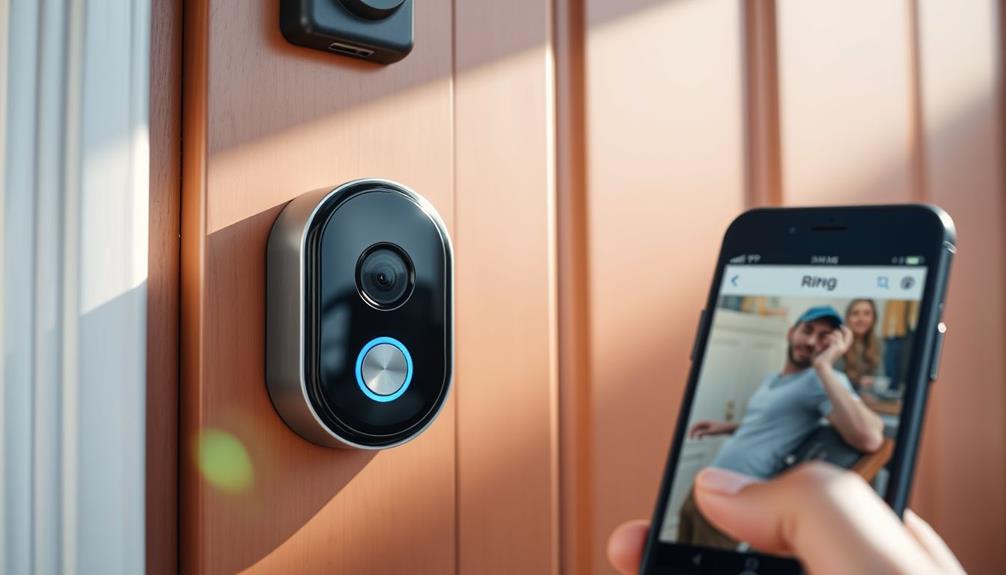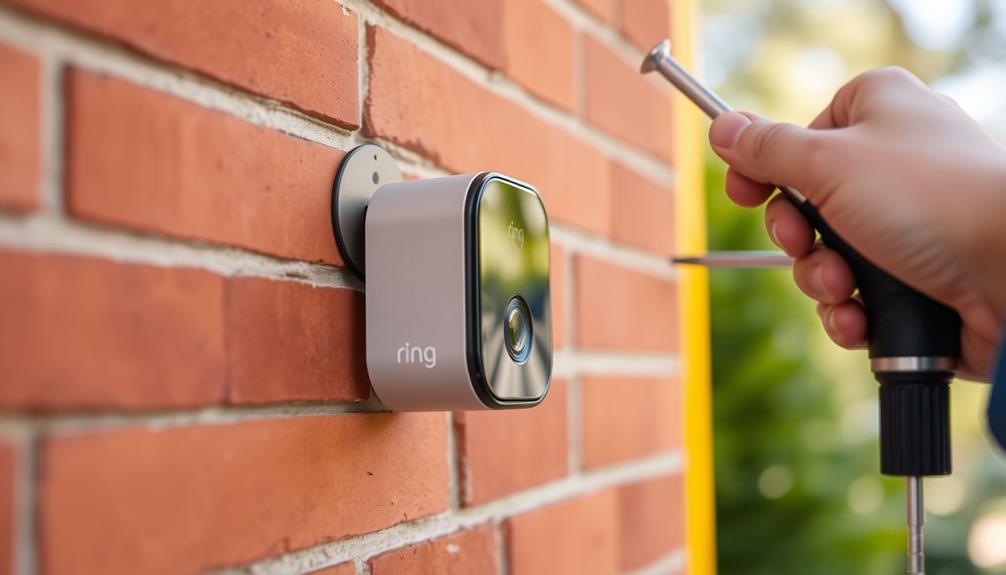
To customize your Ring’s Smart Alerts for real-world use, start by setting notifications based on your schedule and specific zones. Adjust motion sensitivity and enable person detection to prevent false alarms. Use activity zones to focus on important areas and create alert rules for key people or events. Manage notifications across devices to avoid overload. If you want to learn how to fine-tune these settings further, stay with us for helpful tips.
Key Takeaways
- Use the Ring app to customize notification settings based on motion zones, times, and event types for relevant alerts.
- Adjust motion sensitivity and enable person detection to filter out false alarms and focus on important activities.
- Create specific alert rules for different devices, contacts, or events to streamline notifications.
- Schedule alerts during relevant periods, such as work hours or late nights, to minimize unnecessary notifications.
- Manage privacy settings and activity zones to ensure notifications are relevant and protect user data.

REOLINK Smart 5MP 8CH Home Security Camera System, 4pcs Wired PoE IP Cameras Outdoor with Person/Pet/Vehicle Detection, 4K 8CH NVR with 2TB HDD for 24-7 Recording, RLK8-520D4-5MP
CAPTURE CRIME FROM DETAILS: Discover potential crime has never been so easier with superior 5MP HD. With advanced...
As an affiliate, we earn on qualifying purchases.
Understanding Ring’s Smart Alerts and Their Benefits
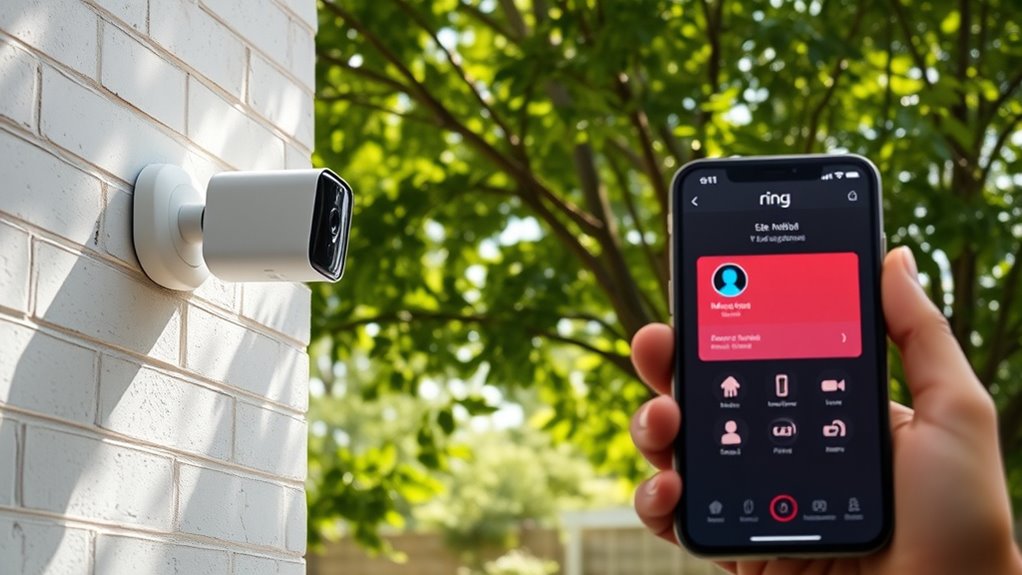
Understanding Ring’s smart alerts is essential to maximizing your home security. These alerts notify you instantly about activity around your property, helping you respond quickly. They’re customizable, so you can filter notifications based on motion zones or specific times, reducing false alarms. However, privacy concerns can arise if you’re worried about data sharing or unauthorized access. Ring employs data encryption to protect your video feeds and alert information, ensuring your data stays secure. This encryption minimizes the risk of hackers intercepting sensitive footage or notifications. Additionally, being aware of security measures helps you understand how your data is protected and what steps you can take to further enhance your privacy. By understanding how these alerts work and the security measures in place, you can confidently rely on Ring’s system to enhance your safety without compromising your privacy. Proper knowledge helps you make informed decisions about your home security setup.

4CH 1080P Wired Security Camera System, AIWIXEN CCTV DVR with 512GB Hard Drive, 4 x Home Surveillance IP68 Waterproof Security Cameras with Human Vehicle Detection, Remote Access, 24-7 Recording
Pre-installed 512GB HDD: 24/7 recording provides protection for the places you value. Each camera can be configured with...
As an affiliate, we earn on qualifying purchases.
Setting Up Customized Notifications Based on Your Schedule
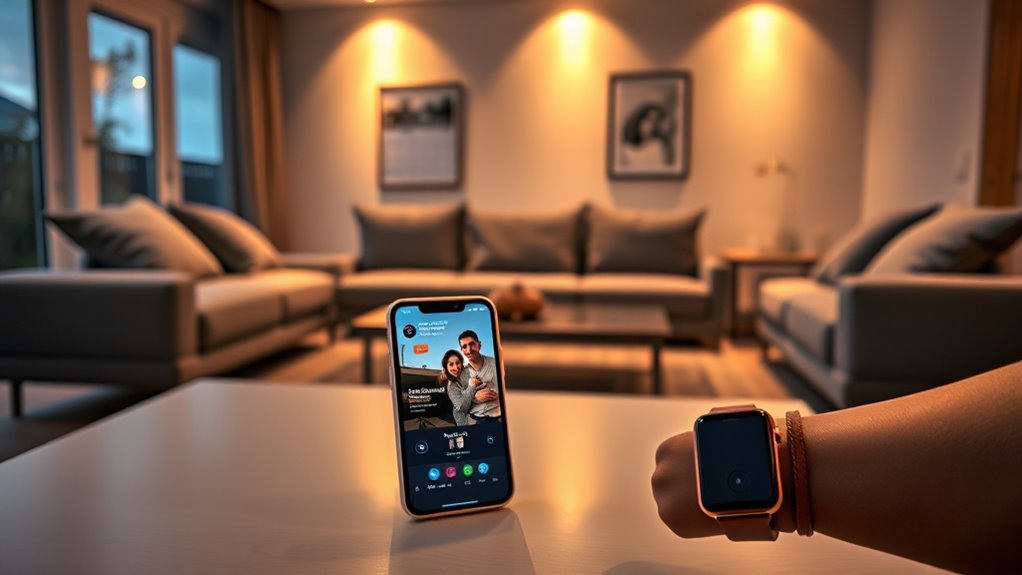
Once you’ve familiarized yourself with how Ring’s smart alerts operate and the benefits they offer, the next step is to tailor these notifications to fit your daily routine. Setting up a custom notification schedule is simple with schedule integration features. You can specify when you want alerts to be active or muted, such as during work hours or late at night. To do this, access the Ring app, navigate to your device settings, and find the notification options. From there, you can create a tailored schedule, ensuring you only receive alerts when relevant. This customization helps reduce unnecessary alerts and keeps you focused during busy times. With schedule integration, your notifications become more effective and aligned with your daily life. Incorporating holistic approaches to health and wellness can further enhance your overall sense of well-being by supporting mental and emotional balance.

Hiseeu 3K PTZ Wired Security Camera System Outdoor with Color Night Vision,Audio,8 x 5MP IP67 CCTV Cameras,5MP DVR 8CH,3TB HDD,360°Coverage,Person/Vehicle Detection,Alarm Spotlight,24/7 Recording
【360° Surveillance & Dual Control Security System】Flexibility 355° Pan + 90° Tilt Coverage - Eliminate blind spots with...
As an affiliate, we earn on qualifying purchases.
Filtering Unwanted Alerts to Reduce False Alarms
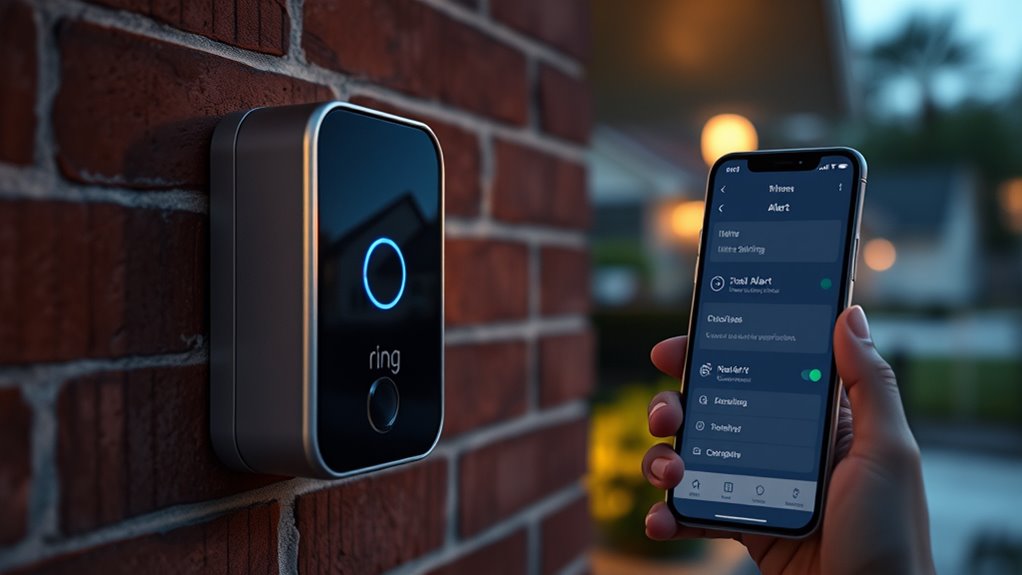
To minimize false alarms, you can adjust the motion sensitivity settings so your camera only alerts you to significant movement. Using the person detection mode helps filter out animals, vehicles, and other non-human activity. These adjustments guarantee you receive alerts that truly matter, reducing unnecessary notifications.
Adjust Motion Sensitivity
Adjusting the motion sensitivity on your Ring device helps minimize false alarms caused by passing cars, trees swaying, or other non-threat movements. By fine-tuning this setting, you enhance your alert customization, ensuring you only receive notifications for genuine activity. Lower sensitivity reduces minor movements, while higher sensitivity detects subtle motion. Properly adjusting sensitivity can also prevent unnecessary notification overload, making your alerts smarter and more reliable.
| Less Sensitive | More Sensitive |
|---|---|
| Avoids false alarms | Detects all movement |
| Misses distant activity | May trigger on small motions |
| Suitable for busy streets | Good for quiet areas |
| Reduces notifications | Increases alerts |
| Ideal for minimizing disruptions | Ensures no activity is missed |
Use Person Detection Mode
Using Person Detection Mode on your Ring device helps you filter out unwanted alerts by focusing only on human activity. This feature reduces false alarms caused by animals, moving objects, or weather. By setting your camera to detect people specifically, you’ll receive more relevant notifications, saving you time and minimizing distractions. Additionally, employing accurate detection technology ensures better image quality and more precise alerts, which is essential for effective monitoring. However, some users may have privacy concerns, wondering if this mode compromises their data. Rest assured, Ring’s technology is designed with privacy in mind, and you can customize settings to balance security and privacy. If you experience troubleshooting notifications or inconsistent alerts, ensure Person Detection Mode is enabled correctly. This targeted approach helps you stay informed without unnecessary interruptions, making your Ring device more effective and user-friendly.

ANNKE 3K Lite Wired Security Camera System Outdoor with AI Human/Vehicle Detection, 8CH H.265+ DVR and 8 x 1920TVL 2MP IP67 Home CCTV Cameras with Smart Dual Light, Color Night Vision, 1TB Hard Drive
AI Motion Detection 2.0 – Driving AI to the next level, human&vehicle detection and flexible detection area are...
As an affiliate, we earn on qualifying purchases.
Using Motion Zones for Precise Monitoring
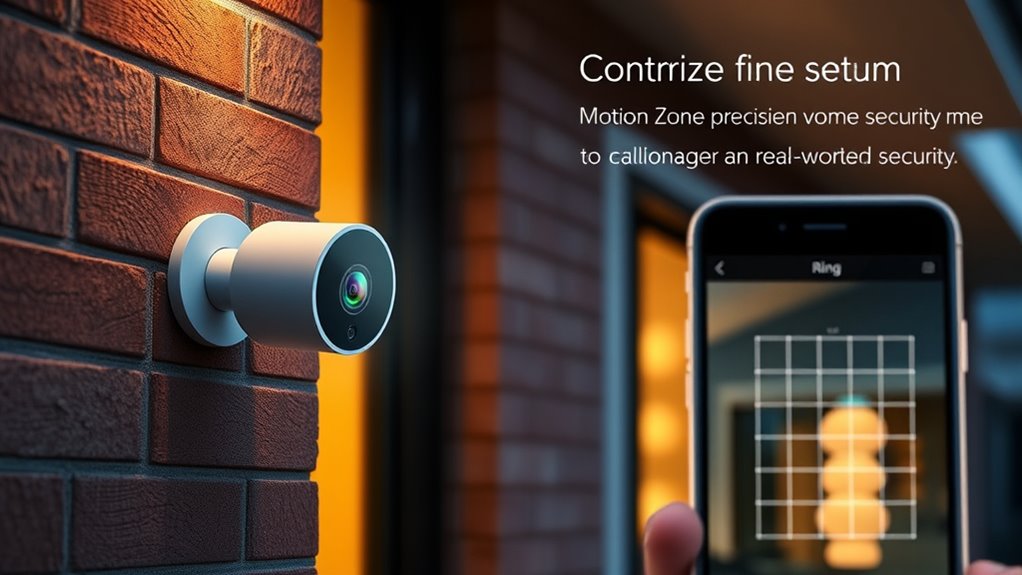
By setting up motion zones, you can focus your Ring’s alerts on specific areas around your property, reducing false notifications caused by passing cars or nearby wildlife. Motion detection becomes more accurate, ensuring you’re only notified about activity that matters. With alert customization, you can tailor these zones to cover driveways, front yards, or back patios, avoiding unnecessary alerts from irrelevant areas. This precise monitoring helps you stay informed without being overwhelmed by false alarms. Adjusting motion zones is quick and straightforward, giving you control over what triggers alerts. By honing in on key areas, you improve your Ring’s effectiveness, making your notifications smarter and more relevant to your real-world needs. Incorporating smart alert settings enables even more efficient monitoring tailored to your specific security concerns.
Creating Alert Rules for Specific Events and People
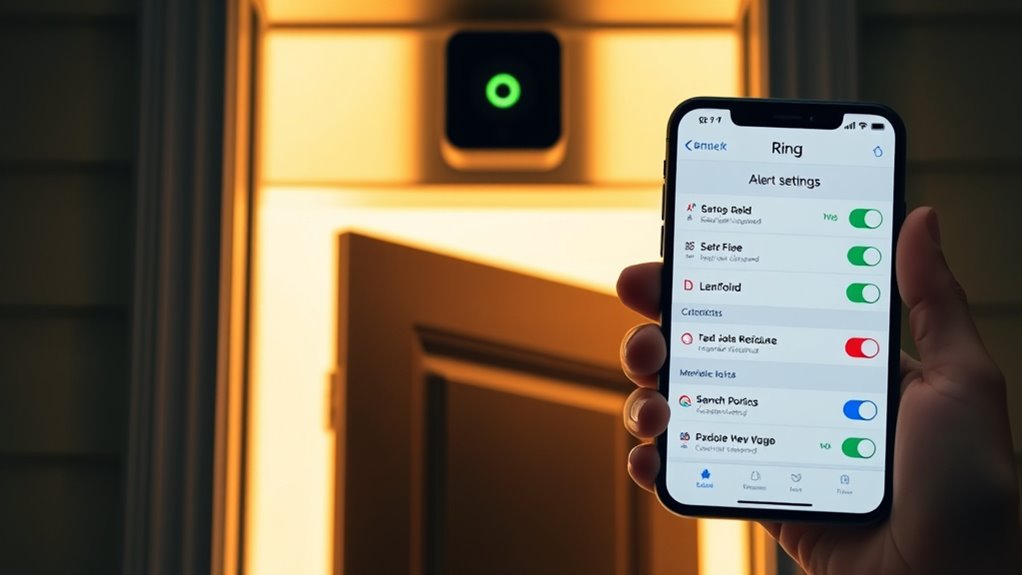
You can create alert rules that focus on specific events and people to bolster your security. Start by defining clear alert triggers, like motion or person detection, and select the contacts you want to notify. Then, fine-tune your notification settings to make certain you receive alerts exactly when and how you want. Additionally, configuring Ring’s alert rules allows you to customize notifications based on various conditions, enhancing your response efficiency.
Defining Alert Triggers
To effectively monitor your home, you need to set precise alert triggers that respond to specific events and people. Start by calibrating your sensors properly to ensure accurate detection, which minimizes false alerts. When defining alert triggers, consider the sensor calibration to improve reliability. Set the alert frequency to prevent notification overload, balancing promptness with practicality. For example, you can configure your system to only alert you for motion during certain hours or when specific doors are opened. Focus on creating rules that target the most relevant events, such as package deliveries or unknown visitors. Clear, targeted triggers help you stay informed without constant interruptions, making your Ring system more effective and tailored to your lifestyle. Additionally, incorporating appropriate decor elements can create a more welcoming environment that makes your monitoring experience more comfortable.
Selecting Specific Contacts
Selecting specific contacts allows you to tailor your alert notifications to the people who matter most, making certain you’re only notified about relevant events. With contact prioritization, you can assign different alert levels based on who’s reaching out, so urgent calls stand out. Tag customization helps you categorize contacts, making it easier to set rules for specific groups or individuals. For example, you might create a rule that alerts you immediately when a family member calls but silences non-urgent contacts. By selecting and customizing contacts, you ensure your notifications are meaningful, reducing unnecessary distractions. This focused approach helps you stay informed about key people without being overwhelmed by less important alerts, giving you more control over your Ring’s smart notification system. Additionally, understanding the types of cookies used in related apps can help you manage your privacy preferences effectively.
Fine-tuning Notification Settings
Building on your contact customization, fine-tuning notification settings lets you create specific alert rules for different events and individuals. You can customize how and when you receive alerts by adjusting battery optimization features to extend device life without missing important notifications. For example, you might turn off alerts during low-battery situations or when your device is conserving power. Additionally, privacy settings allow you to control who can send alerts and what information they see, ensuring your notifications stay private. Setting up these rules helps you avoid unnecessary alerts while staying informed about critical events. By tailoring your notification preferences, you can focus on what matters most, reduce distractions, and maintain control over your Ring device’s alerts. Incorporating battery optimization strategies can significantly improve your device’s performance and longevity.
Tips for Managing Multiple Devices and Notifications
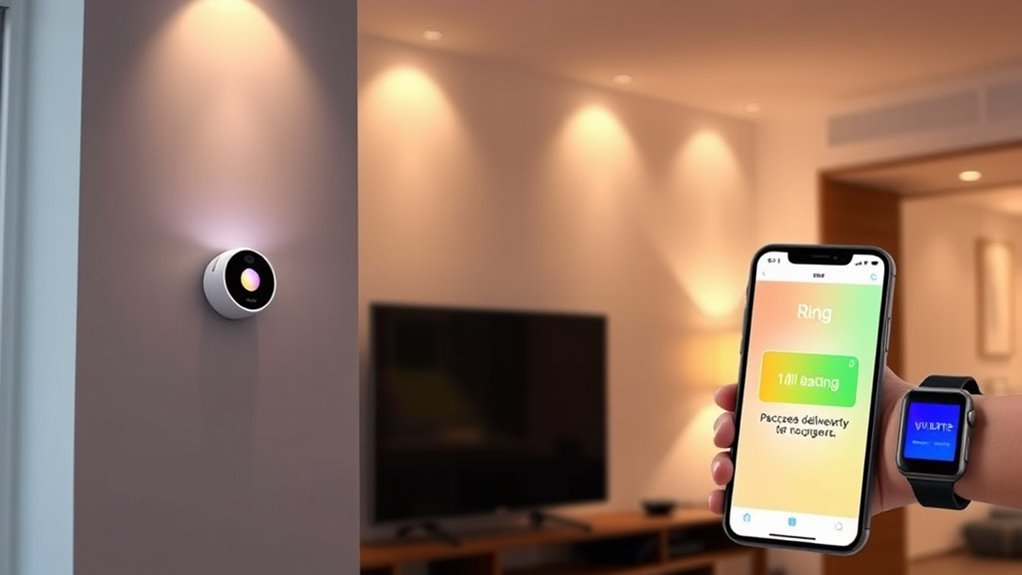
Managing multiple devices and notifications can quickly become overwhelming, but with the right strategies, you can stay organized and avoid missing important alerts. Start by consolidating device management through device integration, which streamlines notifications across your Ring setup. Prioritize alerts based on importance, and customize notification settings for each device to reduce noise. Be mindful of privacy considerations; only enable alerts that don’t compromise your privacy. Use the table below to help you manage your devices efficiently:
| Device Type | Tips for Managing Notifications |
|---|---|
| Cameras | Set activity zones to reduce false alerts |
| Doorbells | Customize alerts for visitors or packages |
| Motion Sensors | Schedule alerts during specific hours |
| Indoor Cameras | Limit notifications to essential events |
| App Settings | Enable Do Not Disturb when needed |
This approach helps maintain a balance between staying informed and protecting your privacy.
Frequently Asked Questions
How Secure Are Ring’S Notification Settings From Hacking?
You might wonder how secure Ring’s notification settings are from hacking. While Ring uses encryption protocols to protect your data and access controls to restrict unauthorized entry, no system is entirely invulnerable. To enhance security, verify you keep your app and device software updated, use strong, unique passwords, and enable two-factor authentication. These steps help safeguard your notifications and maintain your privacy against potential hacking threats.
Can I Customize Alerts for Different Household Members?
They say, “A chain is only as strong as its weakest link.” You can definitely customize alerts for different household members with Ring. This multi-user customization allows you to set personalized alerts, so everyone receives relevant notifications. By doing so, you guarantee that each person gets timely updates based on their needs and schedules, making your home security more efficient and tailored to your household’s unique dynamics.
What’S the Battery Impact of Frequent Notifications?
Frequent notifications can cause some battery drain on your device, but the impact depends on the notification frequency and your device’s battery health. When you get lots of alerts, your device works harder to send and process them, which uses more power. To minimize battery drain, consider adjusting notification settings or reducing how often alerts pop up. This way, you keep your device running longer while staying informed.
Are There Language Options for Alert Alerts?
You might wonder if alert language options are available. The good news is that Ring offers multilingual support, allowing you to customize alert language to fit your needs. You can easily set your preferred language through the app’s settings, ensuring notifications are clear and understandable. This feature helps you stay connected and informed in your preferred language, making your Ring experience more personalized and user-friendly.
How Do Notifications Work During Power Outages?
During power outages, notifications may not work if your device relies solely on power. However, if you have a solar backup, your Ring device can stay powered and continue sending alerts. You can also use notification scheduling to control when you receive alerts, reducing unnecessary notifications during outages. Make certain your solar backup is properly set up to guarantee continuous operation and reliable notifications even when the power’s out.
Conclusion
With Ring’s smart alerts, you hold the key to turning your notifications into a well-choreographed dance, only ringing when it truly matters. By customizing, filtering, and setting precise rules, you’ll keep false alarms at bay and stay in control. Think of it like tuning a guitar—you’ll get the perfect sound without the noise. Now, you’re ready to enjoy peace of mind, knowing your alerts hit the right note every time.