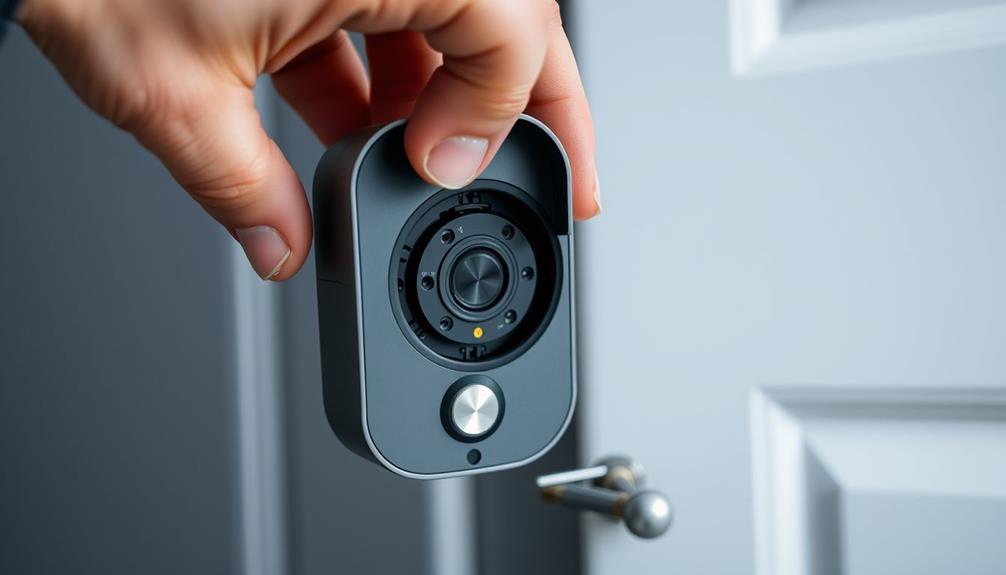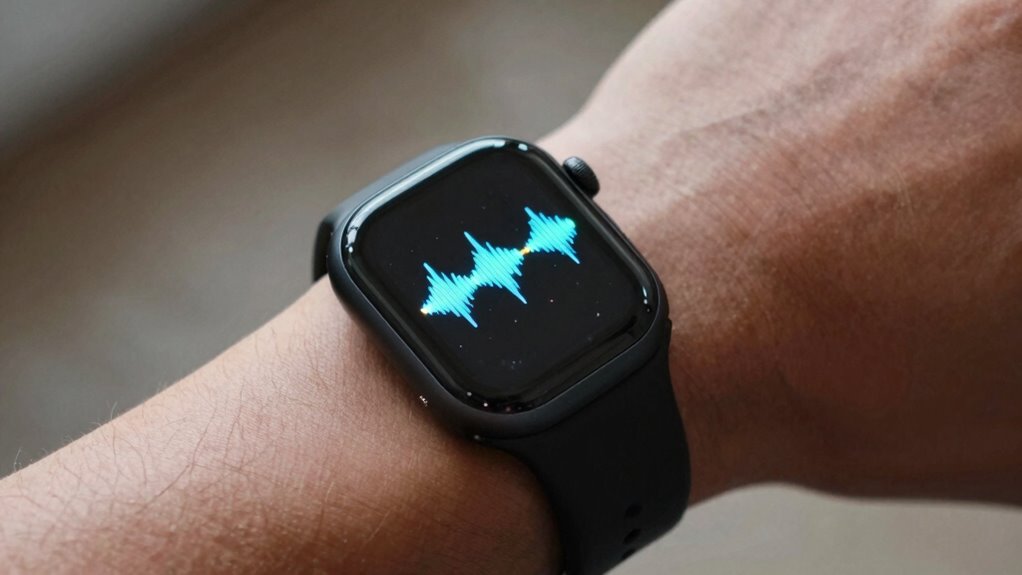
To quickly check if your ring is recording properly, make sure it’s fully charged and within Wi-Fi range. Perform a brief activity or sleep as you normally would, then check the app for accurate timestamps and data. Trigger a quick motion or sound to see if it captures properly. Keep environmental noise minimal and ensure the device fits snugly. For detailed steps and tips, keep reading to guarantee your device works reliably over time.
Key Takeaways
- Trigger a brief event or movement while wearing the Ring and review the app for corresponding activity or video recordings.
- Ensure the device is fully charged and within Wi-Fi range before testing to prevent recording disruptions.
- Verify app permissions for microphone, camera, and storage are properly granted in device settings.
- Check that the Ring firmware and app are up-to-date to avoid compatibility issues affecting recordings.
- Confirm the Ring fits snugly and is positioned correctly to ensure accurate motion detection and recording.
Why Verifying Your Ring’s Data Matters for Your Health

Verifying your Ring’s data is crucial because it guarantees the health information you depend on is accurate. Accurate data is essential for effective health monitoring, helping you track vital signs like heart rate, sleep patterns, and activity levels. If your Ring isn’t recording properly or providing false readings, you might make decisions based on incorrect information, which could impact your health. Ensuring data accuracy means you can trust the insights your device offers and stay proactive about your wellness. Regularly verifying your Ring’s data isn’t just about device performance; it’s about safeguarding your health. When you confirm your Ring records correctly, you gain confidence in your health monitoring, making it easier to identify issues early and stay on top of your fitness goals. Incorporating local automation features can help improve device performance and data accuracy by ensuring your system functions seamlessly within your environment. Additionally, understanding how contrast ratio affects image quality can aid in optimizing the display settings of your connected devices for clearer health data visualization. Regular data validation procedures are also important to detect potential discrepancies and maintain the reliability of your health information, especially as device sensors can sometimes drift over time or encounter calibration issues. Furthermore, staying informed about sensor calibration best practices can help maintain the accuracy of your health data over the long term.
How to Prepare Your Ring and Environment for Testing
Before testing your Ring, it’s important to prepare both the device and your environment to guarantee accurate results. Start by checking the battery health; a low battery can affect recording performance, so ensure it’s fully charged or properly powered. Next, verify that your Ring has the latest firmware updates installed—outdated firmware can cause glitches or recording issues. Additionally, clear your testing area of distractions or noise, and ensure proper lighting to accurately assess the device’s recording capability. Confirm that your Wi-Fi connection is stable, as poor connectivity can impair data transmission. Regular maintenance and environmental checks are essential for optimal performance, especially considering the importance of reliable Piercings-Body and security devices. Performing routine device calibration can help identify potential issues before testing. Taking these steps ensures your Ring is in prime condition and ready for an accurate test, giving you confidence that it’s functioning correctly and recording as intended.
How to Perform a Quick Test to Check Your Ring’s Recording
To quickly check if your Ring is recording properly, start by triggering an event that should activate its recording feature, such as a period of sleep tracking or activity monitoring. Wear your Ring during a routine activity or sleep period to see if it captures the data accurately. Check the app afterward to confirm that the recent activity appears correctly, noting timestamps and details. For sleep tracking, guarantee the Ring registers your sleep start and end times. For activity monitoring, verify it records your steps or movement. If the data isn’t present or seems incorrect, review your device’s connection, update the app, or restart your Ring. This quick test helps guarantee your Ring is actively recording essential data without needing a full review. Additionally, considering European cloud servers can enhance your data security and ensure reliable storage of your activity records. Regularly reviewing your device’s firmware updates can also help maintain optimal recording performance. To further improve reliability, ensure your device is within range of your Wi-Fi network for consistent data transfer. You might also consider testing your device’s sensors periodically to confirm they are functioning correctly and capturing data accurately.
How to Read and Interpret Your Ring’s Test Results

Once you’ve performed the quick test to guarantee your Ring is recording correctly, understanding how to read and interpret the results becomes straightforward. Check the recording duration to confirm it aligns with your expected ring comfort and activity level. If the data shows consistent movement and sleep patterns, your battery life is likely sufficient, and the device is functioning properly. Look for gaps or irregularities that might indicate the ring isn’t recording correctly, which could affect comfort or cause missed activity. Also, note the battery indicator; a low battery can impact recording quality. Clear, accurate data suggests your ring is working well, while discrepancies may signal a need to adjust device settings or charge the device to maintain optimal recording performance. Regularly monitoring device performance can help ensure your ring continues to record accurately over time, especially as you incorporate connected fitness technology into your routine.
Troubleshooting Common Recording Issues and What to Do Next

If your recordings aren’t working properly, start by checking that your device has power and is turned on. Then, make sure the app has all the necessary permissions to operate correctly. Finally, test the recording function to identify if the issue persists or if further troubleshooting is needed. Considering vetted wave and wind conditions can also be crucial if your device relies on external factors like sound or environmental conditions to record accurately. Additionally, understanding drone safety tips can help prevent issues related to environmental interference or user error. To ensure your equipment is suitable for outdoor or rugged environments, review the best Dometic fridges for camping, which are designed to withstand outdoor conditions and can provide insight into durable, reliable technology. When preparing for outdoor recording, selecting weather-resistant gear can make a significant difference in maintaining functionality in challenging conditions. Moreover, ensuring your device is compatible with home automation systems can streamline troubleshooting and improve overall recording reliability in smart home setups.
Check Device Power
Power issues are a common culprit when your ring recording isn’t working properly. To troubleshoot, start with device maintenance by checking the battery life. A low or dead battery can prevent your device from recording correctly. Make certain your ring is fully charged or replace the batteries if needed. Regularly maintaining your device helps prevent power-related problems and keeps it functioning at its best. If your device isn’t powering on, try a soft reset or reconnect it to power sources to see if that restores functionality. Don’t forget to inspect the charging contacts for dirt or damage, as these can affect charging efficiency. Keeping your device’s power source in good condition is a simple but essential step to guarantee your recordings are captured without interruption. Proper airflow around the device can also help prevent overheating and ensure consistent operation.
Confirm App Permissions
Have you checked whether the app has the necessary permissions to access your device’s microphone, camera, and storage? If not, your recordings might not save properly. Verify app permissions in your device settings to ensure everything’s enabled. Sometimes, a device’s compatibility can interfere with permissions, causing recording issues. To visualize:
| App Permissions Needed | Device Compatibility Concerns |
|---|---|
| Microphone access grant | Outdated OS may block permissions |
| Camera access approval | Hardware limitations affect recording |
| Storage permission | App version compatibility issues |
| Background activity allowed | Conflicting apps may interfere |
Make sure permissions are granted, and your device meets the app’s requirements. This simple check often resolves recording troubles, ensuring your Ring device functions smoothly. Also, device compatibility can influence whether your app functions correctly across different hardware and operating systems.
Test Recording Function
When you suspect your Ring device isn’t recording properly, testing the recording function is a quick and effective troubleshooting step. First, verify your device’s battery is well-maintained; a low battery can affect recording performance. Check that your device is fully charged or has fresh batteries. Next, confirm that your Ring app is up to date, as software updates often include bug fixes and improvements for recording features. To test the recording function, activate the device and make a brief motion or sound that should trigger recording. Review the recorded footage in the app immediately afterward. If the test fails, consider performing a soft reset or re-installing the app. Regularly maintaining your device’s battery and keeping software current helps ensure reliable recording.
Tips for Ensuring Reliable Data Collection Over Time

To guarantee your ring recording remains accurate over time, it’s essential to establish consistent data collection practices. Regular sensor calibration ensures your device maintains precision, preventing drift that can distort readings. Schedule calibration checks periodically, especially after software updates or device impacts. Additionally, maintaining proper data synchronization between your ring and paired devices ensures information is accurately aligned and stored. Always verify that your ring’s firmware is up to date, as updates often include calibration improvements and bug fixes. Avoid skipping these steps, as inconsistent calibration or poor synchronization can lead to unreliable data. By staying proactive with sensor calibration and syncing, you preserve the integrity of your recordings, making your data trustworthy and useful for tracking long-term trends.
Common Mistakes That Can Skew Your Ring’s Readings

A poor fit can cause inaccurate readings, so make sure your ring sits snugly but comfortably. Environmental factors like nearby electronics or metal objects can also interfere with your data. Being aware of these common mistakes helps you get the most reliable results from your device.
Incorrect Fit Causes Errors
An incorrect fit is a common mistake that can markedly skew your Ring’s readings. If your ring size is off, the device may not sit snugly enough or may be too tight, both of which affect fit accuracy. A loose ring can shift during movement, leading to inconsistent data, while a too-tight fit can restrict proper sensor contact and cause errors. Ensuring your ring fits just right is essential for accurate readings. Take the time to measure your ring size carefully and adjust it if needed. Remember, a proper fit enhances sensor contact, minimizes movement, and provides more reliable data. Don’t overlook fit accuracy, as even small deviations can compromise the quality and precision of your ring’s recording performance.
Environmental Interference Risks
Environmental factors can substantially impact your Ring’s accuracy if you’re not careful. Electromagnetic interference from nearby electronics like routers, microwaves, or wireless devices can disrupt the sensor’s signals, leading to skewed readings. Environmental noise, such as loud sounds or vibrations, may also interfere with the ring’s ability to record accurately. These interferences can cause false data or missed events, making it seem like your device isn’t functioning properly. To minimize these risks, keep your Ring away from high-electromagnetic zones and avoid placing it near devices that emit strong signals. Additionally, ensure your environment is quiet and stable during testing. Being aware of these factors helps preserve your Ring’s accuracy and ensures reliable recordings.
When to Contact Support or Reset Your Device for Better Performance
If your Ring device starts acting sluggish, unresponsive, or behaves unpredictably despite troubleshooting, it’s time to contemplate contacting support or performing a reset. Issues like inconsistent recording or delayed alerts may stem from device compatibility problems or data privacy settings that need adjustment. Before resetting, ensure your app and device firmware are up to date. If problems persist, reaching out to support can help diagnose underlying issues, especially if your device is incompatible with your network or other connected devices. Resetting can resolve software glitches but should be a last resort after confirming that your device’s settings align with recommended privacy and compatibility standards. Properly addressing these factors helps maintain peak performance and keeps your data privacy secure.
Frequently Asked Questions
How Often Should I Perform the Quick Test for Accuracy?
You should perform the quick test for accuracy at least once a month to guarantee your sensor calibration remains reliable. Regular testing frequency helps catch any issues early, preventing inaccurate recordings. If you notice inconsistencies or unusual readings, do the test more often until the problem is resolved. Staying proactive with your sensor calibration and testing routine guarantees your device continues to provide precise data whenever you need it.
Can Environmental Factors Affect the Test Results?
Environmental factors can indeed influence your test results, like a noisy symphony drowning out a delicate melody. Sensor interference from nearby electronic devices or ambient noise can disrupt your ring’s ability to record accurately. You might notice inconsistencies if these elements are present. To guarantee the most reliable readings, perform your test in a quiet environment, free from potential interference, so your ring’s true performance shines through clearly.
Is There a Specific Time of Day Best for Testing?
You should perform the test during a consistent time of day, ideally when ambient conditions are stable. Morning or early evening often works best, as temperature and humidity tend to be more predictable then. Avoid testing during extreme weather or rapidly changing conditions, since fluctuations in ambient conditions can affect your device’s accuracy. This consistency helps make certain your Ring records reliably and your test results are accurate.
What Signs Indicate My Ring Needs Recalibration?
Did you know that most wearable sensors experience drift over time? If your ring’s readings seem inconsistent, such as sudden jumps or persistent errors, it’s a sign it needs recalibration. Regular calibration reduces sensor drift and keeps data accurate. Usually, every few months is enough, but if you notice inaccuracies, increase your calibration frequency. Stay vigilant, and your ring will continue providing reliable insights.
Can I Test My Ring Using a Different Device?
Yes, you can test your ring using a different device for alternative testing. Just make certain the new device is compatible with your ring’s app and features. Download the app on the alternative device, connect your ring, and perform the same recording test. This helps verify if the issue is with your original device or the ring itself. Always check device compatibility before testing to ensure accurate results.
Conclusion
By regularly testing your Ring, you’re keeping a watchful eye on your health like a dedicated gardener tending to their plants. This quick check helps catch issues early and keeps your data accurate. Remember, a little upkeep goes a long way—think of it as watering your digital garden. Stay vigilant, troubleshoot when needed, and your Ring will continue to serve as a reliable health partner, helping you flourish day by day.