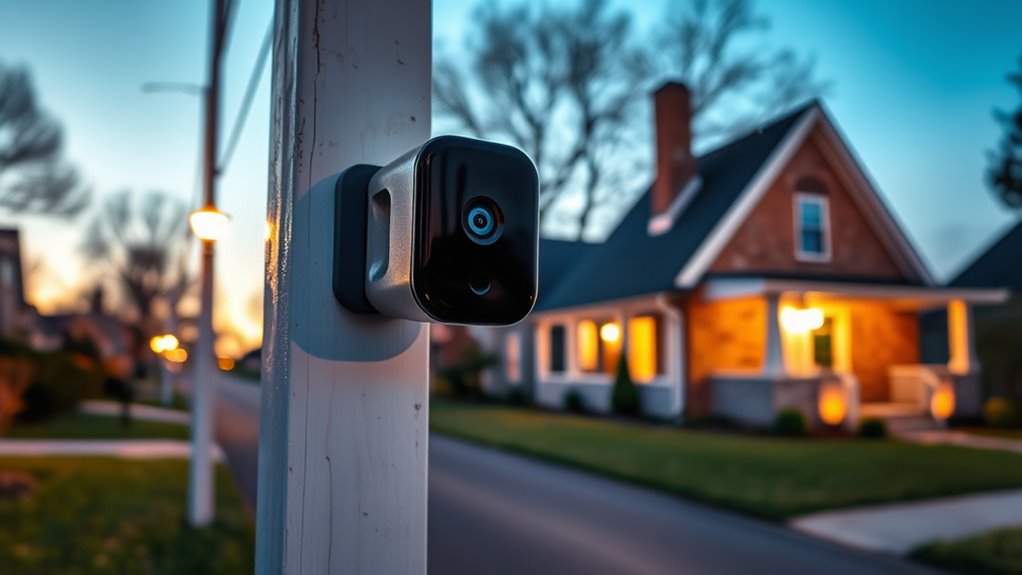

Using Ring cameras in a neighborhood watch helps you monitor activity, deter crime, and build trust among residents. By strategically installing cameras at key points and involving community members, you create a safer environment for everyone. Establish clear policies on privacy, secure footage sharing, and guarantee legal compliance. Regular maintenance and resident participation boost effectiveness, while sharing footage with authorities adds extra security. Discover how combining technology with community effort can make your neighborhood more secure.

Get privacy and security gear delivered free with Prime
- Fast, free delivery on millions of items
- Prime Video, Amazon Music and more included
- Member-only deals all year
Key Takeaways
- Install cameras at key entry points and common areas to maximize surveillance coverage and deter crime.
- Foster community involvement by sharing footage securely with neighbors and local law enforcement.
- Establish clear policies on privacy, footage sharing, and responsible use to build trust and compliance.
- Regularly maintain and update camera equipment to ensure reliable operation and optimal security.
- Use visible Ring cameras to act as a deterrent and reinforce collective vigilance within the neighborhood.
Ring security cameras for neighborhood watch
As an affiliate, we earn on qualifying purchases.
As an affiliate, we earn on qualifying purchases.
Benefits of Implementing Ring Cameras in Community Safety
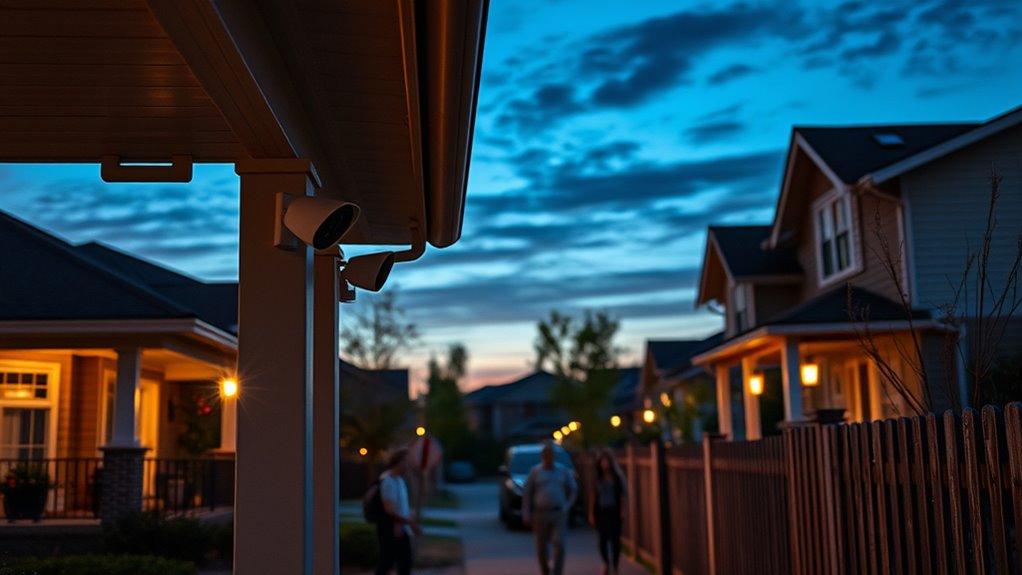
Implementing Ring cameras in your community can substantially enhance safety by providing real-time surveillance and quick access to footage. Regular camera maintenance guarantees your devices stay functional and reliable, preventing blind spots and technical issues. Well-maintained cameras act as a deterrent to potential criminals, increasing overall security. Additionally, involving residents in community outreach efforts around camera use fosters trust and cooperation. When neighbors understand how to maintain and operate the cameras, it encourages collective responsibility for safety. This proactive approach helps create a sense of shared ownership and accountability. Moreover, understanding the horsepower of electric dirt bikes can inform residents about the capabilities of new security equipment or community patrol vehicles, further boosting neighborhood safety. Ultimately, these combined efforts improve surveillance effectiveness, reduce crime, and strengthen community bonds, making your neighborhood a safer place for everyone.
outdoor motion detection Ring cameras
As an affiliate, we earn on qualifying purchases.
As an affiliate, we earn on qualifying purchases.
Selecting the Right Ring Cameras for Your Neighborhood
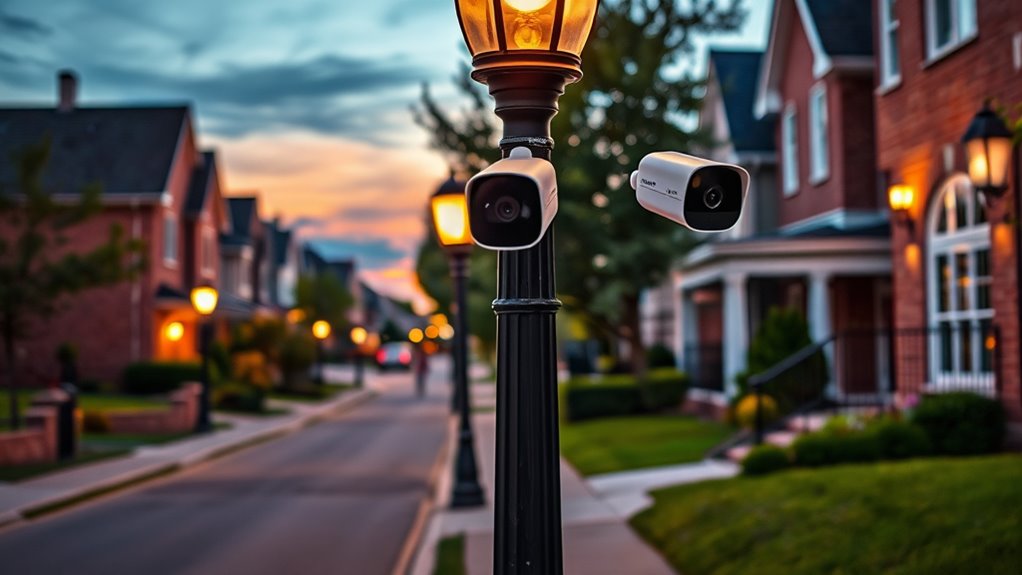
Choosing the right Ring cameras is key to maximizing your neighborhood’s safety. Focus on camera features like resolution, night vision, motion detection, and two-way audio to guarantee thorough coverage. Also, consider installation sites—entry points, driveways, and common areas—to optimize security. For effective surveillance, selecting cameras with the appropriate performance metrics ensures reliable operation in various conditions.
Ring cameras with night vision and two-way audio
As an affiliate, we earn on qualifying purchases.
As an affiliate, we earn on qualifying purchases.
Best Practices for Installing and Positioning Cameras
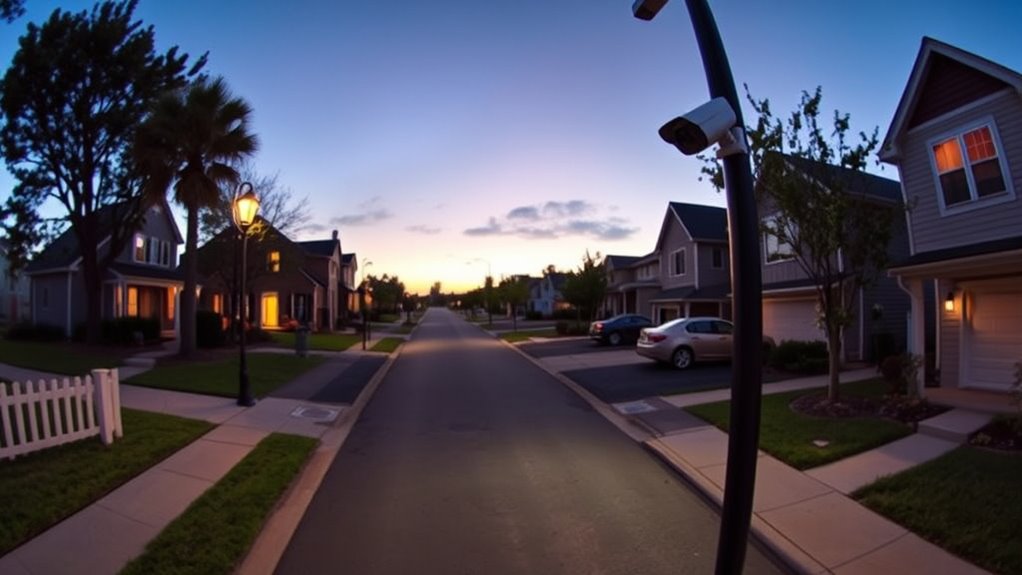
Proper installation and positioning are crucial for maximizing the effectiveness of your Ring cameras. Start by carefully choosing camera placement; aim for high, unobstructed views of entry points like doors and driveways. Avoid placing cameras where they can be easily tampered with or blocked by foliage. Lighting considerations are equally important—position cameras to avoid glare from direct sunlight or bright lights that can obscure images. Use the camera’s motion detection features to focus on areas with consistent activity. Guarantee the camera angle captures important details, such as faces and license plates, without blind spots. Regularly check and adjust the placement as your environment changes. Proper positioning helps capture clear footage, making it easier to identify potential threats and support your neighborhood watch efforts. Ensuring your cameras are well-maintained and free from damage also plays a vital role in their effectiveness for security.
best placement for Ring security cameras
As an affiliate, we earn on qualifying purchases.
As an affiliate, we earn on qualifying purchases.
Establishing a Community Policy for Camera Use and Privacy
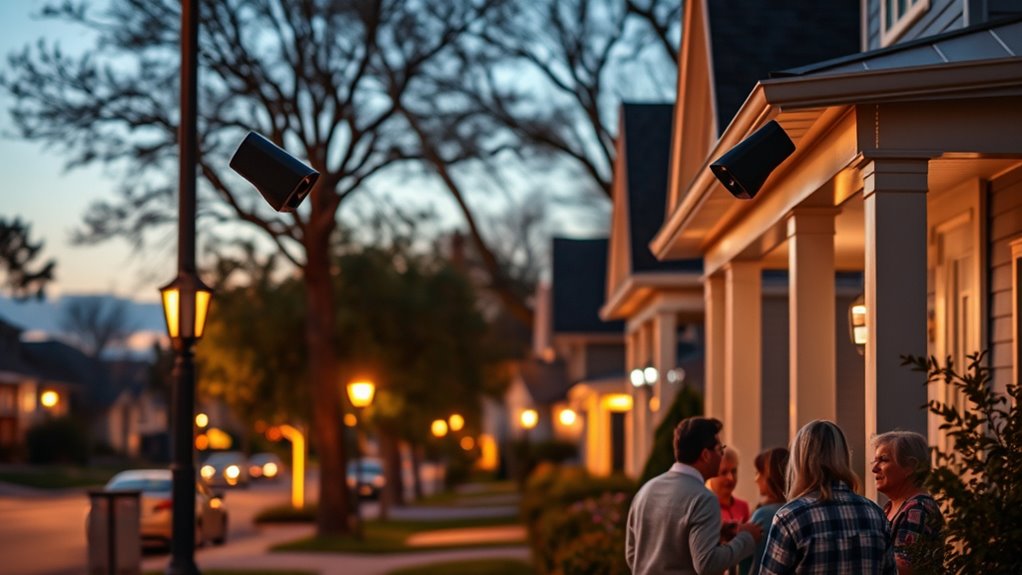
To guarantee your neighborhood’s camera use respects residents’ privacy while enhancing security, establishing a clear community policy is essential. This policy should define proper camera privacy boundaries, outline expectations for responsible use, and detail policy enforcement measures. Residents need to understand what areas cameras should cover and avoid, ensuring private spaces remain protected. Incorporating sound healing science principles can also be considered to create a calming environment during community meetings about privacy and security. Consistent enforcement helps prevent misuse and maintains trust within the community. Regularly review and update the policy to address new concerns or technology changes. Open communication about these guidelines encourages cooperation and accountability.
Sharing Footage Securely Among Residents and Authorities
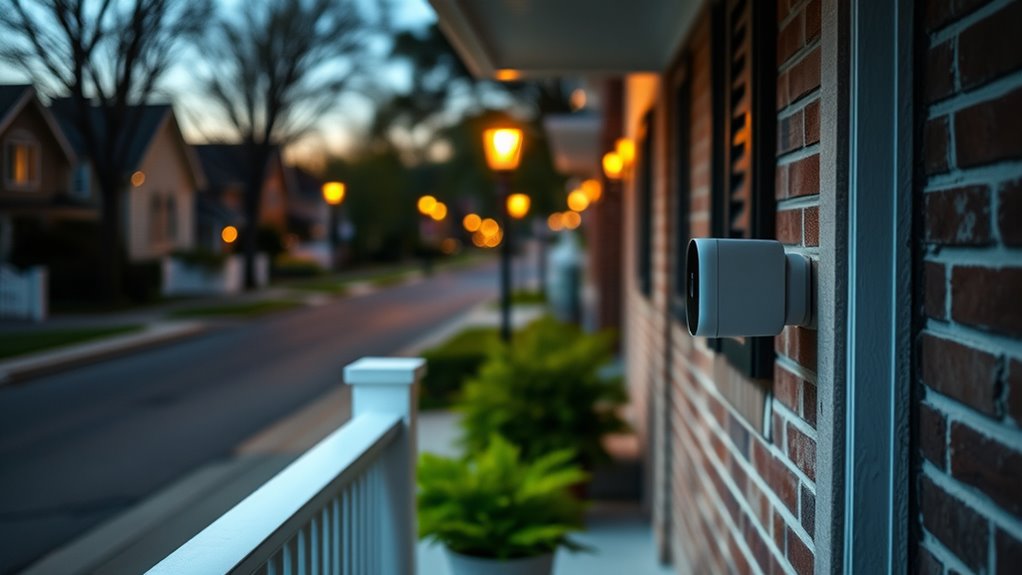
Sharing footage from neighborhood cameras requires careful attention to security and privacy. You should use secure methods, like data encryption, to protect sensitive videos during transfer and storage. This helps prevent unauthorized access and addresses privacy concerns among residents. When you share footage with neighbors or authorities, ensure you’re using trusted platforms with strong encryption protocols. Clearly define who can access the videos and for what purpose, avoiding unnecessary exposure of personal data. Regularly update passwords and security settings to reduce risks. Transparency about how footage is shared and stored increases trust within your community. By prioritizing data encryption and respecting privacy concerns, you create a safer environment where everyone feels confident their security is protected. Additionally, understanding the trustworthiness of the platform you choose can help ensure your footage remains secure.
Ensuring Legal Compliance and Respecting Privacy Rights
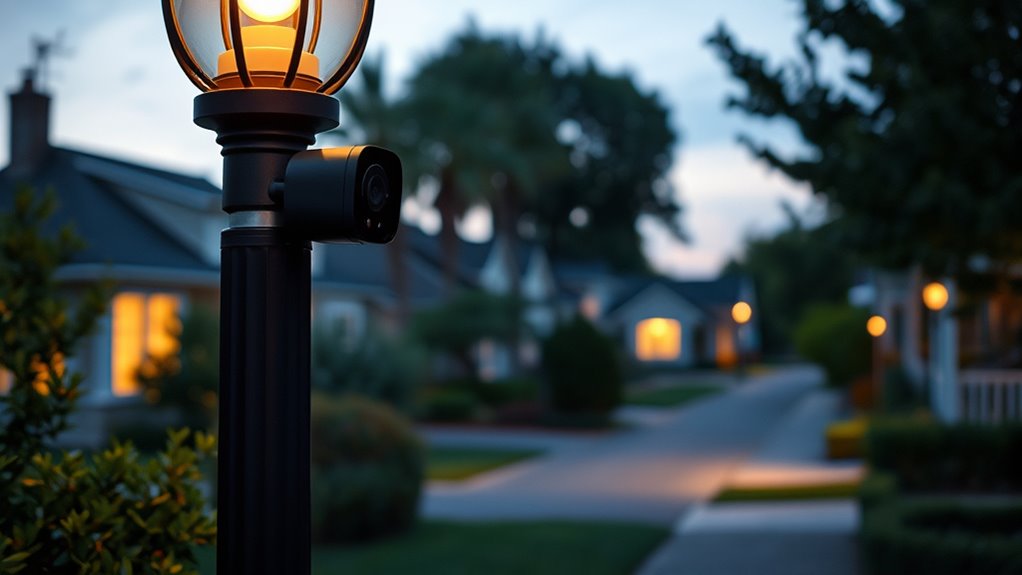
When sharing footage from neighborhood cameras, it’s crucial to follow legal considerations and respect residents’ privacy rights. You must understand local laws regarding surveillance, recording, and data storage. Respect privacy rights by avoiding recordings of private spaces like backyards or inside homes. Make certain that everyone in the neighborhood knows when cameras are in use and understand their rights. Missteps can lead to legal issues or community distrust. To stay compliant, consider these points:
- Obtain necessary permissions before recording
- Limit footage access to authorized individuals
- Avoid recording beyond public areas
- Clearly communicate camera usage policies
- Regularly review legal updates related to surveillance
- Understand the privacy implications of surveillance technology to ensure ethical use
Encouraging Resident Participation and Engagement

To get residents involved, consider implementing community outreach strategies that build trust and awareness. Offering resident incentive programs can motivate participation and make them feel valued. When you actively encourage engagement, you strengthen the neighborhood watch and create a safer environment for everyone. Additionally, transparent communication about privacy policies and data protection can foster trust and reassure residents about their involvement.
Community Outreach Strategies
Effective community outreach is essential for fostering resident participation in neighborhood watch programs that utilize Ring cameras. To boost engagement, focus on building strong neighborhood networking, where residents share information and build trust. Organize volunteer coordination efforts to assign clear roles and responsibilities, making participation seamless. Host regular meetings to update residents on safety strategies and camera benefits. Use social media groups or messaging apps to keep communication consistent and accessible. Emphasize the importance of shared responsibility for safety and encourage residents to actively contribute their insights. Promote transparency about how footage is used and privacy maintained to build confidence. Understanding the role of camera technology can help residents appreciate its benefits and limitations. These strategies create a sense of community, motivate involvement, and ensure everyone feels invested in protecting their neighborhood.
Resident Incentive Programs
Implementing resident incentive programs can substantially boost participation in neighborhood watch initiatives that use Ring cameras. When residents see tangible benefits, they’re more likely to engage actively and monitor their cameras regularly. Offering resident incentives, such as discounts on security upgrades, gift cards, or community recognition, motivates neighbors to participate fully. These programs foster a stronger sense of community and shared responsibility, making everyone feel invested in safety. By rewarding proactive involvement, you encourage residents to share footage, report suspicious activity, and stay vigilant. Incentives also help overcome apathy or privacy concerns, increasing overall participation in the neighborhood watch. Additionally, understanding the history of pinball machines can inspire creative community activities that promote engagement. Ultimately, resident incentives create a positive feedback loop that enhances security and community cohesion.
Addressing Technical Challenges and Maintenance
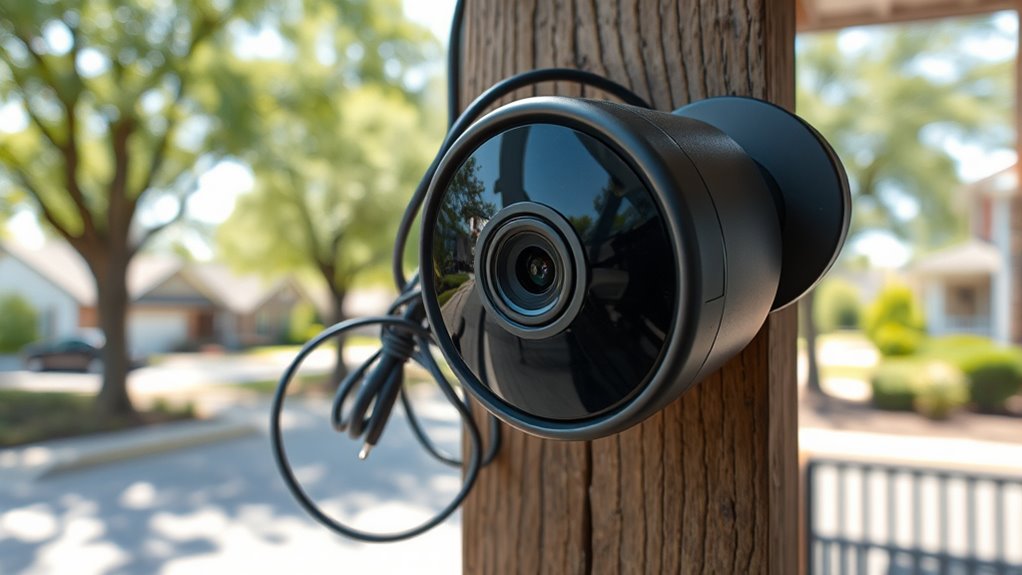
While ring cameras offer valuable surveillance for neighborhood watch programs, they also present technical challenges that require ongoing attention. You need to stay on top of software updates to guarantee your cameras function properly and stay secure against vulnerabilities. Power supply issues can cause cameras to go offline unexpectedly, so regular checks are essential. Battery life management is also essential, especially if cameras rely on rechargeable batteries. Environmental factors like extreme weather can affect performance, making maintenance critical. Additionally, you should monitor storage space for recorded footage to prevent data loss. Implementing proper maintenance routines can help ensure your system remains reliable and effective.
Measuring the Impact of Camera Integration on Safety
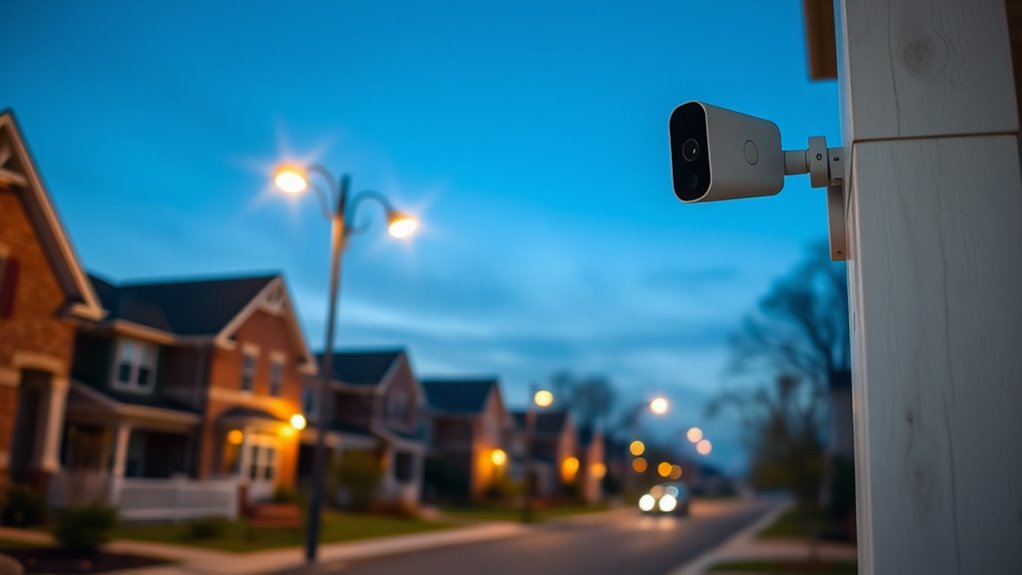
You can see how integrating Ring cameras influences crime rates and community safety. Tracking changes in neighborhood crime helps you understand their deterrent effect. Additionally, increased community involvement often results from shared security efforts, strengthening neighborhood bonds.
Crime Deterrence Effectiveness
Research shows that the presence of Ring cameras in neighborhoods can substantially reduce crime rates. Proper camera placement acts as a visual deterrent, making potential offenders think twice before acting. When community collaboration is strong, residents share information and coordinate camera coverage, increasing overall deterrence. Well-placed cameras near entrances, alleys, and dark corners send a clear message that suspicious activity won’t go unnoticed. This visibility often discourages thefts, vandalism, and trespassing. Additionally, consistent monitoring and sharing footage with law enforcement amplify the deterrent effect. The combined power of strategic camera placement and community effort creates an environment where crime becomes less tempting and more risky for offenders. Ultimately, this proactive approach boosts neighborhood safety and peace of mind.
Community Engagement Levels
Community engagement plays a crucial role in maximizing the safety benefits of integrating Ring cameras into neighborhoods. When residents actively participate, it boosts neighborhood aesthetics by fostering a sense of collective responsibility and trust. Visible cameras can enhance camera aesthetics, making the area feel monitored and secure without cluttering the environment. Regular communication, like neighborhood meetings or online groups, encourages residents to share insights and concerns, increasing overall engagement. Higher involvement often leads to more consistent camera use and maintenance, which improves safety outcomes. When community members see their efforts making a difference, they’re motivated to stay committed. This collective vigilance builds a safer environment, demonstrating that community engagement directly influences the effectiveness of camera integration and overall neighborhood security.
Frequently Asked Questions
How Can Residents Ensure Their Privacy Is Protected When Using Ring Cameras?
To safeguard your privacy with Ring cameras, you should focus on data privacy and strategic camera placement. Keep cameras aimed only at your property, avoiding public areas, to limit the scope of recordings. Regularly review your privacy settings and firmware updates. Use strong, unique passwords and enable two-factor authentication. By controlling camera placement and managing data privacy settings, you ensure your home remains secure without invading your neighbors’ privacy.
What Are the Costs Involved in Setting up a Neighborhood-Wide Ring Camera System?
Setting up a neighborhood-wide Ring camera system involves some investment, but the benefits often outweigh the costs. You’ll need to think about installation costs, which cover purchasing the cameras and professional setup if needed. Additionally, plan for maintenance expenses to keep everything running smoothly. While the initial investment varies based on the number of cameras, ongoing costs are generally manageable, offering peace of mind and enhanced security for your community.
How Do Ring Cameras Perform in Adverse Weather Conditions?
Ring cameras generally perform well in adverse weather conditions thanks to their weather resilience and camera durability. They are designed to withstand rain, snow, and extreme temperatures, ensuring reliable surveillance year-round. However, heavy storms or severe winter weather can sometimes affect their performance temporarily. To maintain peak security, regularly check and clean your cameras, and consider mounting them in sheltered locations to enhance their weather resilience and longevity.
Can Ring Cameras Be Integrated With Other Security Systems in the Community?
Yes, you can integrate Ring cameras with other security systems in your community. This promotes community engagement by creating a unified security network. Just make certain you follow data sharing protocols to protect residents’ privacy. Compatibility varies, so check if your existing systems support Ring’s integrations or use compatible hubs. Proper integration helps streamline monitoring, improves response times, and fosters stronger collaboration among neighbors for a safer neighborhood.
What Training or Support Is Available for Residents Unfamiliar With Camera Technology?
If you’re unfamiliar with camera technology, there’s plenty of support available. Many providers offer training on camera installation and basic functions, often through online tutorials or in-person workshops. Tech support services are also accessible to help troubleshoot issues and answer questions. You can contact customer service for guidance, ensuring you feel confident operating your Ring camera and maximizing its security benefits.
Conclusion
By weaving Ring cameras into your neighborhood’s fabric, you create a vigilant tapestry that shields and unites. When every camera acts as an eye, the community becomes a lighthouse guiding safety through darkness. With thoughtful placement, clear policies, and shared responsibility, you turn individual vigilance into a powerful chorus of protection. Together, you craft a neighborhood where trust blossoms like flowers in spring, lighting the way for a safer, more connected community.
Halloween Picks
halloween
As an affiliate, we earn on qualifying purchases.