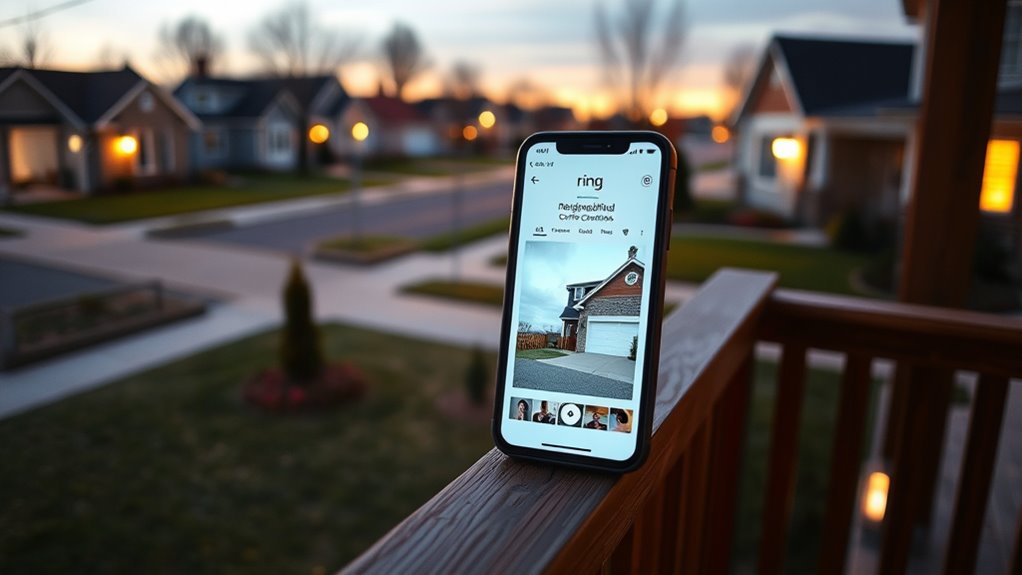

To share Ring footage responsibly in your neighborhood app, respect privacy laws, and always get permission before sharing videos that include neighbors. Be mindful of what you share, sticking to relevant incidents and avoiding sensitive or embarrassing content. Communicate clearly and politely, explaining why you’re sharing footage and ensuring it’s done with transparency. Handling sensitive footage carefully and maintaining community trust boosts safety. If you want to understand how to do this respectfully, there’s more guidance on building trust and safeguarding privacy.
Key Takeaways
- Obtain explicit consent from individuals before sharing footage that includes identifiable persons.
- Share footage promptly after incidents to maintain relevance and prevent privacy breaches.
- Use anonymous or blurred videos to protect privacy when sharing sensitive or private scenes.
- Clearly explain how and why the footage is shared, ensuring transparency with community members.
- Familiarize yourself with local laws and regulations regarding surveillance and video sharing to avoid legal issues.

Silicone Case for Ring Video Doorbell 2nd Gen (2020 Release) – Weatherproof Ring Doorbell Cover with Sun Glare Visor, UV & Heat Resistant Accessories – Black
- Precise Fit for Ring 2nd Gen: Snug, interference-free design
- Weatherproof & UV Resistant: Protects against extreme temperatures
- Easy to Remove: Elastic design for quick access
As an affiliate, we earn on qualifying purchases.
As an affiliate, we earn on qualifying purchases.
Understanding Privacy Boundaries and Legal Considerations

While neighborhood apps can help you stay connected, it’s essential to respect privacy boundaries and understand legal considerations. Surveillance laws vary by location, so you should familiarize yourself with local regulations regarding recording and sharing footage. These laws often specify when and how you can use surveillance devices, especially in private spaces. Consent protocols are equally important; always seek permission from individuals before sharing footage that includes them. Respecting these boundaries helps prevent privacy violations and potential legal issues. Additionally, understanding the role of contrast ratio can help you interpret the clarity of shared footage, especially in low-light conditions. Remember, what’s permissible in one area might not be in another, so staying informed and cautious ensures you use neighborhood apps responsibly. By adhering to surveillance laws and consent protocols, you protect both your neighbors’ privacy and your reputation.

Anpviz 4K/8MP PoE Dual Lens Security Camera Outdoor 180 Degree Wide Angle
- 4K Ultra HD & 180° Wide View: Crisp 4K video with ultra-wide angle
- Dual 2.8mm Fixed Lenses: Provides comprehensive outdoor coverage
- Enhanced Night Vision: Clear images in low light conditions
As an affiliate, we earn on qualifying purchases.
As an affiliate, we earn on qualifying purchases.
Choosing What to Share and When

Deciding what to share on neighborhood apps requires careful consideration of timing and relevance. You should prioritize privacy awareness by avoiding unnecessary or sensitive footage that could infringe on others’ privacy. Always follow consent protocols—never share recordings of neighbors without their permission, especially if they’re identifiable. Think about whether the footage adds value to the community or if it could cause discomfort or harm. Timing matters, too; sharing recordings promptly after an incident ensures relevance but avoid posting overly detailed or potentially embarrassing content. By being mindful of privacy boundaries and respecting others’ consent, you help foster a respectful, trustworthy neighborhood environment. Responsible sharing promotes community cohesion and minimizes misunderstandings or conflicts. Privacy and consent are essential elements in responsible content sharing.
neighborhood safety camera with privacy features
As an affiliate, we earn on qualifying purchases.
As an affiliate, we earn on qualifying purchases.
Crafting Clear and Respectful Messages

When communicating on neighborhood apps, crafting clear and respectful messages is essential to prevent misunderstandings and foster a positive community atmosphere. Use straightforward language to convey your points and avoid ambiguity, especially when discussing sensitive topics like anonymous reporting. Respect others’ privacy and avoid sharing personal details that could harm reputations or create conflicts. Remember that your messages contribute to your digital footprints, so think before posting—what you say online can have lasting effects. Be polite, even when disagreeing, and focus on solutions rather than accusations. Clear, respectful communication encourages collaboration and trust, making your neighborhood app a safer space for everyone. Staying mindful of tone and content helps maintain harmony within your community. Additionally, understanding nutritional advantages of green juice can promote healthier lifestyle choices that you might share or discuss in community groups.
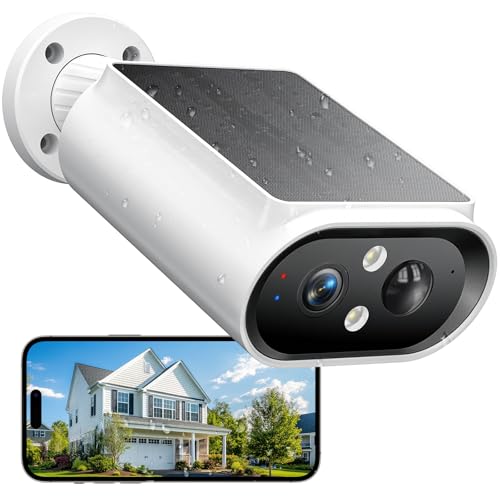
AlkiVision Solar Security Cameras Wireless Outdoor – 2K Night Color Vision Cameras for Home Security, AI Motion Detection, 360° View, Spotlight, 2-Way Audio, Siren, IP67 Waterproof, SD/Cloud Storage
- Solar Powered & Easy Installation: Wireless, lightweight, solar-charged, supports 6 months use
- 2K Resolution with Color Night Vision: High-definition 2K video, full-color night footage
- 360° View & AI Detection: Adjustable angle, detects people, vehicles, pets, packages
As an affiliate, we earn on qualifying purchases.
As an affiliate, we earn on qualifying purchases.
Handling Sensitive Footage With Care

Handling sensitive footage on neighborhood apps requires careful consideration to protect privacy and prevent harm. Always follow consent protocols before sharing any video, ensuring all involved parties agree to its distribution. When possible, use anonymous sharing methods to keep identities confidential, especially if the footage might reveal personal details. Avoid posting footage that could embarrass or unjustly target someone, and consider whether sharing is truly necessary. Remember, even with good intentions, sharing sensitive content without proper safeguards can lead to privacy violations or community distrust. Respect others’ privacy by limiting access to the footage and clearly communicating your intentions. Additionally, understanding privacy laws related to digital content can help avoid legal issues. By practicing these measures, you help foster a respectful and secure environment for everyone involved.
Building Trust and Fostering Safe Community Engagement

Building trust and fostering safe community engagement starts with consistent respect for privacy and open communication. When you prioritize transparency, residents feel more comfortable sharing concerns and feedback. Encourage anonymous reporting to help neighbors report issues without fear of retaliation, which builds confidence in the community’s safety efforts. Listening to community feedback shows you value residents’ opinions and are committed to addressing their concerns. Be clear about how footage is shared and used, ensuring everyone understands boundaries and privacy rights. By maintaining honesty and responsiveness, you create a trusting environment where neighbors collaborate to improve safety. Open dialogue and respect for privacy not only strengthen relationships but also help foster a safer, more connected neighborhood for everyone. Additionally, understanding the support hours for community services can help residents access assistance promptly when needed.
Frequently Asked Questions
How Can I Prevent My Ring Footage From Being Hacked?
To prevent your Ring footage from being hacked, you should implement strong security measures like using a unique, complex password and enabling two-factor authentication. Regularly update your device’s firmware and app to patch security vulnerabilities. Adjust your privacy settings to limit access to authorized users only, and avoid sharing footage publicly. These steps help protect your footage and maintain your privacy, ensuring your security measures are effective.
What Should I Do if I Receive Inappropriate or Offensive Footage?
If you receive inappropriate or offensive footage, it’s important to report concerns immediately to the app’s support team. Set clear boundaries by blocking or muting the person responsible, and don’t engage further. Document the incident, including screenshots if needed, to help authorities or support teams take appropriate action. Remember, protecting your safety and mental well-being comes first, so take swift steps to address the situation responsibly.
Are There Specific Times When Sharing Footage Is More Acceptable?
When deciding if sharing footage is acceptable, consider timing considerations and community standards. You should share footage when it addresses urgent safety concerns or helps resolve issues promptly, but avoid sharing during sensitive or private moments. Always respect community guidelines, ensuring your posts are appropriate and constructive. By being mindful of timing considerations and aligning with community standards, you help maintain a respectful and supportive neighborhood environment.
How Do I Balance Transparency With Respect for Neighbors’ Privacy?
Respect privacy boundaries, honor consent considerations, and foster trust. You can balance transparency with respect by only sharing footage that clearly demonstrates safety concerns, avoiding personal details, and asking for neighbors’ permission before posting. Remember, transparency builds community, but respecting privacy boundaries and obtaining consent considerations protect relationships. Your actions should reflect responsibility, empathy, and respect, ensuring everyone feels safe, valued, and understood within your neighborhood.
Can I Share Footage Outside the Neighborhood App Without Violating Privacy?
When considering sharing footage outside your neighborhood app, you need to respect privacy boundaries and consider consent considerations. Ask yourself if the individuals in the footage have given permission to share their images publicly. Even if you’re comfortable sharing, it’s best to anonymize faces or details. Always think about the potential impact on neighbors’ privacy and avoid sharing content that could violate trust or cause harm.
Conclusion
By balancing boundaries and being mindful, you build a community rooted in respect and trust. Respectfully sharing footage fosters friendships, while safeguarding sensitive scenes shields trust. Remember, thoughtful communication creates a caring and cohesive neighborhood network. As you navigate this delicate dance of digital disclosure, let your actions be guided by grace and good judgment. Together, you craft a safer, stronger space where everyone feels secure, seen, and supported in your shared sanctuary.