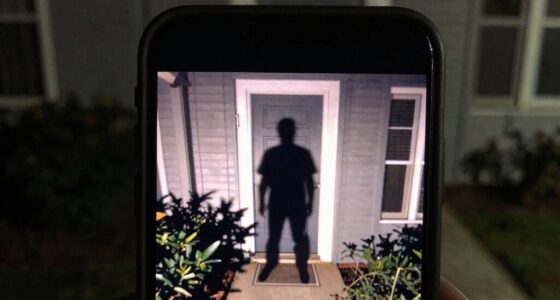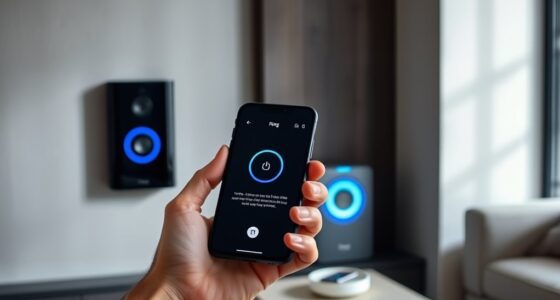
When using Ring cameras in shared spaces, you must follow legal guidelines to protect everyone’s privacy. Make sure to notify all residents or visitors with clear signage that they’re being recorded. Avoid pointing cameras at private areas like bedrooms or bathrooms. Store footage securely and limit access to authorized people. Familiarize yourself with local laws to ensure full compliance. To learn more about maintaining legal and ethical use, continue exploring this important topic.
Key Takeaways
- Inform all occupants and visitors about Ring camera surveillance with clear signage.
- Position cameras only in shared, non-private areas to respect privacy rights.
- Ensure recordings are securely stored and access is limited to authorized individuals.
- Comply with local laws and regulations regarding audio/video recording and notification requirements.
- Obtain explicit consent if footage is used beyond security purposes or shared externally.

Using Ring cameras in shared spaces can be be a practical way to enhance security, but it is essential to understand the legal boundaries involved. One of the main issues you’ll face is privacy concerns. When you install cameras in areas like hallways, entrances, or communal lounges, you might inadvertently capture footage of people who haven’t given their consent. This can lead to legal complications, especially if the recordings are used improperly or shared without permission. To avoid infringing on others’ privacy rights, you need to be aware of the boundaries set by local laws and regulations.
Consent requirements play a fundamental role in using Ring cameras legally in shared spaces. Generally, you must inform everyone who uses the space that they’re being recorded. This can be done through clear signage indicating that the area is under surveillance. Failing to notify people can make your recordings illegal, even if your intentions are purely for security. You should verify that people are aware of when and where cameras are active, particularly if recordings could capture private conversations or personal activities. In some jurisdictions, explicit consent from individuals might be required before recording, especially if the footage could be used for purposes beyond security, such as sharing on social media or with third parties.
Inform everyone they are being recorded to ensure legal use of Ring cameras in shared spaces.
Another aspect you need to take into account is the placement and orientation of your Ring cameras. Position them in a way that captures only shared spaces and avoids private areas like bedrooms, bathrooms, or personal offices. This not only respects individuals’ privacy but also minimizes the risk of violating privacy laws. Additionally, keeping recordings secure is essential—store footage securely and limit access to authorized persons only. This helps prevent unauthorized viewing or misuse of the footage, which could lead to legal liability.
Furthermore, understanding the 16PF personality traits of your household or neighbors can help inform how you communicate about surveillance measures, fostering better cooperation and trust. You should also familiarize yourself with local laws governing surveillance. Some places have strict regulations about recording in shared spaces, and failure to comply can result in fines or legal action. Regularly review your camera policies and ensure they align with current legal standards. Remember, using Ring cameras responsibly isn’t just about securing your property; it’s about respecting the privacy and rights of everyone sharing that space. By being transparent, obtaining necessary consents, and placing cameras thoughtfully, you can balance security needs with legal and ethical responsibilities.

Ring Battery Doorbell (newest model) — Retinal 2K with wide-angle video, up to 6x Enhanced Zoom, Two-Way Talk, and Built-In Battery, Speckled Gray
- Video Resolution: Retinal 2K with wide-angle view
- Zoom Capability: Up to 6x Enhanced Zoom
- Two-Way Communication: Real-time audio and video
As an affiliate, we earn on qualifying purchases.
Frequently Asked Questions
Can I Record Audio With My Ring Camera in Shared Spaces?
Yes, you can record audio with your Ring camera in shared spaces, but you need to take into account audio recording legality and shared space privacy. Laws vary by location, so you should inform others that audio is being recorded to respect their privacy rights. Make sure your usage complies with local regulations, and remember that recording audio without consent might be illegal in some areas, potentially leading to legal issues.
Are There Specific Privacy Notices I Must Display?
Imagine a neighbor installing a Ring camera in a shared hallway. You’re required to display clear privacy signage to meet notification requirements. This signage should inform others that recording is taking place, protecting everyone’s privacy rights. So, yes, you must display privacy notices visibly, ensuring anyone who enters the shared space knows they’re being recorded. This helps you comply with legal guidelines and maintain transparency.
How Long Can Footage Be Stored Legally?
You can generally store footage for up to 30 to 60 days, but this varies by local laws and your privacy policy. To stay compliant, regularly review your video retention policies and confirm they align with data privacy regulations. Keeping footage longer than necessary could violate privacy rights, so delete videos once they’re no longer needed. Always stay informed about regional rules to protect yourself and others.
Do I Need Consent From All Residents Before Installing?
You definitely can’t just install a Ring camera willy-nilly without residents’ approval, as it’s a major invasion of privacy! Before installing, you must get explicit residents’ approval and installation permissions from everyone whose space is being monitored. Skipping this step can lead to serious legal trouble and strained relationships. Always communicate openly, seek consent, and respect privacy boundaries to avoid chaos and ensure smooth installation.
What Are the Legal Consequences of Misuse or Breach?
If you misuse your Ring camera or breach privacy guidelines, you could face serious legal consequences. These include privacy violations, which might lead to lawsuits or fines, and increased legal liabilities if someone proves their rights were infringed upon. Always follow local laws and respect residents’ privacy to avoid these risks. Properly securing footage and obtaining necessary consents help protect you from legal trouble.

Ring Battery Doorbell (newest model), Matte Mocha with Indoor Cam Plus, Black
- Home Security Bundle: Battery Doorbell, Indoor Cam Plus, Matte Mocha, Black
- 2K Retinal Video: Clear, detailed footage with 6x zoom
- Color Night Vision: See in true color even in low light
As an affiliate, we earn on qualifying purchases.
Conclusion
By understanding the legal guidelines, respecting privacy, and securing consent, you guarantee responsible camera use. By knowing the rules, avoiding invasions, and protecting others’ rights, you create a safe environment. By staying informed, acting ethically, and maintaining transparency, you foster trust and compliance. Remember, responsible use of Ring cameras in shared spaces means balancing security with privacy—because when you respect boundaries, you build trust, prevent conflicts, and promote a safer community for everyone.

Ring Battery Doorbell (newest model), Speckled White with Indoor Cam Plus, White
- Home Security Bundle: Battery Doorbell and Indoor Cam Plus
- High-Resolution Video: Retinal 2K with 6x Zoom
- Color Night Vision: Full color in low light, B&W in darkness
As an affiliate, we earn on qualifying purchases.

Ring Wired Doorbell Pro (newest model), Home or business security, Retinal 4K with wide-angle video, 10x Enhanced Zoom, and Low-Light Sight, Deep Silver
- 4K Retinal Video: Ultra-clear 4K resolution for detailed footage
- 10x Enhanced Zoom: Magnify distant details up to 10 times
- Two-Way Audio: See, hear, and speak to visitors remotely
As an affiliate, we earn on qualifying purchases.