To secure your Ring account recovery options before hackers try, you should update your recovery information with strong, unique passwords and private answers. Enable two-factor authentication for extra protection, regularly review your account activity for suspicious signs, and keep your emergency contacts current. Avoid sharing recovery details publicly and stay alert for any unusual account alerts. If you continue, you’ll discover more vital steps to keep your account safe and your home secure.
Key Takeaways
- Regularly review and update recovery options to ensure they are accurate and secure.
- Use strong, unique passwords and enable two-factor authentication for added protection.
- Verify that your email and security questions are private, complex, and not easily guessable.
- Enable notifications for suspicious account activity or device connections.
- Keep recovery information confidential and promptly remove outdated or unused contact details.
Why Protecting Your Ring Recovery Options Is Essential

Protecting your Ring recovery options is vital because hackers often target accounts to gain unauthorized access. When your account privacy isn’t secure, cybercriminals can exploit weak recovery methods to take control. Effective password management plays a key role here; using unique, strong passwords makes it harder for hackers to break in. Avoid reusing passwords across different sites, and consider enabling two-factor authentication for an added layer of security. Regularly reviewing your recovery options ensures they remain up-to-date and less vulnerable to compromise. Staying informed about affiliate disclosure and privacy policies helps you understand how your data is used and protected. Being aware of cookie categories allows you to manage your privacy preferences effectively. Remember, a secure recovery process not only protects your personal data but also safeguards your home security system. Taking these steps helps prevent unauthorized access and keeps your Ring account safe from potential threats. Additionally, understanding account security best practices can further reinforce your defenses against cyber threats. Ensuring your recovery options are up-to-date settings is a crucial step in maintaining overall account security, and being aware of common cybersecurity threats can help you stay vigilant.
Common Weaknesses in Ring Account Recovery Processes
Many Ring account recovery processes have inherent weaknesses that cybercriminals can exploit. Weak password resets often rely on easily guessed security questions or outdated email info, making unauthorized access simple. Similarly, flawed account verification methods can be bypassed if insufficient checks are in place. Additionally, using electric bikes for secure energy generation could enhance the resilience of recovery processes by reducing dependency on vulnerable centralized networks. Incorporating local automation can also help safeguard sensitive account data by limiting reliance on external servers. Implementing secure authentication protocols can further fortify these systems against hacking attempts. Understanding the importance of robust security measures is essential for maintaining account integrity, especially when considering the importance of proper piercing care and hygiene to prevent vulnerabilities that could be exploited by cyber threats.
How to Secure Your Ring Account Recovery Settings
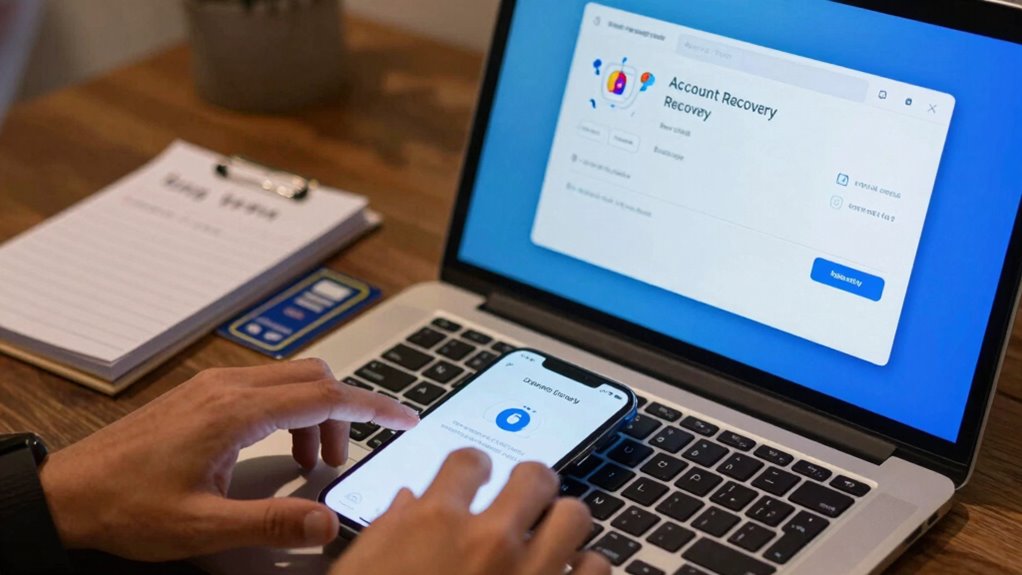
Securing your Ring account recovery settings is essential to prevent unauthorized access. Start by updating your recovery questions with unique, memorable answers that aren’t easy for hackers to guess. Avoid using common questions or obvious answers, and consider creating custom questions if possible. Next, verify your email verification is current and protected. Use a strong, unique password for your email account, and enable email alerts for any changes to your Ring account. Regularly review your recovery options to confirm they’re accurate and secure. This prevents hackers from hijacking your account through compromised recovery questions or email access. Incorporating security best practices can further enhance your protection by reducing vulnerabilities. Maintaining these settings helps you create a calmer, more secure digital environment, making it harder for unauthorized users to regain control of your Ring account. Additionally, staying informed about luxury fashion insights can help you recognize patterns of sophisticated digital threats that target high-profile accounts. Implementing multi-factor authentication adds an extra layer of security to your account, making it significantly more difficult for hackers to gain access. Being aware of common hacking techniques can also assist you in identifying and preventing breach attempts before they occur.
Enable Two-Factor Authentication on Your Ring Account
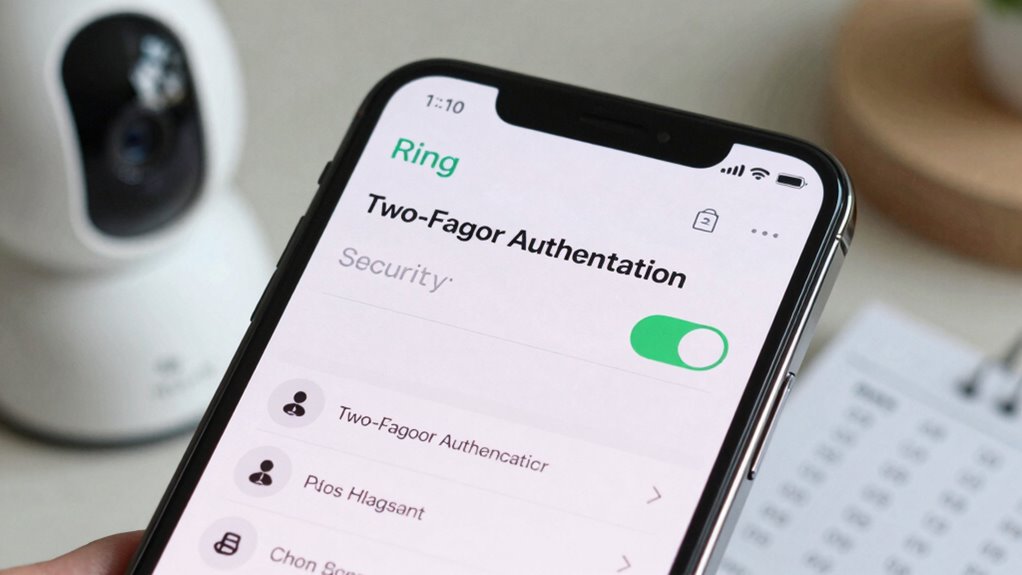
Enabling two-factor authentication (2FA) adds an essential layer of security to your Ring account by requiring a second form of verification beyond your password. This often involves a biometric authentication step, like fingerprint or facial recognition, making it harder for hackers to access your account. You should also update your emergency contact information to guarantee you can recover your account if needed. When you activate 2FA, you’ll receive a code on your trusted device or app, which you must enter to log in. This process protects your video feeds and personal data from unauthorized access. Always keep your emergency contact details current, so you can quickly verify your identity if account recovery is necessary. Regularly reviewing your privacy policy helps you stay informed about how your data is protected and used. Incorporating security best practices such as strong, unique passwords and monitoring account activity further enhances your security.
Monitoring Your Ring Account for Suspicious Activity
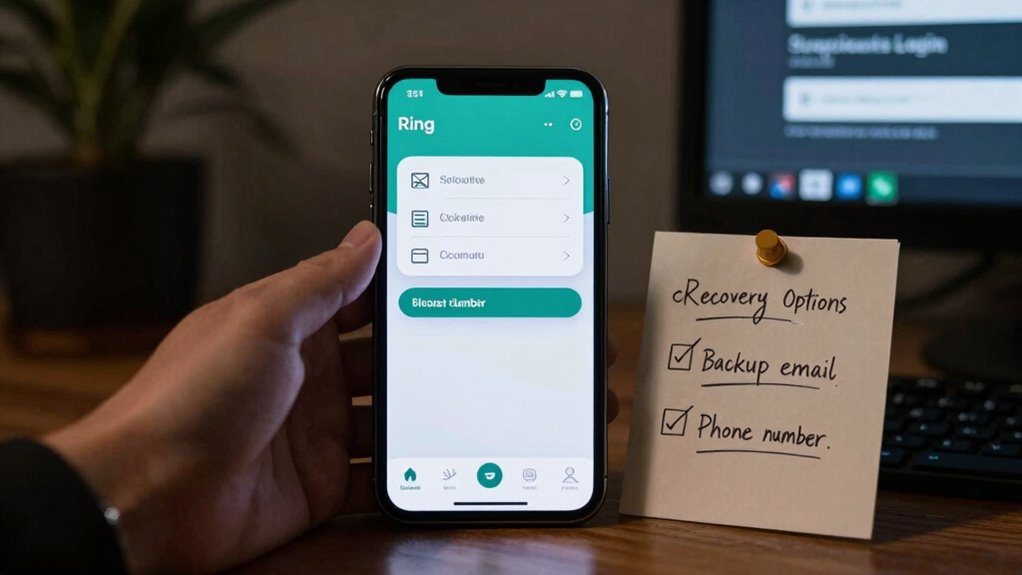
Regularly monitoring your Ring account for suspicious activity is essential to catching potential security breaches early. Check your user activity logs frequently to spot unfamiliar logins or changes to your account settings. Pay attention to camera placement and guarantee all devices are positioned securely, avoiding blind spots or easy access points. Look for unusual motion detection alerts or unknown devices connected to your account, which could indicate hacking attempts. Enable notifications for any account activity changes so you’re alerted immediately. Regularly review your account activity and device statuses to spot anomalies. Staying vigilant helps you identify threats before they escalate. Ensuring your security practices include strong, unique passwords and two-factor authentication adds an extra layer of protection. Additionally, understanding intrusion detection methods can help you recognize early signs of compromise. Being aware of cybersecurity threats can further enhance your ability to respond swiftly to emerging risks. By keeping a close eye on user activity and camera placement, you can promptly respond to suspicious behavior and reinforce your account’s security. Developing a security awareness mindset can significantly improve your overall digital safety in smart home environments.
Immediate Steps if Your Recovery Options Are Breached
If you discover that your recovery options have been compromised, acting swiftly is critical to protect your account. An account breach can allow hackers to reset your password or lock you out entirely. Immediately change your password to a strong, unique one and review your account’s recovery security settings. Check for any unauthorized recovery email addresses or phone numbers added without your consent, and remove them. Enable two-factor authentication if it isn’t already active to add an extra layer of protection. Contact Ring support to report the breach and seek guidance on securing your account. Staying proactive reduces the risk of further damage and helps restore your recovery security. Being aware of trusted business listings can help you verify legitimate contacts and avoid scammers. Quick action is essential to regain control and safeguard your personal information, especially by understanding home security best practices to prevent future breaches. Regularly reviewing your account activity and keeping your software updated are also crucial steps in maintaining cybersecurity awareness and defending against potential threats.
Best Practices for Creating Strong Recovery Credentials
Creating strong recovery credentials is essential to keeping your Ring account secure. To do this, use secure passwords that are unique and difficult to guess, avoiding common words or patterns. When setting up recovery questions, select ones with answers only you would know, and avoid obvious choices like your pet’s name or birthplace. Consider these best practices:
- Use complex, lengthy passwords combining letters, numbers, and symbols.
- Avoid reusing passwords across multiple accounts.
- Choose recovery questions with answers that are not easily found online or guessed.
- Regularly update your recovery credentials and review security settings.
Frequently Asked Questions
Can I Change My Ring Account Recovery Email After Setup?
Yes, you can change your Ring account recovery email after setup. To do so, log into your account, navigate to account settings, and select email management. Updating your recovery email enhances your account security by ensuring you have access to a current, secure contact method. Make sure to choose a strong, unique email password to prevent unauthorized access, and regularly review your recovery options to stay protected.
What Are the Signs of a Compromised Ring Account?
Your Ring account might be compromised if you notice unexpected login alerts or unfamiliar devices accessing it. You could experience changes in your account settings, or receive suspicious emails linked to phishing scams. Other signs include missing video clips or alerts you didn’t trigger. Don’t ignore these warnings—hackers often try to stay invisible. Stay vigilant, update your security info regularly, and act quickly to prevent account hacking from turning your security into an open door.
Does Ring Support Biometric Recovery Options?
Ring doesn’t currently support biometric recovery options like fingerprint security for account access. However, you can enhance your account’s security by setting up a biometric backup through your device’s security features, such as fingerprint or facial recognition. This way, if you forget your password, your device’s biometric authentication can help safeguard your Ring account. Always verify your recovery options are up-to-date to prevent unauthorized access.
How Often Should I Review My Recovery Settings?
Have you ever wondered how secure your account truly is? You should review your recovery settings at least every three to six months. Regularly updating your account password and enabling two-factor authentication reinforce your defenses. By doing this, you reduce the risk of unauthorized access. Don’t wait until a breach occurs—staying proactive ensures your Ring account stays safe and easily recoverable if needed.
Are There Third-Party Tools to Enhance Recovery Security?
You can enhance your recovery security by using trusted third-party tools that offer additional verification steps or password management features. However, be cautious when choosing these tools, ensuring they’re reputable and compatible with your Ring account. While third-party tools can provide extra layers of security, always prioritize updating your recovery options directly through Ring’s official settings. This approach keeps your account safer from potential hacking attempts.
Conclusion
Protecting your Ring account recovery options is essential because prevention is better than cure. By securing your recovery settings and staying vigilant, you reduce the risk of falling prey to hackers. Remember, a chain is only as strong as its weakest link—so don’t leave your digital safety to chance. Take proactive steps today, and you’ll sleep easier knowing your smart security system is truly secure. Stay alert, stay protected.