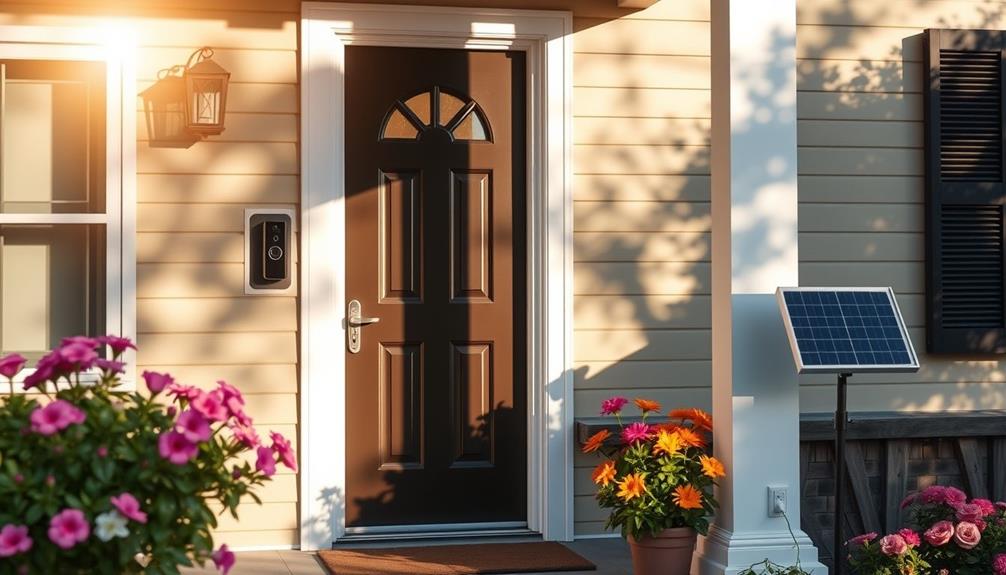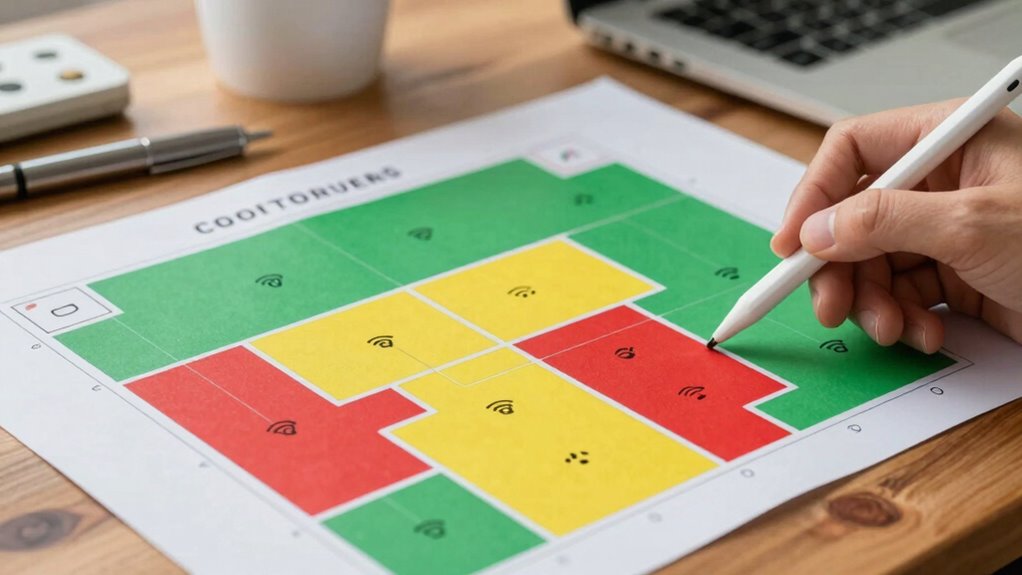

To create a better doorbell coverage map, start by testing your signal strength throughout your home with your smartphone or receiver. Identify areas where the signal weakens or drops out, especially near walls, floors, or obstructions. Mark these zones on your map and plan placements for extenders or repeaters accordingly. Keep testing after structural changes or new devices. By following these steps, you’ll improve coverage and guarantee your doorbell system works reliably everywhere—you’ll find even more tips if you explore further.
Open a free Amazon Business account
Business pricing, bulk buying and tax-exempt orders.
As an affiliate, we earn on qualifying purchases.
Key Takeaways
- Test signal strength at various home entry points and common visitor areas to identify coverage gaps.
- Mark interference sources nearby that could weaken doorbell signal and plan their relocation or mitigation.
- Create a detailed floor plan highlighting strong and weak signal zones for strategic device placement.
- Position the doorbell and signal repeaters near weak spots to improve coverage and reliability.
- Regularly reassess and update the map after structural changes or added devices for optimal performance.
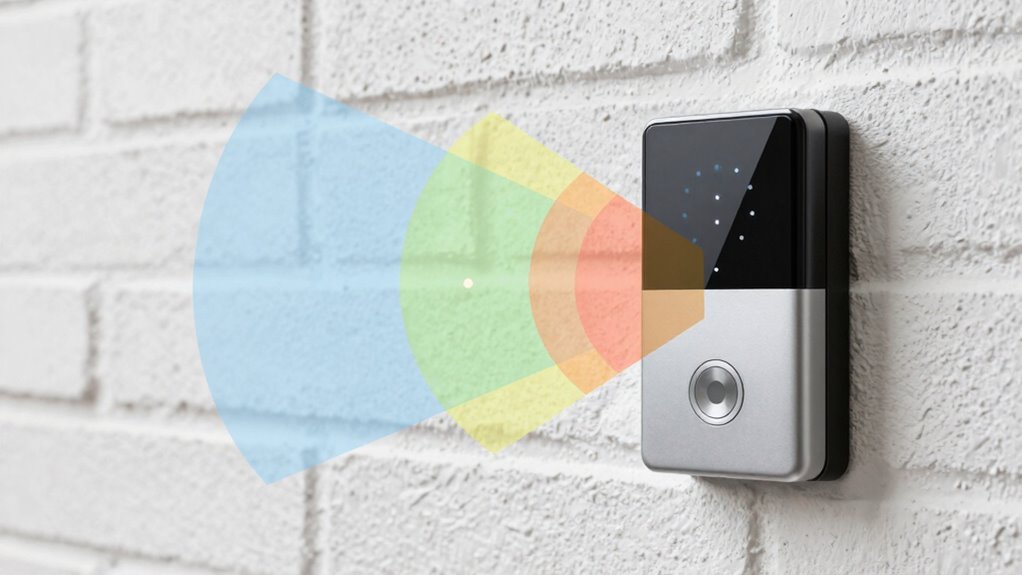
A doorbell coverage map helps you understand the range and effectiveness of your doorbell system, guaranteeing you can see who’s at your door from anywhere inside your home. To create a better coverage map, you need to start by evaluating your current setup’s wireless range. The wireless range determines how far your doorbell can transmit a clear signal to your receiver or app. Keep in mind that walls, floors, and other obstructions can weaken this range, so it’s essential to test your system in different areas of your house. Walk around with your smartphone or receiver and observe where the signal remains strong and where it drops out. This hands-on testing will give you a realistic picture of your doorbell’s effective coverage zone.
Next, consider the potential for signal interference, which can considerably impact your doorbell’s performance. Devices like Wi-Fi routers, cordless phones, microwave ovens, and even neighboring wireless networks can cause interference, disrupting your doorbell’s signal. To minimize this, try to identify sources of interference near your doorbell’s location and move either the device or the source if possible. Additionally, choosing a doorbell system that operates on a different frequency band—such as 900 MHz or a dedicated proprietary frequency—can help reduce interference issues. When creating your map, mark areas where interference causes signal drops or delays, so you can strategize on placement or upgrades accordingly.
Identify and mark interference zones to optimize doorbell placement and ensure reliable signal performance.
Once you’ve tested the wireless range and identified interference hotspots, map out these zones visually. Use a simple diagram of your home and mark the areas where your doorbell signal is strong and reliable, as well as the weak spots. If you notice dead zones, consider adding Wi-Fi extenders, mesh networks, or signal repeaters near those areas to boost coverage. Positioning the doorbell’s receiver or hub centrally or closer to weak spots can also improve performance. Remember, a good coverage map isn’t static; revisit it periodically, especially after adding new devices or making structural changes to your home that might impact wireless signals. Understanding wireless range limitations and how they affect your system is crucial for optimizing coverage. Moreover, regularly updating your map ensures you’re prepared for new interference sources and can adapt your setup accordingly. Keeping an eye on network congestion can also help prevent performance issues caused by bandwidth overloads. Additionally, being aware of structural obstructions like thick walls or metal fixtures can help you better interpret your map and plan improvements.
Finally, leverage the map to optimize your outdoor camera placement and choose the best spots for additional doorbells or sensors. By understanding your system’s strengths and weaknesses, you guarantee you’re always able to see who’s at your door, no matter where you are inside your home. Creating and updating your doorbell coverage map with attention to wireless range and signal interference helps you achieve a reliable, effective security setup tailored to your living space. Additionally, being aware of interference sources can help you avoid common pitfalls that reduce your system’s reliability.
Wi-Fi range extender for smart doorbells
As an affiliate, we earn on qualifying purchases.
As an affiliate, we earn on qualifying purchases.
Frequently Asked Questions
How Often Should I Update My Doorbell Coverage Map?
You should update your doorbell coverage map whenever you notice signal interference or if you change power sources nearby. Regular updates guarantee your doorbell maintains reliable connectivity, especially as your environment or electronics change. Consider updating after major renovations or when adding new devices that could cause interference. Keeping your map current helps you identify blind spots and optimize placement, ensuring clear, consistent coverage and minimizing disruptions.
Can Multiple Doorbell Brands Be Integrated Into One Map?
Yes, you can integrate multiple doorbell brands into one map, but expect some interference mitigation challenges. Different brands may operate on varying frequencies, risking signal interference. To guarantee reliable coverage, consider signal amplification techniques and strategic placement. By managing these factors, you create a thorough map that accurately reflects your entire doorbell system, making it easier to troubleshoot and optimize performance across multiple brands.
What Tools Are Best for Creating Detailed Coverage Maps?
You should use tools like GIS mapping software or specialized coverage analysis apps to create detailed maps. These tools help you visualize doorbell signal strength, ensuring coverage accuracy across your property. With features like heatmaps and signal overlays, you can identify weak spots and optimize placement. By focusing on precise data and clear visuals, you’ll improve your doorbell system’s reliability and coverage, making sure every area is well-connected and protected.
How Do Weather Conditions Affect Doorbell Signal Coverage?
Ever wondered how weather impact and signal interference affect your doorbell coverage? Weather conditions like rain, snow, or fog can weaken signals, causing interruptions or delays. Signal interference from other electronic devices or thick walls also hampers coverage. You need to take into account these factors when planning your doorbell setup, ensuring ideal placement and possibly investing in weather-resistant equipment. Staying aware of weather impact helps maintain reliable doorbell performance year-round.
Is Professional Help Necessary for Optimizing Coverage Maps?
Professional help isn’t always necessary, but it can be beneficial for enhancing your coverage map. Experts understand installation considerations and how to minimize signal interference, guaranteeing your doorbell functions reliably. They can identify potential issues, such as obstructions or poor placement, that you might overlook. If you’re unsure about handling these details or facing persistent signal problems, consulting a professional can save you time and ensure ideal coverage.
wireless doorbell signal repeater
As an affiliate, we earn on qualifying purchases.
As an affiliate, we earn on qualifying purchases.
Conclusion
Think of your doorbell coverage map as a garden. With careful planning and strategic placement, you can guarantee every corner is in bloom with coverage. Regularly update your map as your home changes or new devices are added. This way, you’re cultivating a secure and well-connected home, where no spot is left in the shadows. Keep tending to your coverage map like a dedicated gardener, and enjoy the peace of mind it brings.
mesh Wi-Fi system for home coverage
As an affiliate, we earn on qualifying purchases.
As an affiliate, we earn on qualifying purchases.
As an affiliate, we earn on qualifying purchases.
Flea & tick season Picks
flea and tick prevention
As an affiliate, we earn on qualifying purchases.