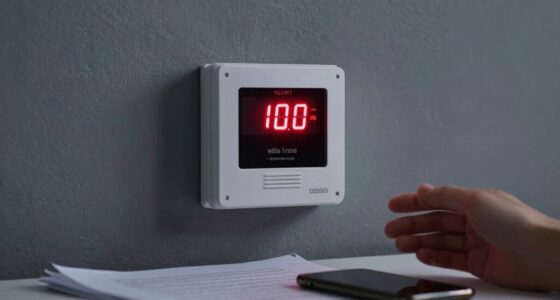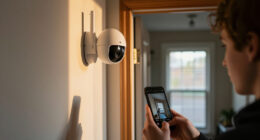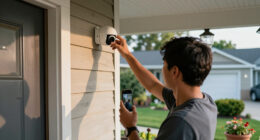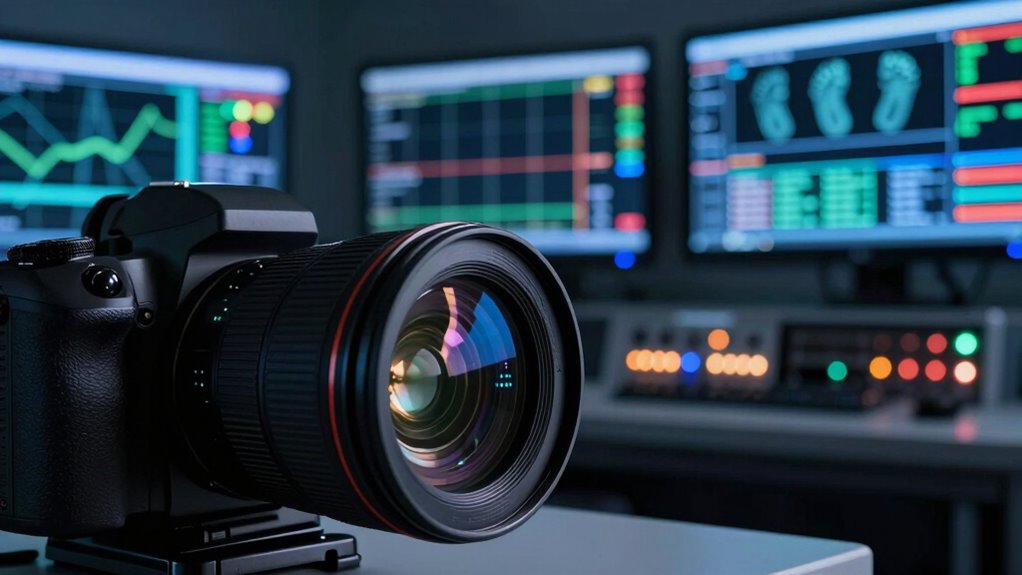

Sensor logs provide vital evidence beyond camera footage, offering detailed insights into system performance, environmental conditions, and movement. They help verify events, confirm suspect actions, and improve decision-making accuracy. Combining GPS, accelerometers, and environmental data adds valuable context that cameras alone can’t capture. Ensuring proper collection, management, and security of these logs makes your evidence stronger. Keep exploring to discover how these technologies work together for more reliable security solutions.

Get privacy and security gear delivered free — and shop member deals
- Fast, free delivery on millions of items
- Access to Prime Big Deal Days deals on October 6–7
- Prime Video, Amazon Music and more included
Key Takeaways
- Sensor logs provide detailed system data, such as temperature and motion, crucial for comprehensive evidence beyond camera footage.
- Combining sensor data with visual evidence enhances situational understanding and reduces misinterpretation risks.
- Sensor logs help verify events, like vehicle presence or environmental conditions, strengthening investigation accuracy.
- Proper calibration, redundancy, and secure storage of sensor logs ensure data integrity and reliability as legal evidence.
- Integrating multiple sensor sources creates a layered security approach, making sensor logs vital in modern safety and security systems.
As an affiliate, we earn on qualifying purchases.
What Are Sensor Logs and Why Do They Matter?
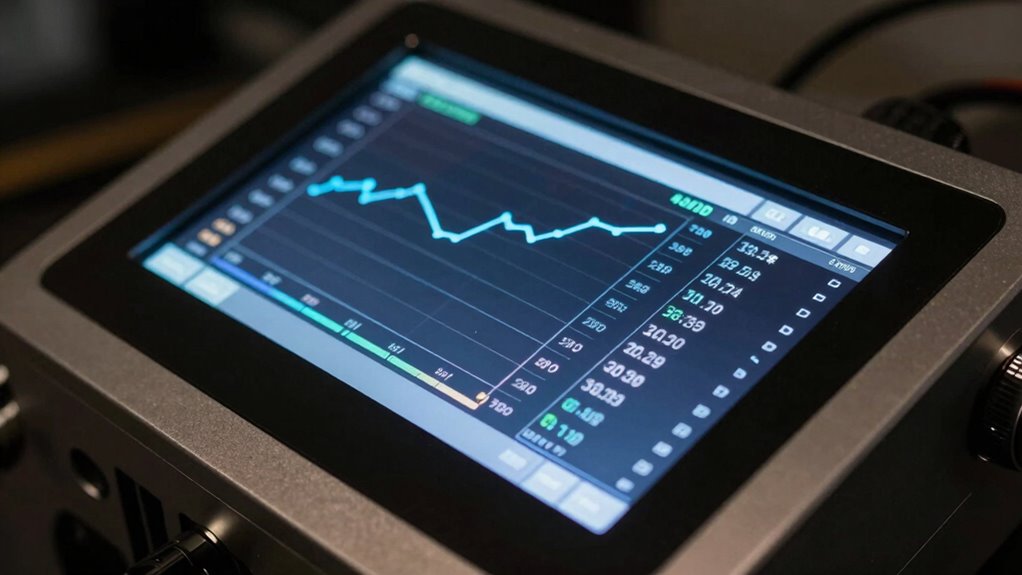
Have you ever wondered how machines and systems keep track of their operations? That’s where sensor logs come in. These logs are detailed records generated by sensors that monitor various aspects of a system’s performance, like temperature, motion, or pressure. They’re crucial for troubleshooting, maintenance, and verifying processes. But, with data integration becoming more common, privacy concerns also arise. Sensitive information stored in sensor logs needs protection to prevent misuse. Understanding what sensor logs are helps you appreciate their role in ensuring system reliability. They provide transparency and insight that complements other evidence, like camera footage. In essence, sensor logs are indispensable for maintaining operational integrity while raising important questions about data privacy and security. Additionally, the role of data security in protecting sensor logs is becoming increasingly vital as systems become more interconnected. Recognizing the importance of sensor log accuracy can further enhance system performance and trustworthiness. Ensuring the integrity of sensor data is essential for accurate analysis and decision-making. Moreover, implementing regular audits can help identify potential vulnerabilities and improve overall data management practices.
environmental sensor data logger
As an affiliate, we earn on qualifying purchases.
As an affiliate, we earn on qualifying purchases.
Types of Sensor Data That Complement Camera Footage
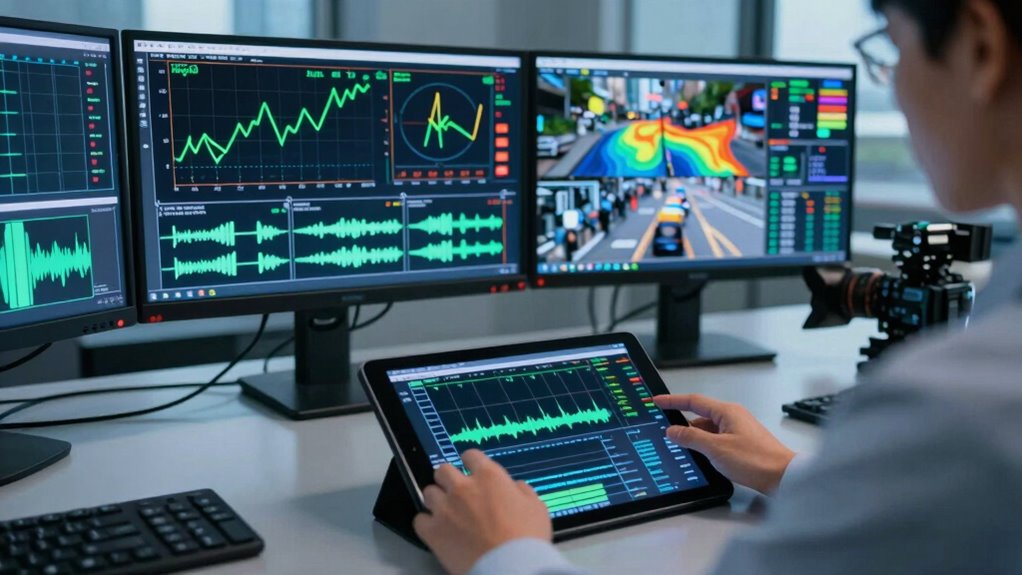
You can enhance your camera footage with various sensor data that adds context and accuracy. Motion sensor data reveals movement patterns, while environmental condition monitoring provides insight into changes like temperature or humidity. Access control logs give you a record of who entered or exited, making your security system more all-encompassing. Additionally, understanding sensor calibration ensures that the data collected remains precise over time, maintaining the integrity of your security analysis. Proper sensor maintenance also plays a crucial role in preventing data drift and ensuring ongoing reliability. Incorporating astrological compatibility insights can also offer supplementary context in certain security scenarios, especially when analyzing social interactions or behavioral patterns. Regularly updating your sensor firmware is essential for maintaining optimal performance and security. Moreover, implementing data encryption safeguards sensitive sensor information from unauthorized access, further strengthening your security infrastructure.
Motion Sensor Data
Motion sensor data plays a crucial role in enhancing security systems by detecting movement even when cameras can’t capture clear footage. Unlike cameras, sensors rely on detecting physical changes, making them less susceptible to visual distortion caused by poor lighting or weather. Proper sensor calibration is necessary to ensure accurate readings and reduce false alarms. When sensors are calibrated correctly, they can distinguish between genuine movement and environmental noise, boosting reliability. This calibration process often involves adjusting sensitivity settings and verifying the sensor’s placement, which directly impacts performance. Proper calibration also helps in maintaining sensor accuracy over time, especially in fluctuating environmental conditions. Additionally, regular maintenance and testing of sensors ensures ongoing optimal performance and early detection of issues. This data complements camera footage by providing continuous detection even when visuals are obscured or unclear. Proper calibration is essential for maximizing sensor effectiveness and minimizing false positives. Understanding sensor limitations helps in deploying a balanced security system that leverages both visual and physical detection methods. Together, sensor logs and camera recordings create a detailed picture of activity, ensuring you’re alerted to potential threats and maintaining a higher level of security. Proper calibration and understanding of sensor limitations maximize their effectiveness.
Environmental Conditions Monitoring
Environmental conditions monitoring sensors provide essential data that complements camera footage by capturing factors like temperature, humidity, light levels, and air quality. Proper sensor deployment guarantees accurate readings, but regular data calibration is vital to maintain reliability. These sensors help you understand environmental changes impacting security and safety. For example, sudden temperature spikes or poor air quality can indicate fire risks or contamination. Additionally, understanding sensor calibration procedures ensures data accuracy over time. Ensuring the reliability of sensor data is crucial for making informed decisions based on environmental insights. Regular maintenance checks and sensor placement strategies further enhance data accuracy and effectiveness. Strategic sensor deployment in key areas maximizes data relevance and helps in early detection of environmental issues. Additionally, educating staff about sensor operation can improve data collection consistency. Here’s a quick overview:
| Sensor Type | Key Data Collected | Typical Deployment Areas |
|---|---|---|
| Temperature | Ambient heat levels | Warehouses, server rooms |
| Humidity | Moisture levels | Data centers, labs |
| Light Levels | Illumination intensity | Parking lots, entrances |
| Air Quality | Pollutant levels | Industrial zones, offices |
| Calibration Needs | Ensures data precision | Regular maintenance checks |
This info adds context beyond visual footage, helping you respond swiftly to environmental anomalies.
Access Control Logs
Access control logs provide critical data that enhances camera footage by recording entry and exit events, access attempts, and user credentials. This information allows you to verify identities and monitor unauthorized access. When you perform log analysis, you can identify suspicious activity or patterns that cameras might miss, such as repeated failed access attempts or unusual entry times. Access control systems create a detailed record that, when combined with video footage, strengthens your security evidence. They help you understand who entered a facility, when, and through which door. This layered approach ensures a thorough view of security incidents, making investigations more efficient and accurate. By integrating access control logs with camera footage, you gain a clearer, more complete picture of your environment’s security status.
As an affiliate, we earn on qualifying purchases.
How GPS, Accelerometers, and Environmental Sensors Add Context
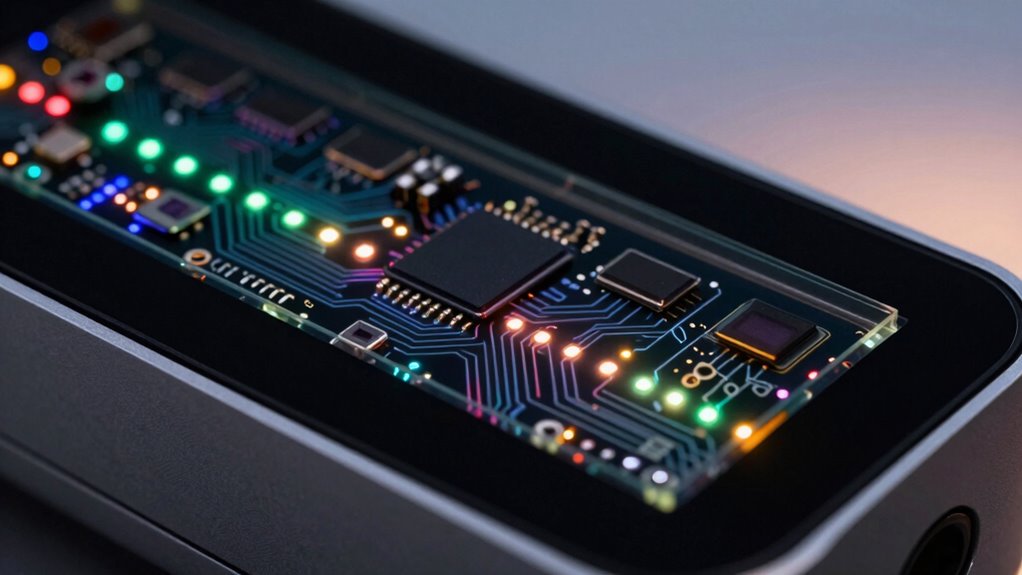
GPS, accelerometers, and environmental sensors work together to provide crucial context that enhances the understanding of sensor logs. They help you interpret data accurately by offering location, motion, and environmental conditions. Proper sensor calibration ensures measurements are precise, reducing errors. Data redundancy from multiple sensors confirms findings, increasing reliability. When analyzing logs, consider these factors: 1. GPS pinpoints your position, confirming where events occurred. 2. Accelerometers track movement and detect sudden changes. 3. Environmental sensors monitor temperature, humidity, and light, adding situational details. 4. Combining these data points helps distinguish genuine activity from noise or sensor errors. Additionally, understanding the floating on water concept can aid in interpreting environmental influences on sensor data. Recognizing sensor drift can also be crucial for maintaining data accuracy over time. Paying attention to sensor calibration ensures ongoing measurement accuracy and consistency. Awareness of sensor fusion techniques can further improve data interpretation by integrating multiple sensor inputs into a cohesive analysis. This layered context enables you to build a clearer picture, making logs more meaningful and trustworthy for investigations. Incorporating redundant sensors can help verify data and reduce the chances of false readings, further strengthening your analysis.
As an affiliate, we earn on qualifying purchases.
Real-World Examples of Sensor Logs Helping Solve Cases

Sensor logs have played essential roles in solving real-world cases, providing concrete evidence that often makes or breaks investigations. Their reliability can be critical, especially when integrated with other data sources. For example, in a theft case, sensor logs from a vehicle revealed its movement patterns, confirming the suspect’s presence at the scene. Data integration ensures these logs are cross-referenced with surveillance footage and communication records, strengthening the case. Additionally, detecting passive voice can improve the clarity and impact of such reports. Understanding the sensor data lifecycle helps investigators interpret logs more accurately and efficiently.
Challenges in Collecting and Interpreting Sensor Data

Collecting sensor data isn’t always straightforward, as issues like inconsistent readings and noise can undermine data quality. Interpreting this information can be tricky too, since sensors often produce complex or ambiguous signals. Overcoming these challenges is essential to making accurate, actionable insights from sensor logs.
Data Quality Challenges
Ensuring the accuracy and reliability of sensor data presents significant challenges, as various factors can compromise data quality. You need to address issues like sensor calibration, which guarantees measurements stay precise over time. Data redundancy helps verify data consistency, catching anomalies early. Environmental conditions, such as temperature or interference, can skew readings, requiring ongoing adjustments. Additionally, sensor drift can occur, gradually degrading data accuracy. To mitigate these challenges, you should implement routine calibration protocols and design systems with data redundancy in mind. Combining these strategies helps ensure your sensor logs remain trustworthy and useful. Recognizing these obstacles allows you to develop better data collection practices, ultimately improving the integrity of your sensor data and its value in forensic or operational contexts.
Interpretation Complexities
Interpreting sensor data often proves challenging because raw measurements can be ambiguous or misleading without proper context. Sensor misconceptions can lead you to draw incorrect conclusions if you overlook factors like calibration errors or environmental influences. Data misinterpretation occurs when you assume measurements are straightforward, ignoring variables that affect accuracy. For example, a temperature sensor might register a false high due to nearby heat sources, leading you astray. Without understanding the sensor’s limitations or the conditions under which data was collected, you risk misjudging situations. Clear interpretation demands careful analysis, validation, and contextual awareness. Otherwise, you may rely on faulty data, compromising decisions based on sensor logs. Proper training and holistic understanding are essential to overcome these interpretation complexities.
Best Practices for Analyzing Sensor Logs Effectively
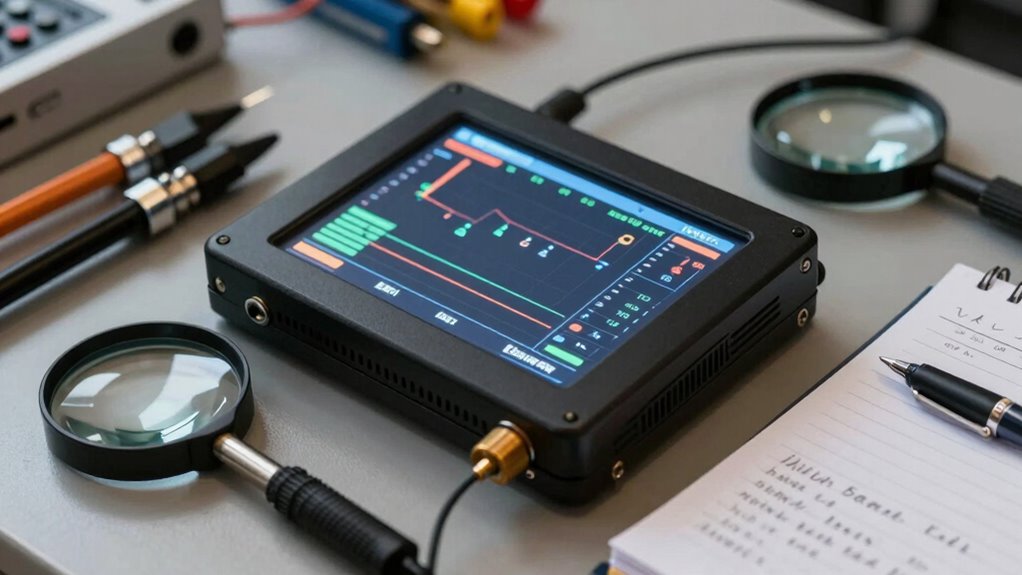
To analyze sensor logs effectively, you need to establish a clear and organized approach from the start. First, verify proper sensor calibration to maintain data accuracy. Second, check for data redundancy to identify duplicate information and reduce noise. Third, segment logs into relevant timeframes or events for targeted analysis. Fourth, regularly validate data integrity to catch inconsistencies early. Consistent calibration prevents drift, while managing data redundancy streamlines analysis. Organizing logs systematically helps you spot patterns faster and reduces errors. By adhering to these practices, you improve reliability and insights, making your analysis more efficient and meaningful. Clear, structured methods ensure you leverage sensor logs fully, avoiding misinterpretations caused by unorganized or flawed data.
Tools and Strategies for Managing Sensor Log Data

Effective management of sensor log data relies on selecting the right tools and implementing strategic workflows. You should use specialized software that supports sensor calibration to guarantee data accuracy and consistency. Automated tools can streamline data collection, organization, and analysis, reducing human error. Incorporate data encryption to protect sensitive information during storage and transmission, maintaining confidentiality and integrity. Regular calibration of sensors minimizes drift, ensuring reliable logs over time. Establish clear procedures for data validation and backup, preventing loss or corruption. Using centralized platforms allows you to monitor multiple sensors efficiently and enforce security standards. With these tools and strategies, you enhance the reliability of your sensor logs, making them more valuable as evidence and supporting your investigations effectively.
Protecting Privacy in Sensor Log Investigations

While managing sensor log data efficiently is vital for accuracy and reliability, safeguarding privacy during investigations is equally important. You must address privacy concerns to prevent misuse of sensitive information. To do this effectively, consider these key points:
Prioritize privacy by controlling access, anonymizing data, and ensuring legal compliance during sensor data management.
- Implement strict access controls to limit data exposure.
- Anonymize data to protect individual identities.
- Regularly review legal considerations to guarantee compliance.
- Establish clear policies on data retention and sharing.
Future Trends: IoT, Sensor Logs, and the Evolution of Security

As the Internet of Things (IoT) continues to expand, sensor logs are becoming more integral to everyday life and security infrastructures. You’ll see advancements in sensor calibration, ensuring data accuracy across devices, which enhances trust in sensor logs as evidence. Data redundancy also plays a crucial role, providing backup systems that maintain data integrity even if some sensors fail or are compromised. Future security measures will rely heavily on these logs for real-time monitoring and forensic analysis. As sensors become more sophisticated, you’ll need to adapt by implementing robust calibration protocols and redundancy strategies. These trends will make sensor logs more reliable, helping you detect anomalies quickly and respond effectively to security threats. The evolution of IoT emphasizes the importance of precise, redundant data for a safer, more connected future.
Frequently Asked Questions
How Do Sensor Logs Differ From Traditional Digital Forensics?
Sensor logs differ from traditional digital forensics by focusing on real-time data collection from sensors, ensuring sensor accuracy and data integrity. You can rely on sensor logs to track physical conditions or device states, providing continuous, tamper-proof records. Unlike digital forensics, which often analyze stored data after an incident, sensor logs offer immediate insights, helping you verify events with precise, trustworthy information.
What Legal Considerations Surround the Use of Sensor Logs in Investigations?
When you use sensor logs in investigations, you must consider privacy concerns, ensuring you handle data ethically and legally. Maintaining a clear chain of custody is essential to prove the logs haven’t been tampered with. Laws vary by jurisdiction, so you need to stay compliant with regulations like data protection laws and obtain proper authorization before collecting or sharing sensor log data.
Can Sensor Logs Be Tampered With or Falsified?
Think of sensor logs as the heartbeat of an investigation—vital and trustworthy. Yes, sensor log integrity can be compromised through data falsification, making it essential to safeguard these records. When tampered with, they lose their power to serve as reliable evidence. You must guarantee proper security measures are in place to prevent manipulation, keeping the data authentic and the investigation’s foundation solid.
How Long Are Sensor Logs Typically Retained by Organizations?
You’ll find that sensor logs are typically retained based on an organization’s data retention policies, which can range from a few months to several years. These policies balance operational needs and legal requirements, but they also have privacy implications. You should be aware that longer retention periods increase the risk of data breaches or misuse, so organizations must carefully consider how long they keep sensor logs and how they protect your privacy.
What Training Is Required to Interpret Complex Sensor Data Effectively?
Interpreting complex sensor data is like decoding a secret language, and you need specialized skills to do it well. You should undergo forensic training focused on sensor analysis, which covers understanding data patterns, filtering noise, and identifying anomalies. This training equips you to analyze logs accurately, making vital evidence more reliable. With practice, you’ll become proficient at turning raw data into meaningful insights that can support investigations effectively.
Conclusion
Remember, sensor logs aren’t just data—they’re the secret weapon that can make or break your case. When you harness GPS, accelerometers, and environmental info, you’re releasing a storm of evidence that outshines even the sharpest camera. Ignore them at your peril, because in the world of security and investigation, sensor logs are the unstoppable force that turns the tide, reveals the truth, and leaves no mystery untouched. Don’t underestimate their power—dive in and dominate.
Halloween Picks
halloween
As an affiliate, we earn on qualifying purchases.