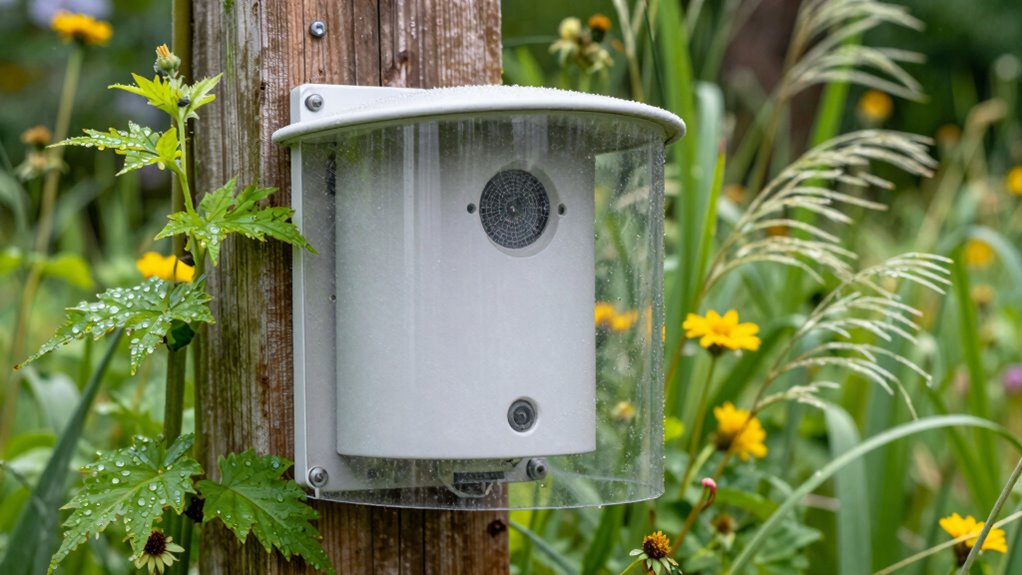

To protect outdoor sensors from nuisance triggers, regularly calibrate them for accuracy and adjust sensitivity settings to ignore minor movements. Mount sensors securely in sheltered locations and use weatherproof enclosures with seals and filters to block debris and moisture. Proper placement is key—position sensors away from extreme environmental factors and potential tampering points. Keep notes of maintenance and inspect sensors often to guarantee they function correctly. Keep exploring for more tips to safeguard your sensors effectively.
Get ready for Prime Big Deal Days — try Prime free
Exclusive member deals on October 6–7, plus fast free delivery. Cancel anytime.
As an affiliate, we earn on qualifying purchases.
Key Takeaways
- Properly position sensors away from moving branches, animals, and other environmental triggers.
- Adjust sensitivity settings to ignore minor movements or non-relevant stimuli.
- Install sensors in sheltered locations to minimize weather-related false alarms.
- Use weatherproof enclosures and protective coatings to prevent environmental interference.
- Regularly maintain and calibrate sensors to ensure optimal performance and reduce nuisance triggers.

Are you wondering how to keep your outdoor sensors functioning properly despite harsh weather conditions and potential tampering? Proper maintenance and protective measures are vital to prevent nuisance triggers that can lead to false alarms or sensor failure. One of the first steps is to regularly perform sensor calibration. Calibration ensures that your sensors are accurately reading environmental data, which helps prevent false triggers caused by drift or misalignment. Check the manufacturer’s instructions to see how often calibration is recommended, and consider scheduling routine calibration sessions, especially after severe weather events or physical disturbances. Additionally, using airless paint sprayers for protective coatings can help extend the lifespan of sensor enclosures by providing a durable, weather-resistant layer.
Regularly calibrate outdoor sensors to ensure accurate readings and prevent false alarms after severe weather or disturbances.
Weatherproofing techniques are equally important to shield your sensors from environmental damage. Start by installing your sensors in sheltered locations, such as under eaves, awnings, or dedicated protective housings. These covers prevent direct exposure to rain, snow, and excessive sunlight, which can interfere with sensor operation. Use weatherproof enclosures designed specifically for outdoor sensors; these enclosures typically feature seals and gaskets that block moisture and dust while allowing necessary airflow. Make sure the enclosure’s vents are equipped with filters to prevent debris from entering and causing false alerts. Incorporating environmental protection measures can further enhance the durability of your sensors in harsh conditions. Regular inspections and maintenance also help identify potential vulnerabilities before they cause issues. To improve longevity, consider applying protective coatings that provide additional resistance against corrosion and weathering.
Secure your sensors against tampering by anchoring them firmly in place. Use sturdy mounting brackets or lockable enclosures to deter vandalism or accidental damage. Consider placing sensors at heights or behind barriers that make tampering difficult without obstructing their intended function. Regular inspections are essential—look for signs of damage, corrosion, or dirt buildup that might affect sensor sensitivity. Cleaning sensors periodically, especially after storms or heavy dust, helps maintain peak performance.
Furthermore, adjusting sensor sensitivity settings can greatly reduce nuisance triggers. For example, motion sensors with adjustable sensitivity can be fine-tuned to ignore small movements caused by falling leaves or animals. Similarly, setting appropriate detection zones prevents sensors from reacting to irrelevant stimuli. Combining these adjustments with weatherproofing and secure mounting creates a thorough defense against false alarms. Employing proper sensor placement strategies can significantly reduce the likelihood of nuisance triggers caused by environmental factors.
Finally, keep detailed records of calibration dates, maintenance, and any changes made to sensor settings. This documentation helps troubleshoot issues quickly and ensures consistent performance over time. By taking these steps—performing regular sensor calibration, implementing weatherproofing techniques, ensuring secure mounting, and fine-tuning sensitivity—you can drastically reduce nuisance triggers. Your sensors will function more reliably, providing peace of mind and safeguarding your property against false alarms caused by weather or tampering.
outdoor sensor weatherproof enclosure
As an affiliate, we earn on qualifying purchases.
As an affiliate, we earn on qualifying purchases.
Frequently Asked Questions
Can Weather Conditions Damage Outdoor Sensors Permanently?
Weather conditions can cause permanent damage to outdoor sensors if you’re not careful. Extreme temperatures, moisture, and UV exposure may harm internal components, leading to sensor calibration issues or failure. To prevent this, you should use environmental shielding like protective enclosures, which guard against harsh elements. Regularly inspecting and maintaining your sensors helps guarantee they stay accurate and functional, even in challenging weather conditions.
Are There Specific Sensors More Prone to Nuisance Triggers?
A stitch in time saves nine, and certain sensors are more prone to nuisance triggers, especially those sensitive to environmental changes. Motion detectors, for example, often face false alarms due to signal interference from nearby electronic devices or poor sensor calibration. These sensors may also be more affected by weather conditions, making them more susceptible to nuisance triggers. Regular calibration and strategic placement can considerably reduce these issues, ensuring reliable sensor performance.
How Often Should Outdoor Sensors Be Maintained or Checked?
You should check your outdoor sensors monthly to make sure they’re functioning properly. Regular maintenance includes sensor calibration to keep readings accurate and inspecting the battery lifespan, replacing batteries as needed to prevent false triggers. Keep the sensors clean and free from debris, and verify that they’re properly aligned. Consistent upkeep helps prevent nuisance triggers and guarantees your sensors perform reliably over time.
Do Certain Locations Reduce False Alarms Better Than Others?
Yes, certain locations do reduce false alarms better than others. When considering sensor placement, avoid areas prone to environmental interference like wind, moving branches, or direct sunlight. Placing sensors in sheltered spots, away from high traffic, or near heat sources helps minimize false triggers. Proper placement makes certain your outdoor sensors work accurately and reliably, reducing nuisance alarms and improving overall security effectiveness.
Can Software Updates Improve Sensor Accuracy and Reduce Triggers?
Think of software updates as a lighthouse guiding your sensors through foggy conditions. They improve accuracy by refining sensor calibration and optimizing detection algorithms, reducing false triggers. Regularly updating your system guarantees your sensors stay sharp, adapting to environmental changes. This ongoing software maintenance acts like a vigilant keeper, helping your outdoor sensors distinguish between real threats and harmless movements, ultimately enhancing reliability and peace of mind.
motion sensor tamper-proof mount
As an affiliate, we earn on qualifying purchases.
As an affiliate, we earn on qualifying purchases.
Conclusion
By taking these simple steps, you’ll keep your outdoor sensors running smoothly, just like a trusty steed in a medieval fortress. Regularly maintain and shield them from the elements, and you’ll prevent false alarms and unnecessary headaches. Think of it as equipping your sensors with armor, ensuring they serve you faithfully through rain, wind, and snow. With a little care, you’ll enjoy a secure, hassle-free outdoor setup—no need to call upon Merlin for help!
As an affiliate, we earn on qualifying purchases.
sensor sensitivity adjustment kit
As an affiliate, we earn on qualifying purchases.
As an affiliate, we earn on qualifying purchases.
NFL season / tailgating Picks
team gear
As an affiliate, we earn on qualifying purchases.