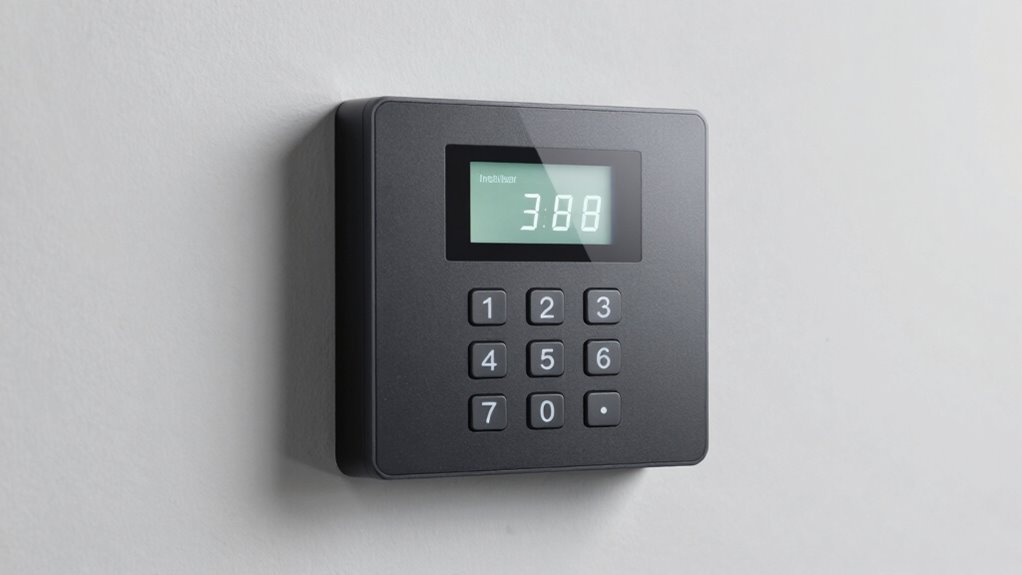

If your alarm system’s installer code is still set to the default, it’s a security risk. You should access the system’s settings or programming menu to change it to a unique, strong code right away. Leaving defaults makes it easier for intruders to disarm or disable your system. To stay protected, follow the step-by-step instructions tailored to your system. Keep your security tight—more tips on securing your alarm come next.
Key Takeaways
- Change the default installer code promptly through system settings or programming menu to prevent unauthorized access.
- Refer to your alarm system’s manual or manufacturer’s website for specific reset instructions.
- Avoid leaving default codes active, as they are widely known and pose security risks.
- Use a strong, unique code and regularly update it to enhance security.
- If unsure, contact your alarm provider or manufacturer for guided reset procedures.
alarm system installer code reset kit
As an affiliate, we earn on qualifying purchases.
As an affiliate, we earn on qualifying purchases.
How to Find and Confirm Your Alarm System’s Current Installer Code

Finding your alarm system’s current installer code is essential before making any changes. To do this, first check your user manual or manufacturer’s website for specific instructions, as alarm system compatibility varies. Many systems store the installer code in the system’s settings or programming menu, accessible through a series of keypad commands. Confirm the code by entering it and testing whether you can access advanced settings. Remember, the installer code controls user access permissions, so knowing the correct code ensures you can modify system features securely. If the code isn’t readily available, consider performing a factory reset or contacting the manufacturer for guidance. Properly identifying the current installer code helps prevent unauthorized access and protects your system’s integrity. Additionally, understanding the European cloud infrastructure can help ensure your alarm system is integrated with secure and compliant cloud solutions. Being aware of the security protocols associated with your system further safeguards against potential breaches. Knowing the system’s firmware can also be crucial for maintaining security and functionality over time.
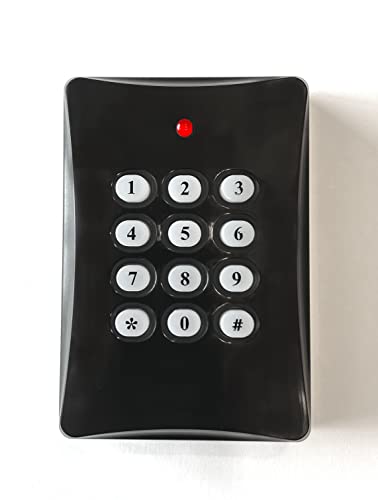
Blue Charm Fake Security Alarm Keypad, Extra Long 1.5 Year Continuous Usage Battery Life, No Wiring Needed
- Realistic Deterrent Design: Authentic appearance with blinking LED
- Long Battery Life: Up to 1.5 years with 4 AAA batteries
- Easy Installation: No wiring or professional setup needed
As an affiliate, we earn on qualifying purchases.
As an affiliate, we earn on qualifying purchases.
Why Using Default Installer Codes Can Leave Your System Vulnerable

Using default installer codes can make your system an easy target for intruders, as these codes are widely known or easily guessed. This increases your security risks and leaves your home vulnerable. Changing the codes promptly is essential to protect your system and your peace of mind. Regularly reviewing your security protocols can help ensure your system remains protected, especially since many people overlook updating their default settings. Additionally, being aware of common vulnerabilities in security systems can help you take proactive measures to safeguard your property effectively.
Common Default Codes
Default installer codes are widely known and often remain unchanged, making them a significant security risk. Many systems come with default passwords like 1234, 0000, or 1111, which are easily guessed by intruders. These codes are part of the factory settings, intended for initial setup but should be changed immediately. Leaving default passwords in place means anyone familiar with these common codes can gain access to your alarm system’s configuration. Recognizing the common default codes used by manufacturers helps you identify the need to change them. Always review your system’s default factory settings and replace them with unique, strong codes to protect your home effectively. Additionally, understanding vetted security practices can help you better safeguard your system from potential threats. Being aware of common default codes used across different systems can help prevent unauthorized access and improve your overall security. Regularly updating your passwords and security protocols further enhances protection against unauthorized intrusions. To ensure your system remains secure, consider consulting professional security guidance for tailored recommendations.
Increased Security Risks
Leaving your installer code unchanged profoundly increases the risk of unauthorized access, as intruders can easily exploit well-known default passwords to disable your security system. Once inside, they can turn off alarms, tamper with home automation devices, or bypass security measures. This vulnerability jeopardizes your safety and compromises alarm maintenance. Imagine a thief viewing this table:
| Intruder Action | Potential Outcome |
|---|---|
| Access your system with default code | Disarm alarm, disable cameras |
| Exploit known passwords | Bypass security, disable home automation |
| Tamper with alarm sensors | Reduce system effectiveness |
| Disable alarm notifications | Prevent alerts of intrusion |
| Access connected devices | Manipulate or disable home automation |
Failing to change your installer code leaves your home exposed, making it easy for someone with malicious intent to exploit these weaknesses.
How to Change Codes
Changing your installer code is an essential step in securing your home security system because it prevents intruders from exploiting known access points. To do this, start by accessing your alarm system’s settings during alarm system maintenance. Locate the option to change user access management or codes, then replace the default installer code with a unique one. Make sure your new code is complex and not easily guessed. Regularly updating your codes enhances security and reduces vulnerabilities. Always document changes securely and avoid sharing codes unnecessarily. Remember, default installer codes are well-known to hackers, so changing them is crucial for safety. Additionally, choosing a strong and unique code significantly improves your system’s protection. Taking these steps ensures your system remains protected from unauthorized access, giving you peace of mind and maintaining the integrity of your home security.

2gig Firmware Update Cable for TS1
- Firmware update cable: Enables firmware updates for TS1
- Direct PC connection: Connects PC to Go!Control for updates
- Professional installation only: Designed for professional use
As an affiliate, we earn on qualifying purchases.
As an affiliate, we earn on qualifying purchases.
Step-by-Step Guide to Changing Your Alarm System’s Installer Code

To update your alarm system’s installer code, you’ll need to access the system’s programming mode and follow specific steps outlined in your user manual. First, enter the system’s programming mode by inputting the master code or designated sequence. Locate the option for installer or technician code settings, then input a new, strong installer code. Be sure to confirm the change as directed. This process directly addresses alarm system vulnerabilities caused by default codes and enhances installer code security. Always document your new code and keep it secure. If you’re unsure about any step, consult the manual or contact your alarm provider for guidance. Regularly changing the installer code helps prevent unauthorized access and keeps your alarm system safe from potential threats. Incorporating security best practices and updating codes periodically can further strengthen your system’s protection. Additionally, understanding the security zone info provided by your system can help you better configure and monitor your setup effectively.

WSDCAM Door Alarm Wireless Anti-Theft Remote Control Door and Window Security Alarms
- Remote control for multiple modes: Arm, disarm, panic, doorbell modes
- Magnetic trigger alarm: Suitable for doors and windows
- Expandable system: Additional alarms and remotes available
As an affiliate, we earn on qualifying purchases.
As an affiliate, we earn on qualifying purchases.
What to Do If You Can’t Access or Change the Installer Code

If you can’t access installer mode or change the code, resetting your system to factory defaults might be necessary. This process typically involves specific button presses or power cycles outlined in your manual. Keep in mind, resetting may erase custom settings, so proceed carefully. For some systems, navigation and mapping features might need reconfiguration after reset. Additionally, consult your system’s manufacturer for guidance on resetting procedures and potential firmware updates to prevent future access issues. Ensuring your system is connected to trusted resources can help maintain security and functionality.
Accessing Installer Mode
When you’re unable to access the installer mode because you don’t know or can’t change the installer code, it’s important to explore alternative methods to gain entry. Remote access might be available through your security provider’s app, allowing authorized users to enter installer mode without needing the code. Check your user permissions—if you have admin rights, you may be able to reset or override settings remotely. Sometimes, pressing specific button combinations on the control panel or keypad can bypass the code requirement. Reviewing your connected home security system’s documentation can provide additional insights into manufacturer-specific reset procedures. Additionally, understanding security protocols can help you identify legitimate ways to regain control without compromising your system’s integrity. Familiarizing yourself with system troubleshooting steps can also assist in resolving access issues more efficiently. Being aware of manufacturer-specific reset methods can sometimes enable you to recover access without external assistance.
Resetting to Factory Defaults
Struggling to access or change the installer code can leave you stuck, but resetting your alarm system to factory defaults offers a straightforward solution. First, verify your alarm system’s compatibility with factory reset procedures, as methods differ among brands and models. If you can’t troubleshoot installer codes directly, performing a reset restores default settings, including the installer code. Usually, this involves disconnecting power, pressing specific buttons, or using a pin to press the reset hole. Keep in mind, resetting erases custom configurations, so be prepared to reprogram your system afterward. Always consult your alarm system’s manual or manufacturer’s instructions to ensure proper reset procedures. Resetting to factory defaults can save you time and frustration when troubleshooting installer codes, giving you control again. Additionally, understanding wiring basics can help if you need to perform hardware resets or troubleshoot connection issues. Being aware of security vulnerabilities associated with default codes can motivate you to complete the reset promptly and securely.
How to Choose a Strong, Unique Installer Code

Choosing a strong, unique installer code is vital to keep your security system protected. Start by avoiding simple or common combinations like 1234 or 0000. Instead, use a complex code with a mix of numbers, letters, or special characters if your system allows. When updating your alarm system calibration, guarantee the installer code isn’t part of your maintenance checklist, which is indispensable for ongoing security. A unique code prevents unauthorized access during system servicing or troubleshooting. Change the default code immediately after installation, and don’t reuse codes from other accounts. Regularly review and update your installer code to stay ahead of potential threats. Incorporating secure wiring practices and ensuring proper cable management can further enhance your system’s overall reliability and security. This simple step, combined with good infrastructure, enhances your overall security and reduces the risk of someone exploiting the system’s default settings.
Common Mistakes to Avoid When Updating Your Alarm System’s Codes

Updating your alarm system’s codes is a crucial step in maintaining security, but many people make mistakes that can compromise their safety. Poor code management or neglecting user responsibility can leave your system vulnerable. To avoid common pitfalls:
- Don’t reuse old or default codes; always set unique, complex ones to prevent easy access.
- Avoid sharing your code with multiple users unless necessary; this minimizes security risks.
- Remember to update codes regularly and revoke access for those who no longer need it.
Failing to follow these steps can lead to unauthorized entry or security breaches. Be proactive in managing your codes, and take responsibility for your system’s security. Proper code management is key to keeping your home safe and ensuring you’re the only one with access.
How Changing the Installer Code Improves Your Security

Changing the installer code is a simple yet effective way to strengthen your alarm system’s security. By updating it regularly, you follow installer code best practices, reducing the risk of unauthorized access. Using a unique, complex code prevents intruders from guessing or exploiting default settings. Additionally, this change enhances your alarm system encryption, making it harder for hackers to intercept or manipulate signals. An updated installer code ensures only trusted technicians can access system settings, protecting your home from potential breaches. Remember, default codes are a common vulnerability, so customizing this code is a crucial step in maintaining your system’s integrity. Taking this proactive measure keeps your alarm system secure and gives you peace of mind.
Extra Tips for Securing Your Alarm System Beyond the Installer Code

While securing your installer code is essential, there are additional steps you can take to further protect your alarm system. One important measure is to review the alarm system branding, ensuring it clearly displays your preferred security provider rather than generic branding that might reveal system details. Additionally, check the installer code history to confirm no unauthorized changes have occurred. Here are some extra tips:
Enhance security by reviewing branding and installer code history to prevent unauthorized system access.
- Change default passwords and disable unused features to prevent unauthorized access.
- Regularly review and update your alarm system’s firmware for security patches.
- Limit access to the system by setting user codes with specific permissions, avoiding sharing installer or master codes unnecessarily.
Taking these steps helps bolster your alarm system’s security beyond just changing the installer code.
Frequently Asked Questions
Can I Revert to the Default Installer Code Later if Needed?
Yes, you can revert to the default installer code later if needed, but doing so might introduce security vulnerabilities. Restoring it can compromise your system’s security, so weigh the risks against user convenience. If you must revert, consult your alarm’s manual or contact the installer for guidance. Always remember to update the code afterward to protect your home, balancing ease of access with security.
Are There Any Risks Associated With Changing the Installer Code?
Changing the installer code can reduce security vulnerabilities, but it might also impact user convenience if you forget the new code. If you don’t update it properly, unauthorized users could gain access, so make sure to choose a strong, memorable code. Always keep the new installer code in a safe place, balancing security with convenience. Regularly review and update it to maintain peak security without causing unnecessary hassle.
How Often Should I Update My Alarm System’s Installer Code?
You should update your alarm system’s installer code during regular security system maintenance, ideally every 6 to 12 months. This helps prevent unauthorized access and ensures your user code customization remains secure. Changing it regularly minimizes risks, especially if someone else gains knowledge of the code. Don’t wait until a breach occurs—staying proactive keeps your system safe and your home protected.
Do Different Alarm Brands Have Different Procedures for Changing Codes?
Yes, different alarm brands have unique procedures for changing codes, but most follow specific security protocols to protect user access. You should consult your alarm’s manual or manufacturer’s website for step-by-step instructions tailored to your model. Typically, you’ll need to enter a master code or access menu, then set a new installer or user code. Following these procedures guarantees your system remains secure and only authorized individuals can access it.
Is Professional Assistance Required to Change the Installer Code?
You can usually change the installer code yourself, but it’s best to play it safe—don’t bite off more than you can chew. Some alarm systems require professional assistance to prevent security breaches, especially if you’re unsure about the process. Giving user access only to trusted individuals is essential. If you’re uncomfortable, hiring a pro ensures the job’s done right, avoiding any potential security hiccups. Better safe than sorry!
Conclusion
Don’t delay—diligently delete default details and designate a distinctive, secure code. By bypassing basic breaches and boosting barriers, you’re better protecting your property and peace of mind. Regularly review and revise your codes to remain resilient against risks. Remember, proactive precautions prevent potential problems, so stay savvy, secure, and steadfast in safeguarding your system. Strengthen security with smart strategies and stay one step ahead of snoopers and intruders.