
In just five minutes, you can quickly spot easy entry points by focusing on common vulnerabilities like suspicious emails, outdated software, weak passwords, and misconfigured permissions. Check user access levels, ensure multi-factor authentication is in place, scan for open ports, and evaluate physical security. Prioritize high-risk issues and patch critical flaws immediately. To learn how to optimize this rapid check and strengthen your defenses further, keep exploring these simple yet effective strategies.
Key Takeaways
- Focus on reviewing email links, sender authenticity, and suspicious attachments for quick threat identification.
- Check user permissions and recent access changes to spot potential unauthorized entry points.
- Scan for outdated software, unpatched vulnerabilities, and open ports on critical systems.
- Verify physical security controls over server rooms and workstations to prevent physical breaches.
- Use automated tools to monitor network activity and identify unusual or unauthorized access patterns.
Why a 5-Minute Window Audit Can Spot Vulnerabilities Quickly

A 5-minute window audit is a powerful tool because it allows you to quickly identify vulnerabilities before they escalate. With a swift risk assessment, you can pinpoint weak spots that could be exploited by attackers. This process helps you focus on threat identification, revealing potential entry points in your environment. By acting fast, you prevent small issues from turning into major security breaches. The speed of the audit means you don’t need extensive resources or time, making it practical for regular checks. Additionally, understanding contrast ratio can help you evaluate the clarity and depth of your security measures. Incorporating European cloud standards into your assessment can further enhance your security posture. Recognizing the horsepower of electric dirt bikes can also provide insights into performance thresholds that might be relevant for security testing environments. Keeping an eye on rapid threat detection allows for quicker responses to emerging vulnerabilities. Being aware of cybersecurity frameworks can guide you in aligning your security practices with established best practices. Ultimately, this quick assessment sharpens your awareness of vulnerabilities, enabling you to address risks proactively. It’s an efficient way to stay ahead of threats and strengthen your defenses without disrupting your daily operations.
Prepare Your Environment for a Fast Security Check

Prepare Your Environment for a Fast Security Check. To guarantee your environment is prepared for a quick security check, start by organizing and consolidating your critical assets and data. Review user access permissions, ensuring only necessary individuals have entry to sensitive information. Remove outdated accounts and restrict privileges to the minimum needed for each user’s role. Strengthen your password policies by enforcing complex, unique passwords and requiring regular updates. Make sure multi-factor authentication is in place where possible. Document access controls and policies so you can quickly verify compliance during your audit. Clear, organized assets and strict access management minimize vulnerabilities and streamline your review process. Regularly updating your security protocols helps prevent potential breaches and keeps your defenses current. Staying aware of user access permissions and maintaining strict control over them is crucial for a swift security assessment. Conducting a comprehensive review periodically ensures that your environment remains secure and responsive to new threats. Implementing automated monitoring tools can further enhance your ability to detect and respond to unusual activities promptly. Additionally, conducting regular staff training on security best practices fosters a security-conscious culture. With these steps, you’ll be ready to identify easy entry points swiftly and improve your overall security posture efficiently.
What Cybersecurity Entry Points to Check in 5 Minutes

When you only have five minutes, focus on inspecting the most common entry points that attackers exploit. Phishing threats remain a top method for breaching defenses, so review email filters and suspicious messages. Also, consider insider risks—employees may unintentionally or maliciously give access. Quickly audit these areas:
| Entry Point | What to Check |
|---|---|
| Email and Links | Look for unusual sender addresses or suspicious links |
| User Permissions | Verify that access levels are appropriate and recent changes are justified |
| Software and Systems | Ensure updates are current and no unauthorized software is installed |
| Physical Access | Check that server rooms and workstations are secure from unauthorized personnel |
Focusing on these areas helps catch easy entry points before they lead to bigger breaches.
How to Conduct Your Rapid Vulnerability Scan

Conducting a rapid vulnerability scan efficiently targets your most exposed weaknesses without wasting time. Focus on areas like network segmentation to identify unsecured segments and test user authentication processes to uncover weak login controls. To streamline your scan, consider these key steps:
- Prioritize critical assets and exposed entry points
- Check for misconfigured network segmentation that allows lateral movement
- Test user authentication strength, including password policies and multi-factor options
- Scan for open ports and outdated services
- Review access controls and permissions on sensitive systems
- Incorporate network infrastructure assessments to ensure reliable and secure connectivity, and verify that security protocols are properly implemented throughout your environment. Additionally, understanding vulnerability management practices can help you stay ahead of emerging threats. Regularly updating your security policies can further strengthen your overall defenses.
Interpreting Your Scan Results and Fixing Critical Vulnerabilities
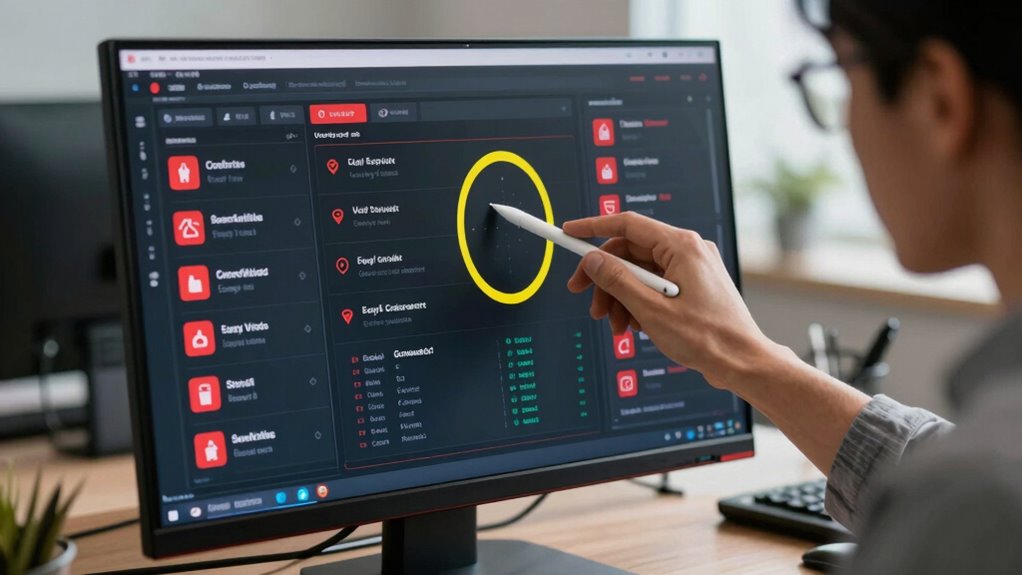
Interpreting your scan results is essential for understanding which vulnerabilities pose the greatest risk and require immediate attention. Adopting a cybersecurity mindset helps you see beyond the technical details, focusing on how each vulnerability could be exploited. Prioritize vulnerabilities based on their severity, exploitability, and potential impact on your systems. Look for critical issues like open ports, outdated software, or weak configurations that attackers often target. Address high-priority vulnerabilities first, implementing fixes or patches promptly. Keep in mind that not all findings are equally urgent, so vulnerability prioritization is key. By quickly analyzing your results with a clear focus, you can efficiently close easy entry points and strengthen your defenses without delay. Incorporating a security-focused approach ensures you recognize the most vulnerable areas and act swiftly to mitigate risks.
Top Tools to Speed Up Your Entry Point Assessment
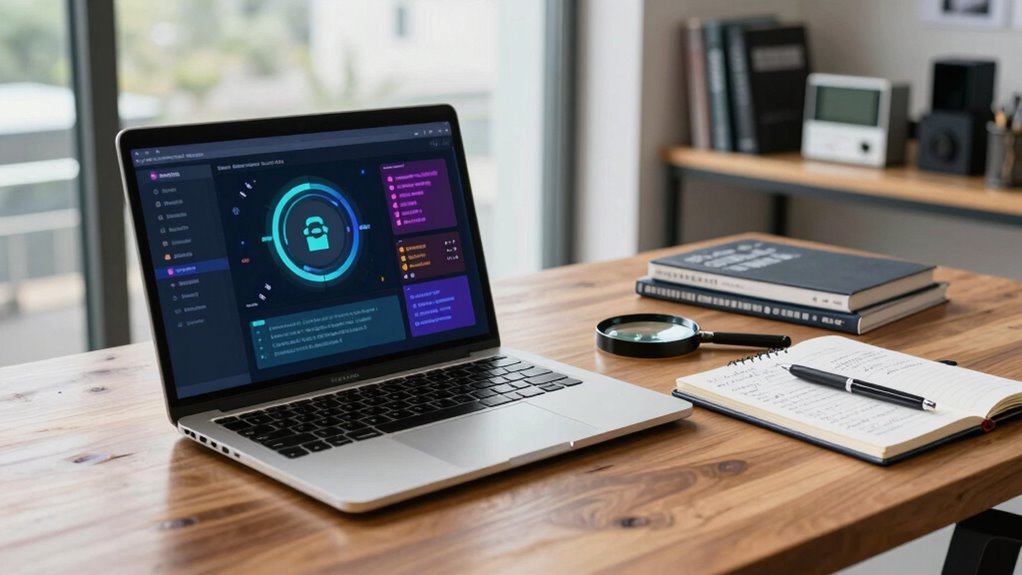
Looking to accelerate your entry point evaluations? Using the right tools can dramatically improve your efficiency in entry point identification and vulnerability prioritization. Consider these top tools:
Streamline your security assessments with top tools for faster entry point detection and vulnerability prioritization.
- Nmap for quick network scanning and open port discovery
- Burp Suite for streamlined web application testing
- OWASP ZAP for automated vulnerability detection
- Qualys SSL Labs for analyzing SSL/TLS configurations
- Metasploit for rapid exploitation and validation
These tools help you spot easy entry points fast, prioritize vulnerabilities effectively, and reduce manual effort. They enable you to focus on the most critical weaknesses, saving time and boosting your security posture. Incorporating these into your workflow ensures a swift, precise entry point assessment process, making your security audits more effective.
What to Do Next After Your Quick Security Audit

Once you’ve completed your quick security audit, the next step is to prioritize the vulnerabilities you’ve identified. Focus on those that pose the highest risk and require immediate action. Develop a clear incident response plan to address potential breaches quickly and effectively. This ensures you can contain threats before they escalate. Additionally, invest in employee training to raise awareness about common entry points and security best practices. Educated staff are your first line of defense and can help prevent attackers from exploiting simple vulnerabilities. Document your findings and create a targeted action plan. Regularly review and update your security measures based on new insights. Incorporating principles of Free Floating design can also help you identify unconventional vulnerabilities and improve overall security posture. Conducting security analysis regularly helps uncover hidden weaknesses that might otherwise go unnoticed. Building a culture of continuous improvement encourages ongoing vigilance and adaptation to emerging threats. Implementing vulnerability management strategies ensures that identified issues are systematically addressed over time. Staying informed about emerging threats and threat intelligence allows you to adapt your defenses proactively. Taking these steps helps you build a proactive security posture and minimizes the chances of a successful attack.
Simple Steps to Strengthen Your Defenses Fast

To quickly strengthen your defenses, start by patching all known security vulnerabilities and updating your software to the latest versions. Good cyber hygiene is essential; regularly review and improve your security practices. Focus on employee training to ensure everyone recognizes phishing attempts and suspicious activity. You can also:
- Enforce strong, unique passwords and multi-factor authentication
- Disable unnecessary services and ports
- Regularly back up critical data
- Implement network segmentation for sensitive areas
- Conduct brief, targeted cybersecurity awareness sessions
These steps help close easy entry points and build a security-minded culture. Remember, quick actions like patching and training have a significant impact, reducing your attack surface and boosting your overall defenses swiftly.
Frequently Asked Questions
How Often Should I Perform These Quick Window Audits?
You should perform these quick window audits weekly or bi-weekly, depending on your environment’s risk level. Automated tools make it easy to schedule and run audits regularly, ensuring you catch vulnerabilities early. Consistent audit frequency helps you stay ahead of potential threats and maintain security. By leveraging automation, you can efficiently identify entry points without disrupting daily operations, keeping your system safer and more resilient over time.
Can I Automate This 5-Minute Security Check?
Yes, you can automate this 5-minute security check using specialized tools. Automated tools streamline the process, making it quick and consistent, so you don’t have to rely solely on manual checks. By setting up regular automated scans, you ensure vulnerabilities are identified promptly, saving time and reducing errors. However, it’s still wise to periodically perform manual checks for nuanced issues that automated tools might miss, maintaining an extensive security approach.
What Common Mistakes Should I Avoid During the Audit?
Don’t let your audit turn into a house of cards—avoid overlooking firewall misconfigurations and lax user permissions. You might think you’ve got it all under control, but missing these can be like leaving the front door open. Double-check your firewall settings and guarantee user permissions are tight. Stay vigilant, stay precise, and don’t rush through; even quick audits need sharp eyes to catch potential security holes.
How Do I Prioritize Vulnerabilities Found in the Scan?
You should start by conducting a risk assessment to understand the potential impact of each vulnerability. Use vulnerability ranking to prioritize issues based on severity, exploitability, and business relevance. Address high-risk items first, especially those that could lead to data breaches or system downtime. Regularly update your rankings as new threats emerge, ensuring you focus on the most critical vulnerabilities and minimize your security gaps effectively.
Are There Specific Industries That Benefit Most From This Method?
Certain industries, like healthcare, finance, and retail, benefit most from this method because they face industry-specific vulnerabilities. Sector-focused strategies enable you to quickly identify easy entry points tailored to your sector’s unique risks. By conducting rapid audits, you can prioritize vulnerabilities efficiently, strengthening your defenses against targeted attacks. This approach helps you stay ahead by addressing the most relevant threats with minimal time investment, maximizing your security posture.
Conclusion
A quick 5-minute audit can reveal up to 70% of common entry points hackers target. By regularly checking these vulnerabilities, you stay one step ahead of threats without wasting hours. Remember, even small, swift actions can markedly strengthen your defenses. Don’t wait for a breach—use this rapid assessment to keep your environment secure and resilient. Stay proactive, stay protected, and make these quick checks part of your routine.