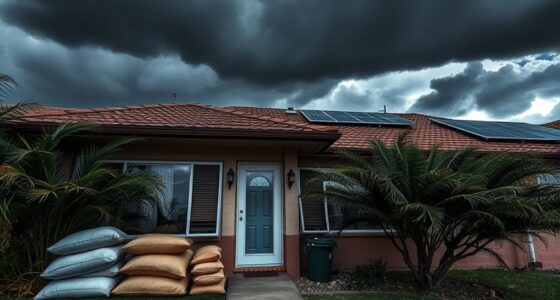
Before buying home security devices, you need a clear plan that identifies your vulnerabilities and priorities. This guarantees your efforts are targeted and effective, rather than random. By understanding your home’s unique risks, you can choose the right technology and integrate it properly. Emergency preparedness and proactive strategies also play a key role. If you keep exploring, you’ll discover how a thoughtful approach sets the foundation for a stronger, smarter security system.
Key Takeaways
- Understanding home vulnerabilities ensures the right security devices are selected for specific needs.
- Developing a comprehensive plan guides effective installation and integration of security technology.
- Emergency preparedness strategies shape device choices to improve response and safety during incidents.
- Recognizing the importance of centralized control enhances device coordination and reduces blind spots.
- A proactive security approach starts with planning to prevent threats rather than just reacting to them.
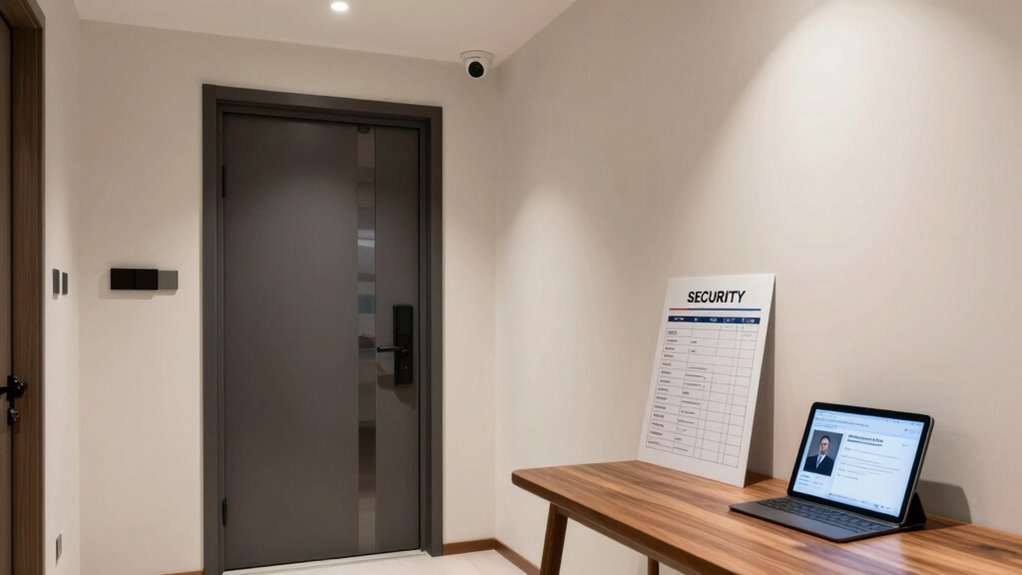
Are you taking the right steps to keep your home safe? Before you immerse yourself in purchasing security devices, it’s vital to understand that home security isn’t just about installing cameras or alarms; it’s about creating a complete plan that fits your lifestyle. Starting with a clear strategy guarantees your efforts are effective and that your home truly stays protected. This is where emergency preparedness and smart home integration come into play. These elements form the foundation of a smart security approach, allowing you to respond quickly and effectively to any threat or incident.
Smart home integration isn’t just a buzzword—it’s a game changer in how you manage your security. By connecting various devices such as cameras, door locks, motion sensors, and alarms to a centralized system, you gain real-time control and visibility. But before you select specific gadgets, consider what your home needs most. Do you want remote access? Automated alerts? Or perhaps voice control? Understanding your priorities helps you choose devices that work seamlessly together, creating a cohesive security network. Think of it as building a team rather than just collecting individual gadgets. Proper system integration minimizes blind spots and guarantees that your security system responds cohesively when an alert is triggered. Additionally, understanding home vulnerabilities**** can help you identify the most critical areas to protect.
Emergency preparedness is another vital piece. If you’re investing in security, you should also plan how to respond when something goes wrong. This involves more than just installing a camera; it means having a clear plan of action for various scenarios—whether it’s a break-in, fire, or medical emergency. Knowing where your fire extinguishers are, having a quick way to contact emergency services, and practicing safety drills can make a significant difference. When your security system is integrated smartly, it can automatically notify you or emergency responders if it detects an intrusion or fire. Additionally, understanding threat detection techniques can help you better interpret alerts and responses, making your security measures more effective. Incorporating AI-powered analytics can further enhance your ability to distinguish between false alarms and genuine threats, leading to more accurate responses. Developing a comprehensive security plan that considers all potential risks ensures your home is prepared for unexpected events. This proactive approach helps you act swiftly, minimizing potential damage or danger.
Ultimately, home security starts long before you buy a device. It’s about understanding your home’s vulnerabilities, planning for emergencies, and choosing technology that supports your safety goals. By focusing on smart home integration and emergency preparedness from the outset, you guarantee that your security system is not just reactive but proactive. This way, when an incident occurs, you’re not caught off guard—you’re ready to respond efficiently and effectively. Taking these steps upfront makes all the difference, transforming your home from just a residence into a secure sanctuary.

Ring Alarm 14-Piece Kit (newest model), Wireless smart home or business security system, expandable, easy setup, Mobile App Control, 24/7 Professional Monitoring, Alexa Compatible
- Complete 14-Piece Security Kit: Includes base station, sensors, keypads, and extender
- Easy-to-Use Keypad: Arm and disarm system effortlessly
- Expandable System: Add sensors and accessories anytime
As an affiliate, we earn on qualifying purchases.
As an affiliate, we earn on qualifying purchases.
Frequently Asked Questions
How Do I Assess My Current Home Security Needs Effectively?
To assess your home security needs effectively, start by identifying your safety priorities and understanding your home’s vulnerabilities. Walk through your property, noting weak points like secured doors, windows, or blind spots. Consider recent crime trends in your area and evaluate your current security measures. This helps you determine where to focus improvements, whether that’s adding cameras, better locks, or security lighting, ensuring your safety priorities align with your home’s vulnerabilities.
What Are Common Mistakes to Avoid Before Purchasing Security Devices?
Don’t put the cart before the horse—avoid rushing into security device purchases without planning. Check device compatibility with your existing system to guarantee smooth integration. Be mindful of cost considerations; expensive isn’t always better. Failing to research these aspects can lead to wasted money or incompatible equipment. Take your time, evaluate your needs, and plan accordingly to avoid costly mistakes before buying any security device.
How Does Home Layout Influence Security Device Placement?
Your home layout directly impacts security device placement by defining security zones—areas that need protection. You should position cameras and sensors at entry points like doors and windows, especially in high-traffic zones. Consider blind spots and unique features of your layout to guarantee thorough coverage. Proper placement within security zones helps you monitor vulnerable areas effectively and creates a layered defense, making your home safer overall.
Are There Legal Considerations When Installing Security Cameras?
Did you know over 80% of homeowners install security cameras? When installing them, you must consider legal compliance and privacy concerns. You should avoid pointing cameras at neighbors’ property or public spaces, as it can lead to legal issues. Always familiarize yourself with local laws to prevent privacy violations, ensuring your security setup is both effective and lawful. Respecting privacy helps you avoid potential legal trouble down the line.
How Can I Ensure My Security System Is Future-Proof?
To guarantee your security system is future-proof, you should focus on integrating smart technology that’s compatible with various platforms and updates easily. Prioritize devices with robust data privacy features to protect your information. Regularly review your system’s software, stay informed on new security trends, and choose scalable solutions that allow additions or upgrades. This way, your setup remains effective and adaptable as technology advances, keeping your home secure long-term.

GMK Security Cameras Wireless Outdoor 4 Pack, 2K Battery Powered Cameras for Home Security, Color Night Vision, Motion Detection, 2-Way Talk, IP65 Waterproof, Remote Access, Cloud/SD Storage
- Resolution: 2K Ultra HD live video
- Night Vision: Full color night vision
- Wireless Setup: Wire-free, easy 3-minute install
As an affiliate, we earn on qualifying purchases.
As an affiliate, we earn on qualifying purchases.
Conclusion
Before you invest in any home security device, remember that true protection begins with your mindset and planning. Some experts believe that a proactive approach—like understanding your vulnerabilities and implementing layered security—can be more effective than relying solely on gadgets. By thinking critically about your needs first, you’re more likely to choose the right solutions and actually deter intruders. So, start with a plan, and let technology support your efforts, not replace them.
home security vulnerability assessment kit
As an affiliate, we earn on qualifying purchases.
As an affiliate, we earn on qualifying purchases.

Ready America 70280 72 Hour Emergency Kit, 2-Person, 3-Day Backpack, Includes First Aid Kit, Survival Blanket, Portable Preparedness Go-Bag for Camping, Car, Earthquake, Travel, Hiking, and Hunting, Red
- Emergency Kit for 2 People: Provides 3-day survival supplies
- Includes 33-Piece First Aid Kit: Treats minor injuries easily
- Food, Water, and Blankets: Survival essentials with 5-year shelf life
As an affiliate, we earn on qualifying purchases.
As an affiliate, we earn on qualifying purchases.