To adjust your home security for seasonal changes, you should update outdoor lighting with motion-activated fixtures to deter intruders in darker months. Regularly check and maintain your alarm systems, cameras, and locks, especially before winter storms or holiday seasons. Trim bushes and clear pathways to prevent obstruction of sensors. Consider using timers for outdoor lights and reinforcing entry points. Staying proactive with these adjustments helps keep your home safe year-round—continue to explore how to best protect your space.
Key Takeaways
- Increase outdoor lighting with motion sensors and timers to deter intruders during longer winter nights.
- Regularly inspect and maintain outdoor security equipment, including cameras and locks, for weather-related wear.
- Reinforce door and window locks affected by seasonal weather conditions to prevent break-ins.
- Ensure indoor security systems are updated, functioning properly, and monitored remotely when traveling.
- Use curtains or blinds to obscure valuables from view during holiday seasons and reduce package theft risk.

Have you ever considered how seasonal changes can impact your home security? As the seasons shift, so do the risks and opportunities for securing your property. Recognizing how different times of year influence your home’s safety measures is essential to staying one step ahead of potential intruders. During colder months, when days are shorter, your home might be more vulnerable to break-ins in the evening hours. Ensuring your indoor security systems are active and reliable becomes even more critical. Make sure your alarm systems, cameras, and motion detectors are functioning properly and are updated regularly. Additionally, consider reinforcing door and window locks, especially if you notice wear and tear from seasonal weather.
Seasonal changes affect home security; stay vigilant with updated systems and reinforced locks during colder months.
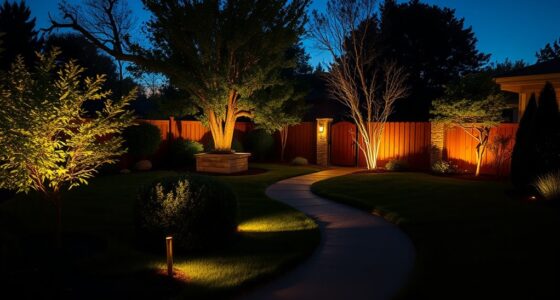
Outdoor lighting plays a significant role in seasonal security adjustments. During winter, when nights are longer, strategically placed outdoor lights can illuminate dark corners around your property, deterring would-be intruders. Install motion-activated lights around entry points, walkways, and dark patches of your yard. These lights not only discourage unwanted visits but also help you see who’s approaching your home. In the warmer months, when evenings are longer, keep outdoor lighting consistent to maintain visibility and safety. You might also want to invest in timer-based lighting systems that turn on at dusk and off at dawn, giving the appearance that someone is home even if you’re away.
Indoor security measures should adapt to seasonal changes too. With holiday seasons approaching, you might be bringing in more packages or leaving decorations visible from windows. Be cautious about leaving valuables in plain sight and consider using curtains or blinds to block views of your interior. If you’re traveling during the holidays or vacations, inform trusted neighbors or set up remote surveillance if available. Make sure your indoor security cameras are positioned to monitor all entry points and high-traffic areas inside your home.
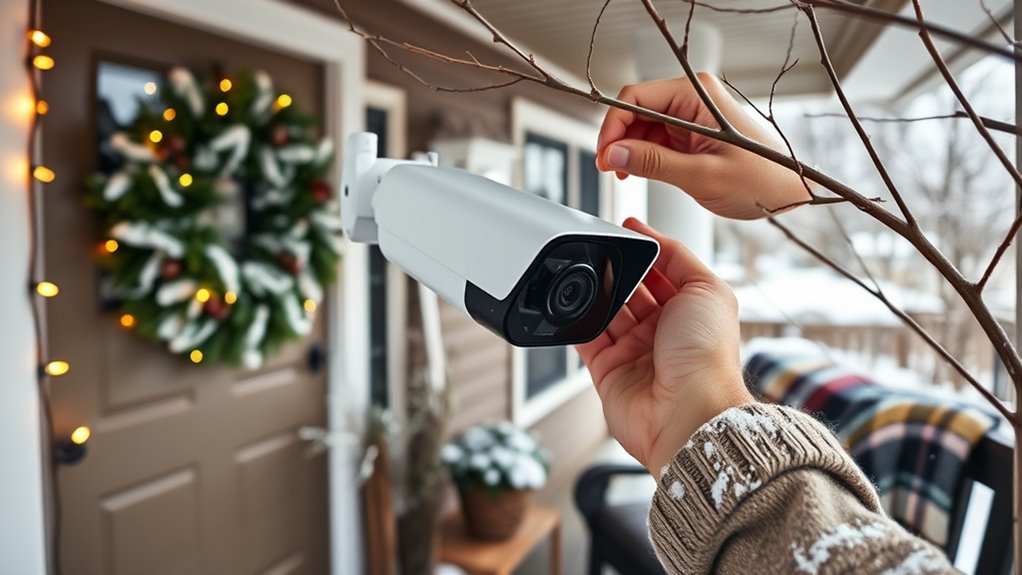
Finally, pay attention to the weather’s effects on your security infrastructure. Snow, ice, and rain can obstruct outdoor cameras or damage lighting fixtures. Regularly check and clean your outdoor security equipment to guarantee they’re operational. Trim bushes and trees that could block motion sensors or cameras, and secure loose fixtures before storms hit. Keeping your security systems updated and considering expandable security options can help adapt your setup as your needs change. By adjusting your home security for seasonal changes—enhancing indoor security, optimizing outdoor lighting, and maintaining equipment—you create a safer environment year-round. Staying proactive means you’re less likely to face surprises and more likely to enjoy peace of mind no matter the season.
Frequently Asked Questions
How Can I Prevent False Alarms During Seasonal Weather Changes?
To prevent false alarms during seasonal weather changes, you should regularly check your security system’s settings and clean your sensors. Use weather-resistant sensors designed for harsh conditions to reduce false alarms caused by rain, snow, or wind. Additionally, adjust sensitivity levels accordingly and make certain your system recognizes weather-related triggers. These steps will improve false alarm prevention and keep your home secure without unnecessary disruptions.
Are There Specific Security Devices Recommended for Winter or Summer?
They say “a stitch in time saves nine,” and that’s true for winter and summer security. For winter, invest in weatherproof sensors that withstand snow and ice. In summer, consider smart locks with enhanced durability for high temperatures and humidity. These devices guarantee your home remains secure regardless of the season. By choosing weatherproof sensors and smart locks, you stay protected year-round without worrying about seasonal wear and tear.
How Do I Adjust My Security System When Traveling During Holidays?
When you’re planning holiday travel, you should update your security checklists and make certain your system is fully armed before leaving. Use smart cameras and doorbell alerts to monitor your home remotely, and consider timers for lights to mimic occupancy. Inform trusted neighbors to keep an eye out, and double-check all locks and alarms. These steps help protect your home while you’re away, giving you peace of mind during your holiday trip.
What Are Signs My Home Security Is Vulnerable to Seasonal Pests?
You might notice your home security is vulnerable to seasonal pests if you get frequent intruder alerts from harmless critters or see sensor malfunctions caused by pests like rodents or insects. These pests can trigger false alarms or damage sensors, compromising security. Regularly inspect your sensors, seal entry points, and keep your home pest-free to prevent false alarms and guarantee your security system functions correctly throughout the seasons.
Can Seasonal Foliage Affect My Security Camera Visibility?
Did you know that over 60% of security camera users report visibility issues during peak foliage seasons? Seasonal foliage can definitely affect your security camera visibility by causing camera lens obstruction. To prevent this, regularly trim nearby foliage and branches. This simple step guarantees your camera captures clear footage and maintains effective security, even as the seasons change and plants grow thicker around your home.
Conclusion
As seasons shift, think of your home as a ship steering through changing tides. Adjust your security measures like tightening the sails—strengthening locks, lighting, and alarms—to stay steady against unseen currents. Remember, each season’s symbol reminds you to stay vigilant, guarding your sanctuary like a lighthouse guiding ships safely ashore. By aligning your security with nature’s rhythm, you create a resilient haven, ready to weather any storm that comes your way.