
Pet deterrent alarms are key tools in enhancing your home safety. They help prevent pets from causing accidents, entering restricted areas, or damaging belongings by alerting you and deterring unwanted behaviors. With features like motion sensors and ultrasonic sounds, these alarms offer real-time monitoring and customizable responses. Proper placement and calibration make them effective at reducing false triggers and modifying pet habits over time. To understand how these systems can work best for your home, keep exploring their benefits and setup tips.

Get privacy and security gear delivered free — and shop member deals
- Fast, free delivery on millions of items
- Access to Prime Big Deal Days deals on October 6–7
- Prime Video, Amazon Music and more included
Key Takeaways
- Pet deterrent alarms prevent pets from entering unsafe or restricted areas, reducing accidents and injuries at home.
- They protect belongings and furniture by discouraging destructive pet behaviors.
- Alarm systems provide real-time alerts, enabling quick response to potential hazards or undesirable pet actions.
- Customizable settings help tailor deterrence to specific pet behaviors, increasing overall home safety.
- Overall, pet deterrent alarms promote a safer, more harmonious environment by managing pet movement and activity effectively.
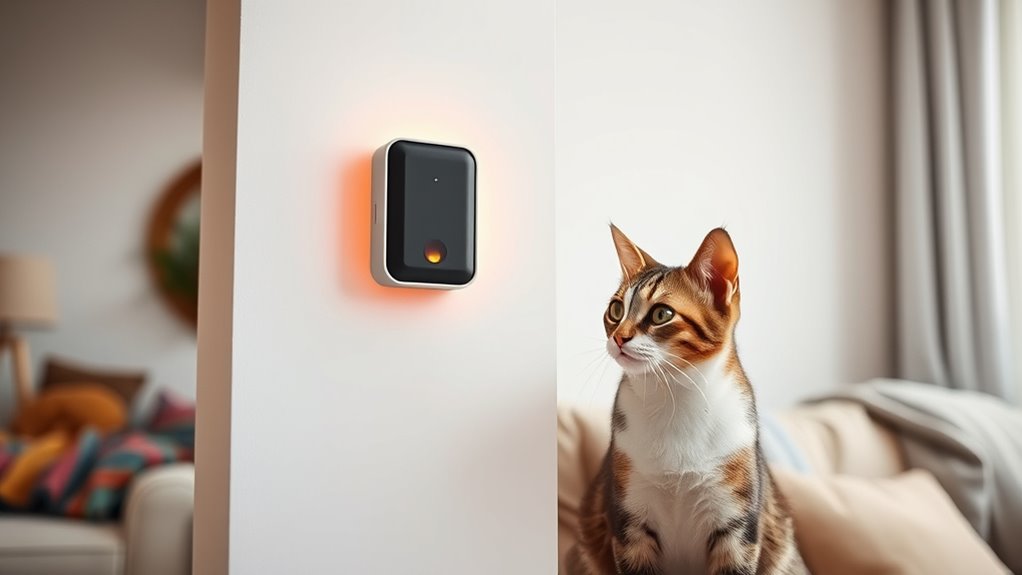
Pet deterrent alarms have become an effective tool for enhancing home safety, especially for households with pets. These devices leverage advanced alarm technology to address common concerns about pets causing damage or getting into unsafe areas. When you install a pet deterrent alarm, you’re not only protecting your belongings but also preventing your pets from engaging in behaviors that could lead to accidents or property damage. The key to their effectiveness lies in understanding pet behavior—these alarms are designed to respond to specific movements or actions typical of pets, such as jumping on furniture, entering restricted rooms, or approaching boundaries you’ve set. By tailoring the alarm’s sensitivity to pet behavior, you can create a more controlled environment that discourages unwanted actions without startling or frightening your animals unnecessarily.
Pet deterrent alarms use smart technology to protect belongings and guide pets away from unsafe areas effectively.
Alarm technology used in these devices often includes motion sensors, ultrasonic sound emitters, or even gentle vibrations. Motion sensors detect movement in designated areas and trigger an alert or deterrent signal. Ultrasonic emitters produce high-frequency sounds that are inaudible to humans but unpleasant for pets, discouraging them from entering certain zones. Some alarms incorporate gentle vibrations or mild sprays of air to startle pets without causing them harm. The versatility of alarm technology allows you to customize the system based on your pet’s size, behavior, and the areas you want to protect. For example, if your dog tends to jump on the furniture, a motion-activated alarm set to trigger when it detects movement in that area can effectively deter the behavior.
The integration of alarm technology doesn’t just serve as a deterrent; it also provides you with real-time notifications, often via your smartphone, so you’re aware when your pet is attempting to access restricted zones. This immediate feedback helps you respond quickly, whether it’s redirecting your pet or adjusting the system’s settings. Over time, many pet owners find that consistent use of these alarms helps modify pet behavior, reducing the frequency of undesirable actions. It’s important to note, however, that the success of pet deterrent alarms depends on proper placement and calibration. You need to ensure the sensors are correctly positioned and sensitive enough to detect your pet’s movements without causing false alarms triggered by household activities or other animals.
In essence, pet deterrent alarms, powered by sophisticated alarm technology and tailored to pet behavior, are valuable tools for maintaining a safe and harmonious home environment. They help prevent accidents, minimize property damage, and support positive pet training, giving you peace of mind knowing that your home is protected and your pets are guided away from risky situations. Additionally, understanding personality traits of your pets can help in customizing alarm settings to better suit their individual temperaments and behaviors.
Frequently Asked Questions
How Do Pet Deterrent Alarms Differ From Traditional Home Security Systems?
Pet deterrent alarms differ from traditional security systems by focusing on specific sensor placement designed to detect pets, usually near entry points or common areas. They emit a loud alarm volume when triggered, alerting you to your pet’s presence without setting off the entire home security system. This targeted approach helps prevent false alarms caused by pets, offering a more tailored solution for pet owners concerned about home safety.
Are Pet Deterrent Alarms Safe for All Types of Pets?
A stitch in time saves nine, so you should know that pet deterrent alarms are generally safe for all pets when used correctly. They work with pet training and animal sensitivity in mind, emitting humane sounds or vibrations that discourage unwanted behaviors without harming your pets. Always check the product details and consult your vet if you have concerns about specific animals, especially those with health issues or high sensitivity.
Can Pet Deterrent Alarms Be Customized for Different Pet Sizes?
Yes, pet deterrent alarms can be customized for different pet sizes through various customization options. You can adjust the alarm’s sensitivity settings to match your pet’s size, ensuring it activates appropriately without causing unnecessary distress. Many alarms come with adjustable ranges and sound levels, allowing you to tailor the deterrent effect, so smaller pets aren’t overly triggered and larger pets are effectively discouraged from restricted areas.
Do Pet Deterrent Alarms Work Effectively Outdoors?
Pet deterrent alarms can work outdoors, but their effectiveness depends on outdoor noise levels and animal behavior. You may find that loud environmental sounds can interfere with the alarms, making them less reliable. However, if your yard has minimal noise and animals are responsive, the alarms can effectively deter pets from unwanted areas. Keep in mind that consistent animal behavior and proper placement are key to maximizing their outdoor effectiveness.
What Is the Average Cost of Installing Pet Deterrent Alarms?
The average cost of installing pet deterrent alarms ranges from $50 to $150, depending on the system type and features. When doing a cost comparison, consider installation fees, which can add $20 to $50 if you hire a professional. DIY options may reduce costs, but guarantee proper setup for effectiveness. Overall, budget for both the device and installation to keep your pet and home safe.
Conclusion
In the end, pet deterrent alarms can be a real game changer for your home security. They help keep your pets safe while deterring unwanted visitors, giving you peace of mind. Remember, it’s better to be safe than sorry, so investing in these alarms shows you’re proactive about your home’s safety. With the right tools, you can stay one step ahead and create a secure environment for everyone under your roof.
Fall Picks
fall essentials
As an affiliate, we earn on qualifying purchases.