Protecting your essential documents at home is vital for your identity, financial security, and peace of mind. Key items include your Social Security card, driver’s license, passport, legal papers like wills and property deeds, medical records, and financial statements. Keep these in a secure, fireproof safe or lockbox, and consider digital backups for quick access. If you want to make certain your important papers stay safe, you’ll find valuable tips below.
Key Takeaways
- Identification documents like Social Security cards, driver’s licenses, and passports contain essential personal info and should be securely stored.
- Legal and financial documents such as wills, property deeds, and bank statements are crucial for estate planning and should be protected.
- Medical records and insurance policies contain sensitive health information that require secure, accessible storage.
- Certificates and official documents like birth certificates, marriage licenses, and citizenship papers are irreplaceable records needing safeguarding.
- Digital backups of all critical documents ensure quick recovery and protection against physical damage or theft.
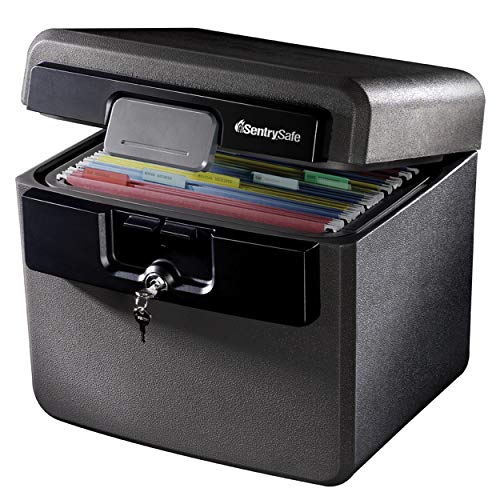
SentrySafe Black Fireproof and Waterproof Safe, File Folder and Document Box with Key Lock, 14.3 x 15.5 x 13.5 inches, HD4100
FIRE AND FLOOD PROTECTION FOR ESSENTIAL PAPERS: UL Classified to withstand high temperatures for up to thirty minutes…
As an affiliate, we earn on qualifying purchases.
As an affiliate, we earn on qualifying purchases.
Why Protecting Your Important Documents Matters

Protecting your important documents is vital because they contain essential information that can be difficult or impossible to replace if lost or stolen. If someone commits document theft, they could gain access to your personal details, leading to identity theft or financial loss. Protecting your documents helps safeguard your data privacy and prevents unauthorized access to sensitive information. Without proper security, your Social Security card, birth certificate, or financial records could fall into the wrong hands, causing long-term issues. By taking steps to secure these documents, you reduce the risk of identity theft and guarantee your personal information remains confidential. Additionally, understanding the role of document security features can help you identify authentic and tamper-proof documents. Implementing secure storage options, such as safes or secure filing cabinets, is also crucial in preventing unauthorized access. Recognizing tamper-evident features can further assist in verifying document authenticity. Furthermore, being aware of high-tech vaping innovations highlights how advancements in security and technology can also influence the protection of sensitive information. Incorporating advanced electronic security measures can enhance your document safety by providing alerts for unauthorized access or tampering. Remember, your important documents are the foundation of your personal security—guard them carefully to protect your financial and legal well-being.
SentrySafe Black Fireproof and Waterproof Safe, File Folder and Document Box with Key Lock, 14.3 x 15.5 x 13.5 inches, HD4100
FIRE AND FLOOD PROTECTION FOR ESSENTIAL PAPERS: UL Classified to withstand high temperatures for up to thirty minutes…
As an affiliate, we earn on qualifying purchases.
As an affiliate, we earn on qualifying purchases.
Which Personal IDs Are Critical to Safeguard and How

You need to prioritize safeguarding your Social Security card, driver’s license, and passport, as these are essential identifiers. Using a fireproof safe or a secure lockbox guarantees your IDs stay protected from theft or damage. Proper storage helps prevent identity theft and keeps your important documents safe at home. Additionally, understanding document security best practices can further enhance your protection strategies. For example, keeping physical copies in a concealed location reduces the risk of loss or theft. Implementing wave and wind protective measures can also help prevent damage from environmental factors such as water or fire. Being aware of storage options can ensure your documents remain intact and accessible when needed. Familiarizing yourself with document organization techniques can also streamline access during emergencies.
Essential IDs to Protect
Since personal IDs are often linked to your financial and legal identities, safeguarding them is essential to prevent identity theft and fraud. Protecting these critical documents guarantees you can quickly access them when needed and reduces the risk of misuse. Important IDs include your driver’s license, Social Security card, birth certificate, and passport. To keep them safe, focus on:
- Regularly organizing your documents for easy access
- Keeping copies in a secure location separate from originals
- Avoiding carrying all IDs in your wallet unless necessary
- Monitoring your credit reports for suspicious activity
- Considering security measures like safes or secure storage options to further protect your IDs, and understanding the importance of document security in maintaining your overall safety. Additionally, understanding European cloud innovation can inform how you securely back up digital copies of these IDs online, especially with advancements in cloud storage technology. Being aware of storage conditions helps prevent damage or deterioration of physical documents over time.
Secure Storage Methods
Secure storage of your personal IDs is essential to prevent theft and unauthorized use. To do this effectively, prioritize fire safety by keeping important documents in a fireproof safe or a secure, fire-resistant container. Avoid clutter by maintaining good document organization, which makes it easier to locate essential IDs quickly. Consider storing physical copies separately from digital backups, and ensure your safe is sturdy and anchored. Use locks or biometric access for added security. Regularly review and update stored documents, removing outdated items. Keep the safe in a discreet location away from common hazards. This approach not only protects your IDs from theft but also ensures you can access them safely in emergencies. Proper storage minimizes risks and maintains your personal information’s confidentiality. Stay aware of crypto risks and monitor your stored documents for any suspicious activity related to your personal information. Additionally, regularly consult guidelines on document security to stay informed about best practices in safeguarding your sensitive information. Incorporating fire safety measures can further enhance your protection by reducing the risk of damage from unforeseen events. It’s also wise to consider insurance coverage that specifically protects valuable personal documents against loss or damage.
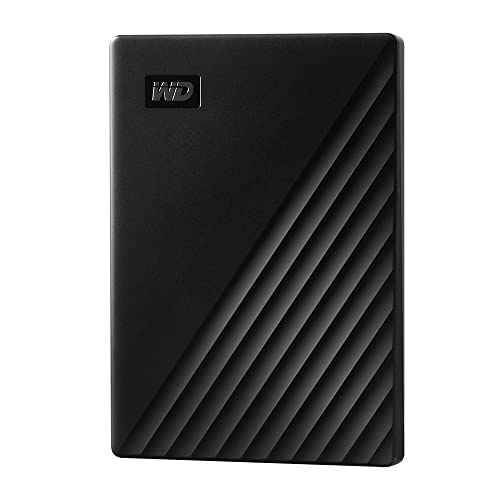
WD 2TB My Passport, Portable External Hard Drive, Black, backup software with defense against ransomware, and password protection, USB 3.1/USB 3.0 compatible – WDBYVG0020BBK-WESN
Slim durable design to help take your important files with you
As an affiliate, we earn on qualifying purchases.
As an affiliate, we earn on qualifying purchases.
Why You Should Protect Your Financial Records

Protecting your financial records helps keep your identity safe from theft and fraud. It also guarantees that your financial information remains accurate and reliable. By safeguarding these documents, you maintain control over your financial well-being. Additionally, understanding and managing credit scores can impact your ability to secure favorable loan terms and financial opportunities. Being aware of potential scams and frauds related to financial investments can further protect your assets and peace of mind. Regularly reviewing your financial statements can help detect any unauthorized activity early and prevent long-term issues. Incorporating security measures such as secure storage options can further enhance protection of your sensitive information.
Protects Financial Identity
Have you ever considered how easily someone could steal your financial identity if your records fall into the wrong hands? Protecting your financial documents is vital for fraud prevention and avoiding identity theft. If sensitive information gets into the wrong hands, it can lead to unauthorized accounts, loans, or charges in your name. To safeguard yourself, keep essential documents secure and dispose of outdated records properly. Be especially cautious with:
- Social Security cards and numbers
- Bank and credit card statements
- Tax returns and W-2 forms
- Investment account details
Securing these records helps prevent fraud and shields your financial reputation. Staying vigilant ensures your financial identity remains yours alone, avoiding costly and stressful recovery processes.
Ensures Record Accuracy
When you keep your financial records organized and up-to-date, you substantially reduce the risk of errors that could cause problems down the line. Protecting important documents helps ensure record accuracy, making document verification easier and more reliable. Accurate records prevent discrepancies during tax audits, loan applications, or estate planning. Mistakes can lead to delays, penalties, or even legal issues, so safeguarding your documents is essential. Consider this emotional impact:
| Confidence in finances | Peace of mind | Avoiding mistakes |
|---|---|---|
| Trust in your records | Reduced stress | Smooth verification |

Columbian 9 x 12 Security Envelopes, 100/Box, 9 x 12 Inches, Release & Seal Self Seal, SimplySafe Tamper Evident Pull Strip, White (COLO930)
Get a box of 100 Columbian 9 x 12 envelopes with SimplySafe tamper-evident pull strips and security tinted…
As an affiliate, we earn on qualifying purchases.
As an affiliate, we earn on qualifying purchases.
How to Safeguard Your Wills and Property Deeds

Are your wills and property deeds stored securely enough to prevent loss or theft? To protect these essential documents, consider using document encryption when storing digital copies. Keep physical copies in a safe deposit box at your bank for added security. Additionally, take these steps:
- Use a fireproof, waterproof safe at home for immediate access
- Limit access to trusted family members only
- Regularly update and review your documents
- Clearly label and organize your files for quick retrieval
Medical Records You Need to Safeguard and Why

Did you know that safeguarding your medical records is essential for ensuring quick access during emergencies and protecting your privacy? Your medical privacy is paramount, and keeping confidential records safe helps prevent identity theft or misuse of your personal health information. Store copies of important documents like health insurance cards, immunization records, and recent test results in a secure location. These records can be indispensable if you need urgent care or switch providers. By protecting your confidential records, you maintain control over sensitive information and reduce the risk of unauthorized access. Use a fireproof safe or encrypted digital storage to keep these documents secure. Regularly review and update your records to guarantee they’re accurate and complete for when you need them most.
Travel and Citizenship Documents You Must Keep Safe

Protecting your medical records is just one part of safeguarding your personal information; your travel and citizenship documents are equally important. Your passport protection and citizenship safety are crucial for your identity and travel plans. Keep these documents secure in a locked safe or a fireproof lockbox, and avoid carrying them unnecessarily. Consider making digital copies stored securely offline for backup in case of loss or theft. Remember, mishandling these documents can lead to identity theft or travel disruptions. To ensure their safety:
- Store originals separately from copies
- Limit access to trusted individuals
- Regularly check expiration dates
- Stay alert for signs of tampering or loss
Recognizing Documents That Could Be Used for Identity Theft

Have you ever considered which documents could be exploited by identity thieves? Recognizing vulnerable documents is key to maintaining proper document security. Items like your Social Security card, bank statements, and driver’s license contain sensitive info that can be used for identity theft. Be especially cautious with documents that include your full name, address, or Social Security number. Here’s a quick overview:
| Document Type | Risk Level | Recommendations |
|---|---|---|
| Social Security Card | High | Store securely, avoid carrying daily |
| Bank Statements | Medium | Shred if no longer needed |
| Driver’s License | High | Keep in a safe place |
| Utility Bills | Low | Dispose of properly after use |
Household Items That Can Contain Your Sensitive Information

Many household items can hold your sensitive information without you realizing it. Financial statements, tax records, and personal ID documents often end up in drawers or boxes. Medical and insurance files are just as vulnerable if left unprotected around your home.
Financial Statements and Tax Records
Financial statements and tax records are often stored in household items like file cabinets, safes, or cluttered drawers, making them easy to overlook yet vulnerable to theft or damage. To protect this sensitive information, consider creating digital backups by scanning important documents. This reduces the risk of losing everything if physical copies are damaged or stolen. Keep in mind that:
- Physical storage can be compromised by fire, flood, or theft
- Digital backups guarantee quick access and security
- Label and organize files for easy retrieval
- Regularly update and review stored documents
Personal Identification Documents
Personal identification documents are often stored in common household items such as drawers, filing cabinets, or safes, making them vulnerable to theft, loss, or damage. These include your driver’s license, passport, Social Security card, and birth certificate. If these fall into the wrong hands, you risk identity theft. To protect yourself, consider document digitization—scanning and securely storing copies online or on an external drive. Keep original documents in a secure, fireproof safe or lockbox. Regularly review and discard outdated IDs. To help you stay organized, here’s a quick overview:
| Document Type | Storage Tips | Risks |
|---|---|---|
| Driver’s License | Store in a secure, locked drawer | Loss, theft |
| Passport | Keep in a safe or lockbox | Damage, theft |
| Social Security Card | Use a locked filing cabinet | Identity theft |
| Birth Certificate | Store in a fireproof safe | Damage, loss |
| Other IDs | Digitize and back up securely | Unauthorized access |
Medical and Insurance Files
Medical and insurance files are often stored in household items like filing cabinets, drawers, or even in less obvious places such as binders or boxes, which can make them vulnerable to theft, loss, or damage. Keeping these documents secure is essential for emergency preparedness and effective document organization. If these files aren’t well-protected, you risk losing access during urgent situations or exposing sensitive information. To safeguard them, consider using a fireproof and waterproof safe, regularly updating your records, and keeping copies in a separate location. Remember, these files contain critical health and personal data that can impact your safety and privacy. Proper organization and protection ensure quick access when needed and reduce the risk of theft or damage.
How to Organize and Store Your Important Documents Safely

Organizing and storing your important documents safely is essential to guarantee quick access when needed and to protect them from damage or theft. Start with effective document organization by grouping related papers together and using clearly labeled folders or binders. Choose reliable storage solutions like fireproof safes, lockable cabinets, or waterproof containers to safeguard your documents from environmental hazards and unauthorized access. Keep critical papers such as birth certificates, wills, and financial records separate from less urgent documents for easier retrieval. Regularly review and update your storage system to ensure everything remains organized and secure. By implementing thoughtful document organization and selecting the right storage solutions, you can access your important papers swiftly and keep them protected from harm.
How and When to Make Digital Copies of Your Important Papers

Creating digital copies of your important papers adds an extra layer of protection and guarantees quick access in emergencies. You should make digital backups regularly, especially after any updates or new documents. Use a secure cloud service to store these copies, ensuring they’re protected from physical damage or theft. When creating digital copies, scan documents in high resolution and save them in common formats like PDF. Always verify the files for clarity and completeness before uploading. Consider organizing your digital files with clear labels for easy retrieval later. Remember, the right timing is key—make backups after significant changes or periodically, such as quarterly. This way, your critical documents remain safe, accessible, and ready whenever you need them.
Frequently Asked Questions
How Often Should I Review and Update My Important Documents?
You should review and update your important documents at least once a year to guarantee your record maintenance stays current. Regular document organization helps you spot outdated or missing information, making it easier to manage emergencies or legal needs. Additionally, update your records whenever you experience major life changes, like a move, marriage, or new financial circumstances. Staying proactive keeps your documents accurate and protected, giving you peace of mind.
Are Digital Backups as Secure as Physical Copies?
Digital backups can be as secure as physical copies if you prioritize proper digital security and backup strategies. You should encrypt sensitive files, use strong passwords, and store backups in secure cloud services or external drives. While digital backups offer convenience and easy access, always verify your data is protected from cyber threats and physical damage. Combining both physical and digital protections provides the best safeguard for your valuable documents.
What Are the Best Methods to Store Documents Off-Site?
You should use digital storage and secure off-site storage options to protect important documents. Consider cloud services with strong encryption for digital backups and choose specialized storage facilities or safes in a different location for physical copies. Regularly update your files and guarantee your chosen methods have reliable security measures. This way, your documents stay safe even if something happens to your home, giving you peace of mind.
How Can I Identify Documents Most at Risk of Theft or Damage?
Think of your documents as treasures in a game; identifying the most at-risk items is your risk assessment. Focus on personal IDs, financial records, and legal papers—they’re the easiest targets for theft or damage. To bolster document security, regularly review and categorize your files, noting which pose the greatest risk. Protect those with stronger storage solutions, like fireproof safes, to minimize threats and safeguard your crucial information effectively.
What Legal Documents Should I Keep Accessible in Emergencies?
In emergencies, keep your estate planning documents, like wills, power of attorney, and beneficiary designations, easily accessible. These papers guarantee your wishes are known and executed quickly. Also, safeguard your identification documents—passport, driver’s license, Social Security card—to prevent identity theft. Store copies securely, but have originals handy. Being prepared helps protect your assets and identity during crises, giving you peace of mind when every second counts.
Conclusion
Think of your important documents as the roots of your security tree, grounding your peace of mind. Protecting them is like shielding your home’s foundation from storms—necessary and essential. Keep them safe, organized, and backed up, so no wind can uproot your stability. When you guard what matters most, you nurture a fortress of trust and assurance, ensuring your future stays solid, no matter what storms come your way.