TL;DR
A survey indicates 68% of Americans support banning surveillance pricing and electronic shelf labels (ESLs). The move aims to prevent potential price gouging amid rising inflation and digital retail practices. Legislation is already underway in several states, with more likely to follow.
According to a new survey by GBAO Strategies, 68% of Americans favor banning surveillance pricing and electronic shelf labels (ESLs) in grocery stores, citing concerns over potential price increases and privacy issues. The findings come amid growing debate over digital pricing practices and their impact on consumers.
The survey, conducted by GBAO Strategies and distributed by the United Food and Commercial Workers International Union, found that 68% of Americans support banning ESLs, which are digital price tags increasingly used in stores. The survey also revealed that 58% of respondents say digital price tags would make them less likely to shop at a store, while only 3% believe they would increase shopping likelihood. Additionally, 66% expressed concern about the rising cost of groceries amid recent inflation trends.
Proponents of banning these technologies argue that electronic shelf labels enable dynamic pricing models that could be used for price gouging, including raising prices based on customer data analysis or environmental factors. Walmart, which plans to implement ESLs in all U.S. stores by 2026, has stated that it will not use the technology for price increases without human oversight. However, critics, including UFCW Vice President Ademola Oyefeso, claim that ESLs and surveillance pricing are tools for predatory practices, and they are urging lawmakers to pass legislation to prohibit them nationwide.
Why It Matters
This development matters because it reflects widespread consumer concern over digital pricing practices that could increase grocery costs, especially during a period of high inflation. Public support for bans could influence legislative actions at the state level, potentially shaping the future of retail pricing technology. If enacted, such laws could limit how stores use digital shelf labels and prevent price discrimination based on customer data, protecting consumers from possible exploitation.

2.1 in Electronic Shelf Label, Digital Label Holders, Blank Labels, Business Signs with Android and iOS APP One Stop Solution System for Retail, Storage, Black+White+Red e Ink Screen,1pc (BLE)
APP ONE STOP OPERATION SYSTEM ONLY – All operation of the electronic bluetooth tag can be finished on…
As an affiliate, we earn on qualifying purchases.
As an affiliate, we earn on qualifying purchases.
Background
The debate over surveillance pricing and digital shelf labels has intensified amid rising inflation, with recent data showing inflation at 3.8% annually in April, outpacing wage growth. Walmart’s rollout of ESLs across its stores exemplifies the trend toward digital pricing tools, which some argue could lead to more personalized, and potentially higher, prices for consumers. Maryland recently passed the first law banning surveillance pricing, but critics say it contains loopholes, and more states are considering legislation to address the issue.
“The ESL industry sells the prospect of higher prices and job losses as positives. Families are making tough choices every day because of sky-high prices, and polling clearly shows they want these predatory technologies banned.”
— Ademola Oyefeso, UFCW Vice President
“We are not using ESLs for price increases without human oversight. Our policy is transparent, and human managers are involved in all pricing decisions.”
— Walmart spokesperson

2.1 in Electronic Shelf Label, Digital Label Holders, Blank Labels, Business Signs for Retail, Storage, Black+White+Red 3 Colors e Ink Screen, (Bluetooth Type with Management System) 10 Pack
With Intuitive Statistics System -| Different from the stand-alone smart labels, this bluetooth type of price tag has…
As an affiliate, we earn on qualifying purchases.
As an affiliate, we earn on qualifying purchases.
What Remains Unclear
It remains unclear how quickly and broadly legislation banning surveillance pricing and ESLs will be enacted across states. Details about how stores will implement or restrict digital pricing practices, especially regarding sophisticated algorithms, are still emerging. Additionally, the extent to which retailers will comply with potential bans remains uncertain.
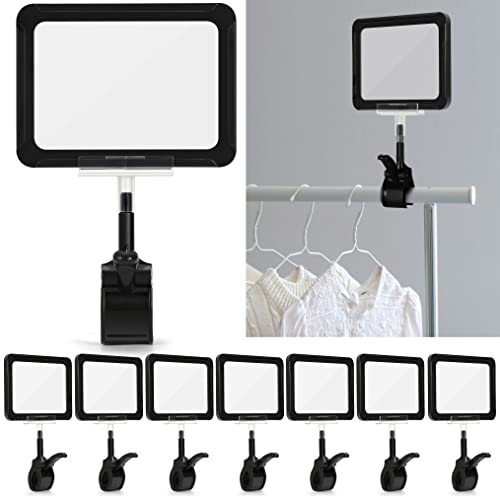
Mlici Acrylic Sign Holder with Clamp, 6 x 9 Inch Double Head Display Clips with PVC Card Protector, Rotating Sign Price Tag Clip On Sign Display for Hangrails or Tubes (Pack of 7) (Black)
Pop Clip Sign Holder: These display clips is made of acrylic plastic material which size can be adjust…
As an affiliate, we earn on qualifying purchases.
As an affiliate, we earn on qualifying purchases.
What’s Next
Next steps include legislative debates in at least a dozen states considering bans on surveillance pricing and ESLs. Advocacy groups and unions plan to push for stronger regulations, while retailers prepare for possible legal and operational adjustments. Monitoring how laws are drafted and implemented will be critical in the coming months.
2.1 in Electronic Shelf Label, Digital Label Holders, Blank Labels, Business Signs with Android and iOS APP One Stop Solution System for Retail, Storage, Black+White+Red e Ink Screen,1pc (BLE)
APP ONE STOP OPERATION SYSTEM ONLY – All operation of the electronic bluetooth tag can be finished on…
As an affiliate, we earn on qualifying purchases.
As an affiliate, we earn on qualifying purchases.
Key Questions
What is surveillance pricing?
Surveillance pricing refers to the practice of adjusting prices based on customer data, environmental factors, or real-time analytics, often using digital shelf labels or AI technology in stores.
Why are people concerned about electronic shelf labels?
Many fear ESLs could be used for dynamic pricing that raises costs for consumers, especially during high inflation periods, and may involve data collection that infringes on privacy.
Which states are considering bans on surveillance pricing?
At least a dozen states are currently debating legislation, with Maryland having passed the first law banning the practice, though critics say it has loopholes.
Will Walmart or other retailers stop using ESLs?
Walmart has stated it will not use ESLs for price increases without human oversight, but the full extent of their future plans remains to be seen as legislation progresses.
Source: reddit