
TL;DR
Cybersecurity experts are investigating three recent real-world incidents to evaluate vulnerabilities and response effectiveness. The findings aim to improve security protocols but details are still emerging.
Cybersecurity professionals are actively investigating three recent real-world security incidents as part of ongoing evaluations to assess vulnerabilities and response effectiveness. These investigations aim to identify weaknesses in current security measures and improve future defenses, making this a significant step in cybersecurity risk management.
The three incidents, which occurred within the past six months, involve a ransomware attack on a healthcare provider, a data breach at a financial institution, and a supply chain compromise affecting a manufacturing company. According to sources familiar with the investigations, preliminary findings suggest that common vulnerabilities include outdated software, misconfigured security settings, and insufficient incident response protocols.
Cybersecurity firms and internal security teams are analyzing attack vectors, breach timelines, and response actions taken by the affected organizations. While some details remain confidential, initial reports indicate that in all three cases, attackers exploited known vulnerabilities that had not been patched or adequately monitored. Experts emphasize that these incidents highlight persistent gaps in cybersecurity defenses across different sectors.
Implications of Incident Investigations for Cybersecurity Practices
This investigation underscores the importance of proactive vulnerability management and incident response planning. The findings could influence industry standards and prompt organizations to reassess their security protocols. As cyber threats evolve, understanding real-world attack scenarios helps improve preparedness and resilience, making this investigation highly relevant for businesses and security professionals alike.

Yubico – YubiKey 5C NFC – Multi-Factor authentication (MFA) Security Key and passkey, Connect via USB-C or NFC, FIDO Certified – Protect Your Online Accounts
- Security Type: Multi-Factor Authentication (MFA)
- Compatibility: Works with 1000+ Accounts
- Connection Options: USB-C and NFC
As an affiliate, we earn on qualifying purchases.
As an affiliate, we earn on qualifying purchases.
Background of Recent Cybersecurity Incidents and Evaluation Efforts
Over the past year, numerous organizations have experienced cyber incidents ranging from ransomware to data breaches, exposing widespread vulnerabilities. In response, cybersecurity firms and government agencies have launched evaluations to analyze recent attacks, aiming to identify common weaknesses and develop better defense strategies. These three incidents are part of a broader effort to learn from actual breaches and enhance cybersecurity resilience.
While the investigations are still in progress, they follow a pattern of attackers exploiting known but unpatched vulnerabilities, emphasizing the need for continuous security updates and robust incident response plans.
As an affiliate, we earn on qualifying purchases.
Details of Attack Methods and Specific Vulnerabilities Still Unclear
While preliminary findings point to common vulnerabilities, the full scope of attack methods, specific exploited vulnerabilities, and the organizations’ response effectiveness remain under review. Details about the attackers’ identities and the precise timeline of breaches are also still emerging, and some information is classified or confidential.
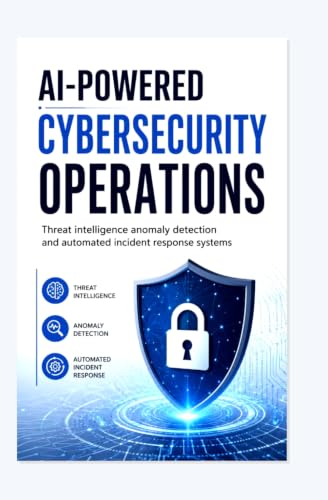
AI-POWERED CYBERSECURITY OPERATIONS: Threat intelligence anomaly detection and automated incident response systems
As an affiliate, we earn on qualifying purchases.
As an affiliate, we earn on qualifying purchases.
Upcoming Publication of Detailed Findings and Recommendations
Cybersecurity teams plan to publish comprehensive reports within the next two months, outlining detailed attack analyses and recommended best practices. Organizations affected are expected to implement new security measures based on these insights, and industry-wide standards may evolve accordingly.
As an affiliate, we earn on qualifying purchases.
Key Questions
What types of incidents are being investigated?
The investigations focus on a ransomware attack on a healthcare provider, a data breach at a financial institution, and a supply chain compromise affecting a manufacturing company.
Why are these investigations important?
They help identify common vulnerabilities and response gaps, guiding organizations to improve security measures and prevent future attacks.
When will the full findings be available?
Detailed reports are expected within the next two months, after which organizations can implement recommended security enhancements.
Are the attackers identified?
It is not yet confirmed whether specific threat actors have been identified; investigations are still ongoing.
How can organizations improve their cybersecurity based on these findings?
By prioritizing patch management, enhancing real-time monitoring, and strengthening incident response protocols, organizations can better defend against similar attacks.
Source: hn