
TL;DR

Get privacy and security gear delivered free with Prime
- Fast, free delivery on millions of items
- Prime Video, Amazon Music and more included
- Member-only deals all year
Patients received breach notices from Rochester Regional Health via a third-party vendor, but misidentification and unclear messaging caused widespread skepticism. The hospital confirmed the notice’s legitimacy, but confusion remains.
Patients of Rochester Regional Health recently received breach notices that appeared suspicious, leading many to believe they were scams. The hospital confirmed the notices are legitimate, but the misidentification and sender confusion have caused widespread skepticism.
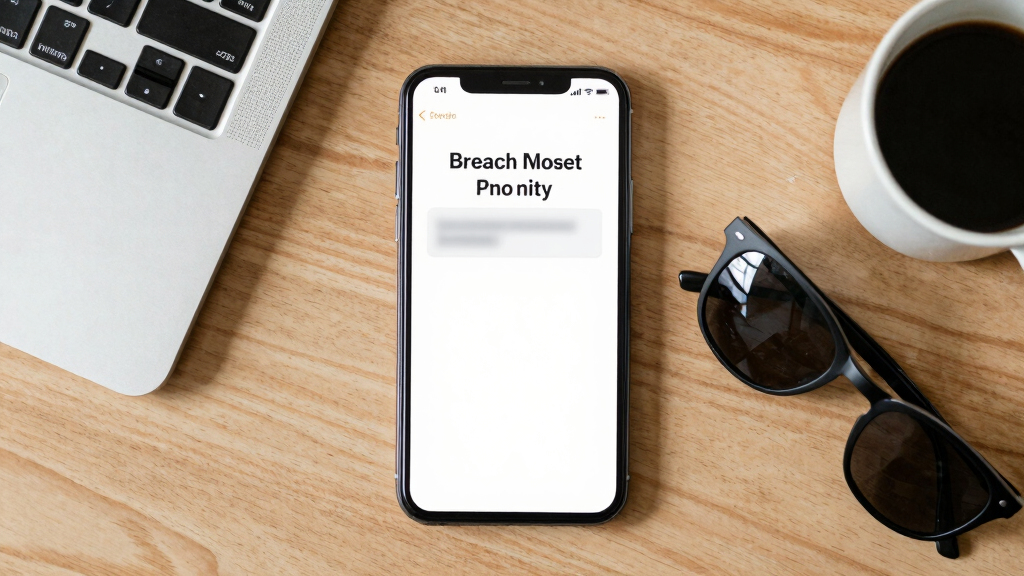
The breach notices were sent by Xsolis, a third-party vendor that provides case and utilization management services for Rochester Regional Health. The letters stated that the vendor experienced unauthorized activity impacting the healthcare facility, suggesting a data breach.
However, the notices misidentified the hospital as “Rochester Regional Medical Center” rather than its correct name, Rochester Regional Health. This discrepancy, along with the fact that the notices were sent by a third-party rather than directly by the hospital, led many recipients to dismiss them as scams.
Rochester Regional Health has confirmed that the breach notice is authentic. The hospital has a history of previous data breaches in 2020 and 2023, which raises ongoing concerns about cybersecurity. Despite this, the confusion caused by the misidentification has hindered effective communication with patients about the breach.
Impact of Miscommunication on Patient Trust
This incident highlights how misidentification and unclear communication can undermine patient trust during data breach events. When recipients doubt the legitimacy of breach notices, they may ignore or discard important alerts, potentially delaying necessary actions to protect their information.
For healthcare providers, clear and accurate communication is essential to maintaining trust and ensuring patients respond appropriately to security incidents. The confusion surrounding this breach notice underscores the importance of precise messaging in cybersecurity disclosures.
identity theft protection software
As an affiliate, we earn on qualifying purchases.
As an affiliate, we earn on qualifying purchases.
Previous Data Breaches at Rochester Regional Health
Rochester Regional Health has experienced multiple data breaches in recent years, including incidents in 2020 and 2023. These events have heightened awareness of cybersecurity vulnerabilities within the organization and among its patients.
The recent breach involving Xsolis is part of an ongoing pattern of cybersecurity challenges faced by healthcare providers, which are increasingly targeted by malicious actors due to the sensitive nature of health data.
“Misidentification and poor communication can significantly impact the effectiveness of breach notifications, especially in sensitive sectors like healthcare.”
— an anonymous researcher
As an affiliate, we earn on qualifying purchases.
Remaining Uncertainties About the Breach Details
It is still unclear how many patients received the notices, the full scope of the breach, and whether any sensitive data was compromised. The extent of the cybersecurity incident reported by Xsolis remains under investigation.
Additionally, it is uncertain whether future communications will be clearer or if similar misidentifications will occur again.
personal data breach alert system
As an affiliate, we earn on qualifying purchases.
As an affiliate, we earn on qualifying purchases.
Next Steps in Clarifying the Breach and Communication
Rochester Regional Health is expected to provide further updates once the investigation into the breach is complete. The hospital may also implement new communication protocols to improve clarity and prevent confusion among patients.
Patients are advised to remain vigilant for further notices and to follow recommended cybersecurity practices, such as monitoring their accounts for suspicious activity.
As an affiliate, we earn on qualifying purchases.
Key Questions
Why did the breach notice cause confusion among patients?
The notice was sent by a third-party vendor and misidentified the hospital, leading recipients to believe it was a scam.
Is the breach notice from Rochester Regional Health legitimate?
Yes, the hospital has confirmed the notice is authentic, but the misidentification caused skepticism.
What is being done to prevent similar confusion in the future?
Rochester Regional Health is working to improve communication clarity and accuracy in future breach notifications.
How many patients are affected by this breach?
The exact number of affected patients has not been disclosed; investigations are ongoing.
Should patients take any specific actions now?
Patients should monitor their accounts for suspicious activity and stay alert for further updates from Rochester Regional Health.
Source: Google Trends
Halloween Picks
halloween
As an affiliate, we earn on qualifying purchases.