
TL;DR
A security researcher has publicly claimed that Microsoft secretly inserted a backdoor into BitLocker encryption. The researcher released an exploit to demonstrate the alleged vulnerability. The claim has not been independently verified and raises questions about encryption security.
A security researcher has publicly claimed that Microsoft secretly embedded a backdoor into BitLocker, the Windows encryption tool, and has released an exploit to demonstrate it. This development, if confirmed, could have significant implications for data security and privacy.
The researcher, whose identity has not been disclosed, presented evidence suggesting that a hidden mechanism exists within BitLocker that allows unauthorized access to encrypted data. The researcher released an exploit tool that reportedly can bypass BitLocker protections, supporting the claim of a backdoor. Microsoft has not yet issued a formal response or clarification regarding these allegations. The researcher’s claims are based on analysis of the encryption process and specific vulnerabilities identified during testing, but these findings have not been independently verified by third-party security experts.
Why It Matters
If true, the existence of a backdoor in BitLocker would undermine the security of millions of devices and data stored in Windows environments worldwide. It raises concerns about government surveillance, corporate espionage, and the integrity of encrypted communications. This claim, if validated, could lead to regulatory scrutiny of Microsoft’s security practices and impact trust in Windows-based encryption solutions.

Device Encryption and BitLocker Recovery Keys: Find Your Key, Resolve Startup Prompts, Manage TPM Issues, and Protect Encrypted Drives
As an affiliate, we earn on qualifying purchases.
As an affiliate, we earn on qualifying purchases.
Background
BitLocker has been a core encryption feature in Windows since Windows Vista, designed to protect data at rest. Microsoft has consistently marketed it as a secure and trusted encryption tool. Allegations of backdoors in encryption software are rare but not unprecedented; previous claims have often been met with skepticism. This recent claim follows a pattern of security researchers scrutinizing proprietary encryption implementations for vulnerabilities, but claims of intentional backdoors are particularly sensitive and controversial.
“We have uncovered evidence suggesting that Microsoft has embedded a backdoor into BitLocker, which can be exploited to access encrypted data without the key.”
— Unspecified security researcher
“Microsoft is aware of the claims and is investigating the matter. We take security and privacy seriously and have not found any evidence of backdoors in our encryption products.”
— Microsoft spokesperson
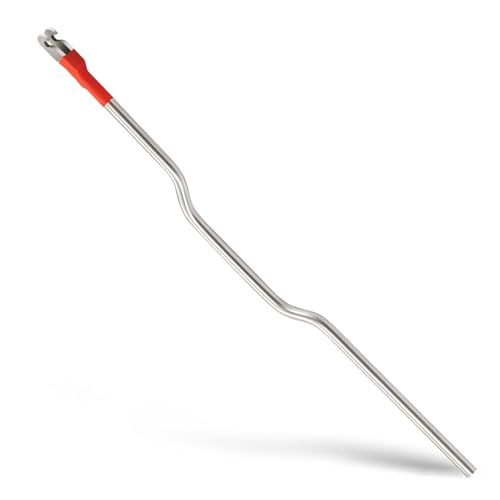
ColumPRO Window Balance Spring Replacement Tool, Heavy-Duty Stainless Steel Window Tension Tool for Window Track Cleaning, Tilt Spiral Balance, Changing Window Parts and Hardware
- Material: Heavy-duty stainless steel for durability
- Design: Ergonomic for comfortable use and leverage
- Grip: Secure split head end for precise adjustments
As an affiliate, we earn on qualifying purchases.
As an affiliate, we earn on qualifying purchases.
What Remains Unclear
It is not yet clear whether the researcher’s findings are accurate or if the exploit demonstrates a genuine backdoor. Microsoft’s ongoing investigation and independent verification are pending, and the technical details of the claim have not been fully disclosed or peer-reviewed.

Hard Drive Reader USB 3.0 and Type C to SATA IDE Adapter, External Data Recovery Converter Kit for 2.5"/3.5" HDD SSD Internal Hard Disk Blu-ray Drive with 12V/2A Power Supply
- Universal Compatibility: Supports SATA, IDE, Blu-ray drives
- Wide User Compatibility: Compatible with all USB/USB-C devices
- Data Recovery & Backup: Ideal for file retrieval and system backup
As an affiliate, we earn on qualifying purchases.
As an affiliate, we earn on qualifying purchases.
What’s Next
Microsoft is expected to conduct a thorough investigation into the researcher’s claims. Independent security experts will analyze the exploit and the underlying evidence. The community awaits official clarification from Microsoft and further technical disclosures. If confirmed, the issue could prompt updates or patches to address the vulnerability.
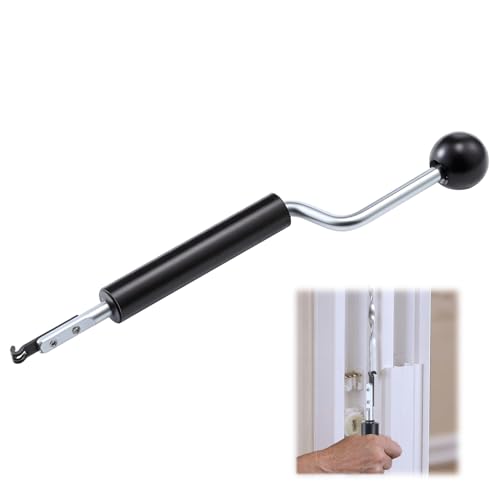
Leriton Tilt Window Tension Tool Heavy-Duty Window Service Tension Tool for Engage Tighten or Replace the Balance into the Proper Engage Shoe
- Designed for Spiral Balancers: Fits double-hung windows with spiral balancers
- Easy Removal and Installation: Simplifies spring removal and new balancer setup
- Comfortable Grip: Padded handle for secure, comfortable use
As an affiliate, we earn on qualifying purchases.
As an affiliate, we earn on qualifying purchases.
Key Questions
Has Microsoft confirmed the backdoor in BitLocker?
No, Microsoft has stated they are investigating the claims and have not found evidence of backdoors so far.
What impact would a backdoor in BitLocker have?
It would compromise the security of encrypted data on Windows devices, potentially allowing unauthorized access by malicious actors or government agencies.
Can the exploit demonstrated by the researcher be used in real-world attacks?
The researcher claims the exploit is effective, but its practical application and scope are still under review by security experts.
Will Microsoft release a patch if the backdoor is confirmed?
If the backdoor is verified, Microsoft is likely to develop and deploy patches to fix the vulnerability and restore trust in BitLocker.
Is this the first time a backdoor claim has been made against encryption software?
Claims of backdoors are rare and usually unconfirmed; this is a significant allegation that requires thorough verification.