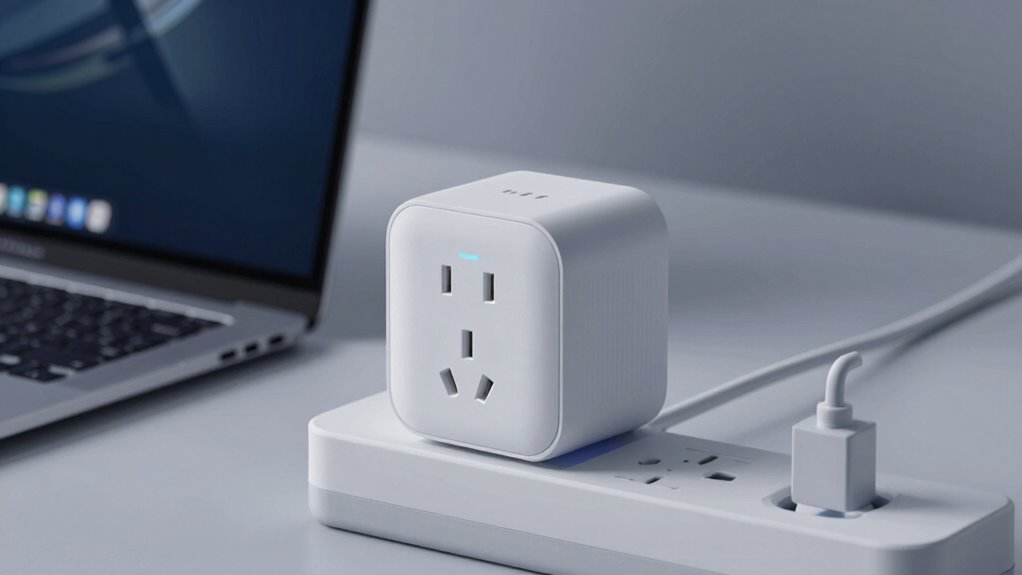

If you use smart plugs, firmware risks are everywhere. Outdated or tampered firmware can give hackers easy access to your network, enabling control or spying without your knowledge. Insecure update processes and weak authentication make devices easy targets, risking data breaches and broader cyberattacks. Choosing secure brands, applying updates wisely, and monitoring your devices can reduce these risks. Stay alert—understanding more about firmware vulnerabilities helps you better protect your smart home.
Key Takeaways
- Outdated or unpatched firmware in smart plugs can be exploited remotely, risking unauthorized access and control.
- Fake or tampered firmware increases security risks, making device authenticity verification crucial.
- Insecure update protocols may allow hackers to install malicious firmware, compromising device and network security.
- Firmware vulnerabilities can serve as entry points for broader cyberattacks and botnet infiltration.
- Regular, trusted firmware updates are essential to maintain smart plug security and prevent widespread vulnerabilities.

THIRDREALITY Zigbee Smart Plug with Real-time Power Monitoring,15A Smart Outlet, Zigbee Repeater, ETL Certified, ZigBee Hub Required,Work with Home Assistant,Compatible Echo Devices and SmartThing
ZIGBEE 3.0 STANDARD: Works with compatible Zigbee hubs or Echo devices with Zigbee hub built-in. Such as Echo…
As an affiliate, we earn on qualifying purchases.
As an affiliate, we earn on qualifying purchases.
What Are Firmware Risks in Smart Plugs and Why Do They Matter?

Firmware risks in smart plugs are a significant security concern because outdated or compromised firmware can give hackers access to your network and devices. When firmware update protocols aren’t secure, cybercriminals can exploit vulnerabilities during updates or install malicious firmware. This can bypass security measures and allow unauthorized control of your smart plug and connected devices. Additionally, without proper device authenticity verification, you might unknowingly install fake or tampered firmware, increasing the risk of breaches. Ensuring your smart plug uses secure firmware update protocols and verifying device authenticity helps protect your network. Regular updates and trusted sources are essential to reduce firmware-related vulnerabilities. Ignoring these aspects exposes your smart home to potential hacking and data theft. Incorporating secure firmware update protocols is crucial for maintaining your device security and safeguarding your connected ecosystem. To further mitigate risks, it’s important to understand the role of firmware authenticity verification in preventing tampered updates.

TP-Link Tapo Matter Supported Smart Plug Mini, Compact Design, 15A/1800W Max, Super Easy Setup, Works with Apple Home, Alexa & Google Home, UL Certified, 2.4G Wi-Fi Only, White, Tapo P125M(3-Pack)
【Matter: All-Round Compatibility】With Matter, users are no longer tied to specific platforms and works with all certified smart…
As an affiliate, we earn on qualifying purchases.
As an affiliate, we earn on qualifying purchases.
Common Firmware Vulnerabilities That Could Compromise Your Smart Home
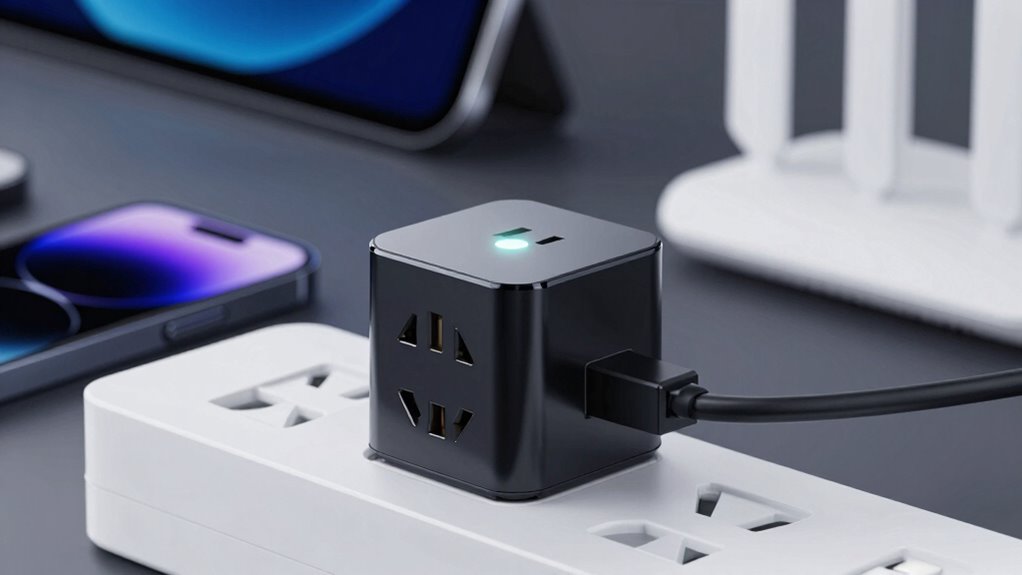
Many vulnerabilities in smart plug firmware can leave your entire smart home exposed to cyber threats. Common issues include weak authentication, unpatched security flaws, and insecure communication protocols. These vulnerabilities often stem from an unreliable firmware update process, which may fail to install critical patches or introduce new risks if updates are incomplete. Device compatibility issues can also prevent firmware from correctly functioning, leaving gaps in security. Hackers can exploit outdated firmware or compatibility problems to gain unauthorized access. To understand these risks better, review the table below: firmware update process. Additionally, firmware security best practices are essential for maintaining a safe smart home environment. Ensuring firmware integrity through secure update protocols can significantly reduce these vulnerabilities and protect your network. Regularly verifying firmware authenticity and addressing known security flaws is crucial for comprehensive protection. Incorporating automated security checks into your update routine can further enhance your device security posture.

GHome Smart Plug, WiFi Smart Plugs Work with Alexa and Google Home, Smart Outlet Timer with APP Remote Control, 2.4GHz Wi-Fi Only, No Hub Required, ETL FCC Listed, White
Stability Upgrade Quick Connection:Supports Bluetooth or WiFi connection.The improved WiFi technology let you quick connection and stay stable,no…
As an affiliate, we earn on qualifying purchases.
As an affiliate, we earn on qualifying purchases.
How Hackers Exploit Firmware Weaknesses in Smart Plugs

Hackers often target vulnerabilities in smart plug firmware to gain unauthorized access and control over your devices. They look for firmware backdoors—hidden ways to bypass security—and exploit update tampering to push malicious firmware versions. By inserting backdoors during manufacturing or through compromised updates, hackers can turn your smart plug into a gateway for broader network attacks. They may modify firmware remotely, allowing them to switch your devices on or off, spy on your activity, or use your network for botnets. Update tampering becomes especially risky if your device doesn’t verify firmware authenticity, making it easier for hackers to replace legitimate updates with malicious ones. Ensuring your devices have secure firmware helps protect against these exploits. Regularly checking your device’s firmware integrity can help detect unauthorized modifications early, reducing overall risk. Additionally, many devices lack firmware update verification, which makes it easier for attackers to introduce malicious code unnoticed. Implementing firmware security features and cryptographic signatures can significantly enhance your device’s defenses. Staying unaware of these exploits puts your smart home at continuous risk of intrusion and compromise.

Ring Alarm 14-Piece Kit (newest model), Wireless smart home or business security system, expandable, easy setup, Mobile App Control, 24/7 Professional Monitoring, Alexa Compatible
A great fit for 2-4 bedroom homes, this Alarm Kit includes one Base Station, two Keypads, eight Contact…
As an affiliate, we earn on qualifying purchases.
As an affiliate, we earn on qualifying purchases.
Simple Steps to Protect Your Smart Plugs From Firmware Attacks
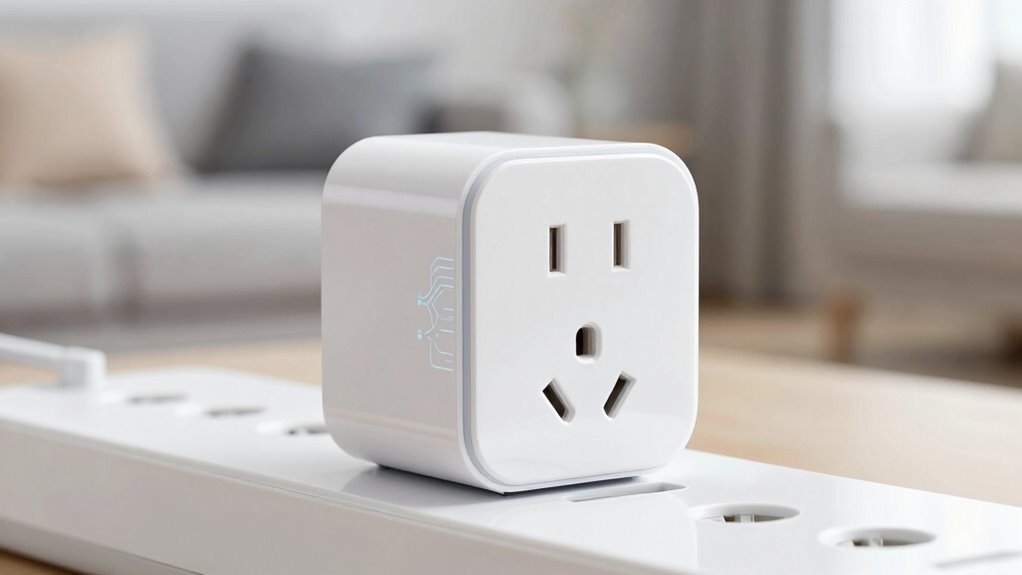
To protect your smart plugs from firmware attacks, start by choosing reputable brands that prioritize security and regularly update their devices. Firmware update safety is vital—only install updates from official sources to prevent malicious versions. Ensure your smart plug uses robust encryption, like smart plug encryption, to secure data transmission and prevent eavesdropping. Regularly check for firmware updates and apply them promptly. Use strong, unique passwords for your Wi-Fi network and smart home accounts. Keeping your network encrypted adds an extra layer of defense. Additionally, understanding device vulnerabilities can help you stay ahead of potential threats. Being aware of vetted wave and wind security measures can further strengthen your defenses. Staying informed about the latest nanotechnology security innovations can also provide insights into protecting your smart devices from emerging threats. Incorporating security best practices into your routine can significantly reduce the risk of firmware attacks. Here’s a quick overview:
| Step | Why it matters |
|---|---|
| Choose reputable brands | Ensures ongoing security updates |
| Update firmware regularly | Fixes vulnerabilities and enhances firmware safety |
| Use strong passwords | Prevents unauthorized access |
| Enable smart plug encryption | Secures data transmission between device and network |
| Keep software updated | Protects against known exploits |
How to Choose Secure Smart Plugs With Better Firmware Security
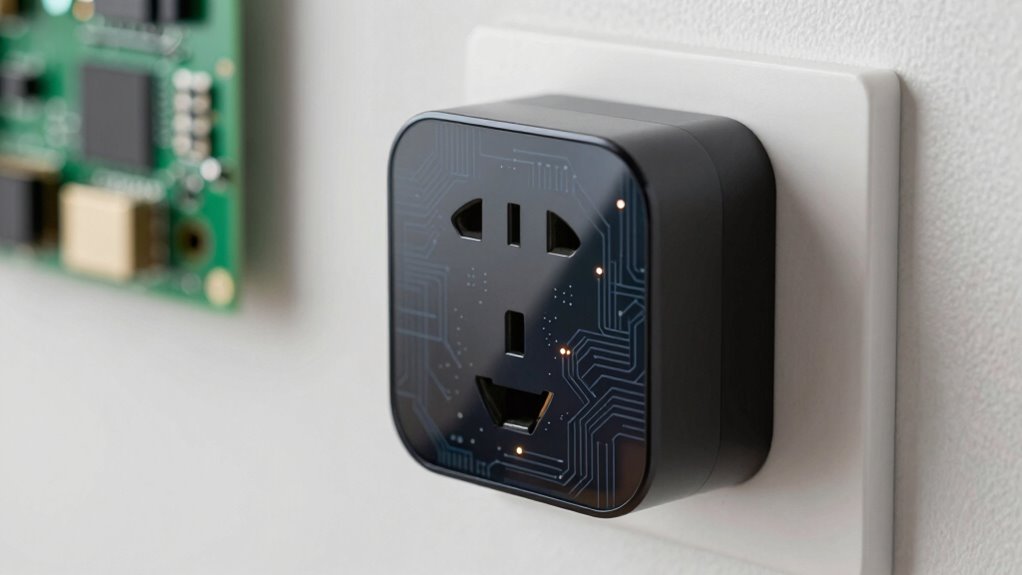
Choosing secure smart plugs starts with understanding that not all devices offer the same level of firmware protection. To guarantee better security, look for smart plugs from manufacturers with a strong security reputation. Research their firmware update best practices—regular updates indicate active security monitoring and vulnerability fixes. Check if the manufacturer provides transparent information about their security measures and response plans. Avoid devices from brands with a history of security flaws or slow updates. A reputable manufacturer prioritizes firmware security, reducing your risk of exploitation. Also, consider whether the smart plug supports automatic firmware updates, which help keep the device protected against emerging threats. By choosing devices with a solid security track record and proper update practices, you can considerably improve your smart plug’s firmware security. Additionally, understanding supply chain security can help ensure the overall integrity of your smart home devices. Implementing firmware update protocols is essential for maintaining ongoing protection against evolving vulnerabilities. Moreover, staying informed about security standards can further enhance your ability to select reliable and secure smart home products. Regularly reviewing manufacturer security transparency can help you stay aware of potential risks and mitigation strategies. Engaging with coaching and mentoring dynamics can also provide insights into best practices for secure device management.
Frequently Asked Questions
Can Firmware Updates Fix All Security Issues in Smart Plugs?
Firmware updates can fix some security issues in smart plugs, but they don’t eliminate all firmware vulnerabilities. Updates improve security by patching known flaws, yet new vulnerabilities often emerge, making the effectiveness of these updates limited. You should stay vigilant, regularly check for updates, and consider additional security measures like network segmentation. Relying solely on firmware updates isn’t enough; a thorough approach is essential for better protection.
Are There Specific Brands Known for Better Firmware Security?
When it comes to smart plug brands with better firmware security, you’ll want to look for those known for a solid reputation and firmware transparency. Brands like TP-Link and Belkin often prioritize security updates and clear communication about their firmware. These companies aim to keep their products secure and trustworthy, so you don’t get caught in a web of vulnerabilities. Trustworthy brands are worth their weight in gold, especially in today’s digital landscape.
How Often Should I Check for Firmware Updates on My Smart Plug?
You should check for firmware updates on your smart plug at least once a month. Regularly reviewing the device’s firmware update frequency guarantees you’re applying security patch schedules promptly, reducing vulnerabilities. Many manufacturers release updates periodically, so staying proactive helps protect your device from security risks. Enable automatic updates if available, but if not, set a recurring reminder to manually check for firmware updates to keep your smart plug secure.
Do Open-Source Firmware Options Improve Security?
Open-source firmware options are like clear windows, giving you a transparent view of your device’s inner workings. They improve security by allowing you to verify firmware transparency and spot vulnerabilities early. The open-source benefits include community-driven updates and faster bug fixes. By choosing open-source firmware, you gain more control, reducing the risk of malicious code hidden in closed systems, making your smart plug safer and more trustworthy.
What Signs Indicate My Smart Plug’s Firmware Has Been Compromised?
You can tell your smart plug’s firmware has been compromised if you notice unusual activity, like unexpected reboots or erratic behavior. Firmware vulnerabilities often lead to unauthorized access, so keep an eye out for unfamiliar device connections or changes in settings. If you detect these signs, it’s a good idea to update your firmware or reset the device to prevent further security risks.
Conclusion
To keep your smart plug fortress secure, stay vigilant like a knight guarding a castle. Regularly update firmware, choose reputable brands, and enable security features. Don’t let outdated software become your Achilles’ heel—think of it as trusting a squire with a sword that’s a few centuries old. With a little caution now, you can avoid the dark ages of hacking, ensuring your smart home remains a safe and modern sanctuary.